
Why are flea bites so itchy? It’s not just the bite itself—it’s your body’s overreaction to flea saliva, which contains proteins that trigger histamine and inflame the skin. That explains why one bite can feel like ten, and each new bite in a cluster makes the itching worse.
Scratching only restarts the cycle and raises the risk of infection, so knowing how to stop the itch fast is key. Antihistamines and anti-itch creams offer quick relief, but the real solution starts with removing fleas from your home.
In this guide, we’ll cover the science behind the itch, the best treatments for immediate comfort, and the pest control steps that break the cycle for good.
Keep reading to put those itchy bites behind you.
At A Glance
- Flea saliva contains antigenic proteins that the immune system misidentifies as dangerous invaders.
- Immune cells release histamine, which triggers inflammation and intense itch signals to the brain.
- Repeated flea bites deposit more allergens, causing a faster, stronger histamine response each time.
- Histamine widens blood vessels and tickles nerve endings, causing swelling, redness, and itching.
- Scratching releases more histamine, restarting the itch-scratch cycle and worsening irritation.
What’s in Flea Saliva That Makes a Flea Bite Itch So Bad?
The real villain in a flea bite isn’t the bite itself. It’s the saliva that triggers the intense reaction.
Within that tiny droplet, salivary proteins act like biochemical burglars breaking into the skin’s defenses. These proteins include specific antigenic peptides that the immune system misidentifies as dangerous invaders.
Think of them as microscopic troublemakers that trigger a false alarm. The body then prepares for war, acting like an overprotective neighbor.
The itch comes from the cocktail of allergens in the spit, not the physical puncture. Effective flea control starts with treating your pet and home before these bites happen.
These peptides can make one bite feel like ten. Honestly, fleas have terrible manners, they don’t even say please before injecting. Fast-acting options like nitenpyram and imidacloprid can kill fleas within 30 minutes to an hour, stopping the biting cycle before it begins.
Why Your Body Freaks Out Over a Mosquito-Sized Bite?
Not content to just annoy you with that single, perfect itch, that clever little saliva cocktail triggers an all out biochemical riot beneath your skin. Your body, convinced a tiny vampire just invaded, launches a full immune system freakout.
This overreaction is partly because of repeated exposure. Each bite from your cat’s flea trains your body to react faster in a process called allergen desensitization gone haywire.
But here is the real kicker: those same itchy bites can also be a taxi service for serious illnesses. This risk is known as zoonotic disease transmission, and professional flea control can stop it.
Fleas don’t just snack. They can deliver plague or typhus from rodents to you through a single bite.
So that mosquito sized bite is a biochemical alarm system. It alerts you to a potential health threat, making pest control inspection a smart move. Stainless steel tools can be sterilized and reused to safely manage any secondary pests, preventing cross contamination.
Bottom line: don’t just scratch, treat the area and watch for fever. Call a local exterminator if you notice ongoing bites or rodent activity.
How Histamine Turns a Flea Bite Into a Maddening Itch
When immune cells detect flea saliva, they release histamine, a chemical that cranks up inflammation and fires off intense itch signals to the brain. This triggers the infamous itch-scratch cycle, where scratching temporarily feels good but only irritates the skin further, making things worse. The good news is antihistamines block histamine at the source, calming both the itch and swelling. For effective pest control, tackling the source of fleas in your home is just as important as treating the bite. Look for flea treatments and topical repellents to keep these pests away from your pets and furniture. A simple fix for a maddening problem starts with blocking histamine and removing fleas from your environment. Many cedar oil sprays kill existing pests and leave a scent that repels new ones.
Histamine Release Mechanism
A flea’s saliva contains proteins your body sees as unwanted intruders, triggering an immune overreaction. Mast cells identify these foreign proteins and flag them as threats immediately.
Then, like a fire alarm pulling a sprinkler lever, those cells release histamine into the area. This chemical rushes to the bite, causing blood vessels to widen and leak fluid.
That is why the bite swells, turns red, and itches intensely. Histamine directly tickles nerve endings, sending “itch!” signals straight to your brain.
It is a well‑intentioned mistake, as your body treats a tiny bug bite like a major invasion. For effective flea pest control, focus on breaking the flea life cycle with treatments for both pets and your home. Using a collar that kills flea eggs and larvae can help break the life cycle and reduce the population.
Topical flea prevention products can stop bites before they start. Regular vacuuming and washing pet bedding also reduce flea populations and histamine‑triggering saliva.
The result is a full‑blown histamine reaction with no guests invited, just you and the itch. Professional pest control services can help you achieve lasting relief from flea infestations and their irritating bites.
Itch-Scratch Cycle Roots
The madness of a flea bite begins with a simple chemical misunderstanding. Histamine floods the area, itching nerve endings into a frenzy.
The result is an intense, maddening itch that demands action. Scratching provides fleeting relief, but it damages the skin and releases more histamine.
This restarts the itch scratch cycle. Scratch prevention is key to breaking the loop before infection sets in.
Cold compresses applied for ten minutes numb the nerves and reduce swelling. Good wound care habits matter too.
Clean bites with soap and water, then apply an antibiotic ointment. Keep nails short and cover bites with a bandage to avoid unconscious scratching.
A scratched bite turns a petty annoyance into a weeping mess. For full pest control, treat fleas in your home with topical flea sprays and vacuum regularly.
Bottom line is stop the scratch and skip the infection. Use a flea repellent to buy time and protect your family.
Antihistamine Relief Process
Oral antihistamines like cetirizine cost about $0.15 per pill and reduce whole-body itching within 30 minutes.
Topical creams with diphenhydramine cost around $5 per tube and provide localized relief, but you shouldn’t cover large areas.
Relief from these pest control solutions begins within 20 to 60 minutes, with peak effect at 2 hours for most pills.
Secondary benefits include reduced swelling and less scratching, which breaks the itch-scratch cycle.
For targeted relief, buy topical entities like antihistamine creams for small patches.
The bottom line is pop a pill to stop the madness.
Your skin will thank you, and you’ll stop looking like a human scratch ticket.
However, preventing flea bites in the first place requires monthly reapplications of treatments that target fleas at all life stages.
Why the Flea Bite Itch Gets Worse With Each New Bite?
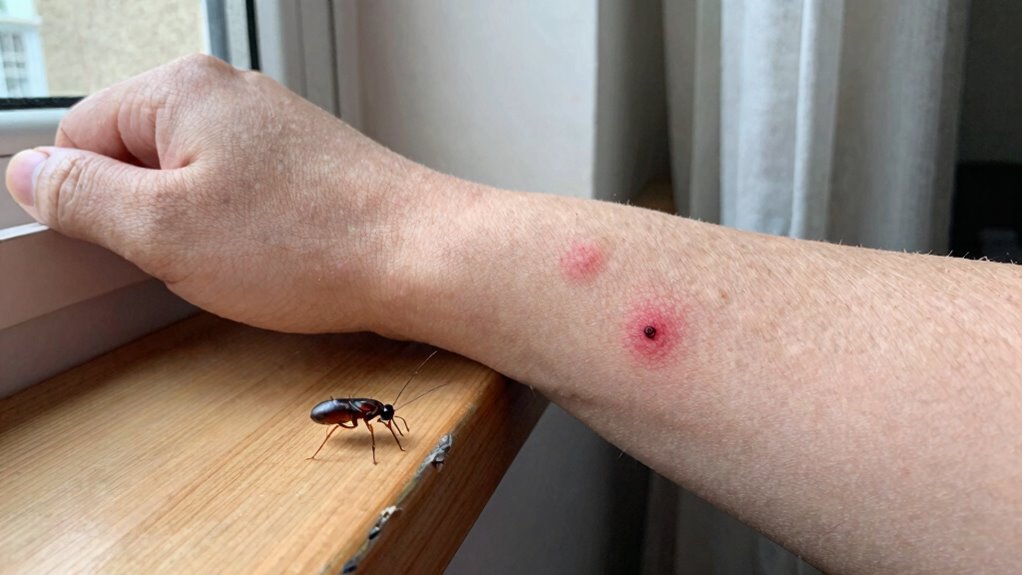
A flea doesn’t just bite once; it typically feeds in a pattern of two or three bites in a row. Each new bite introduces more flea saliva allergens into the skin, and your immune system remembers the previous insult.
That memory means every subsequent bite triggers a faster, stronger histamine release, so the itching feels progressively more intense. If you’re dealing with a pet infestation, break the cycle with a vet-approved topical treatment and a household flea spray.
Targeting the source of the bites is the real fix, not just soothing the skin. Applying an antihistamine cream or taking an oral allergy medication can help calm the reaction while you schedule a professional pest control visit.
For long term relief, wash all bedding and vacuum carpets thoroughly, then use an insect growth regulator to stop new fleas from hatching. Knowing why the itch escalates helps you act fast: call a licensed exterminator if the problem persists after DIY sprays.
Repeated Allergen Exposure
Flea bites get itchier with each new bite, a process that stacks the immune system’s deck against you. This happens through repeated allergen exposure, where each bite adds more flea saliva antigens to the skin.
The immune system, already sensitized, responds with escalating force. Histamine floods the site, making each subsequent bite feel worse.
Allergen build up occurs as each bite deposits new proteins, overwhelming local defenses. Immune tolerance fails to develop, and hypersensitivity grows stronger over time.
Mast cells release more histamine with repeated activation, amplifying the itch. Secondary inflammation from scratching compounds the reaction, turning a mild spot into a red, angry lump.
The body doesn’t get used to flea bites, it gets more annoyed. Each new exposure teaches your immune system to throw a bigger tantrum.
A quick pest control treatment can stop this cycle by removing fleas from your home. Topical spot-on products or oral flea medications block bites before they start.
Your best move is to use a reliable flea prevention program for your pets. Professional extermination services can target the hidden flea life stages in your carpets and bedding.
Bottom line, avoid bites, not tolerance. For lasting relief, buy a high-quality flea spray or call a local exterminator today.
Sequential Bite Intensification
The previous subtopic showed how repeated flea bites make your immune system more reactive. Now let’s look at how a flea actually feeds, it attacks with multiple bites in one sitting.
A flea follows a “breakfast, lunch, and dinner” pattern, injecting fresh allergen each time. Each new bite adds fuel to an already burning fire, making the local reaction worse.
This sequential bite intensification means the third or fourth bite in a cluster itches far more than the first. Your immune system, already alerted, releases a faster, stronger histamine response.
That innocent line of bites on your ankle is a masterclass in escalating misery. Each successive bite turns the itch dial up a notch.
Using professional pest control services can break this cycle and stop the bites before they start. For severe reactions, topical treatments with antihistamines provide fast, targeted relief.
When you spot a flea cluster, immediate action with sprays or powders can prevent further buildup. Plant-based formulas skip synthetic pesticides and kill pests on contact, helping to keep your home bite free and your skin calm.
Breakfast, Lunch, and Dinner: Why Fleas Bite in a Line
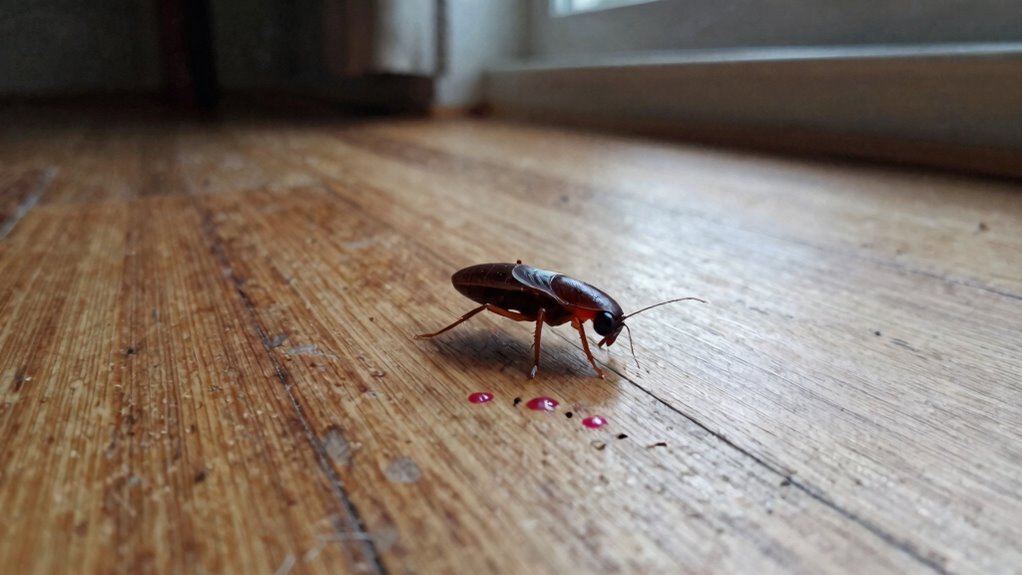
First, a flea lands and starts feeding, but host movement or clothing shifts cause a feeding interruption. The flea quickly repositions nearby, taking another bite a few millimeters away.
This process repeats, creating a line of 2–4 bites as the flea feeds in sequence. Each bite introduces more allergen, saliva antigens, intensifying the itch locally.
For effective pest control, target fleas at the source with topical treatments or sprays. Buying a fast-acting flea repellent can stop these bite patterns in their tracks. A chemical-free flea trap uses light and heat to attract and capture these pests without harsh odors.
Why Kids Are More Likely to Suffer From Flea Bite Itching?
Fleas don’t play favorites, but kids often suffer the worst itching. This happens because of two key factors: a child’s developing immune system and their history with pets.
A child’s immune system is still learning what is safe and what is not. When flea saliva enters the skin, it overreacts and floods the bite with histamine. That tiny red dot becomes a swollen, maddening welt. To stop this reaction, use a fast-acting flea treatment on your pet and a child safe antihistamine cream for the bite. For effective home control, choose food-grade DE that kills fleas on contact within 24 to 48 hours.
Kids who live with dogs or cats get bitten more often. Each bite primes their body for a bigger reaction over time. Adults, after years of flea exposure, often build up tolerance. Kids remain stuck in the itchy learning phase without that protection.
The best pest control approach is to treat your home and pet regularly. This breaks the flea life cycle and keeps the youngest human from paying the scratchy fare.
How Long Until the Maddening Itch Stops? (With and Without Treatment)
Without treatment, those flea bites will keep itching for three to seven days as your body clears the allergen. To stop flea infestations fast, consider using pest control sprays or powders on your pet’s bedding and carpets. Using fine-toothed combs during peak flea season can help remove adult fleas and eggs before they bite.
With an antihistamine or anti-itch cream, the maddening sensation usually settles within 24 to 48 hours. This cuts the misery time in half and gets you back to comfort quickly.
For anyone wondering, relief is either a short wait or a quick drugstore trip away. Picking up a topical cream or oral treatment can provide immediate itch control.
Untreated Itch Duration
Most people can expect flea bite itch to last three to seven days without treatment. Your immune system’s reaction determines how long that itch roller coaster runs.
During days one and two, the histamine response hits its peak intensity. You will feel an almost overwhelming urge to scratch like a possessed zombie.
Days three and four bring gradual relief as your body metabolizes flea saliva allergens. The itch begins fading naturally during this phase.
Days five and six see most swelling subside completely. Some residual redness may linger, but pest control products can speed this recovery.
By day seven, skin typically returns to normal unless scratching restarted the cycle. Your body eventually calls a truce without topical intervention.
Riding that untreated itch timeline for about a week means patience is key. Try not to derail healing with scratching, and consider professional flea prevention for lasting relief. Using a shampoo with contact-kill formulas ensures fleas die upon contact, preventing new bites from prolonging the itch cycle.
Treated Itch Relief Timeline
The untreated itch timeline is enough to make anyone consider drastic measures, like setting off a bug bomb in their own living room. With treatment, relief arrives much faster.
Antihistamines directly block the histamine release causing the maddening sensation, whereas topical steroids calm inflammation at the bite location. Most people feel significant improvement within 2–4 hours of treatment, with the itch fully gone in 1–2 days, far better than the week of misery without help.
For faster relief, many pest control pros suggest combining an oral antihistamine with a cooling hydrocortisone cream applied right at the bite site. This dual approach tackles both the internal histamine surge and the external swelling.
You can expect a mild reduction within the first hour, but the real win comes by hour four, when the itch feels noticeably calmer. From the 8 to 12 hour mark, the sensation becomes faint and occasional, allowing you to focus on other things.
By 24 hours, the itch is minimal, though a light touch of steroid ointment can keep it from flaring. At 48 hours, most bites are usually gone, leaving you free to skip the fogger and stick with simple spot treatments.
If you want to buy pest control sprays for the source, pair them with a soothing lotion for your skin, and you will cut the recovery time dramatically. Always read the label on any bug repellent or topical cream to avoid overuse, especially on sensitive areas.
The takeaway is that a proactive approach with antihistamines and steroid creams beats any waiting game. For those tempted by a full room fog, remember that targeted bite care plus routine surface sprays will end the misery in days, not weeks. To prevent future bites at the source, treating carpets with a residual flea powder that kills eggs and larvae for up to 12 months tackles the infestation before it reaches your skin.
Why the Itch-Scratch Cycle Spells Disaster
Flea bites often leave three small marks, which some people call breakfast, lunch, and dinner. This pattern delivers multiple doses of allergen saliva that trigger intense itching.
Flea bites often leave three small marks, which some people call breakfast, lunch, and dinner.
Scratching might feel logical in the moment, but it actually worsens the problem in several ways. Each scratch releases more histamine, which only makes the itch stronger.
Your fingernails scrape away protective skin layers, leaving raw and weepy areas vulnerable to infection. Rubbing also spreads flea saliva chemicals to healthy skin, expanding the inflammation.
This creates a feedback loop where itching leads to scratching, which leads to more itching. What starts as minor irritation can turn into a hot and angry rash.
To break the itch scratch cycle, use a fast acting anti itch cream or a cold compress instead of scratching. Plant-based sprays provide a safe way to eliminate fleas on pets and home surfaces without harsh chemicals. Professional pest control treatment can eliminate the source of fleas entirely.
If you need a flea exterminator for your home, targeted treatments stop the bites before they start. Remember that scratching is like putting out a fire with gasoline, it feels right for two seconds but makes everything burn worse.
What Happens If You Scratch Too Hard: Infection Risks You Should Know?
Frequent scratching can lead to impetigo, a crusty and contagious skin infection. For kids especially, this means more itching, more scratching, and possibly antibiotics. Nobody wants that.
The best pest control for your skin is to resist the urge to scratch. Keep nails short and hands clean to avoid introducing bacteria.
Apply a cold compress instead of scratching. Your skin will thank you, and so will your future, infection-free self. To address the underlying urge, a 1% hydrocortisone cream can quickly reduce the inflammation driving the itch, making it easier to leave the bites alone.
Antihistamines or Anti-Itch Creams: Which Stops a Flea Bite Faster?
Anti itch cream is best for one or two flea bites. It costs about $5 to $10 and works in minutes.
Oral antihistamine is better for widespread itching or hives. Expect to pay $8 to $15 for a month supply and it takes 30 to 60 minutes.
Combination therapy means using the cream instantly. Then take a pill for sustained control of the pest problem.
Downsides include creams not stopping histamine release. And pills do not numb surface itch directly.
Bottom line for fastest relief grab the cream. For persistent misery pair it with a pill like wearing both a belt and suspenders for your sanity.
Flea Bite Anaphylaxis vs. Normal Itching: When to Call 911
Most flea bites cause local redness and itching, but antihistamines usually take care of the discomfort. Anaphylaxis is a whole-body reaction with fast-spreading hives, trouble breathing, throat swelling, dizziness, or vomiting. Granular insecticides like Bifen LP and DeltaGard G can provide up to 90 days of flea control for outdoor areas. That is when 911 becomes the only treatment option, not a cream or pill. The flea life cycle means adults keep biting, but systemic reactions ignore normal pest control. If you are wheezing or your tongue feels thick, do not scratch and do not wait. Call emergency services immediately instead of trying home remedies. A minor bite cluster on your ankle can be treated with topical creams and antihistamines. A racing pulse and swollen lips are red flags that require urgent medical attention. Remember that itching is a manageable problem, but breathing is a priority. When in doubt, always err on the side of calling for help.
Frequently Asked Questions
Can Flea Bites Cause Scarring?
Flea bites can indeed leave scars, but only if you scratch them open.
Preventing scars starts with stopping the itch and avoiding any scratching.
Use a reliable anti-itch cream or calamine lotion to calm the bite immediately.
Keeping the area clean with mild soap reduces infection risk and promotes healing.
Consider a topical scar gel or silicone sheet if the bite has already broken skin.
For severe infestations, professional pest control eliminates the source of bites.
Vacuuming carpets and treating pets with veterinary flea products prevents future problems.
Do Flea Bites Itch More at Night?
Yes, flea bites often itch more at night because of how fleas operate. Flea allergy dermatitis, a hypersensitive reaction to flea saliva, is the main driver behind the intense itching.
Nighttime feeding patterns are the real culprit here. Fleas are most active during dusk and dawn, biting hosts while they sleep soundly.
Histamine floods the bite area, triggering those relentless itch signals. Scratching only makes it worse, breaking the skin and inviting infection.
These bites typically appear in clusters on your legs and ankles. Think of them as tiny, unwanted dinner guests that follow the flea’s nightly schedule.
To put a stop to this cycle, use an effective flea treatment for your home and pets. A professional grade flea spray or indoor fogger can eliminate fleas before they bite again.
For immediate relief, apply antihistamine creams or anti itch lotions. And if you spot fleas early, a fast acting flea killer on bedding and carpets breaks the infestation.
Bottom line: blame the flea’s schedule, not your imagination. Investing in a quality pest control product now saves you from sleepless, itchy nights later.
Can You Develop a Tolerance to Flea Bites Over Time?
Yes, you can develop a tolerance to flea bites over time, but it is not guaranteed for everyone. Your immune system may gradually weaken its response after years of exposure, which can reduce the intensity of itching and swelling.
Some people, especially those who get bitten repeatedly, find that their skin reacts less severely with each passing season. However, this desensitization is not universal, and many individuals remain highly sensitive to flea saliva for their entire lives.
Children often outgrow the most severe allergic reactions by the age of seven, while others continue to scratch at the same level well into adulthood. So, while your body might eventually chill out, you should not bet your comfort on it.
The smartest approach is to hope for tolerance, but always keep antihistamines and hydrocortisone cream on hand for immediate relief. For long term pest control, focus on breaking the flea life cycle in your yard and home.
Invest in quality flea treatments for your pets, such as oral preventives or topical spot ons, which stop bites before they start. Use indoor foggers or sprays with insect growth regulators to kill eggs and larvae, not just adult fleas.
If you are tackling a severe infestation, consider professional pest control services that target flea hotspots in carpets, pet bedding, and shaded outdoor areas. Many buyers also find success with diatomaceous earth or vacuuming daily to physically remove fleas and their eggs.
Remember that tolerance, if it happens, can take years and still leave you itchy after a heavy infestation. Pair your own immune adjustments with proactive flea control products to minimize exposure and keep your home bite free.
Why Do Flea Bites Swell More Than Mosquito Bites?
Flea bites swell more than mosquito bites because flea saliva contains a nastier mix of proteins. Your body launches a bigger allergic reaction to it, releasing more histamine and fluid around the bite.
That extra immune response causes more swelling, plain and simple. Mosquito saliva is mild by comparison, so it gets way less drama around the bite.
If you are dealing with itchy, swollen flea bites, professional flea control for pets and home is your best bet. A quality flea treatment spray or fogger can target fleas in carpets, bedding, and furniture.
Prevention with a vet approved flea collar or topical solution stops the problem before it starts. For heavy infestations, call a pest control expert to fully eliminate fleas and their eggs.
Fleas win the swelling contest, but that is not a trophy you want in your home. Smart pest management keeps both your skin and your peace of mind intact.
Is It Safe to Use Ice Directly on a Flea Bite?
Yes, it is safe to use ice directly on a flea bite when done correctly. The cold helps reduce itching and swelling by numbing the area.
For best results, wrap a cloth-wrapped ice pack or a bag of frozen vegetables in a thin towel. Apply it to the bite for 10 minutes at a time to avoid freezer burn.
This simple trick calms the histamine-driven nerve signals that cause the itch. It effectively breaks the scratch cycle without any chemicals.
When you are dealing with a flea infestation, instant relief from bites is just the start. For long-term control, you should also treat your pets and home with flea prevention products.
If you need a stronger remedy, pair the ice with an oral antihistamine for stubborn bites. This combination works wonders for severe reactions.
The bottom line is that ice is a cheap and drug-free solution for flea bite relief. It beats scratching until your skin looks like a connect-the-dots puzzle.


