
How much does termite treatment cost is one of the first questions you’ll ask when you spot those mud tubes or discarded wings. The short answer: most homeowners pay between $1,200 and $3,500, but the range runs from $500 for a simple liquid barrier up to $8,000 for tent fumigation.
Your final number depends on the termite species, your home’s size, and where you live—Formosan termites alone can add $500 to $1,500 to the bill. Foundation type and hidden damage can also shift the quote significantly, so don’t compare one price to another without considering those details.
This guide breaks down the real costs behind each treatment method and what drives those price differences. Read on to get a clear, practical estimate for your situation—without the sales pitch.
At A Glance
- Active infestation treatment costs range from $1,200 to $8,000.
- Liquid barrier treatments cost between $500 and $3,500 depending on home size.
- Bait station systems cost $800 to $3,500 installed, plus $300 to $700 annual monitoring.
- Structural fumigation for severe infestations costs $2,500 to $8,000.
- Annual termite inspections cost $75 to $150, preventing costly damage.
What Determines the Final Price of Termite Treatment?
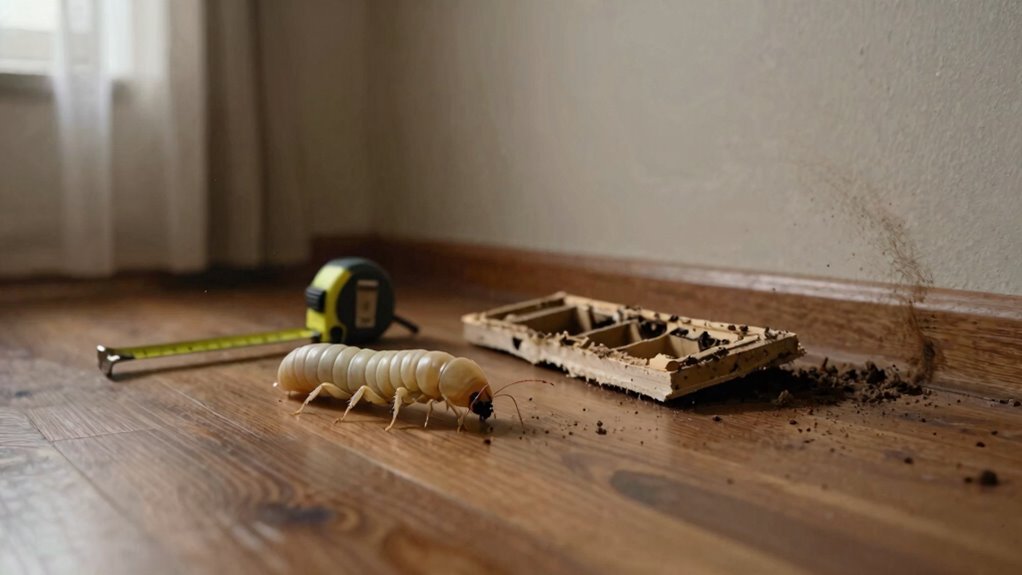
Regarding termite treatment, the final price is not a fixed number but a moving target shaped by several factors that vary from house to house.
First, the termite species matters. Formosan termites, the bulldozers of the bug world, require tougher and pricier pest control methods than common subterranean types.
First, the termite species matters. Formosan termites are the bulldozers requiring tougher, pricier pest control.
Bigger homes need more liquid barrier, more labor, and a heftier bill for a termite inspection and treatment.
Your foundation type throws in another curveball. Crawlspaces and basements add access headaches, while slabs simplify the job and keep costs down.
Geographic location plays its part as well. Warm, humid regions with aggressive termite colonies naturally drive up the price for a termite extermination service.
The severity of the infestation is key. A mild spot infestation runs a few hundred dollars, but widespread damage demands whole structure treatment.
Do not ignore damage repair costs. They can triple your total outlay if you have waited too long for termite control.
The bottom line is to expect variability, budget accordingly, and get multiple quotes from local termite companies. Additionally, choosing a treatment with borate-based preservatives can offer strong protection against termites while typically costing between $25-$50 per gallon.
Termite Treatment Cost Ranges by Method
Liquid barrier treatments form a chemical moat around your foundation. They cost $500 to $3,500 depending on home size and region. This toxic underground shield prevents termites from crossing into your home. It is a common choice for effective termite control. Bifenthrin-Plus C Insecticide offers a long-lasting barrier with low odor and is safe for indoor use.
Bait station systems range from $800 to $3,500 for installation. You also pay $300 to $700 annually for monitoring fees. These stations lure colonies into poisoned snacks instead of drenching the soil. They offer a targeted approach to termite management.
For severe drywood infestations, structural fumigation is the nuclear option. The process seals your house and pumps gas throughout. Costs hit $2,500 to $8,000 and kill every pest inside. It is a powerful solution for total termite elimination.
Liquid Barrier Treatments
A trench, a rod, and a whole lot of pesticide. That is the typical image for the most common termite defense.
Liquid barriers create a continuous chemical wall in the soil. They effectively stop subterranean termites from reaching your home.
Costs for this professional termite treatment range from $500 to $3,500. The final price depends on home size and your region.
Environmental impact varies by product. Modern formulas like Termidor break down slowly and reduce runoff.
An initial liquid barrier application costs $500 to $3,500. Larger homes will be on the higher end of that range.
Annual renewal fees average $200 to $500. Some warranties cover these renewal costs, so check the fine print.
Newer non repellent chemicals target termites only. This lowers the environmental impact significantly. For example, Termidor contains fipronil as its active ingredient for contact and colony-wide control.
Warranty options often include retreatment if termites breach the barrier. Always read the fine print before signing.
The bottom line is that liquid barriers are reliable and cost effective. They provide a solid first line of defense for your home.
Bait Station Systems
Bait station systems are the slow-and-steady option for termite control. They cost $800 to $3,500 installed, plus $300 to $700 yearly for monitoring.
Think of them as a patient bouncer who slowly kicks termites out, rather than nuking them on sight. For sustainable pest control, these stations use bait to poison the colony over months.
This approach is ideal for large properties or light infestations under slabs. A DIY bait station is not recommended; professional placement is key to hit the queen.
Annual fees cover inspections and refills, so neglect them at your home’s peril. These stations are bulky for severe cases, but they prevent damage with minimal chemical use.
How much does termite treatment cost? Here, you pay for patience, effective but not instant.
Bottom line: pick baits for budget-friendly, long-term defense.
Regular checks every three to six months ensure bait remains fresh and stations are still effective.
Structural Fumigation Costs
Structural fumigation is the nuclear option for severe drywood termite infestations, costing $2,500 to $8,000.
It involves wrapping your house in a giant airtight bag and pumping it full of gas.
The fumigation duration typically lasts 24 to 72 hours, plus another 24 hours for airing out.
You must vacate for three to five days while your home marinates.
This method is the only one guaranteed to kill every termite, even those hiding deep in walls.
Costs scale with house size, so a 2,000-square-foot home averages $4,500.
Fumigation is not for spot problems and is overkill for minor infestations.
It is perfect when you find termites in your guitar collection, true story.
Use structural fumigation only when tenting is worth the chaos.
Otherwise, you are paying for a solution that is as dramatic as it is effective.
How Your Home Size Affects Termite Treatment Cost
Size is the biggest factor in how much you pay for termite treatment. It directly impacts the product and labor your pest control professional needs to use.
A larger home means more trenches, more bait stations, and more time on site. For a 1,200-square-foot home, a liquid barrier treatment might cost between $800 and $1,200.
A 3,500-square-foot house can jump 15 to 25 percent higher. Think of it like buying paint: a single gallon won’t cover a mansion.
Before you panic over a quote, check your floor plan. That square footage number is often the real culprit, not the termites themselves. Professional pest control technicians often use pin-type moisture meters to check hardwoods for hidden dampness that attracts termites.
Why Your Location Can Add Hundreds to the Bill
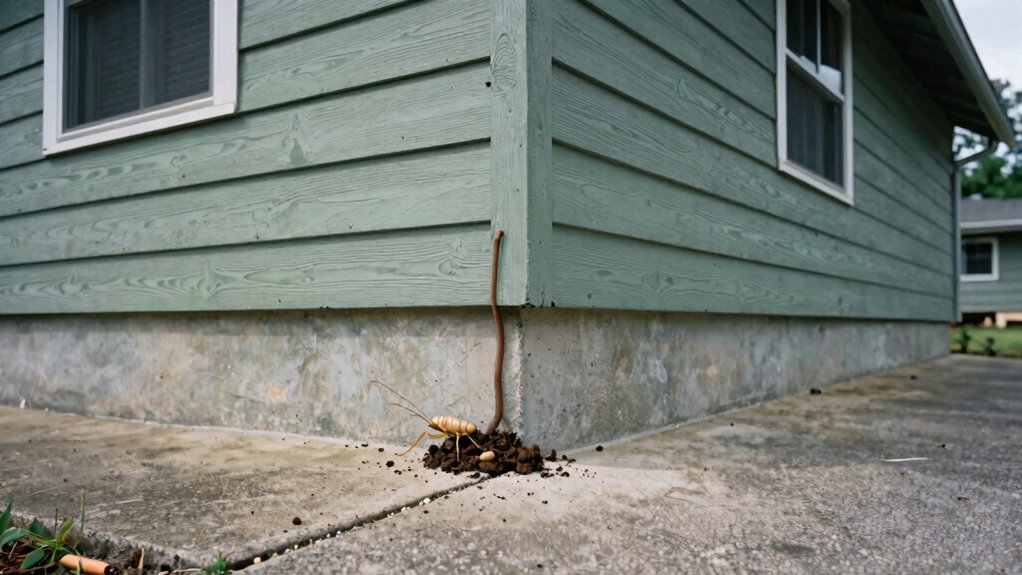
Geography plays a big role in termite treatment pricing, and regional pest problems often set the starting cost. Warmer climates like the Southeast and Gulf Coast frequently have aggressive Formosan termites, which require specialized treatments that add $500 to $1,000 to the average bill.
Urban labor markups in cities such as New York or Los Angeles then add another 10% to 15%, making a simple quote reflect local costs. If you are looking for termite control near me, understanding these factors helps you budget for a quote.
In these high-risk regions, choosing a spray with a long-term barrier solution can reduce repeat treatment frequency by providing residual protection that lasts up to six years in soil, offsetting some of the regional cost premium.
Regional Pest Prevalence
No two termite species are created equal, and your zip code basically dictates which uninvited guest shows up. In warm, humid zones like the Gulf Coast, aggressive Formosan termites dominate, forcing costlier whole-structure treatments.
Meanwhile, drier regions might only see scattered subterranean colonies, which are easier and cheaper to tackle. This regional disparity isn’t just about bugs; it’s about your wallet and pest control budget.
Formosan infestations often require fumigation, adding $2,000 to $5,000 over standard barrier services. Termite migration patterns mean coastal states face perennial pressure, driving up demand and local treatment quotes.
If you’re searching for termite control near me in a high-pressure state, expect those premium rates. In contrast, rural areas might lack specialized equipment, so travel fees get tacked onto your final estimate.
Local exterminator availability swings pricing hard, and fewer pros means higher bids, plain and simple. For termite inspection costs, a rural quote can jump by 15% just to cover the drive.
Your state’s termite map shows hot zones, so use it to anticipate a $300 to $1,500 regional surcharge before you even treat. Budget that extra buffer if you’re booking a termite treatment plan in a coastal or humid region.
Bottom line: check your state’s infestation data first, then compare at least three local pest control quotes. That way, you won’t be blindsided by regional pricing when you need fast termite removal.
Climate and Treatment Costs
Warm, humid climates basically roll out the welcome mat for termites year-round, so homeowners in those zones often pay $300 to $1,500 more than the national average.
That weather impact means hot, wet conditions fuel more active colonies and extend termite seasonality, which pushes treatment costs up and demands more frequent follow-up visits.
High humidity alone adds $300 to $700, while a long warm season of nine-plus months tacks on another $400 to $800.
Frequent rain or flooding can raise quotes by $200 to $500, and Formosan termite pressure is the biggest driver at $500 to $1,500 extra.
Dry climates can actually lower your bill, since swarms are shorter and reinfestations are less common.
But if you live in the muggy South, expect higher estimates and plan for ongoing termite protection plans rather than one-off spot treatments.
Your local weather isn’t just small talk at the barbecue; it’s a real price factor tied to soil moisture, colony density, and wood-damage risk.
Ask your inspector directly how termite seasonality in your zip code affects the cost of a liquid barrier or bait station installation.
For the most accurate quote, request a termite inspection that accounts for your region’s rain patterns and average temperatures.
That way, you get a treatment plan that matches your actual exposure, not a national average that ignores your backyard’s humidity.
Urban Labor Markups
City sprawl carries a hidden surcharge, and it’s not just for parking or overpriced coffee. Professional termite control follows the same rule in urban areas like New York or Los Angeles.
Urban areas add 10% to 15% to the national average because of higher operating costs. These urban markups stem from pricier real estate, steeper insurance, and more traffic.
All of this drives up labor premiums, the extra hourly charges companies pass along for pest control services. Here is why your location can tack on hundreds to your termite inspection bill.
City workers demand more pay, inflating every quote you receive for pest treatment. Parking and permits can add $50 to $150 per job for the exterminator.
Dense neighborhoods mean slower, costlier routes for the service crew. Fewer national chains in urban cores mean local pros charge more for their expertise.
A quote in Manhattan might run $400 over rural rates, just for being there. Understanding these urban labor markups helps you budget better for professional pest control.
Preventive vs. Active: Termite Treatment Cost Differences
Preventive termite treatment costs range from $800 to $2,500 upfront, plus $200 to $500 each year for ongoing protection.
An active infestation treatment runs $1,200 to $8,000, with structural damage repair adding another $3,000 to $8,000 on average.
The choice is simple: pay less now for prevention or pay much more later for repairs.
An annual termite inspection costs just $75 to $150 and can save you thousands.
Schedule a free pest control quote today to protect your home.
It beats paying for a buffet of your own house.
How Repair Costs Stack Against Treatment Prices
Repair costs from termite damage tower over treatment prices, often by a factor of three to ten. That $2,000 treatment bill feels steep until a contractor quotes $15,000 to fix compromised floor joists.
Repair costs for termite damage can be three to ten times higher than treatment prices.
Structural repairs hit harder each year. Replacing sagging beams costs $200 to $500 per joist, while a single drywall patch runs $200 to $800.
Roof damage from timber eating colonies can run $3,000 to $12,000. That is more than a new preventative treatment system would have cost every decade.
Repointing masonry after termite weakened mortar expects $1,500 to $5,000. And that assumes no further hidden destruction is found.
Worst case, foundation repairs average $5,000 to $25,000. These often require temporary home displacement for the work to be done.
The math is simple. Spend $1,500 on termite treatment now instead of $10,000 in repairs later. By investing upfront, you save a heap of money and stress. For lawn pests, applying a season-long control product like Scotts GrubEx1 can prevent costly root damage that mirrors termite repair bills.
What a Fair Termite Quote Should Include
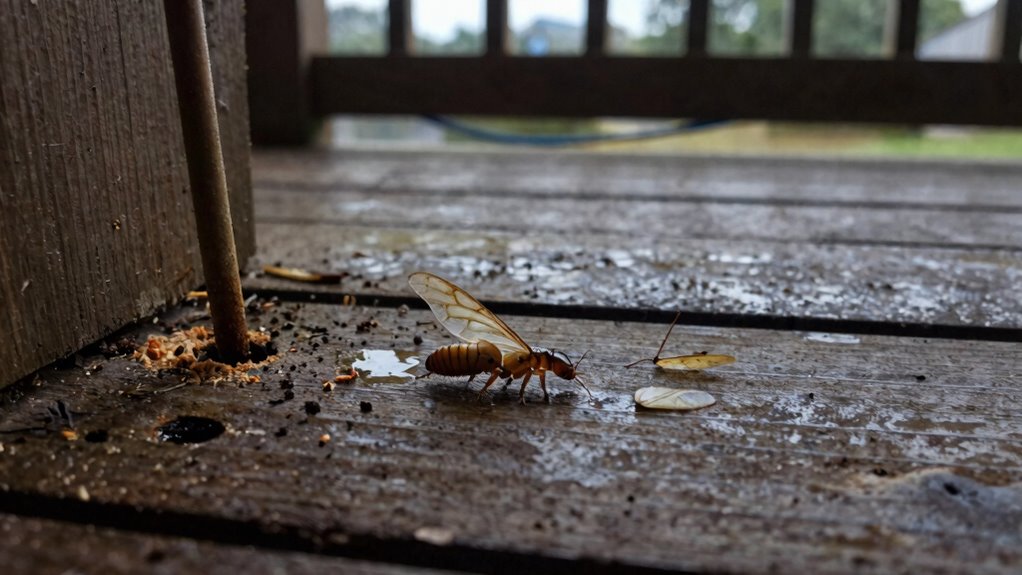
A fair quote breaks down exactly what you are paying for with no surprises. It lists the treatment type, products like Termidor or bait stations, and labor costs.
The inspection fee is often free and should be clearly stated. Warranty terms must also be included in writing.
Watch for price variation because quotes for the same home can differ by 30% to 50%. Always get three quotes to compare.
A good quote specifies the termite species because Formosan control costs more than subterranean. It also notes your home’s foundation type, such as slab or crawlspace.
Regional cost factors like higher rates in Florida should be shown. Skip vague promises and ask for a written breakdown.
The bottom line is that a fair quote explains why it costs what it does. It does not just show how much.
Ensure the treatment plan lists broad-spectrum pest coverage to target multiple insect types beyond just termites.
Why Skipping a Pro Inspection Can Double Your Bill
A fair quote is a good start, but skipping the professional inspection that creates it often leads to paying double. Without an inspection, you are guessing about termite species, infestation severity, and hidden damage. This guesswork leads to ineffective spot treatments and repeat visits. That simple $500 job can balloon into a $2,500 headache.
Spot treatments for subterranean termites will not touch Formosan colonies, so you pay for costly re-treatment. Uninspected crawlspaces hide structural rot that adds expensive repair bills later. Liquid barriers fail against drywood termites, wasting $1,500 on bad chemistry. Most pest control companies require an inspection for their warranty, and skipping it voids your coverage.
Proactive prevention beats reactive panic and truly saves you money. Annual renewal inspections catch new colonies early, keeping your bill predictable. The bottom line is simple: pay $100 for an inspection now, or risk doubling your costs later.
Frequently Asked Questions
Can I Get a Warranty With Termite Treatment?
Most termite treatment companies offer transferable warranties on liquid barriers or bait stations. These guarantees can make your home more attractive to future buyers if you decide to sell.
Structural fumigation often lacks a repeat treatment guarantee because it is a one shot process. You pay for the service and the tenting, and that is typically the end of the commitment.
Always read the fine print on any pest control warranty. Some guarantees explicitly exclude damage repair from past or future infestations.
The bottom line is that a warranty protects your investment in termite control. Just do not expect it to cover new infestations caused by ignored cracks in your foundation or unsealed entry points.
How Long Does Termite Treatment Typically Last?
Termite treatment longevity really depends on the method you choose and your home’s construction.
A good liquid barrier, like Termidor, typically protects a slab home for about five to ten years.
Bait stations, in contrast, need constant monitoring and quarterly replenishment to stay effective.
Post treatment monitoring is just as important as the initial application, because no treatment lasts forever.
Spot treatments fizzle fast, often lasting only a year or two before termites find a new entry point.
For a crawspace house, you should plan on redoing that liquid barrier sooner than the five year mark.
Longer warranties usually mean longer protection, so pick a plan that outlasts your procrastination.
Ask your pest control pro about retreatment schedules and annual inspections to keep your home termite free.
Look for companies offering warranties of at least five years, and read the fine print on transferability.
This helps you make a smart purchase and ensures your investment covers buyer intent like “lasting termite control” and “reliable pest defense.”
Does Homeowners Insurance Cover Termite Treatment?
Coverage limits may apply for sudden, accidental damage like a tree falling through the wall. However, they will not cover gradual termite nibbling.
That means your homeowners insurance won’t pay for termite treatment. You should skip the claim and budget for professional pest control instead.
Investing in a termite inspection and local exterminator services is a smart move. Your wallet will thank you for choosing proactive termite prevention over costly repairs.
Are There Any DIY Termite Treatment Options That Work?
Can you really get rid of termites with DIY products? The short answer is mostly no, especially for active infestations.
Natural repellents like orange oil might discourage a few termites. But they will never eliminate a termite colony hiding in your walls.
Borate barriers applied to bare wood in crawlspaces can prevent future damage. However, these termite control products require exact mixing and cost around $50 to $100 per gallon.
The problem is that borate treatments don’t reach hidden colonies deep in your home. For active termite treatment, spot applications from pros usually cost $150 to $500.
A missed nest means you’ll pay more for repairs later. Professional pest control saves you money long term and ensures complete colony elimination.
If you want a smart purchase for prevention only, a borate barrier may work on exposed wood. But for peace of mind, a termite inspection and professional treatment is your best bet.
What Is the Cost Difference Between Fumigation and Heat Treatment?
Fumigation runs $2,500 to $8,000 for whole-structure treatment, while heat treatment costs $3,000 to $6,000 on average.
Heat treatment is highly effective for drywood termites, but it fails if insulation or clutter blocks heat penetration.
Mismanagement during heat treatment can cause structural damage like warping, so precision matters.
Fumigation penetrates deeper into hidden cracks, but it requires tenting and a 24 hour gas off period for safety.
For hidden infestations, fumigation wins because it reaches every void and wall void.
For spot issues, heat spares the tenting hassle and is faster for localized drywood termite control.
Go with fumigation if you need the nuclear option for widespread termite damage.
Choose heat treatment if you want a chemical free pest control solution for accessible areas.


