
This American cockroach identification guide will help you spot the largest home-invading roach in the US before an infestation takes hold. At 1.5 to 2 inches long, with a pale yellow band behind its head, this pest is unmistakable.
A single female can produce over 150 offspring, and if you see them during daylight, the problem is already serious. Keep reading for the top products that will eliminate these invaders fast.
At A Glance
- Largest house-infesting roach in the US, reaching 1.5 to 2 inches long.
- Pale yellow band across the pronotum behind the head is a key marker.
- Reddish brown body contrasts sharply with the pale yellow band.
- Males have longer wings and a tapered abdomen; females have broader abdomens.
- Daytime sightings indicate a serious infestation requiring immediate action.
Why the American Cockroach Is the Largest House Invader in the US
The American cockroach is the largest house infesting roach in the US, regularly reaching 1.5 to 2 inches in length. Those long, twitchy antennae add to its imposing appearance, but they are not included in that measurement.
The American cockroach is the largest house infesting roach in the US, regularly reaching 1.5 to 2 inches in length.
This insect adapted to warmer, humid environments, which favored larger bodies for better survival. A bigger size helps it find food and escape predators more effectively.
Professional pest control experts know that its size allows it to thrive in sewers and basements. Smaller roaches often struggle in these damp, dark areas where this invader flourishes.
If you spot a roach that large, you likely need immediate pest treatment rather than a store bought spray. Contact a local exterminator for a thorough inspection and removal plan.
Its size is not a mutation but a result of natural selection over time. The bottom line is that a roach this big is almost certainly an American cockroach and a serious household invader. Many homeowners find that similar to ant infestations, slow-acting poison is critical for eliminating hidden colonies.
How to Spot the American Cockroach’s Yellow Band Behind Its Head
Behind the head of the American cockroach, look for a pale yellow band across the pronotum. That shield like plate sits just behind its neck and is a key ID marker.
This yellow band along the pronotum margin is a dead giveaway. If you see that creamy stripe, you have found the biggest roach in US homes that requires professional pest control.
No other house invading roach sports this exact yellow band. The color ranges from pale yellow to cream and contrasts sharply with the reddish brown body.
That bright margin is nature’s little joke, a tiny warning flag. It is a reliable spot to confirm before panic sets in.
Remember the yellow band behind the head means American cockroach for sure. Keep this in mind when buying roach baits or scheduling an exterminator appointment.
Simple as that, regardless of whether your first instinct is to grab a shoe. Spotting that band means it is time to take action against a large indoor pest.
What American Cockroaches Eat: and Why They Never Stop Feeding
Once you have spotted that telltale yellow band, the next logical worry is what this critter actually eats. The answer, frankly, is everything. American cockroaches are omnivorous scavengers, meaning they chow down on almost any organic matter, indoors or out.
Outdoors, they feast on fungi, decaying leaves, wood particles, and even dead insects. Indoors, the menu expands drastically to include meats, grease, sweets, paper, book bindings, cosmetics, leather, hair, wallpaper paste, and pet food. They are not picky, and they never stop. Their continuous feeding is a full-time job, driven by a need to find and devour any available source. Using a product like boric acid powder disrupts their digestive and nervous systems, leading to dehydration and death within 24 to 72 hours.
This constant eating contaminates surfaces and food, spreading over 20 different bacteria and pathogens. They are not just hungry. They are a health hazard with an endless appetite.
Where American Cockroaches Live Indoors and Outdoors
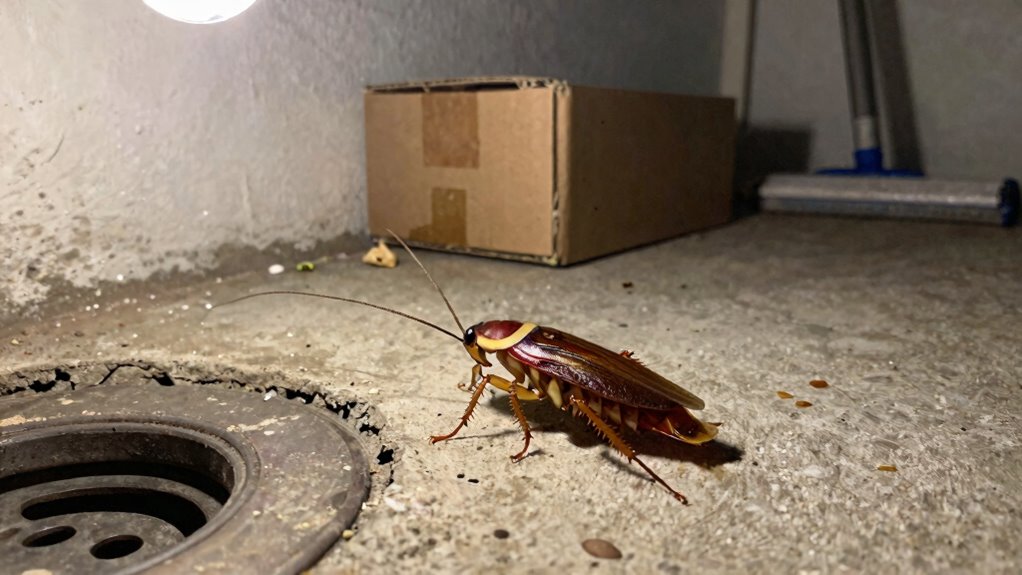
Indoor hotspots include basements, boiler rooms, and steam tunnels, where warmth and moisture collect.
Crawl spaces and drains also offer the dark, damp shelter they prefer.
They slip in through plumbing pipes, wall cracks, and foundation gaps, especially near leaky fixtures.
A persistent drip is like a welcome mat, so fixing leaks is your first line of defense.
Sewers act as their underground highways, linking outdoor colonies to your indoor living spaces.
That means a single roach sighting often signals a larger infestation hiding nearby.
Outdoor hangouts like mulch, pine straw, and flower beds give them cover right next to your foundation.
Under rocks, woodpiles, and garbage, they find food and moisture to thrive.
Shrubs, leaf litter, and compost piles are prime breeding zones, so keep them trimmed and dry.
Storm drains and manholes are also common staging areas, so seal any gaps where pipes enter your home.
For effective pest control, inspect your exterior for cracks and install door sweeps.
A professional roach exterminator can treat both indoor harborages and outdoor nesting sites to break the cycle.
If you need fast roach removal, ask about baiting and residual sprays that target these exact hiding spots, such as Harris Liquid Insect Killer Spray which offers weeks-long residual protection and is odorless and non-staining.
Taking action early prevents a small problem from becoming a full-scale invasion.
How to Find American Cockroach Hiding Spots in Your Home
To find American cockroach hiding spots, start in kitchens and bathrooms where warmth, dampness, and food crumbs create ideal conditions.
For effective pest control, check under sinks, behind refrigerators, and inside cabinets for signs of infestation.
Basements and crawl spaces are prime real estate for these pests, as dark, humid areas mimic their natural outdoor habitats.
Professional cockroach extermination often targets these zones first to stop an infestation from spreading.
Do not forget to check sewers and drains, since these pests travel up through plumbing to investigate your home.
Applying a waterproof dust in these damp areas ensures the treatment remains effective despite moisture or humidity.
Seal cracks near pipes and install drain covers to reduce cockroach invasion risks and save on costly extermination services.
Kitchen & Bathroom Areas
| Hiding Spot | Why They Love It |
|---|---|
| Under sinks | Damp pipes, leaks, and dark shelter |
| Behind appliances | Warm motors, grease, and forgotten crumbs |
| Kitchen cabinets | Food storage, spilled spices, and cardboard |
| Bathroom drains | Humidity, biofilm, and easy escape routes |
Check under refrigerators, dishwashers, and stoves too. These roaches flatten themselves into cracks as thin as a dime.
A flashlight and a sticky trap are your best friends for cockroach inspection. Seal every gap around pipes and drain lines.
If you spot one during the day, you have a serious infestation happening behind the walls. For effective pest control, use caulk to close off entry points.
Routine kitchen pest prevention includes wiping spills and fixing leaks. In bathrooms, drain maintenance reduces biofilm and humidity.
Buyer intent for roach elimination means acting fast on these hiding spots. A professional inspection can target these warm, dark areas.
Basements And Crawlspaces
Start in the basement, where American cockroaches throw their biggest house party. These pests love dark, humid corners near damp soil or leaky pipes.
Check around floor drains, sump pumps, and utility lines. They squeeze through tiny cracks like it’s an Olympic sport.
Crawlspaces are prime real estate too, especially where vapor barriers are torn or missing. That plastic sheet isn’t just for moisture control.
It’s your first line of defense against pest infestations. Think of it as a bouncer for roaches during a professional home inspection.
Here’s what to probe: corners where the barrier meets the foundation. Also check any stacked boxes, wood, or insulation.
Look for openings around HVAC ducts and seal those gaps. Patching rips and drying out wet zones will complete your cockroach control plan.
Roaches need dampness like you need coffee. They’re useless without it, so moisture management is key for long term prevention.
Bottom line: inspect quarterly, seal faults, and you’ll cut their party short. For effective pest prevention, treat these areas with home maintenance priority.
Applying perimeter pest control granules in a dry 6-10 foot band along the foundation can create a residual barrier that targets these crawling insects and reduces entry points.
Sewers And Drains
Floor drains often have cracked pipe seals that attract roaches with grease stains and droppings.
Kitchen sink drains with loose flanges show oily sheen on the water surface, signaling a pest entry point.
Bathroom drains with unused overflow slots release a musty sweet odor, a common sign of cockroach activity.
Laundry room drains with failed P-trap gaskets often have dead roaches near the grate, indicating a recurring problem.
If you see one crawling up from a sink, do not panic but seal that gap with a drain cover or silicone caulk.
This simple pest control step costs less than a full infestation treatment and protects your peace of mind.
The bottom line is to keep drains dry when possible and block those roach highways for good.
A dry drain is your best defense against cockroach infestations and other pest problems.
For persistent issues, consider applying a permethrin yard spray that provides a long-lasting residual barrier against crawling pests.
Male vs. Female: What’s the Difference in Wings, Abdomen, and Styli?
The difference between male and female American cockroaches is subtle but worth noting. Especially if you are trying to identify a pest control issue in your basement.
Males have slightly longer wings for short gliding trips. Their abdomen is thinner and tapered. Females have a broader, heavier abdomen for egg production. They can produce over 150 offspring per lifetime, which matters for infestation management.
Both sexes carry cerci at the rear. Males alone sport tiny styli between them, like miniature antennae for mating.
Check the belly for a quick pest identification. A lean look plus styli means male.
A wider shape without them means female. Spotting the difference helps you gauge infestation potential quickly.
If you see a slender roach with extra rear doodads, it is a male. This means he is likely exploring, not laying eggs.
When targeting either sex, using indoxacarb baits ensures the poison spreads through the colony after ingestion.
What’s Inside an Ootheca? American Cockroach Egg Cases, Incubation, and Nymphs

Forget the wing and styli drama for a moment. The real story of American cockroach reproduction starts inside an ootheca, which is just a fancy word for an egg case.
This purse shaped capsule boasts a tough, ridged exterior. Classic egg case structure protects about 14 to 16 eggs.
But here is the kicker. Under perfect conditions, a single female might drop up to 40 capsules in her lifetime.
Inside, warmth and humidity do the heavy lifting. Incubation lasts roughly six weeks.
Then out pop tiny, ghost white nymphs. They darken to reddish brown within hours.
Nymph development starts immediately, no waiting for a growth spurt. These miniature roaches look like wingless adults, just smaller and hungrier.
They will molt multiple times. Wings are not yet present, so save that drama for later.
If you spot these egg cases in your home, professional pest control can stop the cycle early. American cockroach infestations often start with hidden oothecae in warm, damp areas, and 395nm wavelength UV light can reveal their exact locations during inspection.
How Long Does It Take to Grow From Nymph to Adult American Cockroach?
From ghost white nymph to winged adult, the American cockroach takes its sweet time, usually six to twelve months. That’s right, you won’t see a new generation crashing your kitchen overnight, which is oddly reassuring for anyone worried about a sudden infestation.
This long journey depends heavily on temperature, humidity, and food availability, so it’s not exactly a race. If you’re planning pest control services, knowing this timeline helps you target prevention before adults ever take flight.
Here’s what happens step by step, and each stage offers a window for cockroach treatment.
First, egg incubation lasts about 1.5 months, with the female carrying her ootheca until the eggs are ready to hatch into pale nymphs.
Second, nymph molting happens repeatedly, typically 10 to 13 times, as the roach sheds its skin to grow larger, each molt taking days to complete.
During this phase, professional extermination can interrupt growth, but you’ll need to act before the final molt.
Third, the final molt produces a winged adult capable of reproduction, marking the end of this six to twelve month slog.
Once adults appear, roach control becomes more urgent because they breed fast and spread quickly.
For homeowners seeking a permanent roach killer, the key is breaking the cycle early, not waiting for visible adults.
If you’re comparing pest control companies, ask about treatments targeting nymphs and egg casings, not just adults.
That long development means a single missed batch can resurface months later, so follow-up inspections matter.
With the right cockroach extermination plan, you can end the cycle before the next generation ever molts into wings.
Why One Female American Cockroach Can Produce Over 150 Offspring
Reproduction math with the American cockroach is frankly intimidating. A single female’s lifetime output hinges on two things: egg case production and nymph survival rate.
She doesn’t just lay one capsule. She drops multiple oothecae, each holding 14 to 16 eggs, over several months.
That is where the number climbs past 150, even with losses. A female can produce 10 to 15 egg cases in her lifetime.
Each case holds 14 to 16 eggs, sometimes up to 40. This means over 150 potential offspring from one female.
Nymph survival rate stays high near food and humidity. Indoors, up to 80 percent reach adulthood.
Generation speed is just 6 to 12 months to maturity. This leads to rapid population stacking in your home.
If you see one roach, call a pest control expert for an inspection. Fast action stops a full infestation before it starts.
Use targeted baits and sprays to break the egg case cycle. Fipronil-based gels offer fast knockdown and long-lasting residual protection against developing populations. Professional treatment ensures you eliminate both adults and nymphs.
Health Risks of American Cockroaches: Bacteria, Allergens, and the Strong Smell
Scientists have identified over 20 different bacteria, viruses, and pathogens on American cockroaches, including salmonella and E. coli. These pests track germs from sewers onto your kitchen counters and uncovered food. A roach gel bait containing a growth regulator can prevent these pests from reproducing and spreading further contamination. Their shed skin, droppings, and saliva break down into airborne allergens that trigger sneezing, itchy eyes, and asthma attacks. Calling a professional for cockroach treatment can reduce these health risks in your home. When an infestation grows large, the cockroaches produce a strong, unpleasant odor that can permeate an entire building. Quick pest control action helps eliminate the smell and prevent further contamination.
Bacteria and Pathogens
The list of bacteria and pathogens carried by American cockroaches includes Salmonella, E. coli, and Staphylococcus aureus. These insects act as mobile vectors for pathogen transmission directly from sewers and drains.
Their filthy habitats cause them to track microbes onto countertops, food, and utensils. Salmonella and E. coli cause severe food poisoning, vomiting, and diarrhea after a roach touches your kitchen.
Staphylococcus aureus commonly found on their bodies can trigger skin infections and respiratory issues. Giardia and Shigella are parasites that cause gastrointestinal diseases when roaches vomit or defecate near food.
In short, they are six-legged biohazards. Contact a pest control professional for roach removal and prevention tips to keep your home safe, and consider using natural botanical sprays as a safer alternative around food prep areas.
Allergens and Odor
Despite the fact that you scrub your counters spotless, American cockroaches can still ruin your indoor air. Their allergen distribution is the real problem. Those proteins hitch rides on dust particles, settling into carpets, bedding, and ventilation. This triggers itchy eyes and sneezing fits, even if you never see a live roach.
Then there is the odor intensity, which ramps up fast with big populations. They secrete a greasy, musty scent from their bodies and droppings. That smell clings to walls and fabrics like a bad houseguest. That odor is not just nasty. It is a clear signal you need professional pest control services.
You may have hundreds, maybe thousands, hiding in your home. The fix is straightforward. Seal cracks around baseboards and pipes to block entry points. Then call a local exterminator for a thorough treatment plan.
Bottom line. If you are wheezing or your kitchen smells off, do not blame the trash. These bugs are the culprit, and they are not subtle about it. Schedule a pest inspection today to eliminate the source and improve your indoor air quality.
When American Cockroach Mass Migrations Happen: and What Triggers Them
Mass migrations of American cockroaches are not random chaos. They are survival-driven events triggered by specific environmental changes.
Mass migrations of American cockroaches are not random chaos—they are survival-driven events.
These pests flee en masse from overloaded sewer plumbing when conditions turn hostile. Population surges happen when three key factors align.
The first trigger is climate extremes. Extreme heat, cold, or drought force roaches out of sewers and into homes.
A sudden downpour can flood their underground tunnels. This sends them scrambling upward through drains.
The second trigger is food scarcity. When outdoor food sources dry up, large groups abandon sewers to find crumbs, pet food, or garbage indoors.
They will even eat wallpaper paste, though that is a pretty desperate career move.
The third trigger is overcrowding. Rapid reproduction overwhelms sewer habitats.
When too many roaches compete for space, some get kicked out. Think of it as a rent-controlled apartment with no lease.
These migrations often happen overnight. If you spot dozens near drains, check your plumbing fast.
For professional pest control services, inspect your basement and crawlspaces immediately. An infestation treatment should target sewer connections to prevent future invasions.
Frequently Asked Questions
Can American Cockroaches Fly Into Homes From Outside?
Yes, American cockroaches can fly into homes from outside, especially during warm weather when seasonal flights are common. Their wings permit short distance gliding, making home invasion possible through open windows, doors, or gaps.
They seek food, dampness, or shelter indoors. Although not skilled fliers, they are persistent. A crack or an open window is an invitation they will accept.
To stop them, use professional grade pest control solutions like crack and crevice sprays or granular baits near entry points. For ongoing prevention, consider a perimeter barrier treatment or sealing gaps around doors and windows.
If you suspect an infestation, a fast acting roach killer or professional pest control service can eliminate the problem quickly. Look for products labeled for outdoor to indoor prevention to target their flight patterns.
Buy a quality insecticide with residual protection now to block these flying pests before they settle in your kitchen or bathroom.
Do American Cockroaches Bite Humans or Pets?
American cockroaches rarely bite humans or pets, though it can happen if food is scarce or in heavy infestations. American cockroach bite symptoms are mild, usually a small red bump that heals quickly, similar to a mosquito bite.
Preventing roach bites simply means sealing food, cleaning crumbs, and fixing leaks. They prefer garbage, not skin, so your pet’s kibble is more at risk than their paws.
If you’re dealing with a heavy cockroach infestation, professional pest control treatments or high-quality roach baits and gel baits are your best smart purchase. Look for products with proven active ingredients like fipronil or hydramethylnon to target scavengers directly.
Keep your kitchen dry and tidy, and routinely empty trash bins with tight lids. These roaches are more scavengers than biters, saving you a real worry about your family or furry friends.
For ongoing protection, consider insect growth regulators (IGRs) that break their life cycle, plus exclusion tactics like caulking baseboards and door sweeps. A clean home plus a reliable roach killer spray creates a solid defense line.
Bottom line: bite risk is low, but a proactive roach control plan keeps your space comfortable and safe. Choose a trusted brand with good reviews, and you’ll sleep easier knowing these pests stay away from you and your pets.
How Can I Tell an American Cockroach From Other Roach Species?
The American cockroach stands out by its size and color patterns, making it easy to distinguish from other roach species. It is the largest house-infesting roach, reaching 1.5 to 2 inches in length, so if you spot a monster scurrying across your floor, size is your first clue.
Look for a reddish-brown body with a glossy sheen and a distinct yellow band behind the head, which is its key ID mark. Other roaches lack this flashy collar, so that bright marking is your best visual shortcut for pest identification.
It also has long wings for short flights, though it prefers to run and hide rather than fly toward you. If the roach is smaller, darker, or has different markings, you are likely dealing with a German roach, Oriental roach, or wood roach instead.
For homeowners seeking targeted pest control solutions, knowing the species is the first step to buying the right roach killer, such as gel baits, traps, or insect growth regulators. If you need elimination fast, focus on products labeled for American roaches, since general sprays may not penetrate their hiding spots near drains and basements.
To get the best results, pair a high-quality roach bait with a residual spray, and always seal cracks around pipes and entry points. This buyer-intent approach saves money and avoids repeat infestations, ensuring your space stays protected without guessing games.
What Is the Best Way to Kill American Cockroach Eggs?
The best way to kill American cockroach eggs is to crush them or use a vacuum. Egg viability is high, so thorough treatment methods are essential for effective pest control.
A simple, satisfying crunch works, but for large infestations, seal the ootheca in a bag and freeze it for 48 hours. This kills the eggs without chemicals, making it a safe pest control solution for your home.
Just remember, a single crushed egg case can save you from 150 future roaches. Check dark, humid spots like under sinks and behind appliances to find and remove them.
For a reliable pest control product, consider a targeted roach killer spray or gel bait to prevent hatching. Buying a quality vacuum with a HEPA filter also helps you capture and dispose of eggs without spreading allergens.
Why Do American Cockroaches Suddenly Appear in Large Numbers?
American cockroaches suddenly appear in large numbers as a result of seasonal breeding and plumbing migrations. When outdoor conditions get too hot, cold, or dry, common in late summer or fall, they swarm indoors through drains, cracks, and sewers.
One female can produce over 150 offspring, so a few become a crowd fast. Think of it like a roach house party: uninvited, messy, and they never leave.
The key is sealing entry points and reducing dampness. For immediate roach control, use a quality gel bait or insecticide spray to knock down the population fast.
If you’re facing a sudden infestation, hiring a professional pest control service ensures the problem is handled root and branch. Invest in cockroach prevention products like caulk and dehumidifiers to stop future invasions and protect your home year round.


