
The Oriental cockroach, often called the water bug, is a shiny, black pest that prefers damp, ground-level spots like basements and drains. If you see a slow-moving, greasy roach near baseboards, you are likely dealing with this species.
Unlike other roaches, it cannot fly, making identification simpler for quick action. This guide covers the key signs to confirm you have an Oriental cockroach and how to eliminate them.
At A Glance
- Shiny, dark brown to black body with a greasy, one-inch length.
- Both sexes are flightless; males have short wings, females have tiny stubs.
- Nymphs start dark reddish-brown and darken as they mature.
- Sluggish, deliberate walk instead of darting movements.
- Key identifiers: black body, no flying, and gutter dweller preference.
What Does an Oriental Cockroach Look Like?
Oriental cockroaches are shiny, dark brown to black insects that look almost greasy. Their bodies measure about an inch long, and they are flightless in both sexes.
Males have short wings that cover three quarters of their abdomen, while females have tiny wing stubs. This means you won’t see them flying, only scuttling slowly at ground level.
Nymphs start off dark reddish-brown and darken as they age. Females produce dark brown, purse-shaped egg capsules called oothecae, each holding around 16 eggs.
A single female typically produces eight capsules in her lifetime. If you spot a sluggish cockroach in damp areas like basements or drains, you may be dealing with an Oriental roach infestation. Boric acid powder applied into cracks and crevices can effectively target these pests by disrupting their digestive and nervous systems.
Professional pest control is often needed to eliminate these hardy insects. Their slow movement actually makes them easier to target with treatments and inspections.
How to Tell Oriental Roaches From Other Cockroaches
Distinguishing an Oriental cockroach from its cousins is less about speed and more about shade. They are the darkest of the common roaches.
Whereas other species flaunt flashy brown or tan hues, this one rocks a shiny black suit. Now about those wings, males have them covering three-quarters of their abdomen. Females have stubs. Both sexes are flightless, a quirk of wing function evolution that leaves them grounded. It is a failed upgrade honestly.
They have no distinct caste roles unlike social insects. Every roach is a generalist survivor. Their sluggish deliberate walk is a dead giveaway.
German roaches dart about, but these plod. For identification remember black body, no flying, and gutter dweller. That is your roach. If you need pest control for these shiny black invaders, targeting damp basements and drains is your best bet. Because these roaches prefer damp, decaying matter, a standard gel bait might not attract them unless it is formulated for their specific tastes.
Where Do Oriental Cockroaches Live Indoors and Outdoors?
Since Oriental cockroaches are cold blooded in more ways than one, they stick to damp, dark hideouts where other roaches fear to tread. Indoors, they haunt basements, crawl spaces, and floor drains, lurking under sinks and washing machines.
Since Oriental cockroaches are cold blooded in more ways than one, they haunt damp, dark basements and drains.
Outdoors, they rule sewers, water valve pits, and piles of leaves or bark mulch. This insect behavior explains their low level lifestyle. They rarely climb walls or upper floors. Nevertheless, they perform a seasonal migration into homes during warm weather or drought, seeking dampness and cooler temperatures.
Think of them as cranky, year round squatters who hate the heat. So if you spot a shiny black roach near a drain, do not expect it upstairs. Focus your pest control efforts at ground level. Seal entry points and eliminate damp spots to stop their breeding.
That is where they live, breed, and annoy. Target these areas with cockroach bait or spray for real results.
What Do Oriental Cockroaches Eat and How Long Can They Survive?
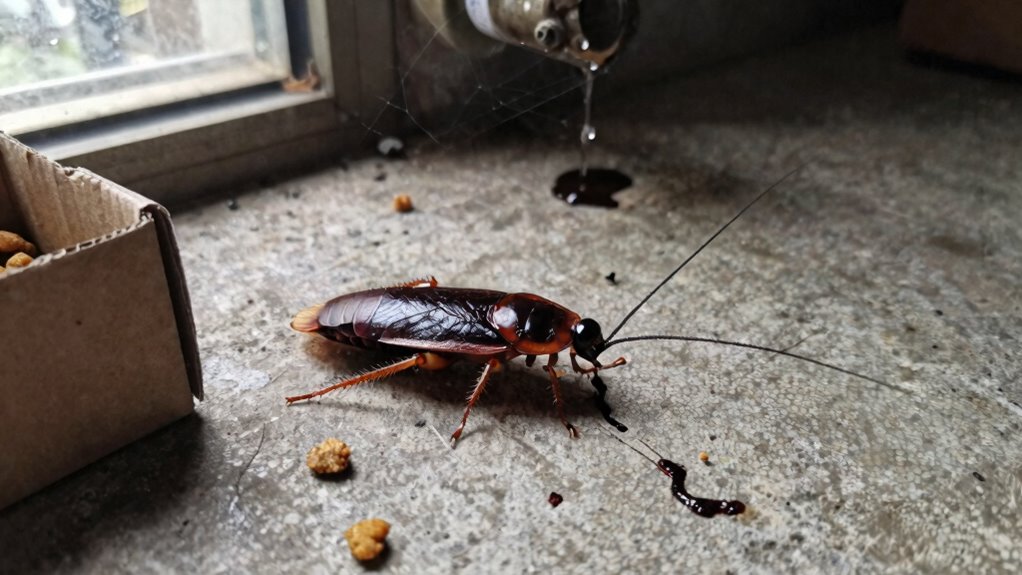
Oriental cockroaches thrive on decaying organic matter, including garbage, sewage, and rotting food. They can survive without food for about a month if water is available.
Without both food and water, they typically die within two weeks. These pests are drawn to damp, dark environments like basements and drains.
For effective roach control, eliminate moisture sources and seal all food in airtight containers. Fix leaky pipes promptly to remove their water supply. For severe infestations, bait stations that are strategically placed can help target active colonies and reduce their numbers.
Regular cleaning of crumbs and spills will reduce their food sources. Professional pest management may be needed for severe infestations.
Why Are Oriental Cockroaches So Hard to Eliminate?
Oriental cockroaches are a nightmare to get rid of because they hide in cracks, drains, and basements. Their cryptic behavior makes them tough to find and target with standard pest control treatments.
These roaches survive harsh winters by seeking shelter in sewers and under mulch, then re-emerging in spring. Their slow reproduction cycle, taking 6 to 12 months to mature, makes them resilient enough to wait out extermination attempts. For persistent infestations, products with insect growth regulators can prevent reinfestation by sterilizing adult roaches.
| Feature | Why It’s a Problem | What It Means for You |
|---|---|---|
| Damp habitat preference | Targets drains, leaky pipes, and crawl spaces | Hard to reach with sprays or baits |
| Nocturnal activity | Only active at night, hiding in daylight | Infestation goes unnoticed for weeks |
| Omnivorous diet | Eats trash, soap, even decaying leaves | Survival without food for a month |
You will need persistence and a professional pest control service to fully eliminate them. Focusing on moisture control and sealing entry points is your best long term solution.
How to Spot Early Signs of an Oriental Cockroach Infestation
The first sign is often a musty, unpleasant odor that clings to dark spaces like basements or under sinks.
This smell is a dead giveaway that cockroaches are nearby.
You might spot shiny black adults or their dark brown egg capsules at ground level.
These bugs rarely climb walls and prefer to scuttle along baseboards.
Catching these clues early can save you from a much messier and smellier problem.
Quick action can prevent a small issue from becoming a full infestation.
Musty Odor Detection
Although you might not see them right away, Oriental cockroaches often announce their presence with a signature musty odor, kind of like a damp basement that forgot to shower. This smell is a primary early warning sign of infestation, produced by their oily secretions and droppings.
It hangs around ground-level spots like basements, floor drains, and under sinks where they like to hide. You won’t mistake it for normal mildew because it is heavier and greasier with a faintly sweet, rotting note.
The odor gets stronger as the population grows, so don’t ignore it. If you catch that smell, set some sticky traps immediately to confirm the problem before you see a single bug.
Professional pest control can target these hidden harborage areas for complete elimination. Acting fast with these detection methods helps you prevent a larger cockroach problem.
Ground-Level Sightings
Ground-level cockroach sightings are your next big clue. They are often the first thing people notice when they bother looking below knee height.
Spotting one of these shiny black bugs near a floor drain or under the sink means you’ve got ground level activity to worry about. Their moisture seeking behavior drives them to damp basements, crawl spaces, or leaky pipes where they find water and decaying organic matter.
Unlike other roaches they rarely climb walls, so seeing them on the floor is a dead giveaway. Check dark spots behind the fridge, under washing machines, or inside water valve pits. For long-term control, consider placing bait stations in these hidden spots to poison the colony.
Look for slow-moving, flightless adults about an inch long with a greasy sheen. Nymphs are smaller, reddish-brown, and love the same damp spots.
Bottom line: if you see them at ground level in humid areas, you’ve got an infestation starting. Act fast to prevent a larger problem.
What Health Risks Do Oriental Cockroaches Pose?
Oriental cockroaches are more than just unsettling visitors, they pose real health dangers by spreading germs wherever they roam. These pests scavenge through sewers and garbage, picking up harmful bacteria on their legs and bodies that they then track onto your food and surfaces.
Oriental cockroaches drag germs from sewers onto your food and counters, turning every surface into a health hazard.
Their habit of contaminating more than they eat makes them a serious hygiene threat in any home. Salmonella and E. coli are common hitchhikers on these insects, and they transfer directly to kitchen counters, utensils, and pantry items.
A single cockroach can taint exposed food and prep areas with just one pass, so professional pest control is often needed to stop the cycle. Beyond bacteria, their shed skin and droppings release potent allergens that can trigger asthma attacks in sensitive people.
For anyone with respiratory issues, this allergen source can turn a minor infestation into a daily health struggle. These cockroaches also leave a foul odor and regurgitated matter that ruins stored food while attracting secondary pests like rodents.
If you spot these dark, flightless bugs, you need fast cockroach extermination services to protect your household. Acting quickly with a targeted treatment plan limits disease exposure and reduces allergen buildup in your living spaces. Because oriental cockroaches are resistant to typical ant baits, you should look for gel baits or specialized formulas designed for tough pests instead.
A thorough home inspection and ongoing prevention tips from a local exterminator can keep oriental cockroaches from returning. Investing in safe, effective removal now safeguards both your family’s health and your peace of mind.
Kill Oriental Cockroaches With Baits and Cleanliness

Before you place any bait, you must clean thoroughly first. A well-fed cockroach will ignore even the most tempting poison, so deep cleaning is essential.
Place baits near ground-level entry points like plumbing gaps and under sinks. This targets nocturnal scavengers right where they travel.
After sanitation and baiting, seal those same gaps with caulk or screening to stop future invasions.
For long-term cockroach control, combine baiting with professional-grade exclusion techniques.
Apply the gel in dusty corners and cracks where spray insecticides are less effective, ensuring the bait remains clean and dry to maintain its residual action.
Sanitation First Steps
The first step in tackling an Oriental cockroach infestation is cleaning, not baiting. Cockroach anatomy makes them perfect filth carriers. Their legs and bodies pick up bacteria everywhere they scuttle. Seasonal movement patterns often drive them indoors during warm, dry spells, seeking dampness. Start with these four actions to starve them out.
Eliminate all food sources by storing dry goods in sealed containers. Sweep crumbs and wipe counters daily for effective pest control.
Fix leaky pipes and dry damp areas like basements or under sinks. Cockroaches need water to survive, so removal of moisture is a key step.
Remove clutter, especially cardboard boxes and old paper, where they hide during daylight. Seal entry points around plumbing and doors with caulk to block their seasonal invasions. This sanitation first approach reduces the population. It makes any later baiting far more effective for complete infestation removal, and choosing child-resistant stations ensures safety when placing baits near kitchens.
Clean first, bait second for the best results in Oriental roach management.
Strategic Bait Placement
For Oriental cockroaches, baiting works best after you clean, not before. These pests will ignore poison if food scraps are lying around.
Gel bait rotation is critical for pest control success. Switch active ingredients every few months to prevent bait shyness.
Place baits directly in harbor placement zones like under sinks. Near floor drains and along baseboards where they scurry at night is ideal.
These roaches are ground level gluttons who rarely climb. Keep baits low to the floor where they travel.
Apply gel in small dabs rather than piles. A pea sized drop every few feet works wonders for Oriental roach baiting.
Sticky traps reveal hot spots first in your pest management plan. Your basement is basically a roach spa with that damp pipe.
Get baits near that moisture source for best results. Baiting without cleaning buys failure so clean first.
Then bait second and check progress weekly. Rotate baits and target harbors to thin their ranks.
You will avoid chemical fogging your home with this approach. Practical steps like these make Oriental cockroach control easier.
For homeowners concerned about safety around children and pets, borax is safe in small amounts and can be used with confidence.
Sealing Entry Points
Sealing entry points is where baiting and cleaning finally pay off, but it’s the boring hero of this saga. Without it, you’re just hosting a buffet with an open door.
The oriental cockroach loves a good crack, especially during seasonal movement. Warmer weather or dry spells push them indoors from water valve pits and sewers.
Caulk gaps around pipes, baseboards, and window frames with a silicone-based sealant for about $8 a tube. Install door sweeps on exterior doors and aim for less than a 1/8-inch gap to avoid inviting squatters.
Screen vents and floor drains with fine mesh at 20-gauge or tighter to stop damp-loving crawlers. Replace worn weather stripping under sinks and along garage doors since they squeeze through slits thinner than a credit card.
For larger gaps around pipes or vents, use steel wool and stainless steel wire mesh as a dual-layer barrier that rodents and insects cannot chew through.
The bottom line is seal it tight or baiting is just a temporary fix. You will save yourself future headaches and keep your basement yours for good.
How to Keep Oriental Cockroaches Out of Your Home
Keeping Oriental cockroaches out of your home is a matter of sealing, drying, and cleaning consistently. Start with structural barriers and caulk every gap around pipes, then seal window jambs and screen vents.
These cockroaches can squeeze through a crack the width of a dime, so thorough pest control is essential. Next, moisture reduction is critical for effective cockroach prevention. Fix leaky faucets and dry out basements with a dehumidifier.
A simple $50 unit works well, and you should also clear clogged drains to stop them from drinking condensation. Deny them food by storing pantry goods in sealed containers and taking out trash nightly for long term roach control.
Skip the bark mulch near foundations, as it acts as a breeding ground for Oriental cockroaches. The bottom line is seal, dry, and clean with no magic, just persistence. For better results, choose a dehumidifier with continuous or auto drainage to consistently remove moisture that attracts these pests.
Frequently Asked Questions
Do Oriental Cockroaches Fly?
No, oriental cockroaches cannot fly. Although males have wings covering three quarters of their abdomen, females have only tiny stubs.
Both sexes are completely flightless, so you won’t see them taking off indoors. Their mating rituals happen on the ground, not in the air, though wing fluttering may play a role.
For effective pest control, remember that these roaches scuttle through damp basements and sewers. Adults live 5 to 26 weeks, all spent crawling in moist, dark areas.
That means no aerial escapes here. Think of them as tiny, stubborn tanks with a greasy sheen, perfect targets for bait stations and gel treatments.
If you are searching for roach killer for basements or sewer infestations, focus on residual sprays and dusts. These flightless pests are easy to intercept with proper crack and crevice treatment.
Can Oriental Cockroaches Climb Smooth Surfaces?
No, Oriental cockroaches cannot climb smooth surfaces like glass or polished metal. This is a key fact for your home pest control strategy because it limits where they can travel.
Think of it as a niche adaptation; their survival strategies don’t include gripping smooth vertical surfaces. Their feet lack the sticky pads or claws needed for that kind of traction.
This is actually good news for you as a homeowner seeking pest solutions. It means Oriental cockroaches are stuck at ground level, mainly in basements, drains, and crawl spaces.
If you spot one on your kitchen counter, it likely crawled up a rough wall, a pipe, or along a baseboard. Your kitchen countertops and other glossy surfaces are naturally defended against these ground dwelling pests.
For targeted Oriental cockroach control, focus your treatment efforts on floor level entry points and dark, damp hiding spots. Consider using gel baits and insect growth regulators in drains and along baseboards where they actually roam.
What Attracts Oriental Cockroaches Into Homes?
Oriental cockroaches are drawn into your home primarily by moisture sources like leaky pipes, floor drains, and damp basements. They also crave shelter near yard debris such as leaf piles, bark mulch, and garbage stacked against ground level entry points.
These pests actively hunt for starchy or sugary scraps left in dirty trash cans, sewer drains, or pet bowls. A dry, sealed home with no clutter sends them packing before they ever settle in.
So, if you’re dealing with an infestation, start by fixing every leak and unclogging those floor drains to eliminate their watering hole. Next, clear away leaves, mulch, and trash from your foundation, because that’s their highway into your walls.
For long term oriental cockroach control, pair these habitat changes with a targeted roach bait gel or insect growth regulator near baseboards and drains. Buy a quality cockroach killer that lists oriental roaches on the label, and reapply after any heavy rain or cleaning.
Remember, these roaches avoid dry, bright, and clean spaces, so run a dehumidifier in basements and wipe down counters nightly. If they persist, a professional pest control service can apply residual sprays in cracks and crevices you can’t reach.
The smartest purchase you can make is a combination of moisture control and a proven roach bait station, not just a one time spray. Inspect your sewer line covers and outdoor vents, because those are common entry points that buyers overlook.
In short, dry the house, seal the gaps, and remove the buffet of crumbs and moisture. That targeted approach makes any pest control product you buy work twice as hard and keeps oriental cockroaches out for good.
Are Oriental Cockroaches More Active in Summer?
Yes, oriental cockroaches are more active in summer. Seasonal biology drives them indoors when heat and drought hit, seeking that cool, damp basement life.
Their nocturnal behavior means you won’t see them partying, just the mess they leave behind. You’ll spot them near drains or garbage, not on walls, which is a key sign for professional pest control.
They die without water fast, so keep plumbing dry and seal cracks with caulk. For effective cockroach control, use gel baits and insect growth regulators to break their lifecycle.
It’s a low-key war, but you win with patience and the right products. Buy bait stations and crack and crevice treatments to stop them before they settle in your home.
How Fast Do Oriental Cockroach Infestations Spread?
Oriental cockroach infestations spread at a moderate pace, not an explosive one. A single female produces around 200 offspring, which sounds like a lot but takes months to become a real problem.
Nymph development is slow, so your infestation timeline stretches over 6 to 12 months before you feel it. That gives you valuable time to act with professional pest control treatments.
Ignore them, and dark, damp basements will become their breeding kingdom. For effective cockroach control, you need to caulk entry points and apply gel baits immediately.
When you detect one, it is time to call a residential exterminator or buy targeted products online. Fast detection and smart baiting are your best tools to stop this slow takeover before it costs you more.


