
Can termites come back after treatment? Yes, they absolutely can—and that doesn’t mean your exterminator failed. No treatment creates a permanent shield around your home, so reinfestation is always possible. Fumigation, for example, leaves zero residual barrier, meaning new swarmers can fly in from a neighbor’s yard the very next day. Bait stations also stop working if you skip refills, giving colonies a chance to rebuild. That’s why spotting active mud tubes or live bugs after treatment signals a fresh colony, not leftover damage. The good news is that annual inspections catch these breaches early, and knowing which treatments fail most often helps you stay ahead. Keep reading to learn exactly what to watch for and how to protect your home long-term.
At A Glance
- Termites can return after treatment; no method provides permanent immunity.
- Fumigation leaves no residual barrier, allowing new swarmers to re-enter.
- Breaches in liquid soil barriers from digging or landscaping enable reinfestation.
- Skipping bait station refills or inspections allows colonies to re-establish.
- Annual inspections are essential to catch new activity before structural damage occurs.
Can Termites Come Back After Treatment?
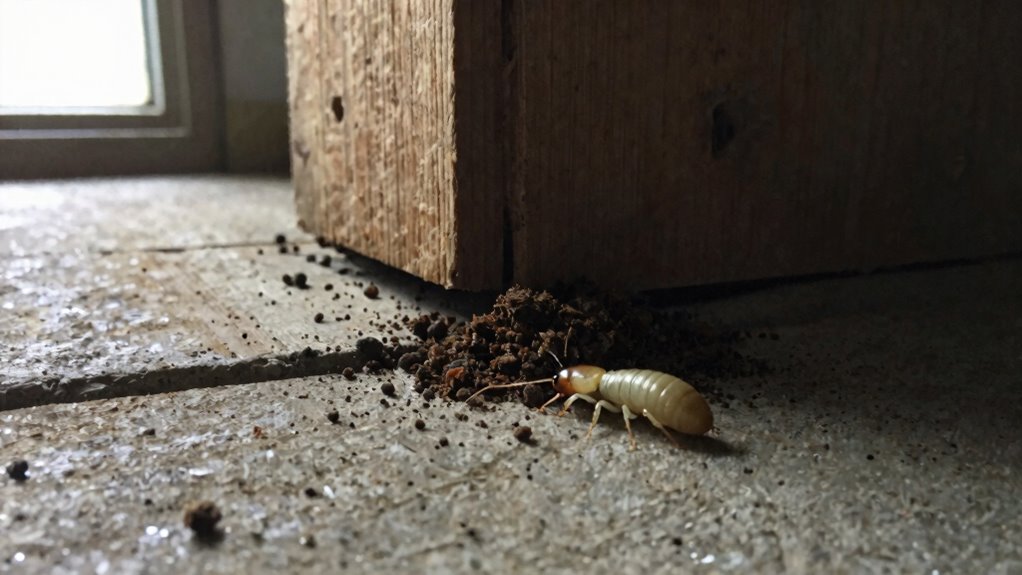
The short, honest answer is yes. Termites can unquestionably come back after treatment. Think of it like mowing the lawn. You kill what’s there, but the seeds of future trouble remain.
Think of it like mowing the lawn. You kill what’s there, but the seeds of future trouble remain.
Fumigation gaps leave no residual barrier. Once the gas clears, the treated area is a blank slate, vulnerable to new invaders. Swarm reinfestation is another common culprit. Winged termites can fly in from a neighbor’s yard and start a fresh colony.
This isn’t a failure of the original treatment. It is just a reminder that nature plays dirty. To minimize this, combine thorough monitoring with sealing structural entry points. The bottom line is no treatment is a permanent force field.
But with vigilance and a termite control plan, you will keep these six legged renters out of your home.
For ongoing defense, rely on a bait station system to eliminate colonies that may re-establish near your foundation.
Why Do Termites Sometimes Return?
Fair enough. Termites return because no treatment rewrites the laws of nature. No chemical barrier is perfect forever, and new colonies can always wander in.
A treatment kills the colony present, but it won’t stop a swarm landing next month. That is a whole new infestation timeline and a new termite control challenge.
Many warranties cover only the original infestation, not new ones. If termites walk in from untreated soil next door, you are responsible for the cost of further pest management.
Digging, plumbing repairs, or new landscaping can break the treated soil barrier. This creates a welcome mat for termites and requires professional inspection.
If you stop paying for bait station checks, the stations get pulled. No stations mean no protection, so a regular treatment plan is essential.
Routine annual inspections are your best bet for long term termite control. Do not rely on a one and done fix to keep your property safe.
Using a pinless moisture meter during those inspections helps detect hidden dampness that attracts new colonies.
Old Damage or New Infestation: How to Tell?
Distinguishing old damage from a fresh infestation often comes down to knowing what to look for.
Post treatment, debris like pellets or wings can fall from hidden spaces and mimic new activity, while old damage remains static.
A professional pest inspection is the only reliable way to tell if signs are harmless leftovers or a call to action.
If you want to get rid of pests for good, a trained technician can confirm whether you need active pest control or just a cleanup.
Do not try to guess based on debris alone.
Call a local exterminator for a thorough evaluation and targeted treatment plan.
For ongoing protection, annual bait stations provide year-round structural defense against colony return.
Old Damage vs. Active Signs
A single termite pellet on a windowsill doesn’t mean the colony is still active in your walls. It could be leftover damage from a past infestation that was already treated.
To tell if termites are currently active in your home, check for these four key signs. First, look for winged swarmers trapped near windows or light sources that are alive, not just shed wings.
Second, inspect for mud tubes that feel damp and get rebuilt if you break them. These tubes must connect to the soil for active termite protection to be needed.
Third, fresh frass pellets that reappear after cleaning point to ongoing termite damage. Dry, old pellets just mean the treatment worked in the past. Delayed-action formulas are slow-acting to ensure foraging pests carry the toxin back to the colony before effects show, which is why elimination is not instant.
Fourth, tap damaged wood and listen for a hollow sound. If you see live termites inside, you need immediate professional pest control.
If you see only stale pellets and no active tubes or swarmers, your termite treatment likely succeeded. But if fresh mud tubes appear, call a pro right away because your protection might need a refill.
Post-Treatment Debris Sources
Confusion often follows spotting termite debris after treatment, but the source is usually simpler than it seems. Old wood debris like pellets or wings can linger in wall voids and fall out weeks later.
This stuff looks active but isn’t. A fresh pile near a kick out hole does need attention.
Treated soil stays intact for years if undisturbed. It repels termites, not memory.
So old damage sheds bits while new infestations produce fresh wood debris that reappears after you clean up. Was the pile dusty or shiny? Old pellets crumble and new pellets glisten.
If you find a neat little mound, sweep it and wait a week. Nothing returns? You are fine.
Another pile shows up? Do not panic. Just call for a termite inspection.
Dead debris is not a comeback. Knowing the difference saves unnecessary worry. For ongoing prevention on outdoor wood surfaces, borate-based sealants penetrate deep to kill termites on contact and require reapplication every 1-5 years.
Professional Evidence Evaluation
A homeowner might see a fresh pile of pellets and assume termites have returned, even after treatment. A pro knows old damage can mimic new activity, so careful evidence evaluation is key.
Fresh pellets are lighter and crumble easily, while old pellets darken and harden over time. Swarmer wings in cobwebs suggest past activity, but clean scattered wings mean a recent emergence.
Cracked dry mud tubes indicate old passage, while damp active tubes signal current termite travel. Hollow sounding wood with no live termites is old news, but fresh frass or live insects means trouble.
Proper pest proofing and regular inspection frequency, at least annually, help catch new colonies early. Don’t panic over pellets alone; call a pest control pro for a reliable termite inspection and confirmation. For homeowners wanting to double-check suspicious areas, a 365nm UV flashlight can reveal subtle traces of pest activity that are invisible to the naked eye.
What Should You Do If You Spot Termites Again?
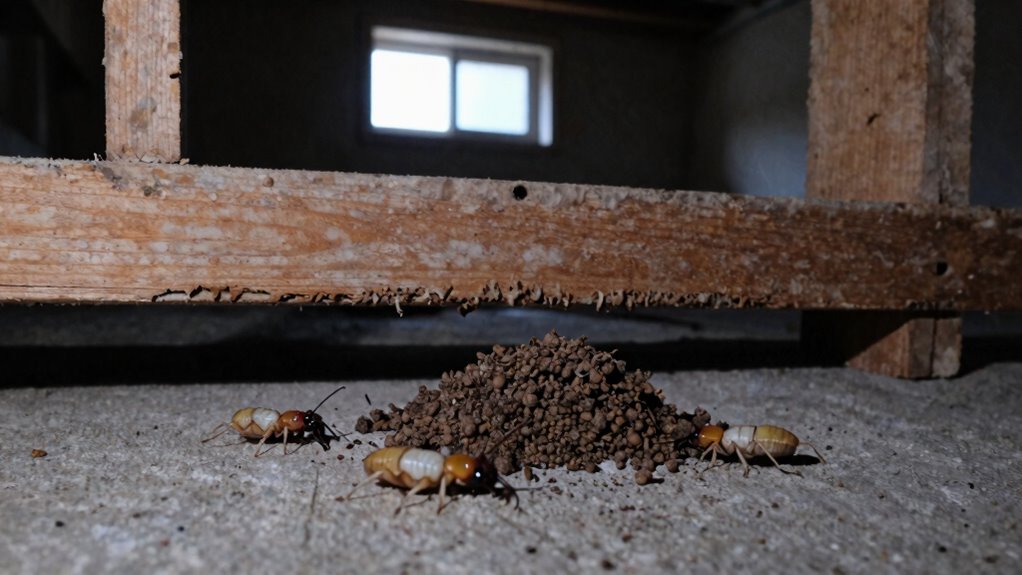
Spotting fresh termite evidence after treatment can feel like finding out your ex moved back in next door. It is unexpected, unwelcome, and oddly personal.
Resist the urge to panic or grab a spray can because that is a rookie move. First, document everything with photos, dates, and locations.
Then clean the area thoroughly and wait a week. If activity reappears, it is real and not leftover debris.
Schedule a professional termite inspection immediately. They will confirm if it is new swarmers or old damage.
Meanwhile, double down on termite prevention by checking for wood to soil contact. Fix leaks and clear mulch from foundations.
Property maintenance is your cheap insurance against termite damage. It costs maybe a weekend’s work versus thousands in repairs.
The bottom line is do not try termite control yourself. Call the pros, keep your annual inspection updated, and fix what invites them back, but if you need a quick contact kill for active termites, consider a contact kill aerosol spray like Terro Carpenter Ant Termite & Bee Killer for spot treatments.
That is the smart play for long term termite protection.
Which Treatments Fail Most Often After Extermination?
Termite treatments fail most often because of physical gaps in the liquid soil barrier, not because the colony outsmarted you.
Simple activities like trenching for a garden bed, sinking a fence post, or storm runoff can shift the soil and break that chemical line.
That tiny breach becomes a highway for subterranean termites, which is why annual termite inspections are a smart investment for homeowners.
Bait station failures almost always trace back to missed refills or expired service contracts, turning a proactive termite control plan into a useless plastic stake.
For long term protection, pair your baiting system with a barrier retreatment on a fixed schedule, and always ask your termite exterminator for a warranty that covers re-treatments after heavy rain or landscaping.
If you catch a gap early, a targeted spot treatment can save you from a costly fumigation later, so don’t wait for swarm season to test your defenses.
Applying expanding foam with a 30:1 ratio into wall voids and cracks can seal those physical gaps and reach hidden nests for more complete coverage.
Soil Barriers Breached
A breach in the soil barrier is the most common reason termites return after a liquid treatment. These failures often stem from specific, preventable gaps, not the chemical itself.
Suspended concrete slabs can leave untreated soil beneath porches or patios. This creates hidden highways for termites to bypass your termite control.
Utility lines like plumbing or electrical piercing the barrier require proper sealing. Without it, they become easy entry points for subterranean termites.
Foam encapsulation failure happens when spray-foam sealant over treated soil cracks or shrinks. That handy seal isn’t a permanent termite barrier solution.
Landscaping changes such as adding soil or mulch can bridge over the barrier. This negates your initial treatment and invites new termite activity.
The fix involves annual inspections and sealing every gap you find. A solid liquid termite barrier plus routine checks beats hoping termites respect your chemical line. Watering in granules after any outdoor chemical application helps activate the active ingredients for maximum barrier effectiveness.
Breaches are fixable but only if you catch them early. Do not skip the yearly look see for total termite protection.
Bait System Lapses
Bait systems are marketed as a greener choice than liquid treatments, but they fail more often when homeowners get careless. The main problem is bait station neglect; people skip quarterly checks or let their contracts lapse.
Once the active ingredient runs out, termites wander back for a free meal. Contract cancellation is a classic mistake made to save the annual fee.
Empty stations become an underground buffet sign for pests. Baiting is a commitment, not a one-and-done fix.
A single missed bait refill can wipe out a year of protection. If you cannot handle the schedule, stick with a liquid barrier for termite control.
It is less fuss, even if it is not as green.
Why Does Treated Soil Stop Working?
Termite-treated soil loses its effectiveness for several straightforward reasons, but none of them mean the treatment was a failure at the time. Soil chemistry changes over time, and two big culprits are pH changes and ground settling.
pH changes from fertilizer or rainwater can break down the chemical barrier, making it less toxic to termites. Ground settling after heavy rain or construction creates tiny cracks that termites can slip through like ninjas in house slippers.
Organic matter like mulch or leaves piles up on treated soil, diluting the chemical layer. Microbial degradation means soil bacteria literally eat the termiticide, digesting it into harmless stuff over a few years. Reapplying every 4 weeks can restore the barrier if pest activity returns, though this timing depends on conditions like rainfall and sun exposure.
These factors don’t mean the treatment was bad. They just mean soil is a living thing, not a perfect wall.
Why Are Annual Inspections Non-Negotiable?
The soil barrier around your home can lose its chemical protection over time. pH changes, soil settling, and hungry bacteria all reduce its effectiveness against termite infestations.
That is why annual inspections are non-negotiable for keeping your property safe. No treatment offers permanent protection.
Skipping a year means missing a new entry point or a colony start. Termites do not send invitations.
Inspection frequency keeps you ahead of damage. Liquid termite barriers fail slowly and bait stations need yearly rechecks for termite control.
Missing one year could mean thousands in repair costs for structural pest control. Contract renewal costs are always lower than paying for renovations.
Baiting renewal runs two to four times more than liquid barriers. But it still beats rebuilding a wall.
One customer skipped a year and found a nest in the porch. Fun discovery but expensive.
Annual check is cheap insurance for your home. Treat it like flossing but for your house foundation.
Bottom line is simple. Pay for the termite inspection or pay for the renovation.
For non-termite pests, non-toxic options like glue boards can effectively trap mice and insects without harsh chemical residues.
How to Reduce Termite Recurrence Risk Long-Term

Annual inspections help you catch new termite activity before it becomes an expensive problem. Maintain treated barriers by not disturbing soil around the foundation during gardening or construction.
Commit to your bait system by keeping stations active and refilled. Stopping baiting invites termites to return. Seal cracks and gaps in foundations, vents, and rooflines.
Think of it like flossing. It is boring but beats root canals. Diligence keeps termites away and protects your home. Stop hoping for luck and start scheduling professional pest control today. For thorough protection, consider using waterproof deltamethrin dusts in cracks and crevices to create a residual barrier that remains effective in damp conditions.
Frequently Asked Questions
Can I Get a Refund if Termites Return After Treatment?
A refund depends entirely on the refund policy and warranty terms of your specific treatment contract. Most companies do not offer cash refunds; instead they cover retreatment under a warranty.
Read the fine print on your pest control warranty. Warranties typically last one to five years but exclude new infestations or damage from unsealed cracks.
You might get free service if termites return, not your money back. Always ask upfront, “What’s covered if these sneaky wood munchers return?”
Look for key buyer intent phrases like “termite retreatment guarantee” or “pest control service contract.” This helps you avoid costly surprises down the line.
Choose a company that clearly explains their warranty exclusions for termite infestations. A helpful expert will tell you that sealed cracks and regular inspections are your best defense.
How Long Should I Wait Before Getting a Second Treatment?
There is no set waiting period for a second termite treatment, as it all depends on the follow up inspection results after your first service. A licensed pest control professional must assess whether the colony is truly eliminated or if a new swarm has moved into your property.
For liquid termiticides and soil barriers, wait at least 30 to 60 days before considering any retreatment. Any termite activity you see that soon might just be stragglers from the original colony, not a fresh infestation.
For modern baiting systems, it can take 90 days or more to see the full impact on the colony. A standard follow up inspection at the three month mark is the industry norm for these slow acting but highly effective products.
Don’t rush into a second chemical application, because over treating your foundation can waste money and reduce product effectiveness. Instead, let the first treatment finish its job, then let the inspector’s findings guide your next purchase or service call.
Searching for a reliable pest control company near you? Ask your technician for a detailed report with photos and termite activity logs before you agree to any second treatment.
Your best move is to schedule a free inspection after the waiting window closes, and ask specifically about warranty terms and retreat guarantees. Many quality termite services include a follow up visit at no extra cost, so you get peace of mind without spending more.
Can Termites Survive Inside Furniture After Fumigation?
Fumigation kills termites living inside your furniture, but it leaves zero lasting protection behind.
If you place that treated couch near an active colony, wood re infestation is highly likely within months.
Think of it like a hermit crab finding a perfect shell, except that shell is your sofa and new tenants are always scouting.
Post treatment, fresh swarmers can fly in through open windows or cracks, so your furniture becomes a brand new buffet.
The bottom line is that fumigation handles the immediate infestation, but it does nothing to guard against future termite activity in your home.
For smart purchase decisions, pair fumigation with a liquid termiticide barrier around your foundation or install termite bait stations nearby.
You need to monitor the surrounding soil and wood sources, because untreated areas are the real gateway for re infestation.
If you skip those protection steps, you are literally inviting round two, so budget for both treatment and prevention.
Ask your local pest control pro about borate wood treatments for furniture, which soak into the grain and stop termites from feeding.
That is your best move if you want long term peace of mind without recurring fumigation costs.
Do Termite Baits Attract Termites From Neighboring Properties?
Yes, termite baits can absolutely draw termites from neighboring properties, and that is exactly how they are designed to work. The bait stations act like a food magnet, luring foraging termites away from your home and toward the toxic slow-acting treatment.
If your property line sits close to a neighbor’s yard, nearby colonies may easily wander into your stations, which is actually a good thing for long-term control. However, these baits do not create a physical or chemical barrier, so untreated soil gaps between stations allow termites to slip past and reach your foundation.
That means the system reduces local termite pressure, but it won’t stop a brand new colony from moving in later. For homeowners searching for termite protection, this is a critical distinction: baits manage existing activity, while liquid soil treatments provide a continuous block.
Still, regular monitoring of your bait stations is your best defense, since termites can stay hidden for months before you see damage. If you want active termite control that works across property lines, choose a professional-grade bait system and pair it with an annual inspection.
And when comparing termite treatment options, think about your neighbor’s unmanaged yard as a potential re-infestation source. A smart purchase includes bait refills and a service plan that checks stations quarterly, because baits are a slow, long-term game, not a quick fix.
For the best results, combine baiting with a moisture fix around your foundation, since damp soil attracts more termites from next door. Ultimately, termite baiting is a community-level strategy: it suppresses colonies around your home, but you must stay vigilant with scheduled refills and visual checks.
Is It Safe to Live in My Home During a Termite Treatment?
The boring truth is your pest control guy will say “leave for a bit.” You should trust that advice completely.
A day away from home beats breathing in termite treatment fog. Think of it as a cheap vacation with no regrets, just bugs gone.
During a termite fumigation, the air inside must clear completely before reentry. Your pest control technician uses special monitoring equipment to ensure safety.
For a liquid termiticide barrier treatment, you may only need to stay out for a few hours. Always ask your exterminator for the exact reentry time before the job starts.
If you need a local pest control service for termite removal, call a licensed professional today. Investing in a termite inspection first can save you from costly structural damage.


