
Knowing how to tell if bed bugs are gone isn’t as simple as a quick look around. A single visual check misses 69% of infestations, especially tiny nymphs smaller than poppy seeds. Interceptor traps under furniture legs catch 96% of cases, but you still need three weeks with zero bites, bugs, or spots, followed by three clean monthly inspections. Check seams, outlets, and baseboards—skip a month, and they might rebound.
This guide breaks down the foolproof steps to confirm they’re truly gone, so you can sleep easy again.
At A Glance
- Interceptor traps stay empty for three weeks after treatment.
- Zero bites, live bugs, fecal spots, or cast skins for 21 days.
- Three consecutive monthly inspections find no bed bug signs.
- No nymphs caught in traps for three weeks suggests clearance.
- Visual inspection misses 69% of infestations; rely on traps instead.
Why Visual Inspection Alone Fails to Confirm Bed Bugs Are Gone
Visual inspection often lies to you when bed bugs drop to low numbers. Your eyes become nearly useless for detecting a residual pest problem.
Studies show detection rates fall to 52% for low level infestations compared to 69% for mixed ones. That is a low level detection failure you cannot afford.
Tiny first and second instar nymphs, about 82% of immature captures, are smaller than a sesame seed. They hide in seams you will never check during a routine inspection.
Even trained pest control teams disagree on what they see from day to day. Visual inspection limitations are not just annoying, they are dangerous for effective bed bug treatment.
Even trained pest control teams disagree daily — visual inspections are dangerously unreliable.
In a 358 apartment study, relying on resident reports alone missed 69% of infestations. So if you are staring at a clean mattress feeling proud, know that bed bugs are better at hide and seek than you are at seek.
Bottom line for your bed bug eradication plan is simple. Do not trust your eyes for this job.
Instead, use passive interceptors under furniture legs to catch bugs before they reach you, providing reliable detection even when visual checks fail.
Use Interceptor Traps to Detect Hidden Low-Level Infestations
Your eyes are no match for a bed bug that wants to stay hidden. Interceptor traps placed under furniture legs are the simple workaround you need.
These plastic cups catch bugs as they crawl toward you, snagging 96% of infestations in studies. They excel at nymph detection, finding those tiny first and second instars that visual checks miss 82% of the time.
Set them under every bed leg and sofa foot for two weeks straight, checking weekly. That low-level straggler will slide right in, slick and stuck.
Cost is about $20 per six-pack, making it cheap insurance against hidden survivors. Eco-friendly traps using recycled plastics and physical barriers provide safe, chemical-free detection. If traps stay empty after a fortnight, you are likely clear of any lingering pests.
Do not trust your scan. Trust the trap for passive monitoring that does the heavy lifting.
The Three-Week Post-Treatment Monitoring Timeline for Bed Bugs
After treatment, the real clock starts ticking. You need a three-week stretch with zero bites, no live bugs, no fresh fecal spots or cast skins. This is a strong early sign the bed bug problem is solved. But pat yourself on the back only cautiously, because this is like passing a pop quiz, not graduation. True victory demands three consecutive monthly inspections. Each inspection should show no signs of bed bugs to confidently declare the infestation gone for good. Use interceptor traps under all furniture legs to capture any remaining pests during this monitoring period.
No Bites, No Signs
A three-week stretch with zero bites, no live bugs, no fresh fecal matter, and no cast skins is the first solid sign that your bed bug problem might actually be over. But don’t pop the champagne yet. Visual aids like interceptors under furniture legs catch 96% of bed bugs, whereas resident reporting alone misses 69% of low-level infestations.
That’s like trusting your friend’s dog to find a lost sock. It’s cute but unreliable. In pest control, relying on feelings over tools can cost you. For effective bed bug treatment, interceptors and glue boards are your best bet.
| Timeframe | What to Look For | What It Means |
|---|---|---|
| Week 1 | No bites, no bugs | Early hope, stay vigilant |
| Week 2 | No fecal stains, no skins | Tracking well, but keep checking |
| Week 3 | All clear, zero signs | Likely success, but trust tools, not feelings |
Patience, friend. Three weeks of quiet is a good first step, not a victory lap. If you need professional bed bug removal, schedule an inspection now. Don’t wait for signs to reappear before you call for help.
To maintain this all-clear status, six-sided zippered mattress encasements provide a secure barrier that traps any remaining bugs and prevents new infestations from hiding in your mattress.
Three Consecutive Monthly Checks
Three weeks of silence is a good sign, but it’s not a certificate of cleanliness. The real confirmation process demands monthly inspections, and yes, three of them, back-to-back.
Each month, check interceptors under furniture legs, since they catch 96% of bed bugs while visual checks miss 69% of low-level infestations. Small nymphs, the first and second instars, are tiny, pale, and easy to overlook, but traps don’t sleep on the job.
If zero bed bugs appear after three months, you’re likely clear, and that’s your green light for peace of mind. Skipping a month invites a rebound, because those little vampires are patient, so treat this like a three-strike rule.
No bugs, no bites, no evidence after that window, and you’re ready to graduate to quarterly checks. Until then, keep those traps out, and consider this your proactive pest control routine for long-term home protection. For hard-to-reach areas like cracks and crevices, applying a waterproof deltamethrin dust can provide lasting residual control without the mess of sprays.
It’s tedious, yes, but it’s far cheaper than a full fumigation do-over. Stick with the schedule, and you’ll avoid the costly rebound that comes from abandoning the monitoring plan too early.
Where to Find Missed Hiding Spots After Treatment
Since visual inspection alone misses nearly half of all low-level infestations, the real hunt starts after the insecticide dries or heat treatment cools down.
Focus on furniture seams and electrical outlets where these pests hide in plain sight.
Pull sofa cushions and check every zipper, tuft, and fold.
Outlets are dark, warm highways, so use a flashlight to inspect covers and cracks.
Don’t forget baseboards, picture frames, and mattress tags.
A ten dollar flashlight and five dollar magnifying glass expose what eyes miss.
Successful detection often requires multiple sweeps over two weeks, not a single glance.
Systematic inspection of these tiny crevices beats guesswork every time.
Buy a cheap tool kit and get crawling for those elusive pest hiding spots.
This practical approach helps you find bed bug hideouts after eradication.
After heat treatment, lethal temperature of 120°F must have been reached in every spot to ensure complete elimination.
Why Tiny Nymphs Survive Treatment and How to Catch Them
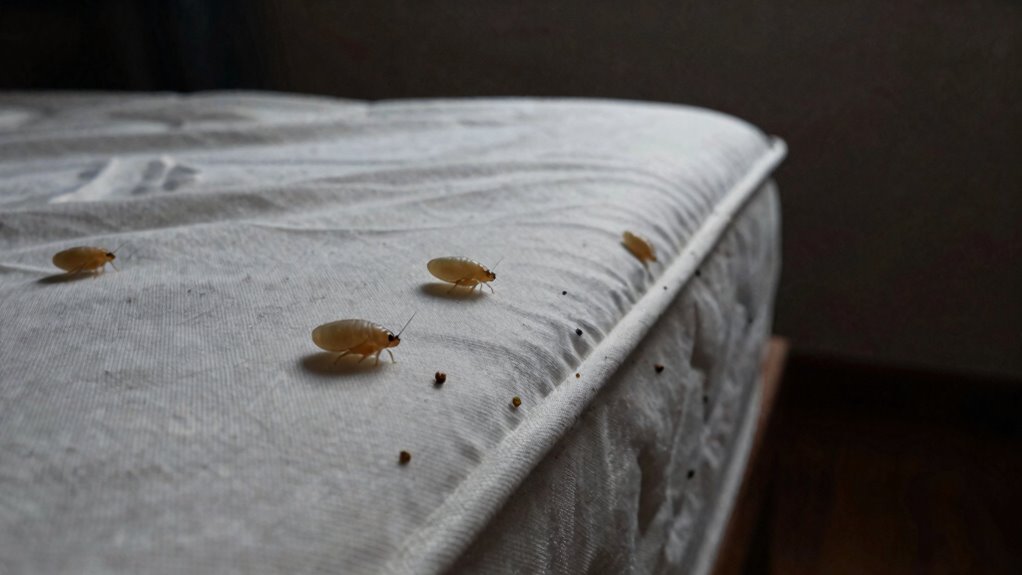
Even after a thorough treatment, tiny nymphs often survive. These first and second instar bed bugs are about the size of a poppy seed and are true survival artists.
They hide in cracks thinner than a credit card, deep inside furniture joints or beneath carpet tack strips. Standard insecticide spray never reaches these spots.
Their small size means they absorb lethal doses poorly. That is why nymph survival rates can be surprisingly high after treatment.
To catch them, place interceptor traps under all bed and sofa legs. These traps capture 96% of bed bugs and snag nymphs before they feed.
Traps are cheap, around $10 for a pack of four. Check them weekly for three consecutive weeks.
Consistent residual detection of any poppy-seed-sized bugs means you have missed a few. If you see no new nymphs after that, you are likely in the clear.
For a more thorough approach, apply a food-grade, OMRI-listed powder into cracks and crevices to dehydrate any stragglers on contact.
Why Bed Bugs Return From Untreated Apartments Next Door
One of the biggest frustrations in bed bug control is that your apartment can be spotless and still get infested again from a neighbor. These pests crawl through wall cracks, pipes, and electrical outlets, making untreated units a primary reinfestation source.
A large study of 358 apartments showed that interceptors caught bed bugs even where visual checks found nothing. This proves they are always moving, so even a flawless treatment may fail if neighboring units ignore it.
A study of 358 apartments found bed bugs moving where visual checks missed them.
While you celebrate a successful extermination, your neighbor’s bugs may already be planning a homecoming in your bedroom. The smart solution is to coordinate treatment with building management or your neighbors for a full pest removal plan. Applying a long-lasting barrier treatment around baseboards and entry points can help deter these traveling pests between professional visits.
Without a community approach, you are just chasing bugs in a circle. Consider asking about professional integrated pest management that targets whole buildings instead of single apartments.
How Long to Monitor for Bed Bugs After the Last Signs Disappear
Once you stop seeing signs of bed bugs, do not declare victory immediately. A three week period of zero bites, live bugs, new fecal matter, or shed skins suggests treatment worked, but it is not final. Follow that with three to four monthly inspections, using traps under furniture legs to catch any survivors before they rebound. Professional monitoring can help confirm the infestation is truly gone and prevent a costly rebound. Stay vigilant with routine checks during this three month window. This targeted tracking ensures you catch any remaining eggs or nymphs before they establish a new colony. Consistency is key, as boric acid powders last for weeks if kept dry.
Three-Week Observation Period
A three-week observation period is your best bet for gauging whether bed bugs are really gone, not just playing hide-and-seek. During this window, you’re watching for any post treatment signs like fresh bites, live bugs, or tiny black fecal spots.
Bed bug behavior often includes a waiting game; they may stay hidden after treatment, then emerge if a few survivors remain. Here’s what to track: no bites or live bugs for 21 days, and zero new cast skins or fecal matter.
Small nymphs, smaller than a poppy seed, are easy to miss, so use interceptor traps under furniture legs to catch them. These traps detect 96% of bed bugs in one large study, making them a smart buy for ongoing monitoring.
If traps stay empty for three weeks, you’re likely in the clear for a full elimination. But don’t pop the champagne yet, just breathe easy and keep your pest control plan consistent.
For extra peace of mind, schedule a follow-up inspection with your exterminator around day 18 to confirm no surviving stragglers. That way, you can move forward with confidence and avoid a repeat treatment bill. Consider that travel-sized sprays under 3.4 oz are TSA-approved for carry-on luggage.
Monthly Confirmation Inspections
Your three-week clean streak is a great start, but it’s not the finish line. Monthly confirmation inspections are your real proof of victory.
For three to four months after the last signs vanish, place interceptors under bed legs and furniture. That trap placement pattern catches even tiny nymphs that visual checks miss.
Boost detection by adding a petroleum jelly application inside those traps. This traps wandering bugs from adjacent rooms.
These interceptors catch 96% of bed bugs, even at low levels. Don’t rely on your eyes alone; they miss 69% of infestations.
Each clean monthly check means you’re one increment nearer to clearance. After that, switch to quarterly checks, like a boring but necessary dental cleaning for your home.
A steamer reaching 221°F provides faster results and kills bed bugs on contact without toxic fumes.
What Monthly Inspections Actually Confirm Bed Bugs Are Gone
Monthly inspections rely on interceptor traps, not just visual checks, because bed bugs are masters of hiding. These plastic cups placed under furniture legs catch activity even when your eyes miss everything.
A study of 358 apartments showed interceptors caught 96% of bed bugs, missing only the rare straggler. That is why three to four consecutive months with zero captures in traps confirm the pests are gone.
Trust the traps, not your eyes, to confirm your bed bug treatment worked. If you see no bugs in those cups for three months straight, you are likely clear.
Bottom line is simple: monthly trap checks prove elimination, not wishful thinking. For peace of mind and effective pest control, let the interceptors do the detective work.
Frequently Asked Questions
Can Bed Bugs Survive in Electronics or Appliances After Treatment?
Yes, bed bugs can survive in electronics or appliances after treatment. These hidden harborages protect them from sprays, especially in warm devices like laptops or clocks.
Visual checks miss 52% of low level infestations, so you need a timeline of three to four monthly inspections. That is the only way to confirm they are truly gone.
Better to monitor with interceptor traps, which catch 96% of bugs, rather than assume silent devices are bug free. Investing in quality bed bug monitors and heat treatment accessories is your smartest move for ongoing pest control success.
How Long Can Bed Bugs Live Without a Blood Meal?
Adult bed bugs can survive five to six months without a blood meal, sometimes longer in cool conditions. Dormancy triggers like lower temperatures slow their metabolism and extend that survival window.
This is why professional pest control experts rely on interceptor traps for bed bug detection. These tools capture bugs even when populations are low and hiding deep in cracks.
Visual inspections alone miss most bed bugs, especially the tiny nymphs that make up 82 percent of captures. For effective bed bug treatment, you need a proven monitoring system.
Patience and consistent monitoring are critical when you suspect an infestation. Don’t assume the problem is solved just because you haven’t seen a bed bug recently.
If you are shopping for bed bug control products, consider investing in quality interceptors and mattress encasements. These items are essential for confirmation and long term elimination.
Do Mattress Encasements Help Confirm Bed Bugs Are Gone?
Mattress encasements alone do not confirm bed bugs are gone. They only trap existing bugs and prevent new ones from hiding in the mattress.
They lack detection capability, so pairing them with canine inspections is far more reliable. Trained dogs can sniff out low level activity that encasements completely miss.
Encasements help you monitor for signs of infestation, but they miss small nymphs elsewhere. For true confirmation of bed bug elimination, interceptor traps outperform both visual checks and canine inspections.
Bottom line: encasements are a good safety net, not a verdict. If you want to make a smart purchase for ongoing pest control, combine encasements with interceptors and professional heat treatment to verify results.
Should I Continue Using Interceptor Traps Indefinitely After Clearance?
Yes, continuing interceptor traps indefinitely after bed bug clearance is highly recommended.
Post treatment monitoring relies on these traps, which catch 96% of bed bugs including tiny nymphs often missed by visual checks.
Trap placement strategies like positioning them under furniture legs provide continuous surveillance.
A single missed bug can restart an infestation, making ongoing low cost traps far cheaper than paying for retreatment.
Think of these bug interceptors as a safety net.
They are silent, efficient, and always on the clock even while you sleep.
Stop using your bed bug monitors only after three consecutive months of zero catches.
For the best pest control results, buy professional grade traps that fit your bed frames and sofas.
Make smart purchase decisions now to avoid future exterminator bills.
Your long term peace of mind is worth the small investment in continuous monitoring.
Can Bed Bug Eggs Remain Viable After Heat Treatment?
Heat treatment can kill bed bug eggs, but success depends on reaching the exact lethal temperature. You need 122°F sustained for over an hour, or else some eggs can survive.
Professional pest control rigs often push to 130°F for a safety margin. But uneven heating, like under thick mattresses or inside wall voids, can leave cold spots.
That means bed bug eggs can remain viable if the process is sloppy or rushed. For a smart purchase of heat treatment services, always demand a certified technician who uses thermal mapping.
A thorough follow up inspection is your best guarantee. Without it, you risk buying a repeat treatment that wastes time and money.
Trust a post treatment dog inspection or active bed bug monitor to catch survivors. This is how real pest control pros ensure a total elimination outcome.


