
Yes, bed bugs can absolutely live in carpets. Dense fibers and baseboard gaps create perfect dark shelters where they hide up to 95% of their lives, so surface cleaning won’t solve the problem.
You might spot a few bugs on top, but the real trouble hides deep in the padding and edges. This guide covers how to find them, kill them with steam or targeted treatments, and stop them from spreading room to room.
At A Glance
- Bed bugs hide in dense carpet fibers, edges, and baseboard crevices.
- They can survive weeks without food in carpet fibers and padding.
- Fecal spots, shed skins, and eggs are visible signs of infestation.
- Steam at 212°F kills bed bugs and eggs on contact in carpets.
- Vacuuming alone fails to remove eggs, nymphs, or deeply hidden bugs.
Why Do Bed Bugs Love Carpets?
Carpets offer bed bugs the perfect hiding environment. The dense fibers provide dark, cool shelter while they wait for a host.
A steaming treatment can reach lethal temperatures deep into the padding. However, skipping areas or rushing the job leaves survivors behind.
Chemical penetration often falters against thick carpet layers. Sprays simply cannot reach bugs tucked beneath seams or inside folds.
Vacuuming alone is a rookie mistake that fails to eliminate the core infestation. For effective pest control, steam every inch of carpet systematically. Handheld steamers like the YIKEDA model reach 221°F in 10 seconds to penetrate deep into carpet fibers and kill bed bugs on contact without toxic residues. Accept that hidden colonies will persist if you rely on surface treatments. Don’t let bed bugs thrive in your home.
Call a professional exterminator for targeted bed bug removal in carpeted rooms.
How to Spot Bed Bugs in Your Carpet
Spotting bed bugs in your carpet means looking for dark fecal spots or shed skins near baseboards and edges.
A close inspection around beds and furniture can help you catch an early sign of an infestation.
Steaming is a highly effective pest control treatment, as it penetrates deep into carpet fibers and padding.
This heat kills hidden bugs in places where sprays often miss, making it a reliable extermination method.
If you suspect a bed bug problem in your home, focus on carpet areas near sleeping spaces.
Detecting these pests early is the key to preventing a full blown invasion.
For targeted chemical treatments, consider using a non-repellent aerosol that ensures bed bugs do not avoid treated areas.
Visual Signs
Bed bugs are masters of hide and seek, but they leave clear evidence behind. Spotting signs in your carpet starts with knowing their basic anatomy: adults look like flattened apple seeds, while nymphs are translucent.
Carpet fiber type affects where they hide, with loops or shags offering more cover than low pile. Check for these visual signs during your bed bug inspection.
Look for fecal spots, tiny dark stains that bleed into carpet fibers near edges or baseboards. Shed skins are pale and translucent, left behind as bed bugs molt and grow.
Eggs and shells appear as pearl white specks, about 1mm, clustered in seams or carpet depressions. Live bugs are slow moving, reddish brown adults or pale nymphs scuttling along edges when disturbed.
Focus your pest control check along baseboards, not just open carpet. These signs are small but distinct for effective extermination.
Once you know what to look for, the mess is hard to miss during your home treatment.
Steaming Effectiveness
Steaming for bed bug control only works when the steam temperature hits at least 212°F at the nozzle. This ensures lethal heat transfer to kill pests hiding in carpets and cracks.
Use an infestation map to target high-risk zones instead of steaming randomly. If you skip the map, you will miss hidden hideouts where bugs survive.
Avoid over-wetting carpets because excess moisture damages padding and slows drying time. Just steam, wait, and then move to the next spot.
A commercial steamer costs around $150 and pays off quickly for serious pest control. Bottom line: steaming is effective, but only with verified heat and a precise plan.
For an added layer of defense, consider applying a diluted catnip oil solution to carpet edges and cracks, as its active compound nepetalactone can help deter pests from re-infesting treated zones.
The First Hiding Spots: Carpet Edges, Seams, and Baseboards
Carpet edges, seams, and baseboard crevices are prime real estate for bed bugs, acting like their cozy studio apartment.
These spots offer darkness, cool temperatures, and protection, allowing pests to hide for up to 95% of their lives without being disturbed.
A thorough inspection here is your first step in catching an infestation early.
Look for fecal spots, shed skins, and live bugs during your bed bug treatment search.
This targeted approach helps prevent an outbreak before it disrupts your weekend.
For effective pest control, focus on these hiding spots during your home inspection routine.
Carpet Edges and Seams
Why do bed bugs always seem to know exactly where to hide? Carpet edges and seams, those dark shadowy lines where the floor meets the wall, are their first resort.
These areas mimic the tight cracks they naturally seek, offering protection from light and disturbance. The fibers themselves, depending on the carpet fiber types, additionally matter, loops and shags provide more cover than short tight piles.
Here is how to spot where they exploit these spots. First, they squeeze into the gap where carpet meets the tack strip, a thin hidden channel.
Second, they hide under loose seams where sections of carpet join together. They also deposit eggs and droppings along these edges, often invisible to a quick glance.
Standard vacuuming techniques rarely reach them, a crevice tool is critical to dislodge a few but won’t stop an infestation. For effective pest control, you need a targeted treatment plan that addresses these specific harborages. Pyrethrin sprays typically kill pests within 15 to 30 minutes, making them a fast-acting option for treating these hidden seams.
In short, these edges are prime real estate for bed bugs, so focus your bed bug inspection there first. If you are looking for buy bed bug spray or professional solutions, targeting these seams is the smartest move.
Baseboard Crevice Inspection
From carpet edges, the natural next hiding spot is the baseboard crevice. That thin gap where the wall meets the floor offers bed bugs a secure, dark harbor away from foot traffic.
Inspectors should shine a flashlight along this entire junction, lifting the carpet edge gently to peer underneath. For effective pest control, focus on the baseboard gap for fecal smears and shed skins, since bugs migrate from deep padding.
Check the carpet tack strip for live bugs and eggs, as this is a high traffic movement area. Under the carpet lip, look for dark stains and cast skins, which point to a longstanding infestation.
The wall-floor joint often shows rusty blood spots, revealing a nearby feeding site. Carpet fibers near baseboards hide signs, especially when disturbed, so a thorough bed bug inspection needs to probe these areas.
The deep padding beneath provides insulation and dampness, making it a prime nursery for development. Specialists recommend using a stiff card to probe these crevices, because a single missed bug here can repopulate a room.
If you are scheduling professional pest control services, this crevice is a critical zone for early detection. Addressing this spot during an initial treatment plan can prevent costly follow-up visits.
After treatment, reapply boric acid if you clean or vacuum these baseboard areas to maintain protection.
Cryptic Harborage Behavior
Bed bugs almost always retreat to the most hidden, undisturbed spots. Carpet edges, seams, and baseboards are their first line of defense.
These areas offer perfect darkness and cover. Bugs can remain there for months between feedings.
Inspectors often find telltale signs in these zones. Fecal spotting patterns appear as dark, clustered stains along the carpet tack strip.
They resemble tiny ink splatters. Shed skins and eggs cling to the seam fibers.
This confirms active breeding in that exact spot. Steam penetration depth matters for effective treatment.
A quality steamer must reach at least 1.5 inches into the carpet padding. This kills hidden bugs and their eggs.
Baseboard gaps and loose carpet edges create a highway system. Bugs use these routes to spread without being seen.
The bottom line is to check these edges first. They are the bug’s favorite hiding spot. For targeted elimination in these damp, hard-to-reach areas, a waterproof deltamethrin dust can be applied into cracks and crevices along baseboards.
How Bed Bugs Use Carpets to Spread Between Rooms
Carpets, despite their cozy feel, act as a hidden superhighway for bed bugs to move between rooms. These pests use the continuous, low profile surface to travel unseen from one doorway to the next without raising alarms.
Their impressive tolerance for heat and cold lets them cross warm or chilly flooring without any pause. Once settled in carpet fibers, bed bugs follow baseboards and furniture legs, slipping over thresholds into neighboring spaces with ease.
For effective bed bug control, focus on carpet edges where adults can crawl up to 16 feet in just 5 minutes. Disturbance events, like spraying a repellent or stepping near them, trigger alarm pheromones that cause rapid scattering across the whole carpeted floor.
Infested furniture like chairs or luggage can directly transfer live bugs onto fresh carpet areas, so inspect all secondhand items before bringing them inside. Structural gaps under doors or along walls create continuous carpet connections, which is why sealing those cracks with caulk is a smart prevention step.
A single carpeted room can seed an entire floor, so early detection is your best defense for stopping the spread. Professional pest inspection services can identify hidden harborages in carpets and baseboards before an infestation explodes.
For DIY bed bug treatment, use a targeted carpet powder or steam cleaner along edges and under furniture legs to break their travel routes. Regular vacuuming with a HEPA filter, followed by immediate disposal of the bag, removes eggs and nymphs that would otherwise mature.
Remember that active crawling is only one dispersal method; passive transport on clothing or pet fur can also introduce bed bugs to new carpeted rooms. To protect your whole home, treat carpets as a shared risk zone and monitor entry points weekly with sticky traps.
Friendly reminder: acting fast after the first bite mark or shed skin can save you from costly fumigation later. Schedule a follow up inspection every few weeks to ensure no new generations have taken hold. Applying a food-grade diatomaceous earth powder along carpet edges can mechanically kill bed bugs by dehydrating them upon contact, providing a safe and effective barrier.
5 Common Errors That Spread Bed Bugs From Carpet to Carpet
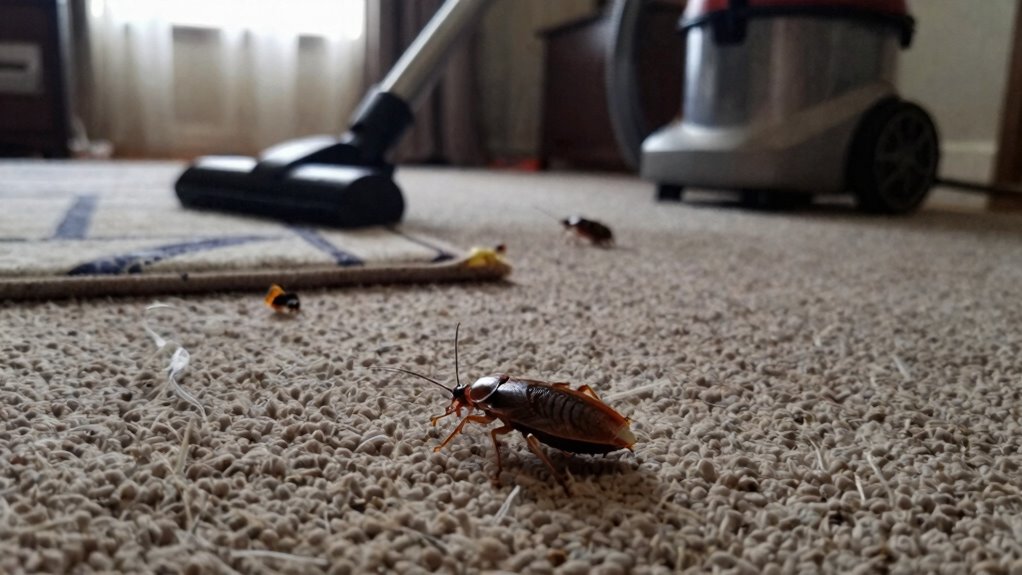
A well-meaning steam cleaner can turn a small carpet problem into a full-floor fiasco faster than you can say “oops.” The top five errors people make often boil down to a single theme: treating carpeted areas like open plains rather than the dense, layered environments they really are.
Ignoring cross contamination protocols by walking from one room to another shuttles bed bugs on shoes or pant cuffs, so always change footwear and cover pant legs between zones. Reusing the same vacuum canister without emptying it turns a cleaning tool into a bug taxicab, so empty the bag or canister outside after every single pass.
Spraying pesticides haphazardly just spooks bed bugs deeper into carpet fibers, which creates major treatment compliance barriers for your pest control service. Instead, use targeted insect growth regulators or professional heat treatments to reach them where they hide.
Stacking infested carpets or padding together before disposal gives bed bugs a transfer station, so seal each piece in heavy plastic bags and tape them shut before moving anything. Each mistake transforms a contained issue into a multi-room problem, but the fix is simple: understand that carpet is a maze, not a highway.
For thorough bed bug removal, focus on crack and crevice treatments along baseboards, and always inspect the carpet tack strips where bugs love to harbor. If you suspect a cross floor spread, call a licensed exterminator for a full inspection and ask about fumigation options for high risk areas.
Use a HEPA filter vacuum and discard the filter immediately after cleaning, then steam at 140°F or higher for at least 30 seconds per square foot to kill eggs and nymphs. Keep separate cleaning tools for each room, and never drag a carpet from one space to another without a sealed containment bag.
When in doubt, quarantine the affected carpet with double sided tape around the edges and treat it as a biohazard zone until a professional confirms it is clear. By following these steps, you can stop the spread at the source and protect your entire flooring investment from a bed bug breakout.
Does Steaming Actually Kill Bed Bugs in Carpets?
212 degrees Fahrenheit is the magic number for bed bug heat treatment in carpets. Yes, steam absolutely kills bed bugs and their eggs on contact when applied correctly.
The heat penetrates deep into carpet fibers and padding to target hidden infestations. However, bed bugs scatter fast when disturbed, so a slow methodical pass is critical for pest control success.
Rushing causes passive dispersal, spreading bed bugs to new untreated spots. A proper steamer with a 1 gallon tank and 45 minute runtime costs $80 to $150.
Move the steamer at one inch per second, hitting every carpet edge thoroughly. This technique ensures deep padding gets treated and eggs die instantly.
Bottom line for effective bed bug eradication: steam works, but careful application prevents disaster. Use a professional grade steamer and focus on methodical passes to avoid spreading the problem. For large areas, a whole-room treatment with heaters can ensure every inch reaches lethal temperature.
Which Chemicals Work on Carpeted Floors: and Which Fail?
Steam kills bed bugs in carpets, no question. But chemical treatments are a mixed bag, some work and some just make bugs angry.
Steam kills bed bugs in carpets, no question. But chemical treatments are a mixed bag.
Desiccant dusts like diatomaceous earth work well since they cling to carpet fibers and stay active for months. They dry out bed bugs but fail if applied wet or clumped, so avoid foggers.
Chemical barriers such as liquid sprays like Temprid FX create a treated zone bugs crawl through. They work on low-pile carpets but fail on thick shag where bugs hide deeper than the spray reaches.
Insect growth regulators like Gentrol prevent nymphs from maturing and reproducing. They are slow but effective for long term control, though they won’t kill adults instantly.
Patience is key with IGRs. Pyrethroid sprays alone often fail owing to many bed bugs being resistant.
They might scatter bugs making things worse. Bottom line, skip foggers and use dusts and IGRs for carpets.
Why Vacuuming Alone Fails on Carpet Infestations
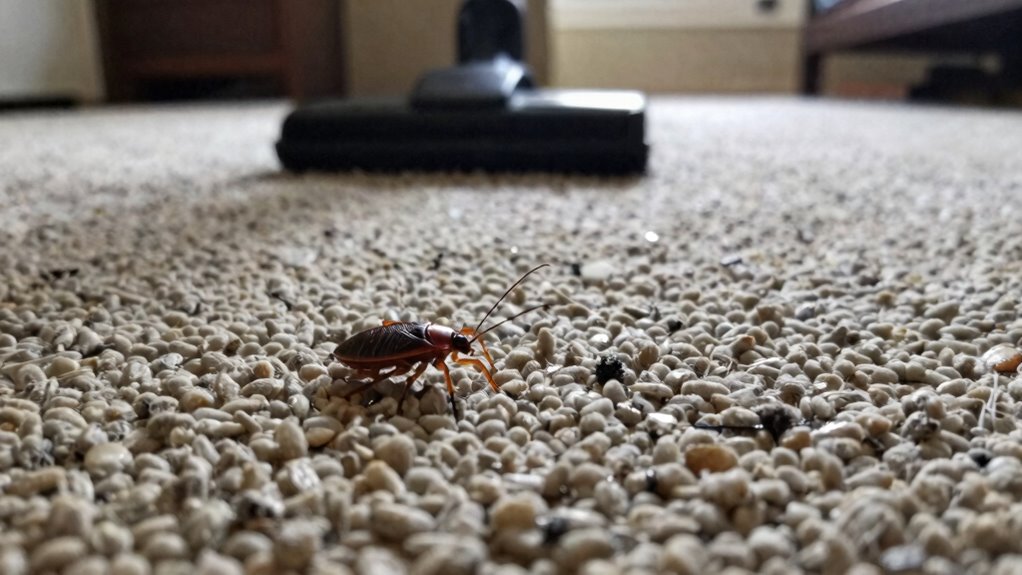
Vacuuming alone is a bit like trying to bail out a sinking boat with a teaspoon. It feels productive, but it’s not going to save you.
It only grabs surface bugs and loose debris. Eggs, nymphs, and deeply hidden adults remain untouched.
Bed bugs have remarkable environmental persistence. They survive weeks without food tucked into carpet fibers and padding.
Their life cycle duration spans about 30 to 45 days. This gives stragglers plenty of time to regroup.
| What Vacuum Gets | What It Misses | Why It Fails |
|---|---|---|
| Adult bugs on top | Eggs glued to fibers | Eggs resist suction |
| Dust and debris | Nymphs in padding | They cling tight |
| Fecal spots | Hidden harborages | Bugs just return |
Bottom line: vacuuming alone is a decent first step. But it is not a finish line for carpet pest control.
You will need steam treatment, insecticide dusts, or follow-up extermination services. These approaches truly clear carpets and break the bed bug life cycle.
For a complete carpet infestation solution, combine vacuuming with professional pest management products. This ensures you target both adults and hidden eggs at the source. To bolster your efforts, consider adding a laundry-based approach for any removable fabrics, as plant-based laundry additives can kill bed bugs at all life stages during a regular wash cycle.
Step-by-Step: Clear Bed Bugs From Carpets for Good
Can bed bugs live in carpets? Yes, they absolutely can, and here is how to evict them for good.
Treating carpet infestations requires a combined, step-by-step plan that targets both bugs and their eggs.
Start by inspecting every inch with a flashlight and a credit card. Check carpet edges and under baseboards for dark spots, live bugs, and skin shedding, those empty exoskeletons that confirm an active colony.
Then, steam, don’t just spray. A handheld steamer hitting 200°F kills bugs and eggs upon contact, so focus slowly on seams and depressions where surface sprays only chase them deeper.
Next, apply a desiccant dust like food-grade diatomaceous earth or CimeXa. Puff it into carpet cracks to dry bugs out over a week, then vacuum after 24 hours and reapply monthly for lasting protection.
If the infestation is severe, call in professional pest management. Heat treatments costing around $500 to $1,000 penetrate padding and guarantee full elimination, saving you from a repeat battle.
Vacuuming alone just scratches the surface, so this routine breaks the cycle for good.
For complete bed bug removal, pair your carpet treatment with mattress encasements and crack sealing to stop reinfestation at the source.
You’ll need patience and consistent follow‑up, but a pest‑free home is within reach.
Use a wet vacuum for any residual dust, and always wash affected fabrics at 140°F to kill hidden nymphs.
With this integrated pest control approach, you’ll evict bed bugs from your carpet permanently.
Frequently Asked Questions
Can Bed Bugs Live in Carpet if You Don’t Have a Bed?
Yes, bed bugs can absolutely live in carpet even if you don’t own a bed.
They aren’t picky about furniture, so a rug, couch, or even a pile of clothes works perfectly as a hiding spot.
Carpets give them excellent cover, especially along edges, under baseboards, and in low-traffic corners.
They’ll wait there for a blood meal from anyone sitting, lying down, or even walking past for a few minutes.
If you’re dealing with an infestation without a mattress, a thorough carpet inspection is your first smart move.
Use a flashlight and a credit card to scrape along seams and crevices, and look for tiny dark specks or shed skins.
For effective bed bug control in carpet, vacuum daily with a HEPA filter, then immediately seal and dispose of the bag outside.
Follow up with a residual insecticide spray labeled for carpets, or a diatomaceous earth dust applied along baseboards.
You’ll want to treat the whole room, not just the carpet, because these pests crawl to nearby furniture like sofas and chairs.
A quality bed bug interceptor trap under couch legs can help monitor activity, and a steam cleaner at 130°F kills eggs on contact.
If you’re ready to buy, look for a carpet-safe spray with pyrethrins or a professional-grade aerosol, and always test a small patch first.
For severe cases, a whole-room fogger won’t reach deep carpet fibers, so a targeted liquid or dust treatment is usually the smarter purchase.
Remember, bed bugs don’t need a bed, they need a host, and your living room rug is just as inviting.
Act fast, because every day you wait gives them more time to spread into curtains, pet bedding, and even electrical outlets.
How Long Can Bed Bugs Survive in a Carpet Without Feeding?
Bed bugs can survive in carpet for three to six months without feeding, but the outcome really depends on the carpet material. Thick, plush carpets offer better hiding spots, which can extend their survival time significantly.
When food is scarce, these pests slow down and enter a dormant state to conserve energy, much like a paused animation. This means they aren’t actively hunting you, but they’re waiting for the right moment to strike.
So, while a carpet might feel like a cozy refuge for them, it’s definitely not a permanent vacation spot. The key takeaway: they’re patient survivors, but they’re not immortal, and targeted treatment will end their stay.
If you’re dealing with an infestation, a thorough vacuuming followed by a steam cleaner can kill hidden bed bugs and their eggs in carpet fibers. For deeper penetration, consider using a residual insecticide spray labeled for indoor use, which keeps working for weeks after application.
Buying the right pest control product means checking for active ingredients like pyrethrins or diatomaceous earth, which are proven to dehydrate and kill bed bugs on contact. Always pair your carpet treatment with mattress encasements and interceptors under bed legs to cut off their feeding routes completely.
Remember, survival time shrinks fast when you disrupt their hiding spots and remove their food source. If you want a permanent fix, professional-grade foggers or a licensed exterminator’s heat treatment can wipe out every life stage in one session.
Don’t wait for months of insomnia; act within the first week of spotting signs like rust-colored stains or tiny shed skins. A smart purchase today saves you from a six month nightmare tomorrow.
Can Bed Bugs Lay Eggs Deep Inside Carpet Padding?
Yes, bed bugs can lay eggs deep inside carpet padding. Those eggs slip past carpet fibers into the nesting habitats below, especially along edges and baseboards.
Steaming is the best way to reach them, since surface sprays won’t cut it. Think of it as the world’s worst surprise under the rug.
For a clean verdict, professional steam treatment is your safest bet. If you are looking for bed bug heat treatment or carpet steamers for pest control, this is the most effective approach.
Always check the edges and baseboards for signs of infestation. Choosing the right bed bug killer for carpets will save you from a repeat outbreak.
Do Carpet Beetles Look Like Bed Bugs in Carpets?
They can look alike, so misidentifying pests in carpets is common. Carpet beetle signs include shed skins and damage to fabrics, while bed bugs leave distinct fecal spots.
Visual identification is key for effective pest control. Bed bugs are flat and apple seed shaped. Carpet beetles are round and often striped.
It is easy to mix them up, almost like a bad nature quiz. Check for beetle larvae near carpets, not just adult bugs.
If you see tiny, multicolored beetles, it is likely carpet beetles. For bed bugs, look for blood spots on your mattress or furniture.
To solve the problem, you need the right pest control products. Choose a targeted spray for carpet beetles or a bed bug killer for blood spots.
Can Professional Carpet Cleaning Alone Remove Bed Bugs?
Professional carpet cleaning alone is unlikely to fully remove bed bugs. It can suck up some bugs and eggs, but chemical effectiveness is limited because these pests hide deep in carpet fibers and padding.
Steam treatments have clear drawbacks. Steam limitations include not reaching all crevices or killing eggs without direct contact.
A typical steam machine costs $100 to $300. But it’s no magic wand for complete bed bug control.
For real results, combine professional cleaning with targeted insecticide application. Repeat treatments are essential to break the bug life cycle.
Otherwise, you’re just giving the bugs a steam bath. They will survive and reinfest your home.
If you’re searching for the best bed bug treatment for carpets, look for integrated pest management approaches. Use heat, vacuuming, and residual sprays together for total eradication.
Buyer intent matters here: do not rely on one method alone. Smart pest control buyers always combine cleaning with chemical and heat treatments.


