
How to Get Rid of Mosquitoes in the House starts with understanding where they breed, not just swatting them. If you’re tired of buzzing keeping you up at night, the fix is simpler than you think. Most people skip the outdoors, but a half-inch of water in a flowerpot saucer can produce hundreds of mosquitoes.
Inside, you just need a few tools like caulk, a door sweep, or a box fan to break their flight. This guide covers the exact steps to clear your home fast without calling an exterminator. You’ll get the full breakdown of sprays, airflow tricks, and entry-point sealing.
Keep reading to stop the bites tonight.
At A Glance
- Apply pyrethrin-based aerosol directly to baseboards, under furniture, and inside closets.
- Seal gaps around windows, doors, and utility pipes using caulk or expanding foam.
- Repair screens even tiny tears; mosquitoes squeeze through holes smaller than a pencil tip.
- Place a 16-inch box fan on high near doors or windows to create a barrier.
- Use Bti tablets in un-drainable water to kill larvae before they become adults.
Empty Outdoor Containers and Gutters to Stop Breeding
Mosquitoes need just half an inch of water to breed. Empty containers and clean gutters are your first line of defense.
Mosquitoes only need half an inch of water to breed. Start with containers and gutters.
This is mosquito prevention 101 and it is embarrassingly effective. Focus on two tasks for breeding control: gutters cleaning and container disposal.
Scrub flowerpot saucers, pet dishes, and bird baths weekly to knock off eggs. Toss old tires, cans, and buckets, anything that holds rain.
Gutters clogged with leaves are basically mosquito condos. Clean them every few weeks or pay a service forty bucks to do it.
Puncture unused items or cover rain barrels with wire mesh finer than a mosquito’s head. Neglect this and you are basically hosting a pool party for pests.
The bottom line is dry it out to shut them down. For standing water you cannot remove, consider using mosquito dunks with methoprene to stop larvae from maturing into biting adults. That is how you achieve reliable pest control.
Apply Larvicides to Water You Can’t Drain or Cover
Apply larvicides to any water you cannot drain, like ponds or rain barrels.
Bti tablets are a solid choice for mosquito control, as they kill larvae without harming pets.
Drop one tablet in and forget it for a month.
Methoprene granules work differently by stopping larvae from becoming adults, perfect for bird baths.
A $12 bottle treats dozens of gallons, and one tablet costs less than a soda.
Use these products only for non-drinking water, following all label instructions.
It’s not exciting, but it beats a mosquito infestation.
For set-and-forget ease, grab Bti tablets for your pest control needs.
For precise mosquito prevention, choose methoprene granules.
Either way, you will win the battle against biting insects.
These products are safe for fish, birds, and plants when used as directed.
Spray Dark Corners Indoors to Kill Hiding Mosquitoes
The gap behind a dresser or the shadow under a sofa, these are mosquito hideouts. Spraying those dark corners indoors targets adults resting between bites, but it’s a tactical move, not a cure-all.
Apply a pyrethrin-based aerosol directly to baseboards, under furniture, and inside closets. Hold the nozzle about eighteen inches away to kill on contact for quick relief.
Use a residual aerosol under beds for two to four weeks of protection. A non-residual fogger behind curtains works for hours only.
A concentrated spray in closet corners lasts three to six weeks. Under sinks, an aerosol with nozzle provides one to two weeks of coverage.
This method complements, not replaces, long-term fixes like removing standing water. Electrical zapping devices handle fliers, and natural predators like indoor geckos help too.
Neither reaches crevices like a targeted spray does. Use it weekly during peak season, then vacuum dead ones for a clean finish. Pyrethrin sprays typically kill within 15 to 30 minutes for fast relief.
Install Screens and Seal Cracks to Block Entry Points
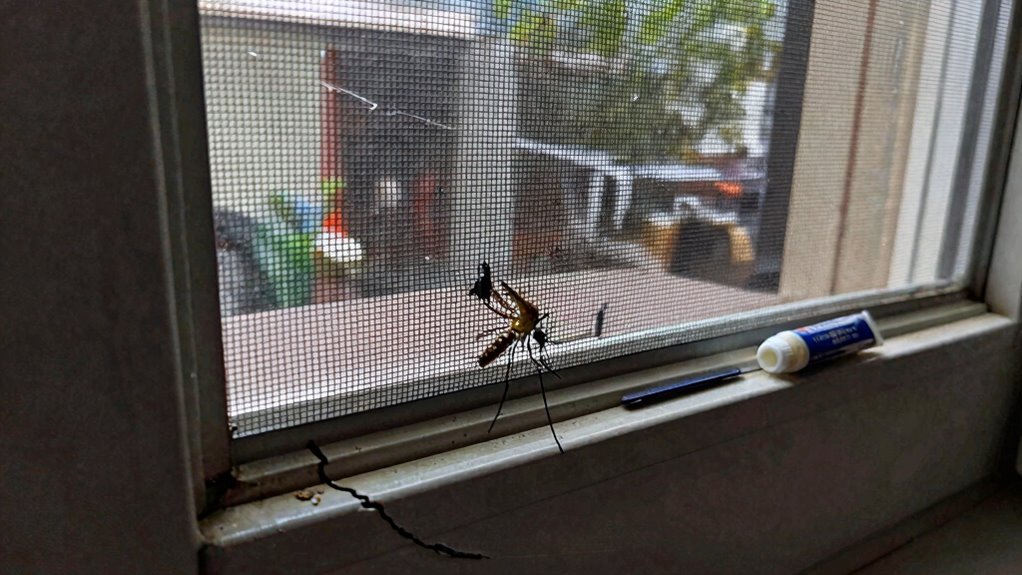
Blocking entry points stops mosquitoes before they become a problem. Sealing gaps around windows, doors, and utility pipes using caulk or expanding foam keeps them from sneaking in. A tube costs around five dollars. Repair screens even tiny tears since mosquitoes squeeze through holes smaller than a pencil tip.
Fiberglass mesh screen at eight dollars per roll beats aluminum for flexibility. Check corners attic vents and dryer vents sealing any gaps with weatherstripping or fine mesh. A door sweep for ten dollars at a hardware store blocks the bottom crack. This isn’t glamorous but it’s cheaper than weekly fogging services.
Spend an afternoon caulking and patching to cut indoor mosquito problems by half. Effective pest prevention starts with these simple seal-and-repair steps. For sealing larger gaps around vents and ducts, a 30Ft Steel Wool Roll provides a heavy-duty barrier that rodents and insects cannot gnaw through.
Use Fans and Air Conditioning to Repel Flying Mosquitoes
Fans and air conditioning do more than cool a room. They make it nearly impossible for mosquitoes to fly.
These pests are weak fliers, so even modest airflow strength disrupts their flight path. A typical 16-inch box fan, costing around $25, creates a breeze they cannot overcome.
For ceiling fan placement, aim it to push air downward in a steady current. Focus this airflow near seating areas to create a mosquito-free zone.
Set fans on high near doors or windows to form a barrier against incoming bugs. Air conditioning set below 70°F slows their metabolism, making them sluggish.
Pair this with a fan blowing across the room for a powerful double defense. This combination works best in small, enclosed spaces.
A drafty cathedral ceiling, however, allows mosquitoes to travel freely. Bottom line, crank up the airflow and position fans smartly. Using steady airflow naturally discourages mosquitoes and flies from landing.
You can enjoy a bite-free evening without bug spray. It is cheap, easy, and highly effective pest control for your home.
Wear Repellent and Long Clothing for Personal Protection
Even when the house is sealed tight and the fans are humming, a single mosquito can turn a quiet evening into an itchy ordeal.
Personal protection remains your last line of defense, and here repellent effectiveness is everything, so don’t skimp.
Consider these four strategies for pest control that works.
First, choose EPA approved repellents with DEET (20 to 30 percent for adults), picaridin, or oil of lemon eucalyptus, as they last hours, not minutes, and a product with 20% Picaridin can provide protection for up to 12 hours.
Second, wear long sleeves and pants, preferably light colored and loose fitting, which mosquitoes find harder to bite through.
Third, treat clothing with permethrin, using a spray bottle that costs around ten to fifteen dollars, for an invisible shield that stays strong through multiple washes.
Fourth, reapply repellent after sweating or two hours, since even the best defense fades.
The verdict is simple: layer up and spray smart.
It is cheap, it works, and you won’t end up looking like a polka dotted pincushion.
Maintain Weekly Habits to Prevent Mosquitoes Long-Term
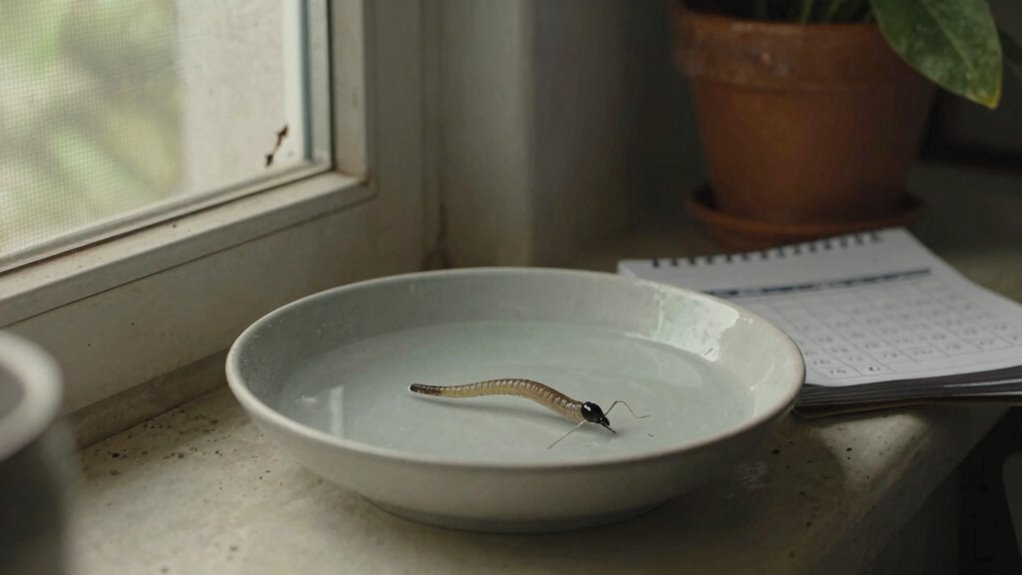
Repellent and long clothing will patch a problem, but weekly habits build a fortress that keeps mosquitoes from ever becoming a problem in the first place. A dedicated Sunday scrub of flowerpot saucers and pet dishes scrapes away eggs before they hatch.
This habit costs nothing but a few minutes and is a powerful pest control solution. Check outdoor breeding sites every week: flip kiddie pools, overturn toys, and unclog gutters.
A single bottle cap of water can breed a hundred larvae, so inspect for standing water regularly. For stubborn spots like bird baths, dump them every three days or drop in a Bti dunk.
That bacteria tablet kills larvae but leaves pets alone, making it a safe larvicide choice. Join community control programs to coordinate ditch clearing and tire disposal.
One neighbor’s leaky spigot can feed your whole block’s mosquito problem, so teamwork is key. The payoff is fewer bites, less spraying, and a quieter summer.
Make it a casual, weekly ritual, and your porch will thank you with minimal mosquito activity.
Frequently Asked Questions
Can Mosquitoes Breed Inside the House Without Standing Water?
Mosquitoes do not breed indoors without standing water. However, they can sneakily exploit hidden dampness sources like a single bottle cap of water.
That tiny amount is enough for eggs to hatch. So indoor containers like vases, pet dishes, or even damp drain traps become nurseries.
Any dampness that lingers, say from a leaky pipe or a wet mop bucket, invites infestations. The rule is simple: no standing water, no larvae.
To protect your home, check and dry these spots weekly. For stubborn indoor breeding grounds, use a targeted mosquito larvicide or a residual spray for extra defense.
What Is the Best Way to Kill Mosquito Eggs Indoors?
The best way to kill mosquito eggs indoors is with diatomaceous earth, a fine fossilized powder that dries out eggs and larvae. Sprinkle it in dark corners and under sinks for effective mosquito egg control.
Vacuuming surfaces also physically removes eggs before they hatch, making it a solid second step. Use a HEPA filter vacuum for thorough suction to capture even the smallest eggs.
Diatomaceous earth costs around ten dollars, lasts for months, and is safe for pets if you choose food-grade varieties. Pair these two methods for zero survivors and long-term indoor mosquito prevention.
Do Ultrasonic Mosquito Repellents Really Work Indoors?
Ultrasonic mosquito repellents claim to scare bugs away with high‑frequency sound, but here’s the catch. That noise often falls right into the human hearing range, so you’ll hear it more than any mosquito will.
Science is clear on this one: indoor studies show these gadgets don’t actually repel mosquitoes. You’re paying $20 for a toy, not a pest control solution.
If you’re serious about mosquito control indoors, invest in a fan for $15 to $30, which disrupts their flight, or fix window screens to block entry. Those are proven pest management tactics that actually work.
So before you buy an ultrasonic repellent, think about what you really want: a mosquito-free home, not a buzzing nuisance. Skip the gadget, and save your money for a real mosquito trap or a professional pest control service that delivers results.
Bottom line: ultrasonic devices are more of a gimmick than a practical indoor solution, so choose proven mosquito repellents and insect control methods instead. Make the smart purchase, and you’ll enjoy a quieter, bite-free space.
How Do I Stop Mosquitoes From Coming Through Air Vents?
Air vent screens and vent sealing are the answer, plain and simple.
First, measure the vent’s opening, then cut a fine mesh screen to fit snugly.
Use aluminum with a 20×20 mesh, roughly $8 a roll, and secure it with clips or tape.
For gaps around the frame, apply paintable caulk or foam sealant as a mosquito proof draft stopper.
This pest control tactic stops these sneaky critters cold.
For the best home pest prevention, consider buying a high quality vent screen kit for a perfect fit.
Bottom line: screen it, seal it, done. You will effectively block entry points and keep your indoor space mosquito free.
Can Houseplants or Indoor Soil Attract Mosquitoes?
Yes, indoor plants can attract mosquitoes, especially when the soil stays damp.
Overwatered houseplants create perfect breeding grounds for these pests.
Those little gnats you see are often fungus gnats, not mosquitoes.
However, stagnant water in plant trays invites the real deal into your home.
Check your plant’s saucer and remove any water that sits there for days.
That standing water is a mosquito nursery you can easily eliminate.
Let the soil dry out between waterings to break the breeding cycle.
This simple habit helps you control pests without harsh chemicals.
Bottom line: keep it dry and keep it clean for effective pest prevention.
For extra protection, consider using mosquito dunks or a targeted indoor insecticide.


