
Washing clothes after tick exposure isn’t as simple as tossing them in the washer—most cycles leave these pests alive and ready to bite again. Cold or warm water won’t cut it, but a hot water wash above 130°F breaks down their exoskeletons and eliminates nearly all blacklegged ticks.
The real hero is your dryer: a 10-minute high-heat tumble kills hitchhikers for pennies per load, making it faster and more reliable than any wash cycle. For lightly worn gear, you can skip the laundry altogether and move straight to checking your skin, especially behind knees and waistbands.
This guide covers the full tick-control routine, from heat settings to full-body checks and permethrin treatments for lasting protection. Stick with it to learn exactly how to handle exposed clothing, prep your gear, and finish with a thorough skin inspection.
At A Glance
- Wash clothes in hot water above 130°F to kill ticks.
- Tumble dry on high heat for at least 10 minutes to eliminate ticks.
- Dryer heat is more effective than washing alone for tick removal.
- Dry damp clothes on high heat for 60 minutes to ensure safety.
- Inspect clothing and gear for ticks before bringing them indoors.
Don’t Walk Inside Yet: Check Clothing and Gear First
Before you even think about stepping inside, check your clothes and gear for ticks. Ticks don’t care about your plans; they ride along, hiding in seams, cuffs, and daypack straps.
Before you step inside, check your clothes and gear for ticks hiding in seams and cuffs.
This first step matters since tick lifecycles and seasonal tick activity vary. Spring nymphs are tiny, autumn adults are bigger, but both cling tight. Look over light‑colored clothing closely. You’re three times better at spotting them on white versus black.
Check pets, too. They’re tick taxis that can bring pests into your home.
Miss one, and you invite a hitchhiker inside. It’s boring, but skipping it is like forgetting to lock your front door.
Do it now. Dry clothes on high heat for 10 minutes later, but first inspect thoroughly. This pre-wash step can be complemented by using permethrin-treated clothing, which kills ticks on contact and lasts through multiple washes.
How to Remove Ticks From Fabric Safely
A quick, focused removal stops a hidden hitchhiker from becoming a real problem. For best results in your home, always inspect gear and clothing after outdoor time. A tick removal kit offers stainless steel tools designed for safe extraction.
Wash Clothes in Hot Water to Kill Ticks
Wash clothes in hot water to kill ticks effectively. Cold or medium water leaves these tiny blood suckers alive to hitch a ride indoors.
From a public health standpoint, the risk of Lyme disease is too high for a cooler wash. Hot water above 130°F breaks down tick exoskeletons and is your best pest control defense.
One study found it kills 99% of blacklegged ticks in a single cycle. So crank the dial even if your favorite shirt shrinks, consider it a shrink flation on laundry.
Pair this step with careful gear checks to dramatically cut your tick borne illness risk. For clothing that cannot withstand hot water, permethrin spray treatments provide up to 40 days of protection or six washes to kill ticks on contact. Bottom line, hot water is not optional, it is your cheapest defense against ticks.
Why the Dryer Beats the Washing Machine
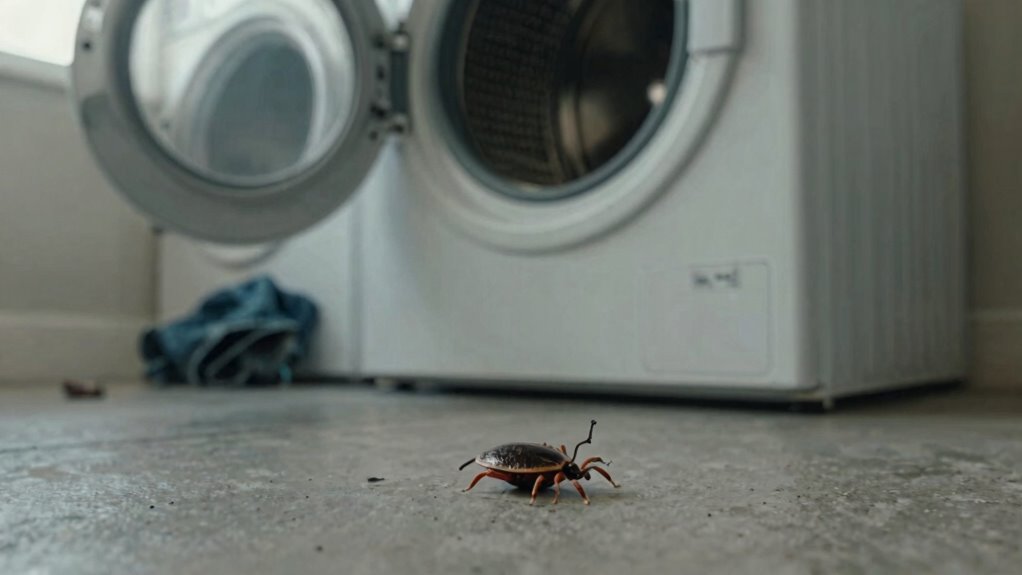
The dryer clearly beats the washing machine for tick removal. High heat kills ticks dead, while washing alone often lets them survive. Cold water and warm water are ineffective against these pests. A 10 minute tumble on high heat eliminates any lingering hitchhikers.
For effective pest control in your laundry routine, use the dryer’s heat setting. This simple step provides reliable tick extermination without extra chemicals. If you want buyer intent action, choose a dryer with a dedicated high heat cycle. It offers peace of mind for outdoor enthusiasts and pet owners. For added protection, consider treating your clothes with permethrin spray treatments to keep ticks off in the first place.
High Heat Kills Ticks
High heat is the one reliable tool for winning the tick killing contest between a dryer and a washing machine. Tick victims often find the little suckers survive a cold or medium wash, laughing at detergent.
A ten minute tumble on high heat means game over for these pests. For extra protection, consider using a permethrin pretreatment for your clothing.
This chemical treatment binds to fabric, killing ticks on contact and lasting through dozens of washes, even after the dryer. For long-term durability, choose factory-bonded permethrin that remains effective for up to 70 washes. Light colored clothing helps you spot ticks before they hitch a ride.
The dryer is your blunt instrument for pest control. It costs just $0.30 per load, it is quick, and it works every time.
No guesswork, just heat. So skip the washer drama and dry first, then wash if needed.
The bottom line for removing ticks is simple. Use high heat for ten minutes and you are done.
Dryness Ensures Elimination
A dryer’s high heat can help kill ticks, but complete dryness is what truly eliminates them. Without it, those crafty survivors can cling to damp fabric and wait for a new host.
For guaranteed tick death during pest control, full dryness is non negotiable. Ticks are moisture loving hitchhikers, and a damp towel is their five star hotel.
The dryer’s relentless tumble and high heat create a killing zone with low humidity. A 10 minute cycle on high for dry clothes works, but damp loads need 60 minutes on high or 90 on low.
The verdict is clear: dryers win because they guarantee complete dryness. No damp sanctuary is left for survivors. For children under three, DEET or picaridin are safer, more thoroughly tested options for tick prevention.
It is simple, really. Dryness ensures elimination, and that is the bottom line for effective tick prevention.
Machine Washing Falls Short
Drying clothes on high heat is the champion for killing ticks, but the washing machine often gets the first call for post-tick laundry.
It seems logical to scrub those creepy crawlers away, but the machine falls short because of a simple reason: heat duration.
Ticks need sustained high temperatures to die, and a typical wash cycle varies wildly in cycle variability.
Some cycles are too short or too cool, which gives ticks a chance to survive.
The dryer, however, is a consistent and predictable pest control oven.
It delivers steady, 10-minute bursts of high heat that ticks cannot withstand.
The washing machine frankly cannot match this heat consistency, so always follow up a wash with a long, hot dry.
Let the dryer do the dirty work, as it is better at finishing the job for effective tick elimination.
Unlike the washing machine, many broad-spectrum pest control kits cover up to 100 insect species including ants, cockroaches, and spiders.
Exact Dryer Settings to Kill Ticks on Any Load
The dryer is your tick-killing secret weapon for pest control. For truly dry clothes, just 10 minutes on high heat does the trick. Yes, that is all it takes to send those tiny pests packing.
Tackle damp loads by running them for 60 minutes on high or 90 on low heat. Ticks are stubborn and need extra time to toast, so this ensures complete elimination.
For best results, always use a dryer setting that reaches at least 130°F. This heat level is proven to kill ticks in all life stages, including eggs.
Check your laundry thoroughly before drying to avoid re-infestation. Buy a reliable dryer thermometer to confirm your machine hits the required temperature. For additional protection, consider adding a few drops of pure catnip oil to your laundry for its natural repellent properties.
Dry Clothing: Ten Minutes
Ten minutes on high heat is the magic number for killing ticks on dry clothing. This works reliably for any load size or fabric type as long as clothes are already dry.
Use the high heat setting, not medium or low. Let the dryer run a full ten minute cycle after clothes are completely dry.
Cotton, synthetics, and blends all respond the same way with no exceptions. Ticks cannot survive the desiccation process once exposed to high dryer heat.
You can skip washing entirely if clothes are only dusty or lightly worn. Just dry them on high heat to kill ticks and pests without extra steps.
One missed tick can cause Lyme disease, so this simple heat treatment matters. It costs nothing extra beyond your regular drying time and electricity.
Toss dry clothes in the dryer on high for ten minutes and you are done. Your dryer acts as a tick killing hero without special gear or drama.
For extended outdoor adventures where ticks are a threat, consider adding an effective repellent like 20% Picaridin for up to 12 hours of additional protection.
Damp Clothing: Extended Time
If clothes come in damp from a sweaty hike or a rainy afternoon, ticks get a second chance to cling on unless the dryer settings are precise.
For damp clothing, the standard ten minute high heat won’t cut it because the humidity insulates them.
Instead, run the load on high heat for a full 60 minutes.
Low heat needs 90 minutes for effective tick control.
Load size matters.
A smaller, less packed dryer will dry faster, so adjust your drying time accordingly.
Ticks die only when clothes are bone dry and hot.
This is not guesswork, so toss in a dry towel to absorb extra humidity if the load is bulky.
Damp clothes demand patience for pest prevention.
Set a timer, resist peeking, and let the heat do its job.
A quiet hour of drying beats a surprise tick later.
For additional protection while handling damp clothes, consider using a 20% Picaridin repellent on exposed skin before outdoor activities.
Washing Alone Insufficient
Even the hottest wash cycle won’t remove ticks, because these pests are surprisingly strong swimmers. Relying on water alone is not enough for effective tick control.
The real solution is high heat, and your dryer must complete the job the washer starts. Ticks hold their breath, avoid detergent, and cling to damp fabric.
High heat stops tick mobility quickly, making it a reliable pest management strategy. For dry loads, tumble on high for 10 minutes to kill them.
Damp clothes need 60 minutes on high or 90 minutes on low heat. No shortcuts or guessing when it comes to pest elimination.
A warm, bone-dry finish guarantees these pests are dead. Skip this step and you are just wetting ticks, not stopping them.
The bottom line for effective tick prevention is simple. Do not trust the wash cycle alone. Commit to the full dry cycle every time. For added defense, consider pretreating your clothing with an EPA-registered spray that bonds to fabrics like cotton and nylon, offering up to six weeks of protection against ticks before they ever reach your skin.
When to See a Doctor After a Tick Bite
A doctor’s visit becomes necessary after a tick bite when certain warning signs appear. Watch for rash timing, a bull’s-eye pattern like a tiny target may show up three to 30 days later.
Symptoms onset such as fever, chills, or fatigue can sneak in silently. If a rash spreads quickly or flu-like feelings hit, don’t wait, call your doc.
Ticks can pass Lyme and other nuisances, but only after 24 to 48 hours of attachment. Remove the tick immediately with tweezers, clean the bite with soap, and save the tick in a bag for testing if possible.
Most bites are harmless, but a headache with stiff neck isn’t a joke. When in doubt, a quick check with a pest control expert beats a regretful “should’ve.”
For professional yard treatments to reduce tick habitats, contact a local pest control service. A proactive inspection can target common hiding spots like tall grass and woodpiles. Permethrin-treated clothing provides an additional barrier against tick bites without needing topical application to the skin.
Do a Full-Body Tick Check After Drying

Always perform a full-body tick check after drying, since ticks can resemble a speck of dirt or a freckle. Use the mirror technique to inspect hard to see areas, like your back and scalp.
Enlist a friend or family member for tricky spots. Ticks are sneaky little hitchhikers that require careful pest control attention.
Check these zones thoroughly.
| Body Part | Why It Matters |
|---|---|
| Behind knees & armpits | Warm, dark folds attract ticks looking for a meal. |
| In & around ears | Ticks can crawl up necklines; ears are a common hideout. |
| Belly button & waistband | Ticks love tight, sweaty crevices; check carefully. |
Ticks often attach where clothing rubs skin. Take your time, use good lighting, and scan every inch.
A quick check now beats a doctor visit later. For effective tick prevention, inspect all gear and pets too.
Consider using fine-tipped tweezers for safe removal if you find any attached ticks.
Use DEET Safely on Skin and Clothing
When you’re out in tick country, use a repellent with 20 to 30 percent DEET for reliable protection. It actually works, unlike that spray you bought at a gas station that smelled like regret. DEET-based repellents deliver heavy-duty, long-lasting protection for severe insect activity, offering up to 10 hours of defense with fewer reapplications.
Proper DEET application starts with the skin, not the bottle. Spray it on exposed areas, then wash your hands afterwards to avoid tasting it with lunch.
Proper DEET application starts with skin, not bottle. Spray exposed areas, then wash hands.
Skin safety hinges on three simple rules. Never apply DEET under clothing, as it doesn’t need a secret layer.
Avoid cuts, sunburn, or rash zones where your skin is already complaining. Use lower concentrations for kids, and skip infants under two months entirely.
For clothing, spray lightly on outer layers and let it dry before dressing. It won’t ruin your gear, just your tick’s day.
Bottom line: DEET is your practical shield for outdoor pest control. Treat it with respect, not fear, and buy the right concentration for your needs.
Treat Outdoor Gear With Permethrin Before You Go
Permethrin is your gear’s invisible bodyguard, not something you spray on skin.
Apply the treatment a day or two before you head out, using a 0.5% spray that bonds to fabric fibers and stays put for weeks.
Ticks die on contact, which beats finding them later.
This pest control method works on boots, socks, daypacks, and even tent floors.
Anything that touches grass needs protection.
A 6-ounce bottle runs about $10 and covers a full outfit plus extras.
You must let it dry completely, ideally overnight.
Rushing it means less protection, and nobody wants that.
The bottom line is treat your gear, not your skin.
It is cheap, easy, and keeps those little hitchhikers from tagging along.
Always store leftover concentrate in a tightly sealed original jug away from sunlight and heat.
Frequently Asked Questions
Can I Use a Clothes Steamer to Kill Ticks Instead of a Dryer?
Using a clothes steamer is not recommended for killing ticks. Steam temperature may get high, but it does not reliably penetrate fabric layers or guarantee consistent contact like a dryer does.
A dryer’s sustained high heat for at least ten minutes is a proven tick control method. For effective pest management, you need thorough heat treatment that reaches deep into clothing folds.
Chemical alternatives like permethrin sprays work better for camping gear and outdoor clothing. But these tick repellents require drying after application, not steaming, so skip the steamer for tick removal.
Stick with the dryer for treating infested clothes. It is a boring but reliable tick prevention tool that ensures you handle tick infestations safely.
How Do I Clean Tick-Exposed Items That Cannot Be Machine Washed or Dried?
For tick exposed items that can’t be machine washed, dry cleaning is a reliable option. The heat alone kills ticks effectively without damaging delicate fabrics.
Hand washing in hot water over 130°F for ten minutes likewise works. Just verify thorough drying by using a high heat setting if possible.
As a backup, seal items in a plastic bag for 48 hours to suffocate ticks. This method takes longer but is useful when heat isn’t available.
Remember, ticks are persistent little hitchhikers. Heat is your best weapon for effective pest control on clothing and gear.
For recurring tick problems, consider investing in a portable clothes steamer or a handheld fabric sanitizer. These pest control products give you on the spot heat treatment without machine washing.
Will Putting Tick-Infested Clothes in the Freezer Kill the Ticks?
Freezing clothes to kill ticks is not recommended for thorough pest control. Home freezers, typically reaching 0°F, require several days to kill ticks, yet most models struggle to maintain that temperature consistently.
Energy consumption spikes from prolonged running, and fabric damage risk increases from ice crystal formation. Ticks survive short freezing periods, making this method unreliable for effective tick removal.
Drying on high heat for 60 minutes is faster, cheaper, and less likely to harm fabrics. Stick to heat for dependable tick elimination, and avoid wasting electricity on a risky freezing approach.
How Long Can a Tick Survive on Clothing Left in a Laundry Basket?
A tick can survive on clothing in a laundry basket for up to 24 hours, sometimes longer if the basket’s humidity is high. Ticks need dampness to live and can cling tightly to fabric fibers.
Dry conditions shrink tick survival time, but damp clothes keep them dangerously active. Don’t assume air alone kills them, because they are patient hitchhikers waiting for a host.
To end the threat, toss clothes straight into a dryer on high heat for 10 minutes. This is faster than hoping they die from boredom and offers reliable pest control.
For extra protection, use a tick repellent spray on laundry baskets and hampers. You can also add a pest control powder to kill hidden ticks before they reach your skin.
If you need to wash infested clothes first, use hot water and then immediately dry on high heat. This combination ensures no tick survives, making your home safer.
Check your outdoor gear and pet bedding the same way, because ticks often hide in those items. A quick dryer session is your best defense against a full on infestation.
What Should I Do if I Find a Tick Crawling on Me After Starting Laundry?
Don’t panic if you spot a tick crawling on you after starting laundry. Quickly remove it with fine tipped tweezers, gripping as close to the skin as possible and pulling straight upward without twisting.
Put the infested clothes into a laundry basket quarantine, separating them from other items immediately. You can run them through a high heat dryer cycle for at least 10 minutes to kill any hidden ticks or eggs.
Ticks are slow and clumsy, so you’ve got the upper hand in this situation. After removal, thoroughly check your body, especially warm hidden areas like armpits and behind knees.
For ongoing protection, consider buying a reliable tick repellent spray or a professional pest control kit for your yard. Topical treatments and permethrin treated clothing can also reduce your risk of future encounters.
If you live in a high tick region, invest in a good pair of tick removal tools and a magnifying glass for accurate checks. This smart purchase will give you peace of mind every time you head outdoors.


