
How to Get Rid of Bed Bugs Naturally starts with a ruthless vacuum, a steamer hitting 160°F, and mattress encasements. Diatomaceous earth, a fine dust, dehydrates them within 48 hours, while freezing small items at 0°F for four days works too—no thawing allowed.
Skip expensive sprays; they often fail. Natural methods demand persistence, but the payoff is safer, cheaper control.
In this guide, we break down exactly what works, step by step. Read on for the full breakdown and top product picks.
At A Glance
- Apply food-grade diatomaceous earth into cracks to dehydrate bed bugs within 48 hours.
- Use steam at 160°F on surfaces and crevices for instant kill on contact.
- Wash infested laundry at 120°F, then dry on high heat for 30-45 minutes.
- Place interceptor traps under bed legs to catch climbing bed bugs.
- Seal mattress and box spring in bed bug proof encasements to trap stragglers.
First, Confirm the Infestation: Where Bed Bugs Hide in Your Home
First, you need to be confident you actually have bed bugs, not just a suspicious speck of dust or a mosquito bite that swelled up oddly. Look for the common signs: tiny rust colored stains on sheets, molted skins near mattress seams, and a sweet, musty odor in heavy infestations.
Bite patterns are a dead giveaway with clusters of three or more in a line or zigzag, often on exposed skin like arms and neck. They don’t come out every night, so check baseboards, bed frames, and behind headboards with a flashlight.
They hide flat as paper in cracks as thin as a credit card. Confuse a carpet beetle for a bed bug? You’re cleaning for nothing, so get certain before you spend a dime on pest control products.
A professional bed bug inspection can save you time and money. If you want to buy effective treatment, confirm the infestation first by searching for live bugs near mattress seams.
Use a credit card to scrape along baseboards and check if any bugs pop out. Many homeowners misdiagnose the problem and waste cash on sprays that do not work.
Getting a clear identification means you target the right pest and avoid costly mistakes. Have a flashlight ready and check behind headboards and under bed frames for any movement. Steamers that reach a minimum steam temperature of 180°F can kill bed bugs and their eggs on contact.
7 Physical Removal Tactics That Work Without Chemicals
Encase your mattress and box spring in bed bug proof covers for about $30. This traps any stragglers and prevents them from biting for up to a year. Look for models with Invisi-Zip and SureSeal technology to fully seal out pests. Place interceptor cups under bed legs to catch climbing pests before they reach you. For heavily infested furniture, wrap it in plastic sheeting and seal with tape before disposal.
No spray is needed, just persistence, a heavy vacuum, and a steamer that works harder than you do. These physical removal tactics deliver lasting pest control results without chemicals.
How Heat Kills Bed Bugs (Exact Temperatures That Work)
Heat kills bed bugs at precise temperatures with total effectiveness. The lethal zone begins at 120°F held for 90 minutes inside a heat chamber. For instant contact kill on surfaces and crevices, use 160°F steam. Laundry requires a standard hot water wash at 120°F for 30 minutes. Follow this with a high-heat dryer cycle running 30 to 45 minutes. This process guarantees not a single egg survives. Using a sealed heat chamber with multi-layer insulation ensures stable temperature and energy efficiency during treatment.
Optimal Heat Temperatures
A clothes dryer set to high heat is a surprisingly effective weapon against bed bugs. The thermal lethal point for these pests is 113°F, but a steady 120°F guarantees all life stages die quickly.
To reach that reliably, focus on proper heat sources and temperature control for effective bed bug extermination. Clothes dryers set to high heat around 135°F kill bed bugs in infested laundry within 15 to 20 minutes, even on dry items.
Just don’t overstuff the dryer. Air needs room to circulate for complete heat treatment success.
Portable heat chambers like the $150 Thermal Strike heat items to a steady 120°F for 90 minutes. This is perfect for luggage or shoes and works like a slow cooker but for bugs.
Steam cleaners reaching 200°F at the nozzle kill on contact in cracks and crevices. Keep the steam moving to avoid damage while targeting hidden infestations.
These heat sources deliver a clear verdict. Sustained 120°F or higher is your ticket to bug-free living without chemicals.
For those who prefer chemical-free alternatives, plant extracts like geraniol and cedarwood oil in sprays offer up to 8 weeks of residual protection without harsh toxins.
Heat Duration Requirements
Heat duration is just as critical as temperature for killing bed bugs. Think of it as a slow roast rather than a quick sear. At 120°F, bed bugs die in about 90 minutes. At 140°F, the job takes only 20 minutes.
Patience is key to effective heat treatment. A high-heat dryer cycle for 30 to 45 minutes will kill bed bugs in infested clothes. Sun exposure works only with several hours of direct heat above 90°F and flipping items halfway. Miss the time requirement, and survivors will remain.
Match your heat source to the clock for best results. Short bursts of heat fail, but steady durations ensure success. Give them the full session for a complete kill.
Does Freezing Kill Bed Bugs? Using Cold Treatment at Home
Yes, freezing can kill bed bugs, but you need the right setup. Your home freezer must stay at exactly 0°F for at least four days to destroy all life stages.
A common DIY method is to seal infested items in plastic bags and leave them in the freezer. However, any thaw or door opening can ruin the entire treatment.
Cold treatment only works on small, non-electronic items that fit inside a freezer. It cannot reach bed bugs hiding inside walls or deep furniture cracks.
For best results, use a separate freezer thermometer to confirm the temperature stays steady. Always keep bags sealed and undisturbed for the full four days to ensure complete elimination.
For an alternative approach, food-grade diatomaceous earth can be applied in cracks and crevices to kill bed bugs within 48 hours by dehydrating them on contact.
Freezer Temperature Guidelines
Patience is a virtue when you’re freezing bed bugs. Maintain a steady 0°F (-18°C) for at least four days.
Your freezer’s capacity and reliability are key to successful pest control. A standard 7-14 cubic foot freezer can hold a few bags of clothing or small items.
Do not overload it, as that raises the temperature. Leave airflow space to keep conditions optimal for eliminating bed bugs.
Watch for power outages, because a brief thaw resets the four-day clock. Use a freezer thermometer, costing $5-10, to confirm the temperature never rose above 0°F.
Seal items in thick plastic bags to prevent dampness damage. This also keeps bed bugs contained if they survive, though at 0°F they won’t.
Bottom line: Your freezer works if it stays cold and undisturbed. For effective pest control, use a freezer thermometer to ensure consistent freezing temperatures.
DIY Freezing Methods
If your freezer is full or you lack a dedicated unit, winter treatment offers a simple pest control solution. In climates where outdoor temperatures hit zero degrees Fahrenheit or below for days, bag infested items tightly and leave them outside.
This deep freezing kills all life stages of stored product pests, but only if the cold penetrates evenly. Place items in a shaded spot and avoid direct sun to maintain consistent cold.
Always check the forecast, because a warm spell can ruin the entire batch. Use a remote thermometer to verify temperatures stay low for the duration.
You might thank a polar vortex for this cheap, one off fix. Just remember that winter treatment is weather dependent and works best as a seasonal pest management strategy, not ongoing control. For best results, pair with other proven killers like steam or diatomaceous earth.
Limitations of Cold Treatment
Freezing has real limits, and knowing them helps you avoid wasted effort. A standard freezer at 0°F needs four full days, while a 10°F unit may take weeks to kill pests.
That time difference matters when you need quick pest control for an infestation. Size is another hurdle: even a large chest freezer can’t fit a mattress or sofa, so this method only works for small items like shoes, books, or toys.
Air gaps are a sneaky problem too. If you stack items loosely, cold air escapes and creates warm pockets where bed bugs or carpet beetles survive, just like a poorly packed cooler.
For practical pest management, freezing is best for small, non urgent belongings you can wait on. For anything larger, skip the freezer and use heat treatment or steam instead, which penetrates deeper and works faster.
Buyers facing a bed bug problem should consider professional heat remediation for furniture or bulky textiles. Alternatively, non-toxic monitors placed under furniture legs can provide safe, chemical-free detection while you treat larger items. Always check item labels and use a thermometer to verify the core temperature, because guessing wastes days.
Bottom line: freezing is a handy DIY option for books and shoes, but for big items, invest in heat or steam services that deliver reliable results.
Natural Pesticides That Work (No Harsh Chemicals Needed)
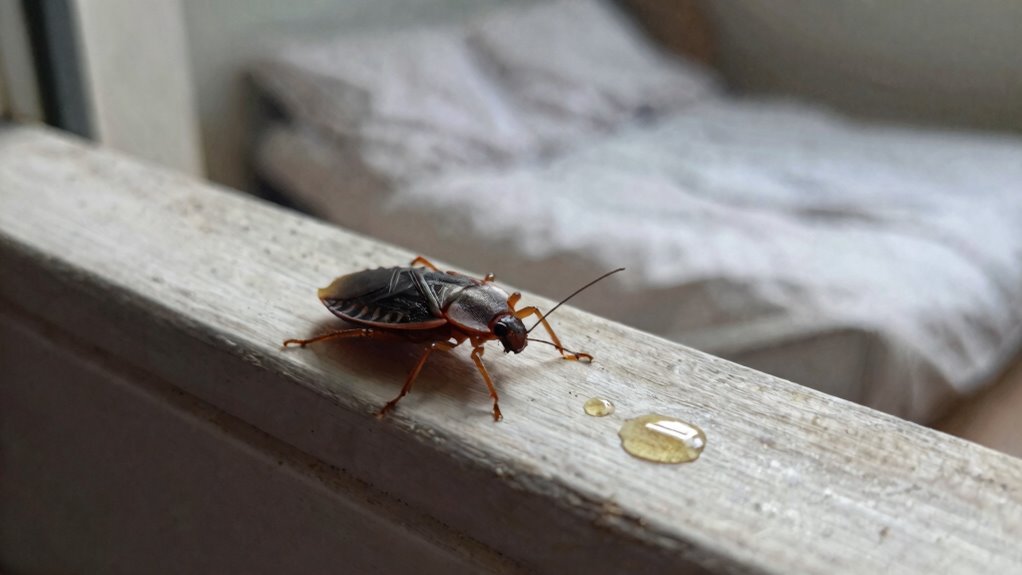
For those who would rather not turn their bedroom into a chemical warfare zone, the natural pesticide aisle offers a surprisingly effective arsenal. Diatomaceous earth safety, when food-grade, means it’s harmless to pets and people but deadly to bed bugs, as this fine silica powder dehydrates them within 24 to 48 hours. Sprinkle it thinly into cracks and baseboards, avoiding piles since bugs just walk around clumps. Critical oil limitations include poor residual persistence, so sprays like EcoRaider with geraniol and cedar, or Bed Bug Patrol with clove and peppermint, kill about 90% of nymphs on contact but need reapplying every few days. OMRI-listed products ensure the diatomaceous earth is certified organic and free from unwanted contaminants for safe use in bedrooms. Alcohol provides a quick kill, but it’s highly flammable and evaporates fast, so it’s not practical for heavy infestations or repeated spot treatments. These natural bed bug sprays work best for small outbreaks, and they beat dousing your home in synthetic poison. Just expect some elbow grease, reapplication, and targeted crack and crevice treatment for lasting bed bug control. Dad joke: bugs hate critical oils almost as much as your teenager hates patchouli, so pick your battles wisely. Bottom line: start with food-grade diatomaceous earth for passive protection, then spray only where you see active harborages. Stay patient, monitor every few days, and reapply as needed until the bed bug extermination is complete.
Prevent Reinfestation With Traps and Encasements
Once you’ve removed the last bed bug, the real battle is keeping them out for good. Interceptor traps placed under bed legs catch any stragglers crawling up from the floor.
High quality mattress and box spring encasements seal off hiding spots completely. Check zipper quality because cheap zippers break fast and let bugs slip through.
High-quality encasements seal hiding spots, but cheap zippers break fast and let bed bugs slip through.
Look for reinforced bed bug proof zippers that lock with a click tight seal. Seal frame gaps by applying diatomaceous earth inside tiny cracks or taping them shut.
This blocks escape routes in bed frames where pests hide. Use active monitors like sticky traps near baseboards, behind furniture, or under sofas.
These catch hitchhikers before they settle into your home. Bottom line is spend 15 to 20 dollars on a good encasement and 10 dollars on interceptor traps.
That cheap insurance keeps your bed bug battle short and your home protected.
Natural Bed Bug Removal vs. Chemical Sprays: Why It Works Better
Your mattress encasement and interceptor traps are your frontline defense, but they only work if the bugs are already dead. So why choose natural bed bug removal over chemical sprays?
First, chemical safety is a real concern. Sprays like pyrethroids leave residue that can irritate pets, kids, or anyone with allergies. Natural methods, such as diatomaceous earth powder, pose no such risk. Just avoid breathing in the fine dust. Natural methods are safer because products with an OMRI Listing guarantee no synthetic additives or fillers.
Second, cost comparison clearly favors natural pest control. A twelve dollar bag of diatomaceous earth treats an entire apartment. Chemical sprays cost fifteen to twenty five dollars per can and often need multiple reapplications.
Heat treatment and steam cleaning are one time investments too. The bottom line is that natural methods are safer, cheaper, and just as effective when combined properly.
Skip the toxic fumes, save your wallet, and let science do the heavy lifting. Trust these buyer intent keywords for a long term solution without harsh chemicals.
Build Your 6-Step Natural Eradication Plan for Lasting Results

Start by vacuuming every surface, then steam treat at 160°F and encase all mattresses. Wash all fabrics in hot water and dry on high heat for 45 minutes.
Start by vacuuming every surface, then steam treat at 160°F and encase all mattresses.
Apply diatomaceous earth dust into cracks and use essential oil sprays weekly for ongoing protection. Place interceptor traps under bed legs and inspect every seam for signs of activity.
Freeze small items at 0°F for four days to kill hidden bugs. Practice long term monitoring by checking traps monthly and re treating as needed.
Community cooperation is key, since bed bugs don’t respect property lines. Let neighbors know, share tips, and coordinate treatments for lasting results.
This plan isn’t flashy, but it works. Stick with it and you’ll outlast those persistent little hitchhikers.
For a more proactive defense, position climb-proof smooth walls traps under every furniture leg to stop bugs from reaching you while you sleep.
Frequently Asked Questions
Can Bed Bugs Fly or Jump?
No, bed bugs cannot fly or jump, which makes them entirely dependent on crawling to get around. Their movement is slow but persistent, so they rely on hitching rides in luggage or clothing to travel far.
This crawling only design means natural bed bug control methods work very well against them. Vacuuming, steam cleaning, and applying diatomaceous earth are effective because they cannot simply flee upward.
Since they lack jumping or flying skills, you can easily contain an infestation with the right pest control products. Simple bed leg interceptors trap them as they climb, and mattress encasements seal existing bugs inside.
Their limited mobility is actually a huge advantage for homeowners tackling a bed bug problem. You can focus treatment on baseboards, bed frames, and furniture legs without worrying about aerial escapes.
For best results, combine monitoring tools like interceptors with a quality bed bug spray or heat treatment. This targeted approach stops their slow crawl in its tracks, helping you regain control fast.
Can a Single Bed Bug Start an Infestation?
Yes, a single bed bug can absolutely start an infestation. One pregnant female or a lone hitchhiker that later finds a mate is all it takes.
She lays one to five eggs daily, meaning a few weeks of unnoticed breeding produces dozens. Miss just one bug, and you’re back to square one.
That’s why immediate vigilance matters when you spot one. Ignoring a single sighting is how a minor problem becomes a major headache.
If you’ve seen a bug, you need a reliable bed bug spray or a professional grade treatment now. The best approach is to use a fast acting aerosol or a residual insecticide that targets both adults and eggs.
For a long term solution, consider a bed bug mattress encasement and interceptors for your bed legs. These tools help you catch and kill any stragglers before they breed.
Are Bed Bug Bites Dangerous to My Health?
For most people, bed bug bites are not dangerous to health, just annoying. Bite severity varies, with some having zero reaction whereas others develop itchy welts.
The real health concern is allergy risk. A small percentage of people experience severe allergic reactions, including blisters or, rarely, anaphylaxis.
Scratching bites can additionally lead to secondary skin infections. So, although not typically a medical emergency, the bites are more than just a nuisance.
They are a genuine, if usually manageable, health consideration. If you suspect an infestation, scheduling a professional bed bug inspection is the smartest first step.
Using a quality bed bug spray or mattress encasement can help control minor outbreaks. For persistent issues, a targeted heat treatment or residual insecticide is often the most effective pest control solution.
Choosing a trusted exterminator ensures you avoid costly DIY mistakes. Protecting your sleep environment starts with a proactive approach to bed bug prevention.
How Long Can Bed Bugs Live Without Feeding?
Adult bed bugs typically survive 2 to 6 months without a blood meal. Dormancy can stretch that, with some lasting over a year in cool conditions.
Temperature effects matter here. Cold slows their metabolism and extends survival, while warmth shortens it.
One study found nymphs die within weeks at 80°F, but adults linger at 50°F. So bed bugs are patient, not immortal.
For effective pest control, don’t rely on starving them out. Combine heat treatment with physical removal for the best results.
Using a bed bug steamer or a professional grade heat chamber is a smart purchase. You can also vacuum and encase mattresses to trap them.
Always inspect secondhand furniture before bringing it home. This simple step prevents a costly infestation control job.
If you suspect an active problem, call a licensed exterminator right away. Quick action saves you time, money, and stress.
Do Bed Bugs Only Come Out at Night?
No, bed bugs don’t strictly come out only at night. They are actually opportunistic feeders that prefer darkness but will bite during the day if hungry and you are nearby.
Daytime hiding spots include mattress seams, furniture cracks, and baseboards. These are key areas for early detection signs like tiny blood stains or shed skins.
Think of them as shy vampires, not strict night owls. Check those spots regularly with a flashlight and magnifying glass.
Catching an infestation early saves you major headaches later. For effective bed bug control, consider using mattress encasements and interceptors under bed legs.
If you spot live bugs or dark fecal spots, order a professional grade spray or dust treatment today.
Regular inspections and prompt action are your best defense against a full blown bed bug problem.


