
So, do termite sprays actually work? Most store-bought cans are a waste of money—they only kill the termites you see, while the colony stays hidden underground.
Treating the surface is like swatting a few mosquitoes and ignoring the swamp. Sprays evaporate in days and leave no lasting protection.
Professional soil treatments cost $300 to $600 and last up to five years, targeting the real problem. If you’ve spotted termites, skip the spray and focus on what actually stops them.
This article breaks down the label tricks that make sprays seem effective, plus how to inspect your home properly. You’ll learn exactly what to do instead of wasting time on a short-term fix.
At A Glance
- DIY sprays kill only exposed termites, leaving the hidden colony intact.
- Over-the-counter sprays lack protective soil barriers, evaporating in days.
- Professional treatments use non-repellent poisons that spread poison through the entire colony.
- Chemical barriers from professionals last five years or more, unlike short-term sprays.
- Spraying visible termites provides false victory, failing to prevent structural damage.
Why Do DIY Termite Sprays Almost Never Fix the Problem?

Why do DIY termite sprays almost never fix the problem? Simple: they only kill termites that directly get wet, which is like trying to empty a lake with a teaspoon.
The real issue is colony detection failure, because your spray can’t locate the hidden nest that may be deep underground and slowly chewing on your foundation.
Plus, DIY toxicity risks are serious, since you are handling potent chemicals without proper protective gear. That could mean contaminating your well water or even your kid’s sandbox without realizing it.
Even professional exterminators can make mistakes, but they have the training and specialized equipment to apply liquid termiticides safely and precisely.
Your hardware-store can won’t deliver the same long term protection as a professional barrier treatment, which is designed to last five years or more.
If you spot termite activity, don’t reach for a spray can, instead call a licensed pest control company for a full inspection and targeted treatment plan.
A professional termite treatment isn’t just about killing visible bugs, it’s about breaking the entire colony cycle and protecting your property’s structural integrity.
DIY sprays only offer a temporary, superficial fix that often leads to repeat infestations and higher repair costs down the road.
When you hire a certified termite specialist, they use soil barriers, baiting systems, and focused wood treatments that match the exact species and infestation level.
That kind of comprehensive approach is what you need for real termite management, not a quick mist that misses the source entirely.
Some professional-grade concentrates like Bifenthrin-Plus-C or Revenge Termite Killer can create residual barrier protection lasting several years when applied correctly.
So the next time you see mud tubes or discarded wings, skip the store bought spray and request a free termite inspection from a local pro.
Your home’s foundation will thank you, and you’ll avoid the false economy of cheap, ineffective DIY solutions.
What Does the Active Ingredient Actually Do? (And Not Do)
The active ingredient in a termiticide like fipronil doesn’t instantly vaporize termites. It works by disrupting their nervous system after contact or ingestion, causing a slow, crawling death that lets them carry the poison back to the colony.
This creates the chemical barrier you’re paying for. The spray deposits a deadly zone in the soil that termites simply cannot cross.
So it’s not about hitting a few bugs. It’s about forming an invisible wall around your foundation for long term termite control.
What fipronil does not do is magically protect your house from every angle. A missed gap in the soil or a persistent dampness issue can turn that wall into a very expensive, useless puddle.
You still need a thorough inspection and proper soil treatment to get the full termiticide barrier protection. This is why professional pest control services always check for moisture problems and soil continuity first. For homeowners opting to handle the job themselves, ready-to-use sprays provide about a month of pest protection after one application, while liquid concentrates can be mixed with water for straightforward application as a barrier spray.
Mode of Action
Effectiveness depends on what the active ingredient actually does, and that is where many sprays fall short. Most over‑the‑counter products rely on fast‑acting poisons that kill termites on contact, but they fail to reach deep into the colony.
Colony elimination requires the poison to be spread throughout the nest, which these sprays cannot achieve because they lack proper soil penetration. The active ingredient simply stays on the surface, killing only the few termites that directly walk through it.
That is like trying to empty a swimming pool with a teaspoon. It is technically possible, but you will be at it forever.
For true colony control, a professional liquid termiticide must soak into the soil, creating a treated zone that termites unknowingly carry back to others. The bottom line is simple: if your spray does not penetrate soil, it will not eliminate the colony. Non-repellent active ingredients like fipronil or imidacloprid, however, are designed for contact and colony-wide control, allowing termites to move the poison through the nest instead of dying at the surface.
Chemical Barrier Role
So if a spray doesn’t soak into the soil, it is not doing the job of a chemical barrier. The active ingredient creates a continuous zone of soil toxicity, which termites cannot cross without being killed or becoming unable to feed. This is not about instant death. Most professional termiticides work slowly, allowing termites to share the poison with their colony before they die. Termite repellency is less about chasing them away. It is more about creating a no go zone they don’t realize is deadly. Soil toxicity must be uniform. A skipped patch is an open door for termites, kind of like forgetting to lock one window, they’ll find it. What it doesn’t do is kill the queen directly. Instead, it relies on workers tracking poison back to the nest over days. A cyfluthrin concentrate, with its long-lasting residual effects, can help maintain that continuous barrier on treated surfaces for weeks. Bottom line. If you see a spray that lacks soil soaking label directions, it is not a barrier, it is just bug perfume.
Why Killing Only Surface Termites Leaves the Colony Alive?
Think of surface termites as the soldiers in the open, while the real command center stays hidden underground.
Over the counter sprays only kill these few workers, leaving the queen and reproductives completely safe inside their mud tunnels.
Over-the-counter sprays kill a few workers but leave the queen untouched in her mud tunnels.
Those survivors simply retreat to hidden foraging sites, untouched by the poison you applied.
The queen keeps laying eggs, and new workers replace the dead ones in just days.
You have only trimmed the grass, not pulled the weed from the root.
A spray that does not reach the colony core is like swatting mosquitoes while the swamp keeps breeding.
Killing surface termites alone is a waste of money and offers zero structural protection.
It gives you only a false sense of victory, not real pest control.
For true termite treatment, you need a professional inspection and baiting or liquid soil barriers.
That is how you stop the colony at its source.
Direct-Kill Spray vs. Chemical Barrier: Why One Fails
Direct kill sprays only eliminate termites that get wet, so the hidden colony remains safe underground.
A chemical barrier works differently by creating an invisible fence in the soil around your home.
This barrier intercepts and kills termites before they can ever reach the structure.
The result is simple and effective: a barrier protects your property, while a direct spray just treats a few unlucky bugs.
That approach is like playing whack-a-mole with a termite infestation.
For lasting termite control, homeowners need a solution that targets the entire colony, not just the surface.
Many effective outdoor concentrates, such as those containing 7.9% bifenthrin, create a long-lasting residual barrier that intercepts pests before they reach the structure.
Direct-Kill Spray Limits
Direct-kill sprays only zap the termites you see. The hidden colony deep in the soil keeps churning. You have killed a scout, but its thousand cousins are still munching your studs.
These sprays evaporate or wash away in days, leaving zero protective shield against future invaders. It is like closing the front door after the burglar is already inside. Most over-the-counter cans lack approval for structural protection.
They are for spot-killing, not keeping your house standing. The fix is to call a professional who uses real termiticides that create a lasting barrier and target the colony. A ten-dollar can is not a termite solution.
A product like Ortho Home Defense uses bifenthrin to create a barrier that lasts up to a year indoors, but it is designed for ants and other crawling insects, not a true termite solution.
It is just a snack for the termites.
Chemical Barrier Benefits
A single squirt can’t stop a colony. Direct kill sprays only zap termites on contact, ignoring the hidden nest.
Chemical barriers create a lethal zone in the soil. Applied by pros, they exploit termites’ tunneling habits.
Any insect crossing the treated soil barrier picks up a slow acting poison. It carries that poison back to the colony to wipe out the nest.
This is why professional termite treatment standards exist. It is not a weekend spray and pray job.
| Feature | Direct Kill Spray | Chemical Barrier |
|---|---|---|
| Target | Visible termites only | Whole colony via retrieval |
| Soil barrier longevity | None. Spray dries fast. | 5 plus years. EPA tested. |
| Application | DIY. Risky. | Pro only. Labeled. |
Bottom line: sprays treat symptoms. Barriers solve the root problem.
Skip the can. Hire a pro and let their poison do the heavy lifting.
For similarly persistent pests, waterproof deltamethrin dusts provide residual control in damp environments without being washed away.
What the Label Actually Means (and What It Doesn’t Say)
A termite spray label is not a secret code, but it does require careful reading. EPA approval means the product is safe and effective for specific pests, not every bug in your yard.
Residue labeling tells you where the chemical lingers, such as in soil versus wood. Termiticide classification shows if it is a barrier product or just a contact killer.
Application legality varies by state, and some sprays need a professional license. Always follow the fine print. If it says “for termite control” but omits “structural protection,” it will not stop a colony.
Application legality varies by state, and some sprays need a professional license. Always follow the fine print.
Check the active ingredient. Fipronil or imidacloprid usually means a real barrier, while a generic “insecticide” label is worth skipping.
Watch for the warning “not for sole protection.” That means even the manufacturer admits it is not enough alone, like Terminate brand. Borate-based preservatives require regular reapplications every 1-5 years outdoors for ongoing pest control.
What Pros Do That Store Sprays Can’t
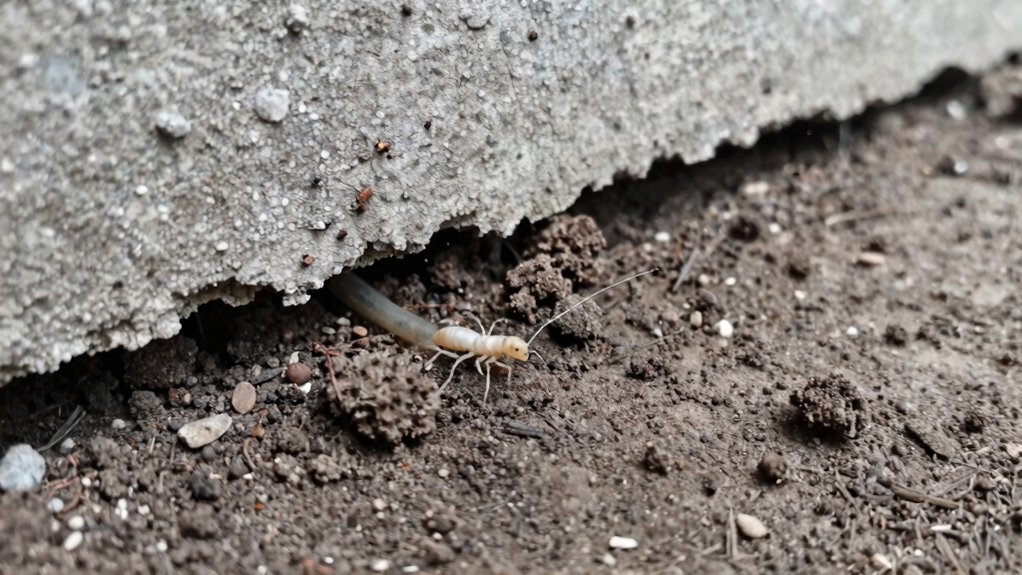
Professionals have equipment, training, and access to chemicals that store shelves simply do not carry. Store sprays only kill termites on contact, but they cannot protect your home’s foundation.
Pros use liquid termiticides like fipronil in Termidor to create an invisible chemical barrier around your house. These products carry EPA registration and have passed over 100 studies proving they stop entire colonies, not just a few bugs. Fipronil-based gels also offer residual protection up to three months when applied correctly, though termite barriers require professional application for lasting results.
State compliance matters too. Pros follow local rules for soil depth and well safety to keep your drinking water uncontaminated.
They also use high‑pressure rigs to inject termiticide deep into the soil. That power is something a grocery aisle spray can simply cannot match.
Bottom line: if you spot mud tubes or damaged wood, skip the store and call a licensed pro. That is the only way to get real, lasting termite control and protect your biggest investment.
How Long a Liquid Termiticide Barrier Lasts in Soil
Most professional liquid termiticide barriers remain effective for at least five years, often longer. This saves you from costly yearly re treatments and gives you peace of mind.
However, heavy rain or sandy soil can reduce barrier longevity, so annual inspections are still smart. No magic shield lasts forever, and staying proactive helps protect your home.
A typical professional treatment runs between 300 and 600 dollars. That covers half a decade of structure protection, not just a quick bug kill like cheap store sprays, unlike natural solutions which often struggle against larger or more stubborn pests like termites.
A professional liquid treatment costs $300 to $600 but protects your home for half a decade.
Bottom line: liquid barriers buy you years of termite control, not days. They are a smart investment for long term pest prevention.
Bait Stations vs. Sprays: Speed Comparison
Sprays are faster for termite control. They create a chemical barrier in the soil that kills termites on contact within days.
Bait stations use slow acting insect growth regulators. This method can take several months to eliminate the entire colony.
If you need a quick knockdown, sprays deliver immediate results. If you have time to wait, baits target the colony source. For ants, granular products like Ortho Fire Ant Killer provide fast contact kill and up to six months of protection.
Immediate Chemical Barrier Effects
The immediate chemical barrier effect is where liquid sprays shine brightest, and bait stations frankly lag behind. Sprays create a lethal zone in the soil, killing termites on contact within hours, not months.
They work by adjusting to soil structure, meaning clay or sandy soil gets treated differently for maximum coverage. Application depth is critical, so pros trench at least four feet deep to reach the foundation footer, ensuring nothing sneaks under.
Speed of death is a major advantage. Sprays stop termites mid tunnel, whereas baits require them to nibble, retreat, and share poison, a process that drags on for weeks.
Upfront cost for a professional liquid barrier runs $800 to $1,500, but you get instant results. Baits cost the same initially but need months of patience.
Peace of mind comes quickly with sprays. You see dead termites in days, not wait for a colony census, like hiring a bouncer instead of a ninja.
Bottom line: If you want immediate protection, liquid sprays win. Baits are for long term colony control, but they are not quick.
However, reapplication every four weeks may be necessary if pest activity returns, as bifenthrin spray typically lasts only 4 to 6 weeks.
Slow-Acting Bait Colony Elimination
Bait stations take the slow road to termite control, a strategy that rewards patience over panic. They rely on a slow acting bait, an insect growth regulator that termites carry back to the nest.
This shared meal spreads throughout the colony, eventually stopping molting and causing colony elimination. But it takes months, not minutes. For example, spinosad-based baits can take 1 to 3 weeks to eliminate ant nests through slow colony elimination, a similar delayed effect.
Speed trade off: sprays kill on contact, baits kill the whole group slowly. No barrier means baits do not protect your house from new invaders.
Commitment required: expect to renew contracts yearly. For an infestation you can see right now, baits will not save your walls tomorrow.
They are a long game, not a quick fix. If termites are munching your wood today, choose sprays for immediate impact and let baits be a future option.
Short-Term vs. Long-Term Results
Patience is a virtue, except when termites are eating your porch. When weighing long term vs. short term, sprays win the speed contest by killing exposed termites fast, while bait stations take months to wipe out the colony.
Sprays act as chemical barriers for immediate protection but require professional application to avoid contaminating water. Baits use slow acting growth regulators shared through the colony for long term control but demand years of contract renewal.
Sprays provide instant impact with five year soil effectiveness but kill only termites that touch the poison. Baits achieve colony elimination, yet results take three to six months and contracts cost two to four times more annually.
Need quick relief from an active infestation? Sprays stop damage now. Want full colony death for patient planners? Baits are your long term solution.
The bottom line for pest control buyers: sprays give short term relief, baits deliver colony elimination over time. Pick your poison literally. By contrast, natural oil-based repellents offer an eco-friendly, humane alternative that creates a scent barrier to deter stinging insects without using harsh chemicals.
The Real Cost of a Professional vs. a DIY Mistake
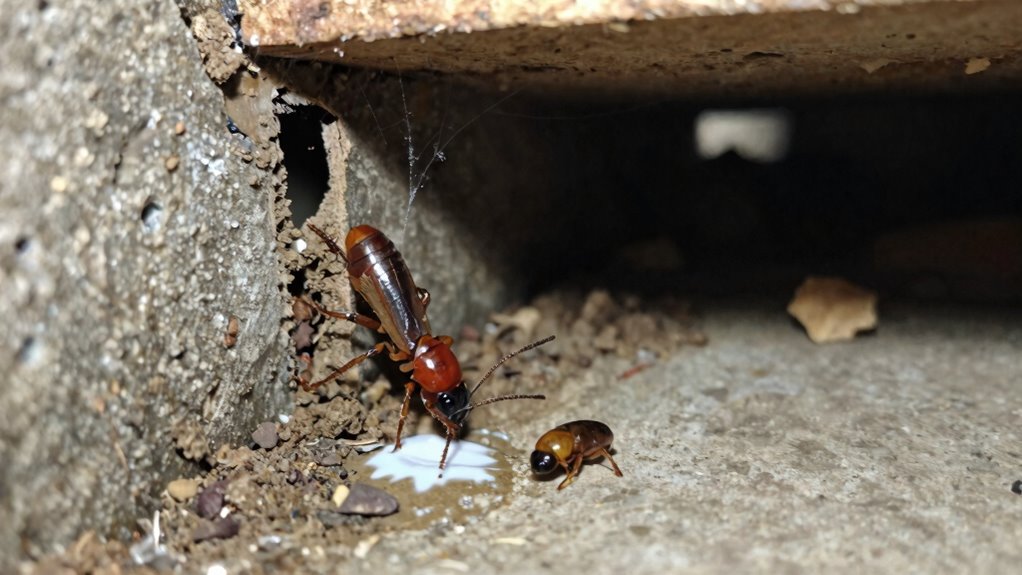
A do it yourself spray might look like a cheap option, but the hidden costs come from structural damage later. That bargain bottle can become a serious financial liability when missed termites chew through support beams. For ant problems, delayed-action bait allows workers to carry poison back to the nest for complete colony elimination.
Most homeowners don’t realize that improper application voids warranties on pest control contracts. Insurance rarely covers untreated infestations, leaving you exposed.
Professional termite treatment costs more upfront, typically $300 to $600 for a standard home. This price includes a guarantee that covers retreats if termites return within the contract period.
A DIY mistake leaves you footing the bill for expensive repairs. Those repair bills can run into thousands of dollars.
The bottom line is paying for expertise now beats paying for reconstruction later. Choosing professional pest control protects your home and your wallet.
3 Risks of DIY Termiticide Application
Applying DIY termiticide sprays creates a ticking clock of financial and structural risk for homeowners. The problem is not just killing termites. It is doing it without turning your yard into a contamination site. Here are three glaring hazards.
Disposal hazards are real. Leftover chemicals need special handling because dumping them down the drain is illegal. That drum of fipronil will haunt your garage forever, next to your broken treadmill. Applicator safety is another minefield.
Those labels warn about protective gear for a reason. Skin contact or inhalation can cause nausea, dizziness or worse. You are not a pro wearing a respirator and Tyvek suit. You are in flip-flops holding a hose.
Environmental contamination hits hard when runoff poisons soil, water wells or plants. This triggers homeowner liability for cleanup costs or neighbor lawsuits. Suddenly that “savings” of 200 dollars evaporates into thousands in damages.
Bottom line is that DIY treatments trade short term cost for long term legal and physical risk. Hire a professional termite control service to avoid health hazards and property damage.
Why Your Annual Inspection Matters More Than Any Spray
No spray, no matter how strong, can replace a professional termite inspection once a year. Sprays only contact what they hit, but an inspector sees the full picture of your property.
They look for hidden clues like mud tubes, frass, and wood damage inside your walls. Professional termite detection uses trained eyes and specialized tools, not just a can of poison.
Soil chemistry around your foundation shifts over time, which can weaken old termite barriers. An annual visit adjusts your protection for those changes.
Think of it as a checkup, not a fix. You would not skip the dentist and just rinse with mouthwash.
A $100 to $200 annual inspection beats a $5,000 repair bill from missed termite activity. The bottom line is that sprays are tools, but inspections are the strategy.
Schedule one yearly to protect your home and avoid costly termite damage.
3 Signs Your Home Needs Professional Termite Treatment
You will not always see termites, but your home will show you when something is wrong. If you spot any of these three signs, it is time to call a pro. No spray can fix this.
Mud tubes on foundation walls are pencil sized tunnels made of soil and saliva. They signal a hidden termite entry point from underground. Sprays cannot reach or seal these entryways.
Buckling or sagging floors indicate classic structural damage from termites. They have eaten support beams from inside your home. A DIY spray will not repair the wood or fix the infestation.
Discarded wings near windows appear after termites swarm. This confirms an active colony is nearby and needs a professional barrier or bait system. A simple can of spray is powerless here.
Ignore these signs and you are paying for costly repairs instead of prevention. Hire a licensed pest control expert for a 75 to 150 dollar inspection before termites cause thousands in damage.
Frequently Asked Questions
Can Termite Sprays Prevent Future Infestations?
Can termite sprays prevent future infestations? Yes, but only if applied correctly as a professional barrier treatment. Preventive barriers of liquid termiticides, like Termidor, stop invaders and kill infesting termites on contact.
However, DIY limits are severe because sprays only kill termites on contact, missing the hidden colony deep underground. The residual lifespan is five plus years for professional soil treatments, but general household sprays lack label accuracy for structural protection.
A professional pest control job creates a reliable shield around your home, so termites cannot breach the perimeter. A can from the store is just a gamble, often leaving your property vulnerable to costly damage.
For long term termite control, trust a licensed applicator to apply the right termiticide at the correct concentration. This ensures you get the best value from your investment and real peace of mind against future infestations.
How Do I Know if a Spray Is a Chemical Barrier?
A spray is a chemical barrier if its label clearly states it is for “soil applied termiticide” or “structural protection.”
Check for EPA pesticide registration as this proves it passed tests for barrier use.
Real barriers have long residual toxicity that stays active in soil for years.
General “kill termites” labels are not barriers, so you need to look for specific active ingredients like fipronil or imidacloprid.
Verify the label mentions “barrier treatment” to confirm it is a true termite barrier.
Without that wording, it is just fancy poison, not a fortress for your home.
Do Store-Bought Sprays Work on Hidden Termite Colonies?
Store bought sprays are a gamble when dealing with hidden termite colonies. They simply lack the penetration depth to reach deep harborages in your
Why Can’T I Just Use Household Insecticide on Termites?
Household insecticide is the wrong tool because it lacks the active ingredients needed for termite colony elimination. These sprays only kill on contact, so they completely miss hidden nests deep inside your walls.
Applying the wrong product also creates safety risks. Professional termiticides require deep soil injection, and untrained hands often botch that application.
That store bought can might cost just $10, but a structural failure from untreated termites will cost thousands. Leave the job to licensed pros, or buy yourself an expensive regret.
Bottom line here is simple. Household spray is a squirt gun in a firefight, not a real protective barrier for your home.
How Long Should I Wait Before Reapplying a Termite Spray?
There is no set wait time before reapplying a termite spray since most professional liquid barriers last five plus years. The ideal spray schedule depends on the product’s label, not a calendar.
Reapplying monthly is useless and wasteful. It only kills what it touches.
For DIY sprays, reapply only when termites reappear. But that is a losing game.
Call a pro and get a real barrier. Then check your property yearly for signs of a termite infestation.
The bottom line is skip the guesswork. Hire a licensed pest control operator for long term termite control.


