
Wondering how long it takes to get rid of bed bugs? The answer ranges from a single day to several months, depending on your approach. Heat treatment can wipe them out in one session at 118°F for 90 minutes, but it costs around $2,000. Chemical treatments take weeks, with two visits spaced 14 days apart and prices between $300 and $900. DIY methods often fail and can stretch your ordeal to six weeks or more.
A clean inspection after two weeks is a good sign, but only eight weeks without any signs proves total elimination. Patience is key—rushing leads to repeat infestations and wasted money. Stick with a professional for guaranteed results.
Keep reading for a full breakdown of each method and what actually works.
At A Glance
- Heat treatment eliminates bed bugs in a single day, taking six to eight hours.
- Chemical treatments require multiple visits over several weeks for full elimination.
- DIY methods typically take six to eight weeks or longer, often failing completely.
- Infestation severity and property size significantly impact treatment timelines.
- Elimination is confirmed only after eight weeks with no signs of bed bug activity.
Why Do Bed Bug Treatment Timelines Vary So Much?
A bed bug treatment timeline can feel like a mystery, with answers ranging from one day to several months. Each case is unique, and infestation severity is the biggest culprit.
A few stray bugs in one bedroom? That’s a quick fix with a single heat treatment. But a thriving colony spread across furniture, baseboards, and cracks demands repeated insecticide passes and more patience.
Property size impacts the schedule too, since a studio apartment heats or sprays faster than a three-story house with cluttered closets. Think of it like mowing a lawn: a postage-stamp yard takes ten minutes, but a sprawling estate eats an afternoon.
Property size impacts the schedule, from studio apartments to sprawling houses.
Larger spaces mean more hiding spots, and every missed crevice resets your pest control plan. So timelines stretch based on how many bugs there are and how many square feet they’ve claimed. A large-capacity heater can deliver over 26,000 BTUs to treat a 600-square-foot room in eight hours, but smaller portable units might require a full day for the same space.
Simple math, annoying results, but that’s why professionals always start with a thorough inspection. For a custom treatment quote, you’ll want to ask about follow-up visits and warranty coverage upfront.
The more layers of clutter you remove before the technician arrives, the faster they can target active harborage sites. And remember, a bed bug extermination service will often schedule a second pass at week two to catch newly hatched nymphs.
That’s the real reason some jobs finish in a single day while others run for months. Your best move is to request a detailed timeline during the initial bed bug inspection, so you know exactly what to expect.
How Long Does Heat Treatment Take to Kill Bed Bugs?
Heat treatment is one of the fastest ways to kill bed bugs, typically finishing in a single day.
A whole-room session usually takes about six to eight hours to reach the target temperature. The heat must hit 118°F to kill bed bugs and their eggs instantly.
Professional pest control services often raise the temperature up to 145°F for complete elimination. You might be gone for a workday while the treatment does its job.
This targeted heat extermination process is surprisingly quick and effective for removing an infestation. If you need a fast bed bug solution, heat treatment is a reliable choice.
Many homeowners choose this method for its convenience and one day turnaround time. For ongoing control, a handheld steamer can kill bed bug eggs on contact at around 160°F.
Single Session Duration
If you are worried that a bed bug heat treatment will take all day, the good news is that a single session is surprisingly quick. A professional heat service usually finishes in six to eight hours, killing bugs and eggs in about 90 minutes once the room reaches 118°F.
This single session method is efficient, but how you prepare matters since clutter slows heat penetration. Expect the whole room treatment to last six to eight hours, including setup and cool down time.
Bed bugs typically die within 90 minutes at 118°F, and they die immediately at 122°F. The air in the room is kept between 135°F and 145°F to ensure total elimination.
Removing clutter and heat sensitive items speeds up the process and helps the heat reach every hiding spot. A single session often does the job, especially when no areas are missed.
This approach is a fast and effective one and done solution for most infestations. You can get rid of bed bugs in just one day without the need for follow up visits. Non-toxic, pesticide-free monitors provide a safe way to verify the treatment’s success and catch any stragglers before they can breed.
Egg Death Temperature
Most people wonder if the heat that fills the room actually kills those stubborn bed bug eggs in that same treatment session. The answer is yes, but only if the temperature crosses the egg lethal threshold, which is the thermal death point for bed bug eggs: 118°F maintained for 90 minutes.
Professional whole-room heat treatments usually hold spaces between 135°F and 145°F, which kills adult bed bugs instantly and eggs at a faster pace. The real challenge is that heat must penetrate deep into cracks and crevices where eggs hide, so proper air circulation and furniture placement matter for full coverage.
A single heat treatment session typically works, but you should schedule a follow-up inspection after two weeks to confirm total elimination. That recheck is your guarantee that no tiny survivors hatched later, so don’t skip it if you want lasting bed bug control. For added long-term protection, you can follow up with a residual insecticide applied to baseboards and bed frames.
For best results, combine heat with a residual insecticide applied to baseboards and bed frames, and always ask your pest control professional about their heat mapping process. This buyer-intent approach ensures you get the most effective bed bug heat treatment service available for your home.
How Long Do Chemical Bed Bug Treatments Take?
Chemical bed bug treatments rely on residual insecticides that stay active on surfaces for days. These residues kill newly hatched nymphs as they crawl across treated areas. The first treatment targets adult bed bugs and nymphs, while the second visit focuses on the newly emerged young. A third treatment may be needed for large infestations or if hiding spots were missed. You can confirm success only after three weeks with no signs of activity. The key is patience, because chemicals work on bug time, not human time. For ongoing control, using boric acid powders in cracks and crevices can help maintain a dry, protective barrier that targets persistent pests.
Can DIY Methods Get Rid of Bed Bugs Faster or Slower?
DIY methods for bed bug removal usually take longer than professional treatments. A typical DIY timeline stretches six to eight weeks or more, while heat treatment finishes in a single day.
The DIY cost comparison looks tempting with store-bought sprays at $10 to $30. But hidden expenses add up from repeat purchases, furniture disposal, and wasted weekends.
Worse, DIY safety risks are real. Overusing foggers can ignite fires, and misapplied insecticides expose family and pets to toxic fumes, especially in small apartments.
Most over-the-counter products fail since bed bugs resist common chemicals. One missed crack in a baseboard resets the entire clock.
Though a pro charges $200 to $1,500 per room, that fee includes guaranteed elimination in weeks, not months. For most infestations, DIY turns a two-week problem into a two-month headache.
The bottom line is to save your money for a real bed bug exterminator. However, if choosing DIY, food-grade, OMRI-listed diatomaceous earth provides a safer option that kills bed bugs mechanically by damaging their exoskeletons rather than relying on toxic chemicals. Don’t bet your sleep on bargain-bin bug killers that just delay the job.
What Happens During the Two-Week Follow-Up Inspection?
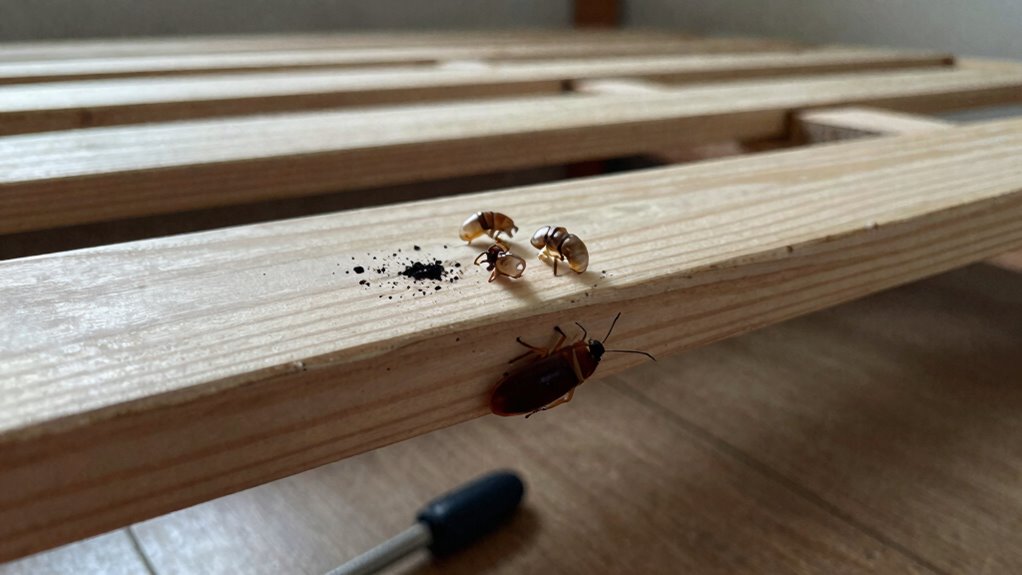
A follow up inspection happens about two weeks after treatment and serves as the moment of truth. The pest control professional returns with a flashlight to search for any surviving bed bugs.
The moment of truth arrives two weeks later, when the pest control pro returns with a flashlight to hunt for any survivors.
They follow a thorough protocol, checking every crack, crevice, and mattress seam for activity. Look for residual signs like dried fecal spots or cast skins that indicate past or present bed bug presence.
Live bugs found mean bad news, pointing to a missed spot or a new hitchhiker requiring another treatment round. No signs of activity is great, but they still check baseboards and furniture joints for complete certainty.
They also note any heat damaged items or pesticide stains as part of the full inspection protocol. If everything looks clear, they advise continued vigilance, such as setting out bed bug interceptor traps with smooth, non-climbable walls to catch any stragglers.
After all, nothing says living the dream like a bed bug free home. But those tiny hitchhikers never read the memo.
Why You Might Not Know for Months That Your Bed Bugs Are Dead
Even after a successful bed bug treatment, the pests can stay hidden for months because their eggs take up to two weeks to hatch. Young nymphs, tiny as poppy seeds, can survive without feeding for long periods, making detection a guessing game.
You won’t see live bugs, but that doesn’t mean they are gone. Nymphs hide in cracks, baseboards, and mattress seams, and missed spots like loose wallpaper or electrical outlets are common culprits.
You might think you are home free, only to spot a solitary bug weeks later. A clean inspection after two weeks is promising, but not proof of elimination.
Without signs for eight straight weeks, you can finally breathe. Patience isn’t glamorous, but it beats paying for a repeat bed bug extermination service.
Regular pest control monitoring and thorough follow-up inspections are key to avoiding surprises. If you are shopping for bed bug heat treatment or chemical solutions, remember that checking behind baseboards and outlets is critical.
Even dead bed bugs can leave behind shells or stains, so keep using a flashlight and magnifier. For lasting peace of mind, wait two full months before declaring victory. To help ensure you aren’t missing survivors, consider six-sided zippered encasements with reinforced seams that fully seal off your mattress and box spring from any remaining pests.
How to Speed Up Bed Bug Treatment Without Hurting Results
Complete the prep checklist the night before treatment. Missed clutter forces technicians to waste valuable pest control time.
Request insecticide resistance testing to skip ineffective sprays. A quick lab check avoids costly revisits and speeds up bed bug elimination.
Opt for heat treatment when possible for faster results. It kills all life stages in six to eight hours, albeit at a higher price.
Coordinate closely with your exterminator to avoid delays. Rescheduling can double a two week schedule to four weeks.
Non-repellent formulas increase lethal exposure for resistant pest populations by allowing contact before danger is sensed.
Bottom line: Follow prep like a military drill for maximum bed bug removal efficiency. Ask for resistance testing upfront to ensure every treatment works the first time.
Frequently Asked Questions
Can Bed Bugs Survive in Electronics During Heat Treatment?
Yes, bed bugs can survive in electronics during heat treatment. Heat exposure must reach 118°F for 90 minutes to kill them, but devices like laptops risk device damage from high temperatures because of electron migration.
This can fry circuits before bugs die. To avoid wrecking a $1,000 gaming rig, place electronics in sealed bags with a heat safe insecticide, or isolate them.
Infestation duration then hinges on proper follow up, not just one roasting session. For effective pest control, consider using a bed bug heater rated for electronics.
A targeted bed bug heat treatment for gadgets ensures you kill the bugs without damaging your gear. If you want a smart purchase, look for a portable heat box designed for electronics.
That is the safest way to eliminate bed bugs in laptops and gaming consoles. Always pair this with a residual insecticide for long term protection.
Isolate contaminated devices immediately to stop the infestation from spreading. For best results, combine heat with a bed bug spray made for sensitive surfaces.
Do I Need to Throw Away My Mattress After Bed Bug Treatment?
No, you don’t need to throw away your mattress after a professional bed bug treatment. A licensed exterminator can inspect it and confirm if the mattress is salvageable.
Instead, invest in quality bed bug proof encasements, which trap any remaining bugs and keep new ones out. These mattress covers cost around $30 to $50 and seal tight to starve any stragglers.
Most experts recommend keeping the mattress, especially after heat treatment, since that heat kills all bed bugs inside. Just remember: encasements are a simple fix, not a magic trick.
They work best if you leave them on for a full year. That way, you get dependable bed bug prevention without the cost of a new mattress.
Can I Stay in My Home During Chemical Bed Bug Treatment?
Staying home during chemical bed bug treatment is ordinarily not recommended. The isolation duration often lasts several hours, sometimes a full day, depending on the chemicals used.
You must vacate until the spray dries completely, which is a critical chemical safety step. Inhaling wet residue is bad news.
Think of it like this, you wouldn’t hang out in a freshly painted room, right? The pest control pro will give you a clear reentry time.
Follow it exactly to protect your household from unnecessary exposure. If you’re looking for the safest bed bug treatment, ask your local exterminator about low odor or heat options that let you return faster.
Always choose a quality pest control service that explains the active ingredients and your specific reentry plan. This is the smart purchase for your family’s health and effective bed bug elimination.
Will Washing Clothes in Hot Water Kill Bed Bugs Immediately?
Yes, washing clothes in hot water can kill bed bugs immediately, but only if the water temperature stays at least 120°F for the full wash cycle. This heat kills bed bugs and eggs on contact, making it a solid first step in your pest control plan.
However, the dryer cycle is the real hero for bed bug treatment. A 30 minute run on high heat will roast any survivors, acting as the knockout punch.
Without that high heat, you are just giving bed bugs a warm bath. For effective bed bug removal, pair hot water washing with a high heat dryer cycle.
If you want reliable bed bug control, consider investing in a quality dryer or pest control products. This approach ensures you tackle infestations head on.
How Soon Can I Have Guests Over After Heat Treatment?
Guests can typically return the same day after heat treatment, once the area cools to normal temperature.
This process kills all bed bugs and eggs in that session, which eliminates the need for a long wait.
Residual risks are low, but you should vacuum the space before anyone arrives.
Monitor for two weeks after treatment; if no signs appear, it is safe to host visitors.
Just make sure they don’t bring their own “bugs” to the party.


