
If you want to know how to get rid of flies naturally, the first step isn’t a spray—it’s fixing what’s attracting them. Flies breed fast in damp, organic gunk like clogged drains, forgotten fruit, or dirty pet bowls.
Wipe down counters every night, take out the trash, and seal any gap as thin as a credit card. A simple soda bottle trap with sugary syrup can catch houseflies, while apple cider vinegar with a drop of dish soap drowns fruit flies.
Plant basil or mint near doors for a natural repellent, and if flies still outnumber you, a professional inspection ($200–$400) can uncover hidden breeding sites.
The rest of this guide breaks down each method step by step, so you can pick the fix that works best for your home.
At A Glance
- Eliminate moisture and organic waste to break the fly lifecycle.
- Seal entry points like cracks and gaps thinner than a credit card.
- Use vinegar and dish soap traps to drown fruit flies near infested areas.
- Deploy beneficial nematodes in soil to target fly larvae outdoors.
- Plant basil, lavender, and mint near entryways to repel flies naturally.
Why Flies Invade Homes
A warm, damp home is basically a five-star resort for flies. They don’t check in, they just check out your garbage.
The real draw is moisture. Standing water in clogged drains or leaky faucets creates ideal breeding habitats for pest control.
Females lay hundreds of eggs in these spots. Organic matter like forgotten fruit or pet waste gives them food.
A single dirty dish left out is an open invitation. Flies don’t need much, just warmth, dampness, and a meal.
That puddle under the fridge is a nursery. That open trash can is a buffet for common household pests.
They aren’t picky guests. Honestly, they are the worst.
Bottom line, remove the water and food sources. You will stop fly infestations and get them to check out for good. Using odor-neutralizing deodorizers can also reduce the pest-attracting smells from your trash.
Sanitation: The Most Effective Fly Prevention Method
Sanitation is the unsung hero of fly prevention. It beats every spray and trap, hands down.
The logic is simple: remove the buffet, and the guests stop coming. Flies need organic waste and moisture control to thrive, and denying both cuts their lifecycle short.
Wipe counters daily, especially after raw food prep. Rinse those drain traps to stop breeding.
Take out the trash nightly, even if the bag looks half full. Keep lids sealed tight to block access.
Don’t ignore the pet bowl or the compost pail. Both are prime real estate for fly larvae.
A $5 sponge and a ten‑minute routine outperform any gadget. You’re not just cleaning, you’re evicting future generations.
For maximum impact, use enzyme-based cleaners that break down the organic waste that attracts flies and maggots in the first place.
Start with these pest control steps, and the fly situation solves itself. For long term fly control, consistent sanitation is your best investment.
Seal Entry Points to Block Flies
Once the sink is sparkling and the trash is sealed, the next move is to turn your home into a fortress. Flies exploit the tiniest gaps, so sealing entry points is the final line of defense for effective fly control.
A thorough inspection and some screen repair makes all the difference. Inspect window and door screens for tears, even pinhole sized ones. A simple patch kit under $10 fixes most damage and keeps pests out.
Caulk cracks around window frames, baseboards, and pipe penetrations. Flies squeeze through gaps as thin as a credit card, so blocking these entry points is essential.
Install weatherstripping on door bottoms. A 15 dollar roll seals the gap where flies slip in unnoticed during pest proofing.
Check vents and attic fans. Cover them with fine mesh hardware cloth for 20 dollars per roll to stop fly entry without blocking airflow. For sealing gaps around pipes, use a steel wool and mesh combination kit to create a dual barrier rodents cannot chew through. It is not glamorous work, but it is cheaper than battling a swarm and buying expensive pest control products.
Build a Simple Soda Bottle Fly Trap
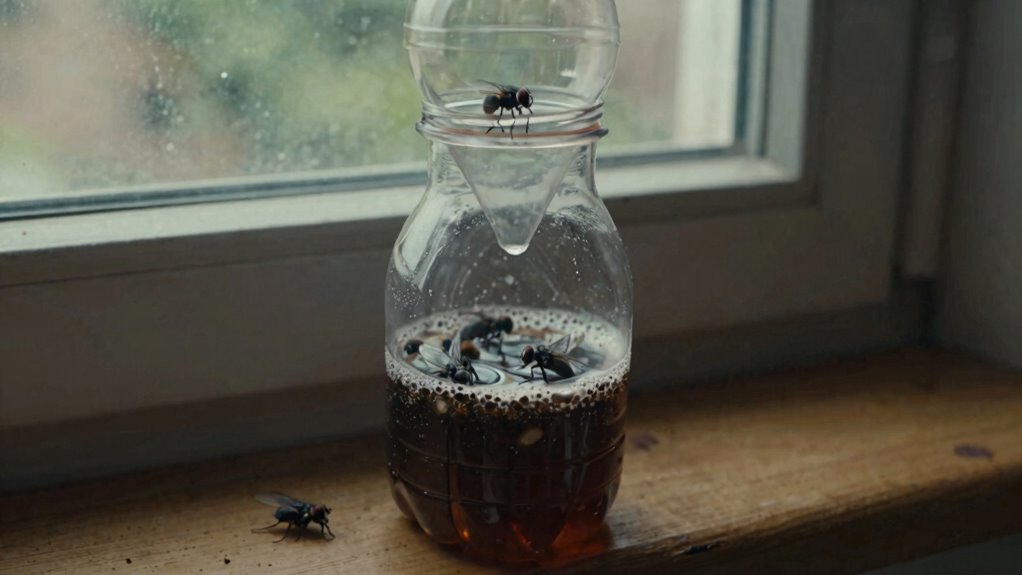
Try this before you recycle another empty soda bottle. Cut the top off just below the neck, then flip it upside down into the base so it forms a funnel.
Tape the seam tightly so no gaps remain, because flies will escape through any opening.
For bait, sugary syrup wins for houseflies, but apple cider vinegar with a drop of dish soap pulls in fruit flies.
For bait, sugary syrup wins for houseflies, but apple cider vinegar with a drop of dish soap pulls in fruit flies.
That drop of soap breaks surface tension, so flies land and sink fast instead of walking out.
This homemade pest control catches dozens daily, yet it won’t eliminate a breeding site on its own.
Use this bottle trap as a monitoring tool, not a cure, and pair it with cleaning up trash or compost.
For instance, adding a non-toxic bait refill made from fish, eggs, and bran can boost the trap’s strength for heavy invasions.
Change the bait every three days, or the mix starts to smell like rot.
Budget-friendly and reusable, it’s oddly satisfying to watch the count climb.
For best results, combine this fly catcher with sanitation, because that combo outperforms either method alone.
Drown Fruit Flies With Apple Cider Vinegar
That bottle trap works fine for houseflies, but fruit flies have their own fatal weakness, and it smells like a salad. Apple cider vinegar, poured into a shallow dish with a drop of dish soap, creates an irresistible vinegar trap.
Fermenting vinegar mimics the odor of overripe fruit, luring adults directly to their doom. Follow these steps to target the breeding source for effective pest control.
Use a wide, shallow container to maximize the vinegar’s surface area. Add one drop of liquid soap to break surface tension, causing flies to sink instantly.
Place the trap near fruit bowls, compost bins, or drains, the prime breeding source. Replace the vinegar weekly, as evaporation reduces its potency.
This method slashes populations fast, provided sanitation backs it up. No gimmicks, just chemistry for a reliable fruit fly killer. Many commercial brands, like Aunt Fannie’s, also use plant-based, chemical-free formulas for safe use near food.
Make Your Own Sticky Flypaper
Making sticky flypaper at home is simpler than it sounds, and it works surprisingly well for catching those persistent flies. For bait, a mix of honey or sugar water brushed onto a plastic strip attracts them, while hanging it near windows or trash cans lures them in.
When the strip is full, just toss it out and make a new one. This pest control method is both cheap and effective for fly management.
You can add a few drops of dish soap to the sugar water for extra stickiness. This homemade trap is a great alternative to buying pricey fly repellents.
Hang your flypaper near doors or kitchen counters to catch the most flies. If you want a stronger lure, try a splash of vinegar or fruit juice on the strip.
For a longer-lasting solution, consider using outdoor tapes with waterproof adhesive that hold up to three months in rain or sun.
Homemade Sticky Strips
Another straightforward tactic for waging war on flies is the homemade sticky strip, a DIY flypaper that costs almost nothing. These strips use a sticky residue to trap flies mid-flight, but disposal can be messy if not planned.
To make them work effectively, spread a thick layer of corn syrup or honey on paper strips. Flies get stuck fast when they land on this sweet coating.
Hang these pest control strips near windows or trash bins where flies cluster. Avoid placing them in food prep areas for safety.
The sticky residue will smear if handled roughly, so always use disposable gloves for removal. For trap disposal, roll the strips in newspaper and toss them in sealed bags with no squishing required.
These homemade strips catch dozens of flies for pennies, making them a cheap pest solution. Replace them weekly, as dried out strips lose their stickiness and effectiveness.
Don’t expect miracles from this fly control method. They are a cheap sidekick, not a superhero, for serious pest management issues.
Combine these strips with sanitation for real results in your fly elimination efforts. For best results, use them as part of a broader pest treatment plan, such as chemical-free, odorless traps that are safe around kids and pets.
Bait and Scent Options
Homemade sticky strips work fine, but they rely on luck. A fly must accidentally land on that sweet patch to get caught.
To tip the odds in your favor, craft alluring bait formulations. Sugar water with a splash of vinegar works well for houseflies.
For fruit flies, use a teaspoon of apple cider vinegar with a drop of dish soap. The soap breaks surface tension so they drown fast.
Optimize your pest control by hanging these strips near garbage cans or windows. Do not place them out in the open for best results.
A specific bait mix uses one part honey and two parts water simmered into a syrup. Brush this syrup onto paper for a low cost trap that works for days.
The bottom line is that bait beats blind luck. Make your sticky strip earn its keep with a targeted attractant. For optimal results, place these strips at least 5 feet high to match fly flight patterns.
Placement and Removal
Hang sticky flypaper near sunny windows, trash cans, and compost bins because flies follow warmth and odors. For best results, rotate placement every three to four days to target shifting fly traffic and hot spots.
Pull traps down when they are 50 percent covered or after seven days, whichever comes first, since stale traps lose their appeal. Replace them immediately to avoid dust buildup and maintain maximum stickiness for ongoing fly control.
Avoid hanging traps directly over food prep areas, but position them nearby to intercept pests without contamination risks. Check traps every morning and evening because fly populations explode quickly during warm summer months.
Keep sticky paper out of reach of children and pets while choosing high-traffic zones like entryways and near trash receptacles. Swap spots weekly, toss crowded traps on schedule, and pair with other pest management supplies for a complete home defense plan. These traps use odorless, non-toxic adhesives that are safe for people and pets.
Use Beneficial Insects to Control Outdoor Flies
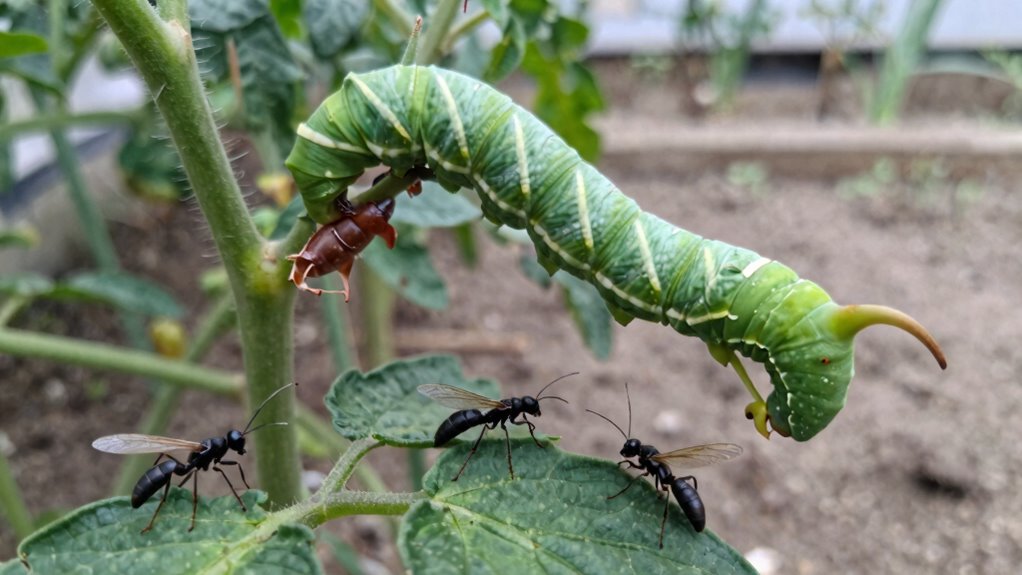
Even though flies are frustrating, nature has a few tiny mercenaries ready to help. Beneficial nematodes, microscopic worms, are a solid first strike for fly control.
They’re sold as a powder you mix with water, then spray on soil where fly larvae hide. One pack, around fifteen dollars, covers a decent-sized yard.
These worms hunt grubs underground, killing them before they ever take wing. Predatory fungi likewise step in, colonizing the soil and attacking fly pupae.
Think of it as a fungal security team, quietly working as you sip lemonade. These options don’t repel adult flies, mind you. They target the next generation.
That is the smart play for outdoor pest control: cut the supply line. Here are the key points for using biologicals:
Nematodes: a one time soil drench, reapply after heavy rain. Fungi: slower acting, but persistent for weeks.
The bottom line for homeowners is that biologicals beat chemical sprays. These BTI-based larvicides are safe for pets, kids, and your dignity.
For long term fly prevention, give them a shot. You will break the fly breeding cycle naturally.
Plant Herbs That Naturally Repel Flies
Some herbs work as natural fly repellents, especially basil, lavender, mint, and rosemary.
Plant them near doorways, windows, and outdoor seating areas to form a green barrier flies avoid.
Strategic placement offers a low effort pest control solution.
A pot of basil on the kitchen sill provides an aromatic deterrent that smells better than bug spray.
These herbs contain botanical oils that effectively repel flies without harsh chemicals.
Best Repellent Herbs
Since flies navigate primarily by smell, the right herbs act as olfactory camouflage. They scramble fly navigation rather than poisoning them.
Unlike synthetic repellents that often stink, these plants offer a quieter, greener defense. Electronic zappers just make noise, but herbs provide natural pest control.
1. Basil – Its pungent, clove-like aroma confuses flies. Crush a leaf for a stronger scent that works as an effective fly repellent.
This plant costs about $4 per plant and doubles as pesto. It is a practical kitchen herb for pest control near doors.
2. Lavender – The sweet, floral oil disrupts fly tracking. A dried bundle placed near entryways lasts weeks for indoor fly prevention.
Just do not expect it to fix a dirty compost bin. Lavender works best as part of a broader pest management strategy.
3. Mint – Peppermint’s sharp menthol overwhelms fly antennae. Plant it in pots, as it spreads like gossip and makes great tea.
A single plant runs about $3 and is ideal for natural fly repellent. Buy mint for DIY pest solutions around your home.
4. Rosemary – Its woody, camphor like scent repels flies while smelling divine. A 6 inch pot costs $5 and thrives on neglect.
This plant is perfect for forgetful growers seeking low effort pest control. Place pots near entryways for the best effect.
Rosemary offers a hardy repellent option that lasts all season. Buy these herbs today for a chemical free fly solution.
For those seeking additional natural options, garlic sprays are safe for vegetable gardens and edible plants when applied properly.
Strategic Garden Placement
Those herbs are great inside the house, but flies don’t just knock on the front door. They hang out in the yard first, waiting for an invitation.
Smart herb placement around entry points like doors, patios, and compost bins creates a living barrier. Companion planting with fly repelling herbs mixed into vegetables or flowers is a low effort hack that is both functional and pretty.
| Herb | Best Location | Why It Works |
|---|---|---|
| Basil | Near kitchen door | Strong scent masks food smells |
| Lavender | Along patio edges | Oils repel flies, blooms attract bees |
| Mint | Near trash area | Invasive in pots, potent deterrent |
Plant them in clusters, not single stems, for maximum pest control effect. A three pot collection costs about $12 at a nursery.
Forget fancy sprays. Strategic placement does the heavy lifting for you.
For additional defense, dual action traps combine bright colors and smell to lure all fly types without relying solely on herbs.
When to Call a Professional Exterminator
1. Hidden breeding sites. Professionals locate maggots in wall voids or under floors where DIY traps cannot reach.
They use advanced inspection tools to find fly origins and eliminate larvae completely.
Eco-friendly options with low toxicity to non-target species should be chosen to protect beneficial insects.
2. Health risks from flies are serious because they carry bacteria.
A professional fogging treatment targets the source of the infestation, not just the buzzing adults.
This protects your family from disease transmission and cross contamination.
Essential oils like peppermint can repel ants and spiders, but for flies a technician’s targeted approach ensures the breeding source is fully eliminated.
3. Recurring fly patterns mean you have a structural gap or sewer leak.
An exterminator will seal entry points and fix drainage issues to stop reentry.
They provide long term fly control, not just temporary relief.
4. Cost versus time is a major factor.
A two hundred to four hundred dollar inspection saves weeks of sticky strips and constant swatting.
Think of it like paying a mechanic for a car noise you cannot diagnose yourself.
Bottom line: call a pest control technician when you have tried everything and the flies still outnumber you.
Professional fly eradication gives you peace of mind and a truly fly free home.
Frequently Asked Questions
Can Essential Oils Repel Flies Effectively?
Aromatic oils can provide modest, temporary fly repellency, but you shouldn’t expect miracles. Lavender, peppermint, and eucalyptus work best in DIY fly sprays mixed with water and a drop of dish soap for about $5 per bottle.
These natural fly repellents need frequent reapplication every few hours and lose potency fast. They are fine for light use near a picnic table, but they won’t handle a full fly infestation.
For effective trap refills, vinegar beats essential oils every time. The bottom line is to use essential oils as a short term aid, not a standalone pest control solution.
If you need stronger fly control for your home or patio, consider professional grade fly traps or insecticide sprays. Smart buyers looking for long term results should invest in proven fly repellent products for lasting protection.
How Often Should I Clean Garbage Bins?
Garbage bins should be cleaned weekly to prevent flies from breeding. That regular schedule is the sweet spot for keeping your bin pest free.
Weekly washing with soapy water eliminates eggs and odors fast. You can also use bin deodorizers for extra freshness after each clean.
If you skip a week, flies might throw a party in your trash. For tough grime, a pressure washer or baking soda scrub works wonders.
But aim for that weekly rhythm to stay ahead of the problem. This simple habit keeps your kitchen fly free and your home smelling fresh.
For best pest control results, pair your cleaning with a quality bin spray. It helps you target the root cause of insect infestations before they start.
Do Ultrasonic Pest Repellers Work on Flies?
No, ultrasonic pest repellers do not work on flies. That high pitched frequency they blast is one of the biggest pest control myths out there.
Flies are not bothered by it because they don’t have the right ears to hear it. Studies show zero impact on these flying insects.
A $40 plug in unit might annoy your dog or cat but it won’t touch a fly problem. Save your cash and clean your bins instead for real fly control.
Effective fly management smells like bleach, not science fiction. For the best pest control results, skip the gadget and scrub the source.
If you want to buy a fly trap or use a reliable insecticide, focus on products that actually attract or kill flies. Investing in sanitation and targeted treatments will give you the fly free home you want.
Are Flies Harmful to Human Health?
Yes, flies are harmful to human health, and the main risk is disease transmission.
Flies land on garbage, animal waste, and decaying matter, then track bacteria like E. coli and Salmonella directly onto your food and kitchen surfaces.
A single housefly can carry over 200 different germs, making them a serious contamination threat in any home.
Some species, like biting flies, can also cause painful bites, skin irritation, or allergic reactions in sensitive people.
This is why professional fly control matters: you need targeted pest management products, not just a fly swatter.
For effective pest prevention, focus on removing breeding sites like rotting compost, pet waste, and standing water, then pair that with traps or insecticide sprays designed for indoor fly elimination.
If you’re dealing with an infestation, look for an indoor fly trap with UV light or a residual insecticide labeled for kitchen-safe use.
Smart shoppers often choose a complete fly control kit that includes larvicide for drains and sticky traps for windows, so you stop the cycle before they multiply.
Bottom line: flies aren’t venomous, but their filth-to-food habit is a real health nuisance you can eliminate.
Take action today by sealing trash bins, cleaning spills immediately, and investing in pest control solutions that target both adult flies and their larvae.
What Attracts Flies to Indoor Plants?
Flies are drawn to indoor plants mainly by overwatered soil and decaying leaves. Overwatered soil creates that warm, damp environment flies love for breeding.
Think of it as a tiny swamp in your living room. Decaying leaves add organic matter, a free buffet.
One fix is to let soil dry between waterings. Another is to remove dead leaves immediately.
It’s not glamorous, but it works better than any fly trap. For effective pest control, target the source with a proven soil drench or sticky traps.
Buying a moisture meter can help you avoid overwatering and stop fungus gnat infestations before they start. If you need a fast solution, look for a ready-to-use indoor plant insecticide spray.


