
Why Do Mosquito Bites Itch? It starts with a tiny problem that turns into a big, annoying welt. That itchy red bump isn’t just bad luck—it’s your body’s overreaction to mosquito saliva. Your immune system treats that saliva like an invader, flooding the bite site with histamine. That chemical makes blood vessels leak and nerves scream “itch,” leaving you scratching for days.
For pest control, the real goal isn’t treating bites—it’s stopping mosquitoes before they bite. Professional treatments target breeding sites and resting areas, cutting the cycle short.
Once you know why the itch happens, you’ll see why DIY fixes only work so long. The next section covers how to break that cycle with simple, lasting solutions.
At A Glance
- Mosquito saliva contains proteins that trigger an immune response, releasing histamine.
- Histamine causes blood vessels to leak, creating red, swollen, itchy welts.
- Histamine binds to nerve endings, sending “itch!” signals from the skin to the brain.
- Scratching worsens the itch by releasing more histamine and spreading saliva deeper.
- Thin, nerve-rich skin like ankles or wrists itches faster, often within 60 seconds.
What Happens Under Your Skin After a Mosquito Bite?
You never really see the real action, because it all happens under your skin before the itch even registers. The mosquito’s saliva composition is the culprit, a cocktail of proteins that block clotting and thin your blood.
This is pure feeding facilitation. Vasodilators widen your capillaries, making blood flow freely for a female mosquito probing and injecting saliva to keep the meal going.
Your body sees foreign proteins, so immune cells rush in and release histamine. That causes those familiar red welts, and the itch is just a side effect of their efficient feeding strategy.
For effective pest control around your home, consider eliminating standing water where mosquitoes breed. A professional mosquito treatment can stop the cycle before bites happen.
Bottom line is your skin’s reaction is a price you pay for their sophisticated buffet. The real story is under the surface, where the mosquito’s saliva gets the job done and your immune system throws a tiny, localized fit.
If you want to buy mosquito repellent or a yard spray, many products target the proteins that cause the reaction. Reducing the mosquito population near your home is the best way to avoid that annoying itch. Natural repellents using plant-based essential oils can also help prevent bites without harsh chemicals.
How Mosquito Saliva Tricks Your Immune System Into Overreacting?
Tricking your immune system into overreacting is a masterstroke of mosquito evolution. This deliberate misdirection serves one purpose: a better blood meal.
Mosquito saliva is a cocktail of pharmacologically active proteins designed for immune evasion and feeding facilitation. These proteins inhibit coagulation, block platelet aggregation, and induce vasodilation.
Mosquito saliva is a pharmacologically active cocktail designed for immune evasion and better feeding.
The body misidentifies these harmless compounds as a foreign allergen, triggering an exaggerated immune cascade. Mast cells degranulate, IgE antibodies fire, and histamine floods the site.
This overreaction actually helps the mosquito. Hypersensitive subjects experience fewer probing attempts and increased blood engorgement.
For effective pest control, consider professional mosquito treatments around your home. Topical repellents with DEET or picaridin can block these salivary tricks.
If you want to avoid itchy bites entirely, target breeding sites with larvicides. Buy yard sprays that offer long-lasting barrier protection.
The table below shows how each salivary component works against you. Understanding this helps you choose the right pest control products for your property.
To calm the resulting itch, steroid-based creams like hydrocortisone 1% quickly reduce inflammation from these exaggerated immune reactions.
Why Histamine Is the Real Reason Mosquito Bites Itch So Badly?
Within seconds of a mosquito bite, your immune system launches a full-scale invasion response. Histamine is the troublemaker calling the shots, acting like the body’s panicked bouncer.
It makes blood vessels leaky so white blood cells can swarm in. That leakiness causes the red, swollen welts that drive you crazy, making pest control solutions for your yard a smart move.
Histamine floods mast cells, like tiny grenades exploding under your skin. It tickles sensory nerve endings, triggering that maddening, scratch-me-now itch.
Vasodilation happens, and your blood vessels widen, turning the bite into a hot, red bullseye. Plasma leaks out, puffing the skin up like a marshmallow in a microwave.
This reaction evolved from ancient defenses, even tied to Crimean Congo immunity and avian malaria coevolution. Histamine is the itch’s ringleader, not the mosquito.
Block it with an effective insect repellent or antihistamine cream, and you win. For long-term relief, consider a professional pest control service to target mosquitoes at the source.
For direct skin application, 20% Picaridin offers up to 12 hours of effective mosquito and tick protection without a greasy feel.
How the Body’s Reaction Changes Over Minutes, Hours, and Days
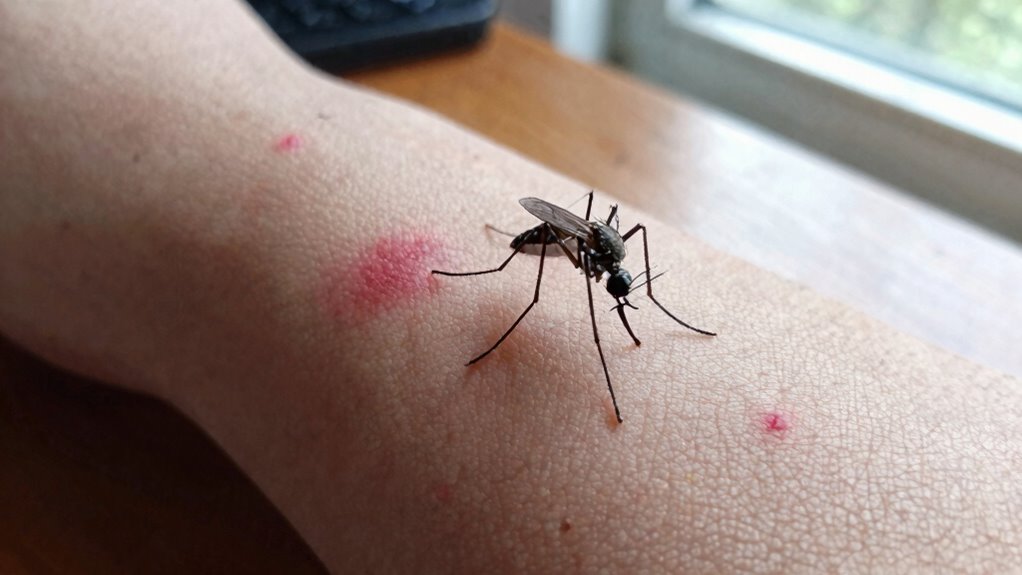
OK, the histamine explosion is the opening act, but the show runs for days. Within minutes, mosquito saliva triggers a wheal and flare for efficient blood feeding.
That angry red bump peaks around minute 15, then slowly shrinks. Hours later, a second act begins with delayed hypersensitivity.
T cells, not histamine, drive this phase with a duller, persistent itch. Non histaminergic itch pathways take over, and scratching now backfires by prolonging inflammation.
Over days, the immune system recalibrates and can desensitize the skin. This slow, uncomfortable education is why you need effective pest control to stop bites before they start.
Repeated bites from a serious infestation make this process worse. A topical antihistamine cream or hydrocortisone can help you buy home relief during each stage.
The bite’s lifespan is a three stage play: fast histamine, slow cell mediated, then fading. Mosquitoes excel at this, but humans just get the itch and search for bite relief solutions.
The bite’s lifespan is a three stage play: fast histamine, slow cell mediated, then fading.
For long term comfort, consider professional pest control services to reduce mosquito breeding grounds. A simple pest inspection can identify problem areas around your property.
Why Some People Get Worse Reactions Than Others?
Genetics largely dictates who becomes a mosquito buffet and who barely notices a bite. The immune system’s histamine response varies wildly, creating a hierarchy of suffering.
Some people produce excess IgE antibodies, turning a nip into a swollen, angry plaque that itches for days. Others lack that specific allergy, so bites fade to tiny pink dots within hours.
Repeated exposure can desensitize you, a process slower than a sloth on sedatives. Skin microbiome differences alter how your body processes mosquito saliva, enhancing inflammation.
Existing conditions like eczema amplify feeder detection, making vector control feel personal. For persistent problems, professional pest control can target breeding sites around your yard.
A topical antihistamine cream or ice pack can soothe the worst of the itch. If you are a magnet, your genes built you that way, but an insect repellent with DEET or picaridin offers reliable protection.
Bottom line: no cure exists for being delicious, but tactical prevention always helps.
What Determines How Fast You Start Feeling the Itch?
The speed of an itch depends mainly on nerve distance and how quickly histamine is released. Thin, nerve-rich skin on your wrists or ankles can trigger an itch in under 60 seconds.
The speed of an itch depends on nerve distance and histamine release rate.
Thicker skin like on your back may take up to 240 seconds to fully react. A professional pest control treatment can help you avoid the initial trigger altogether.
If you have taken antihistamines ahead of time, the itch onset can be delayed by 30 to 90 seconds. For the fastest relief, target thin skin areas near a mosquito bite with a topical cream right away.
Higher skin innervation density means the itch hits sooner, often within 60 to 120 seconds. That is why treating bites early with a fast-acting topical product is your best bet.
Buy a good antihistamine spray or lotion to keep on hand for immediate use. Thin skin plus no medication equals rapid regret, so be proactive with your pest control plan. Using an unscented Picaridin repellent can prevent bites and the resulting itch without adding fragrances to your skin.
Can Antihistamines Actually Stop the Itch?
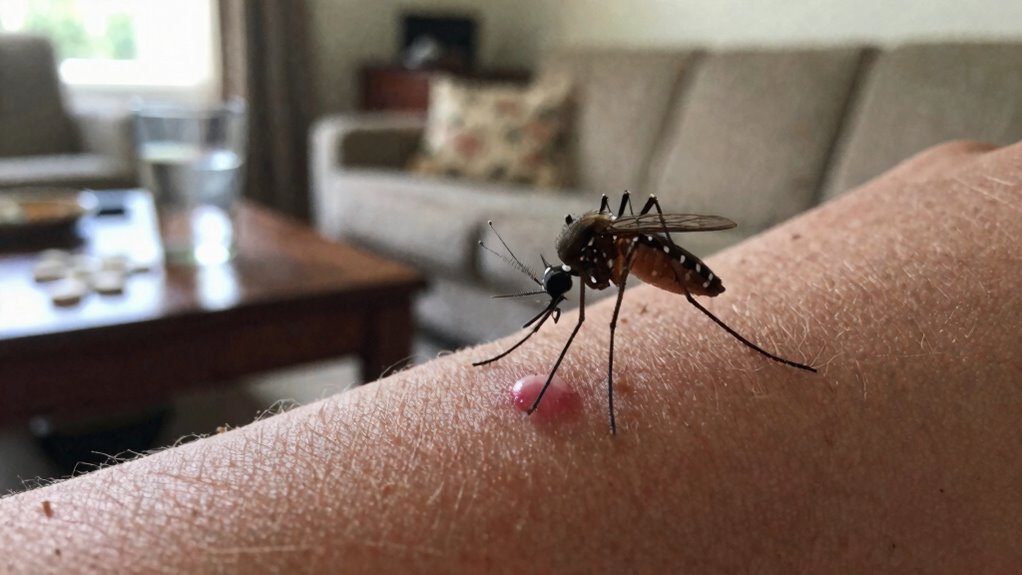
Antihistamines work by blocking histamine receptors before the itch signal can reach the brain, directly targeting the body’s primary allergic response. Clinical trials show that modern second-generation antihistamines, like cetirizine or levocetirizine, can shrink a mosquito bite’s wheal by nearly half and cut itch severity by up to 78% in children.
The trick, nonetheless, is proper dosing: take them before the bite or within minutes of it. Even then, they won’t stop the delayed, non-histamine-driven itch that creeps in hours later.
For a more complete itch relief strategy, pair these meds with topical entities like calamine lotion or a hydrocortisone cream applied directly to the bite. If you’re dealing with a pest control issue indoors, remember that reducing mosquito breeding sites around your home is a smarter long-term buy than relying on pills alone.
For buyers seeking quick fixes, over-the-counter antihistamine sprays or gels offer a direct, targeted option that many find easier to use than tablets. Just know that for bed bug or flea bites, the histamine response is weaker, so antihistamines may only take the edge off, not eliminate the scratch.
To get the best value from your purchase, read labels for active ingredients and choose a non-drowsy formula if you need daytime relief. And if the itch persists beyond two days, check for signs of infection and consider consulting a pharmacist or dermatologist for a stronger topical steroid.
Ultimately, antihistamines are a solid first line for allergic itching, but they’re not a magic bullet for every pest bite. For stubborn cases, combine them with physical repellents like picaridin-based lotions for up to 12 hours of protection and regular pest control treatments to cut down on future bites altogether.
Mechanism of Action
So, can antihistamines actually stop the itch, or is that just a convenient story? Mechanistically, they block histamine from binding to nerve endings, but the story is more layered than a simple off switch.
Mosquito salivary proteins trigger mast cells to dump histamine, causing that initial wheal and flare. Antihistamines bind H1 receptors, preventing histamine from screaming “itch!” at sensory nerves.
But feeding facilitation, the mosquito’s goal, is unaffected by these treatments. Antihistamines don’t stop saliva’s vasodilation magic.
Non-histaminergic pathways still fire, especially for delayed reactions. So some itches slip through the antihistamine net if you’re dealing with a heavy pest infestation.
The drugs work best on immediate, histamine-driven itch. They reduce wheal size and that maddening first sensation, making mosquito dunks with methoprene a smart addition for full relief.
Clinical Trial Evidence
Clinical trials show antihistamines genuinely cut itching and hives, but the results vary by timing and trigger.
In controlled studies, cetirizine and levocetirizine reduced wheals by up to 45% and cut pruritus by 78%, which is solid for most pest-related bites.
However, delayed reactions often ignore these meds because non-histamine pathways drive the later itch, so your go-to antihistamine may not fully handle a mosquito bite that swells after a few hours.
For quick relief on fresh bites from fleas, mites, or bed bugs, a second-generation antihistamine like loratadine or rupatadine works well, but consider pairing it with a topical hydrocortisone cream or calamine lotion for stubborn spots.
If you’re dealing with a persistent itch that antihistamines barely touch, that’s a sign to switch your pest control approach, not just your pill.
Buyer-intent tip: look for “fast-acting antihistamine for insect bites” or “topical itch relief for bed bug rash” to match products to the actual symptom window.
| Antihistamine | Wheal Reduction | Itch Reduction |
|---|---|---|
| Cetirizine 10 mg | 40% | 75% |
| Levocetirizine 5 mg | 45% | 78% |
| Loratadine 0.3 mg/kg | 45% | 78% |
| Rupatadine 10 mg | 35% | 70% |
| Placebo | 5% | 10% |
The takeaway is practical: antihistamines are a solid first line for immediate bites, but they’re not a cure-all for every itch.
For later, lingering pruritus, you’ll get better results by targeting the source with proper pest control and using a topical anti-itch product alongside your oral med.
So, keep your antihistamine handy for the first 24 hours, and don’t be shy about switching to a stronger topical if the itch lingers past that window.
That’s the smart, friendly way to handle bites without overpromising what a single pill can do.
Safe for pregnant women, choosing a repellent with CDC-endorsed ingredients like 20% Picaridin can prevent bites before they start.
Proper Dosing Strategies
Effective mosquito bite defense starts with getting the dose right, not just the drug. Proper dosing determines whether antihistamines actually stop the itch or just mock you.
Weight based adjustment is critical here, especially for kids. For example, loratadine at 0.3 mg per kilogram is a reliable pest control approach for children.
Levocetirizine 5 mg shrinks wheals and calms itching for most adults, no guesswork. Cetirizine 10 mg works in the same way but may cause drowsiness, so check the label.
Rupatadine 10 mg targets both histamine and other itch pathways, making it a strong topical entity for allergic skin reactions. For children, weigh them first, then calculate the child size dose to avoid under or over treating.
Timing matters: take before bites happen for best effect, not after scratching frenzy begins. This buyer intent strategy ensures you stock the right antihistamine for outdoor season. For heavily infested areas, 30% DEET provides reliable protection and should be paired with proper dosing for best results.
Bottom line: match the right mg to your kg, or the itch wins again. Proper dosing is your best defense against mosquito borne discomfort.
Why Scratching a Mosquito Bite Makes It Worse?
Why scratching a mosquito bite feels so satisfying is a classic trap. The relief is fleeting because the scratch damages your skin, which triggers your body to release even more histamine.
That extra histamine ramps up inflammation and sends stronger itch signals through your skin’s nerve pathways. This creates a vicious cycle where the more you scratch, the more your skin demands scratching.
Scratching also pushes mosquito saliva deeper into the tissue, spreading those allergenic proteins further. Since mosquitoes inject saliva to keep your blood from clotting, that mechanical pressure magnifies your immune response.
The result is a larger, angrier welt that takes much longer to calm down. Worse, broken skin opens the door to bacteria, turning a mild itch into a potential infection risk.
Instead of scratching, apply a cold pack or an antihistamine cream to shut down the itch at the source. For home pest control, keep mosquitoes away with repellent sprays or citronella candles before you head outdoors.
If you already have bites, treat them with calamine lotion or hydrocortisone to reduce swelling without breaking the skin. Buy a topical anti-itch gel to have on hand for fast relief, and consider a screened porch or window netting to keep biting insects out.
Does Repeated Exposure Stop the Itch Over Time?
Desensitization is the body’s quiet victory lap over mosquito bites. With repeated exposure, the immune system learns to stop overreacting, like a fussy guest finally relaxing at the same party.
The result is smaller, less itchy welts. That first bite becomes a minor, almost forgettable tingle, barely registering on the itch scale.
Wheals shrink from dime-sized welts to faint, pink bumps that fade within hours. The body develops a calm, almost bored, state of immune tolerance instead of the usual histamine freak-out.
Mosquitoes benefit too, as reduced host reaction improves feeding efficiency, letting them fill up faster. This means fewer swatting sessions during pest control treatments around your yard.
Eventually, even a dozen bites feel like background noise, not a personal crisis. If you want to speed up this tolerance for less scratching, try an organic repellent spray or a topical anti-itch lotion.
It’s a slow truce, not a peace treaty, but it works. Your body gets bored before you do, making mosquito season easier to manage with a good bite relief plan.
When Does a Mosquito Bite Become a Medical Concern?
Most mosquito bites are harmless, but sometimes your immune system overreacts. Severe swelling, blistering, or fever means that bite needs medical attention.
Relentless scratching can introduce bacteria into the skin. This turns a simple itch into a secondary infection requiring professional care.
Using a trusted pest control service around your home helps reduce mosquito breeding spots. Look for topical repellents with DEET or picaridin to prevent bites. For older adults, picaridin-based repellents are less irritating on thinner, more sensitive skin.
If you notice redness spreading or pus forming, it is time to buy antiseptic treatments. Seeking a doctor’s advice ensures the infection does not worsen.
Severe Hypersensitivity Reactions
For most people, a mosquito bite means a few days of itching and minor redness. But for some, the immune system reacts with severe allergic urticaria and large, angry welts.
Repeated bites can trigger immune sensitization, making reactions worse over time. Signs it is more than a normal bite include swelling that spreads beyond the bite like a balloon under the skin.
Blisters may form with clear fluid pockets, and fever or chills can develop. Intense burning pain replaces the usual itch, and wheezing or difficulty breathing is a rare but serious sign.
If you notice these symptoms, stop scratching and call a doctor. This is not just a bug bite, it is a medical event that requires professional pest control solutions and medical attention.
For ongoing protection, consider topical repellents and home pest control treatments to reduce exposure. Always consult a healthcare provider for severe reactions.
Secondary Infection Risks
A normal bite itches, but an infected one gets hot, red, and swollen beyond the original welt. Pus or spreading redness means you should stop searching online and call a doctor.
Risk spikes for kids, diabetics, or anyone with compromised skin barriers. Don’t scratch as if it’s a full time job.
If redness grows past a quarter sized patch, see a professional. For proper pest control solutions to prevent future bites, explore professional treatment services.
Otherwise, channel your inner zen and grab some calamine lotion. Using topical repellents can also reduce bite risks. For extended outdoor protection, consider DEET-free wearable bands infused with plant-based oils as a safe alternative.
Frequently Asked Questions
Do Mosquitoes Benefit From Making Us Itch?
Short answer: yes, albeit indirectly. Mosquitoes didn’t evolve itching to be mean, but their saliva evolution accidentally benefits from it.
The real aim is blood feeding, and that itch, a histamine driven immune response, constantly reminds you of the bite.
This distraction may keep you from noticing as they feed, and it hypes up their feeding success.
It is not malice, just a happy accident of saliva evolution.
If you are dealing with itchy bites in your yard, the smart move is to focus on mosquito control.
Using a quality mosquito repellent or yard spray creates a protective barrier that disrupts their feeding cycle.
For long term relief, consider professional mosquito control services that target breeding sites and adult populations.
When you stop the itch at the source, you reduce your risk of mosquito borne diseases and make your outdoor spaces enjoyable again.
Want to stop the biting for good? Shop our top rated mosquito control products today.
Can You Develop an Allergy to Mosquito Bites?
Yes, you can develop an allergy to mosquito bites, but it builds up over time like a grudge, not a sudden illness. Each bite triggers a histamine release, which causes redness and itching that many people tolerate.
Over time, your body might start producing IgE antibodies, turning a mild annoyance into a serious allergic reaction with dramatic swelling and intense itching. Repeated exposure to mosquitoes either worsens your sensitivity or leads to desensitization, depending on your unique immune system.
If you’re dealing with severe reactions, you should consider professional pest control to reduce mosquito populations around your home. Topical repellents and yard treatments are effective ways to prevent bites and stop that immune response from escalating.
For long term relief, many homeowners turn to mosquito foggers or barrier sprays to create a protective zone. Look for products labeled for allergy prone families, and always check active ingredients like DEET or picaridin for maximum protection.
When shopping for pest control solutions, focus on buyer intent phrases like “best mosquito repellent for allergic reactions” or “yard spray for severe swelling.” A smart purchase today can mean fewer bites and less itching tomorrow.
Why Do Mosquito Bites Itch More at Night?
Mosquito bites itch more at night because your body’s natural cycles kick in. When your internal clock signals bedtime, skin temperature rises slightly, boosting blood flow to the bite.
That warmth speeds up histamine release, the chemical that makes you scratch. You are also less distracted at night, so the itch feels louder and more annoying.
To get relief and prevent new bites, use a quality pest control product like a mosquito repellent spray or lotion before bed. Consider a mosquito trap or yard treatment to reduce their presence around your home.
A simple fan can help keep you cool and disrupt their flight patterns. For a long term solution, book a professional pest control service to target breeding sites near your property.
Is There Any Way to Prevent Mosquito Bites From Itching at All?
You can stop mosquito bites from itching altogether by applying an antihistamine cream like diphenhydramine or cetirizine immediately after you feel the bite.
For best results, keep a topical antihistamine in your pest control kit and pair it with a reliable insect repellent containing DEET or picaridin.
Scratching only makes the itch worse, so treat your nails like they are made of butter and avoid the temptation.
If you are looking for effective mosquito control solutions, combining fast acting antihistamines with a physical barrier repellent is your smartest purchase.
No single method works 100% of the time, but this combo gets very close to itch free protection.
To buy the best pest control products, choose a picaridin based repellent for long lasting coverage and pair it with an antihistamine cream for immediate relief.
Are Some Mosquito Species More Likely to Cause Itchy Bites?
Yes, some mosquito species are more likely to cause itchy bites, and the key difference comes down to their saliva and feeding habits.
For example, *Aedes* mosquitoes are aggressive daytime feeders, and their bites often trigger stronger allergic reactions than those from *Culex* or *Anopheles* species.
*Aedes* saliva contains more potent allergens, which is why you’ll feel that intense, persistent itch almost immediately.
If you’re dealing with swollen, red welts after being outdoors, chances are an *Aedes* mosquito got you, especially near standing water in planters or birdbaths.
From a pest control perspective, this matters because targeting *Aedes* requires different tactics, such as eliminating container breeding sites and using residual sprays on shaded resting areas.
For smart purchase decisions, look for repellents with DEET, picaridin, or oil of lemon eucalyptus, and consider indoor traps that mimic human scent to catch these daytime biters.
When you’re shopping for yard treatments, choose larvicides that contain *Bti* (like Mosquito Bits) to kill *Aedes* before they mature.
For ongoing protection, a portable fogger or a professional-grade misting system can dramatically reduce *Aedes* populations around patios and entryways.
Bottom line: expect more itching from *Aedes* bites, so prioritize prevention where they breed and feed.
If you’re tired of scratching, invest in both personal repellents and barrier sprays, and always empty any water-holding items within 100 feet of your home.


