
Keeping mosquitoes off your patio doesn’t have to be complicated. A few simple steps can turn your outdoor space back into a bite-free zone. You’ll learn how to target breeding spots, use budget-friendly larvicides, and set up airflow that keeps weak fliers away.
We cover practical tips like dumping standing water weekly and using Bti rings for ponds. Light-colored, tightly woven clothes and a simple fan make a noticeable difference. Staying indoors at dawn and dusk alone can reduce bites by 80%.
This guide breaks down the specifics on larvicides, screens, and other easy fixes. The next section dives right into the first critical step for protecting your patio.
At A Glance
- Eliminate standing water from plant saucers, gutters, and pet bowls.
- Install 18×16 mesh screens on windows and doors for under $15.
- Use a table fan near seating to create a breeze deterring mosquitoes.
- Apply DEET or picaridin repellent to exposed skin for lasting protection.
- Cut grass short and trim bushes to remove shady hiding spots.
Why Your Patio Is a Mosquito Magnet (and How to Fix It)
Your patio is basically a five star mosquito resort. Standing water, shady hiding spots, and warm guests exhaling carbon dioxide attract them instantly.
Poor yard drainage creates puddles that last for days. This gives mosquitoes the perfect nursery to breed in.
Ignoring yard maintenance like clogged gutters or overgrown grass offers shady hideouts. Even a plant pot saucer can hold enough water for mosquito control to fail.
Neglecting yard maintenance creates shady hideouts that sabotage mosquito control.
Fix drainage by grading soil away from your patio. This pest control project costs under $50 if you rent a tamper.
Keep mulch thin, no more than three inches. Trim shrubs to let sunlight dry the ground naturally.
Check your downspout extensions carefully. They should dump water at least four feet from your foundation.
The bottom line is simple. Uninviting mosquitoes starts with denying them wet and dark real estate.
For any small puddle you cannot drain, toss in a Bti-based dunk that safely kills larvae without harming nearby plants or pets.
Eliminate Standing Water First: It’s Non-Negotiable
Eliminating standing water is the only way to truly break a mosquito’s life cycle, since they need just half an ounce to breed. This isn’t a suggestion; it is a non-negotiable rule for effective pest control.
Start by inspecting your yard for common water collectors like pet bowls, plant saucers, and clogged gutters. Proper drainage systems, such as French drains or dry wells, prevent puddles after rain.
Vegetation management, including trimming overgrown shrubs and clearing fallen palm fronds, reduces hidden dampness traps. Here is a quick checklist of common offenders and fixes:
| Water Source | Action Required |
|---|---|
| Bird baths | Change water weekly |
| Old tires | Drill holes or dispose |
| Plastic pools | Empty after each use |
For any water you cannot eliminate, consider using mosquito dunks with methoprene to stop larvae from maturing into biting adults. Forget larvicides for now; physical removal is cheaper and faster. A practical tip: if it holds water and is not a swimming pool, tip it out.
Dry yards mean no mosquito nurseries, making this a key step for any mosquito control service or DIY homeowner plan. Prioritize these mosquito prevention measures to reduce your need for professional fumigation.
Treat Rain Barrels and Ponds Safely
Standing water in rain barrels and ponds is a mosquito nursery, but it does not have to be. The safest, most effective approach is to use Bti products, like Mosquito Dunks, which are time-release rings that kill larvae without harming pets or plants. For larger ponds, stock with mosquito fish (Gambusia affinis), and these natural predators will handle the rest. This pest control method keeps your water feature safe for plants and wildlife while stopping mosquito breeding. These Bti dunks are EPA-registered products that remain effective for over 30 days per application.
Use Bti Products
Bti rings, also known as Mosquito Dunks, cost about $10 for a six-pack and each lasts 30 days in a 100-square-foot pond. They are a simple way to stop mosquito larvae in decorative water features.
Bti granules dissolve quickly in rain barrels, treating water within 24 hours, which makes them ideal for small containers. For homeowners seeking fast pest control, granules are a top choice for standing water.
Bti liquid concentrate treats larger areas like neglected pools, costing roughly $15 per pint. This concentrated solution is perfect for buyers needing to cover big spaces with minimal effort.
Bti briquettes float and release over weeks, perfect for hard-to-reach drainage ditches. They provide long-term larval control without constant monitoring.
Bottom line: Bti stops larvae before they become biters, saving you a swatter workout. It is an effective, budget-friendly solution for any mosquito problem. Unlike these Bti products, other pest repellents like liquid castor oil sprays require reapplication after heavy rain to maintain effectiveness.
Stock With Mosquito Fish
Bti works well for treatment, but mosquito fish offer a living pest control solution that never stops eating. These hardy fish devour larvae by the dozen in rain barrels, ponds, or stock tanks with zero effort from you.
They breed on their own, so you get a self-replenishing supply without buying more. Just protect them in winter by bringing them indoors or preventing the water from freezing solid.
You can often get them free from county mosquito control, and they need no feeding at all. This is a set it and forget it approach for enclosed water features. When using a hose or sprayer, consider applying natural, pet-safe options that are safe around kids and plants once dry.
Never release them into natural waterways, as they are invasive and harm native species. For reliable mosquito control in standing water, these fish are a practical, cost effective winner.
Use Mosquito-Eating Fish in Your Pond
For a pond, introduce mosquito-eating fish like Gambusia affinis, which are small, hardy, and voracious consumers of larvae. Stock them at a rate of one fish per two square feet of surface area, adding them in spring after water temperatures exceed 60°F.
These fish require no special feeding, keep the pond mosquito-free, and offer a natural, maintenance-free solution. This pest control method is ideal for homeowners seeking a long-term, low-effort way to eliminate mosquito larvae.
If you want to buy mosquito control fish, Gambusia is a top choice for effective pond management. Simply add them in spring to naturally suppress breeding populations and reduce adult insects around your yard.
Species Selection
Choose female mosquitofish for your pond, since they are larger and eat more larvae each day. This species is a proven biological pest control solution that requires almost no effort.
They are voracious eaters, consuming hundreds of mosquito larvae daily to break the breeding cycle. Their rapid reproduction means a few will quickly become many, so plan accordingly.
Do not add them to ponds with aggressive koi or goldfish, which will outcompete them or eat the fry. Instead, match their habitat with still, shallow, warm water, not turbulent fountains.
Skip this option if you have a natural stream connection, as they will escape and become invasive. For a simple, contained pond, they are the best low-effort biological fix for mosquito control.
Just do not name them, or you will get attached to your tiny pest control helpers. This species selection hinges on one key fact they work relentlessly. You can also find plant-based repellents that use essential oils to keep mosquitoes away from your patio area.
Pond Stocking Tips
Once you’ve picked your female mosquitofish, the next step is getting them into the pond the right way.
Match fish count to pond size, roughly one fish per 2 square feet of surface area. Too many, and they starve. Too few, and mosquito larvae win.
That is a lose-lose situation, and nobody wants that. Before releasing, guarantee good water circulation for pest control success.
A small fountain or pump discourages stagnant zones where mosquitoes breed. Your new fish will thank you, since they are not Olympic swimmers.
Float the bag for 15 minutes to equalize temperature, then gently release using a net instead of dumping bucket water.
For a 50-gallon pond, expect to pay around $10 for a starter batch for effective mosquito treatment.
Proper stocking turns your pond from a nursery into a no-fly zone. This simple step ensures your pest control investments pay off. For added protection around the patio, use a 20% Picaridin spray to keep adult mosquitoes away from you and your family.
Install Physical Barriers That Actually Block Mosquitoes
Installing physical barriers that actually block mosquitoes is about sealing the tiny gaps they exploit. Forget bug zappers and ultrasonic devices, which are expensive and ineffective. Real barriers work on the “no entry” principle, cheap and silent.
Use 18×16 mesh screens on windows and doors, smaller than a mosquito’s head. A roll costs just $15 at hardware stores, and you can patch any rips with tape. Fit fine mesh or tight lids over rain barrels to prevent egg laying. Even a pencil sized gap allows females to breed in standing water.
Check septic tank vents and openings with a $5 rubber gasket for complete pest exclusion. Keep pool covers taut and dry so no puddle becomes a mosquito nursery. Screens and seals are proven, affordable, and require zero electricity for effective mosquito control. For even tighter protection, opt for a 20×20 weave that blocks tiny pests like no-see-ums, which standard screens miss. Skip the pricey gadgets and choose simple, silent barriers that work.
Choose a Repellent That Works (DEET, Picaridin, or Oil of Lemon Eucalyptus)
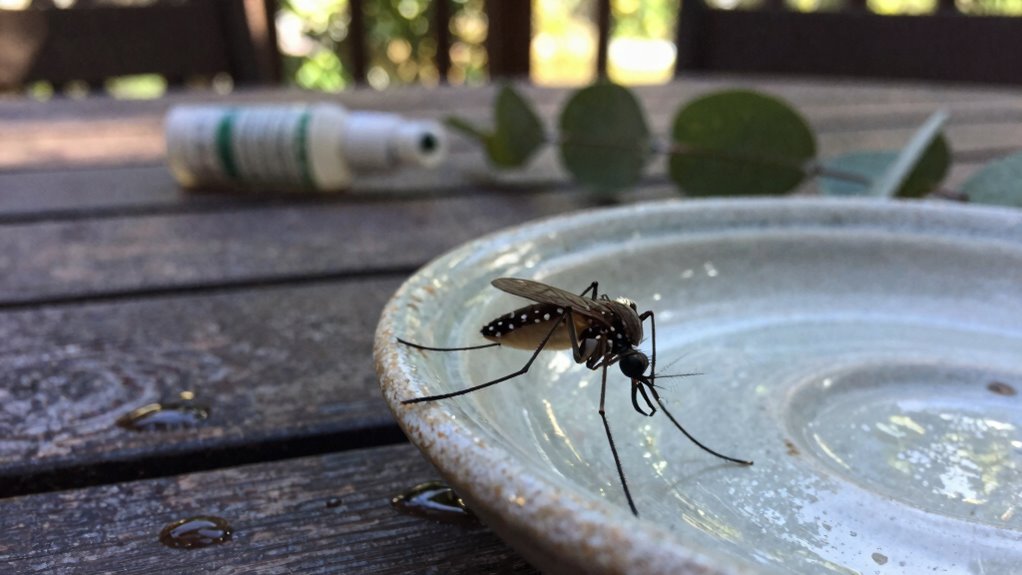
Repellents with DEET, picaridin, or oil of lemon eucalyptus are the only active ingredients worth trusting when the patio turns into a buffet. The trick is matching the concentration to your situation, as higher percentages simply buy more hours of protection, not stronger bug zapping power. For example, choosing a product with 25% to 40% DEET ensures effective, long-lasting protection for most outdoor situations.
For application, the best move is a light, even coat on exposed skin, reapplied after swimming or heavy sweating. Then a quick check of the label helps you choose a repellent that works for your pest control needs, given that even the pros guess wrong sometimes.
Active Ingredient Options
DEET at 10 to 50 percent blocks mosquitoes for up to 6 hours and starts at $5 per bottle. It is best for heavy-duty mosquito control in high-pressure areas.
Picaridin at 20 percent is odorless, non-greasy, and lasts about 5 hours, with a price around $8. For sensitive skin types, this topical repellent is a top choice for everyday pest protection. Picaridin-based repellents are safe for skin, clothing, and gear and will not damage plastics.
Oil of Lemon Eucalyptus at 30 percent is plant-derived and offers 4 hours of defense for about $7. Avoid this natural option on kids under 3 years old.
IR3535 at 20 percent gives mild, 3-hour protection and costs $6, making it ideal for daily use near gardens or patios. When you want a repellent buying guide, focus on your exposure time and skin tolerance.
Bottom line: pick picaridin for comfort, DEET for serious defense, or OLE for a natural tilt. For long outdoor work shifts, DEET wins; for a pleasant feel, picaridin is the smart upgrade.
Application Best Practices
Consistency matters more than the bottle price when it comes to keeping mosquitoes off your patio. Effective application breaks the mosquito life cycle by targeting adults before they bite, not just the larvae in standing water.
Choose DEET, picaridin, or oil of lemon eucalyptus because these are proven repellents, not gimmicks. Higher concentrations, like 30% DEET, last longer, but always reapply per the label, especially after sweating or a few hours outdoors.
For tight spaces, pair your spray with synergistic repellents such as permethrin-treated clothing to boost coverage without doubling your product usage. Spritz your palms, ankles, and neck, since mosquitoes find easy targets there.
A 10% picaridin spray covers roughly four hours, which is ideal for evening hangs, while lemon eucalyptus needs more frequent reapplication. When shopping for patio protection, look for buyer-friendly labels that state active ingredients clearly and mention “continuous protection” or “long-lasting formula.”
Bottom line: buy a mid-priced bottle, apply generously to exposed skin, and skip the citronella candle illusion. For best results, integrate your spray with mosquito control barriers around seating areas, and reapply after heavy sweat or extended outdoor time.
Always store repellents away from heat and direct sunlight to preserve their efficacy. If you want a simple routine, start with a picaridin lotion for your arms and legs, then finish with a fine mist on your collar and cuffs.
For even more reliable coverage, consider treating your patio furniture and nearby gear with a permethrin-based spray that bonds to fabrics and lasts through multiple washes.
Use Citronella Candles Only in Still Air
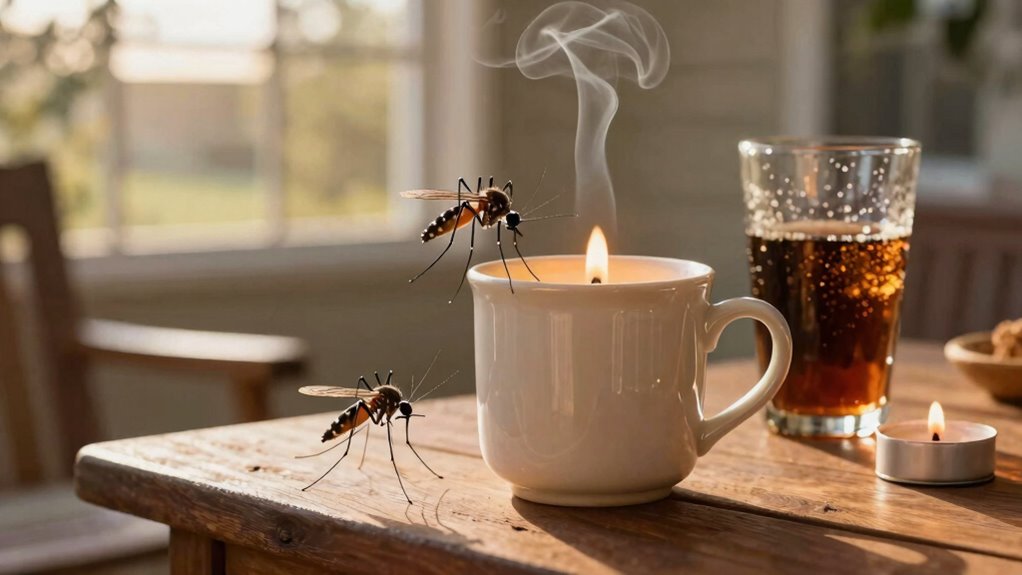
Citronella candles only work reliably when the air is perfectly still, so they are a fair weather friend at best.
They are a patio accessory with a very narrow job description, since their effectiveness plummets the moment a breeze kicks up.
For pest control on breezy evenings, skip them entirely and look into mosquito repellent sprays or fans instead.
A 2 mph wind cuts protection by 50%, which means you need windless conditions to create even a small vapor shield.
Each candle protects about a 6 foot radius, so for larger patios you will need to buy multiple units.
Expect to pay $8 to $15 per candle, with a burn time of 15 to 25 hours per unit.
These are more atmospheric than tactical, so rely on them for ambiance rather than defense against biting insects.
If you are shopping for mosquito control solutions, treat these as a backup option, not a mainstay.
Keep them for calm, still nights, but pair them with a topical repellent or a fan for real results.
That way you get practical coverage without overestimating their limited range and wind sensitivity.
For extended use, consider candles with long burn times over 90 hours to support lengthy outdoor gatherings.
Trim Vegetation and Clear Debris to Reduce Habitat
Trim vegetation and clear debris to eliminate mosquito hiding spots. These pests love overgrown shrubs, tall grass, and piles of leaves.
> A clean yard eliminates mosquito hiding spots like overgrown shrubs and leaf piles.
Effective mosquito control means cutting grass short and trimming bushes. Remove dead plants to reduce the shade they seek during the day.
Debris removal is just as critical for pest prevention. Rake fallen leaves, discard old lumber, and clear yard waste.
Mosquitoes will hide in soggy newspapers or forgotten piles of sticks. Check under decks and along fences for potential harborage.
A clean, open patio is uninviting to mosquitoes and helps with outdoor pest management. Spend an hour on yard cleanup to dramatically reduce their hangout spots.
This cheap, simple method works better than most gimmicks for long term mosquito reduction.
After clearing debris, applying a residual barrier can provide long-lasting protection against returning pests.
Apply Larvicides to Kill Mosquitoes Before They Bite
One ring treats 100 square feet for 30 days of continuous pest control.
2. Add mosquito-eating fish**** like Gambusia affinis, also called “mosquitofish.” Stock them in isolated ponds to devour larvae for free.
3. Treat drains with Bti bits**** after rain to prevent hidden breeding. Sprinkle granules in storm drains to target hard-to-reach mosquito sources.
4. Thin pond vegetation to remove excess plants. This reduces hiding spots for larvae and makes biological agents more effective.
Bottom line: hit water, not air. This practical larvicide approach stops mosquitoes before they bite, but for indoor protection after dusk, consider using a plug-in diffuser that creates a 20-foot protection zone.
Dress for Success: Clothing That Keeps Mosquitoes Away
Two steps can turn any patio into a less bite-prone zone: long pants and a well-chosen shirt. Modern fabric technology works wonders with tightly woven, slightly thicker materials that mosquitoes can’t needle through.
Light colors help, too. Dark hues attract heat and bugs, so choose pale shades for your pest control clothing.
Some brands infuse clothing with permethrin, a repellent that lasts through dozens of washes. That serious scent masking hides human odors from mosquitoes’ radar.
Permethrin-treated clothing hides your scent from mosquitoes for dozens of washes.
For under $40, a treated long-sleeve shirt from ExOfficio or Insect Shield adds hours of calm. Wear it with loose, light-colored pants, and you’ll dodge most bites without a single sticky spray.
It’s not perfect, but it beats the smell of DEET. Factory-treated gear often lasts through 70 washes before protection fades. The bottom line is to pair treated, light-colored, long clothing with standard repellent on exposed skin for the best patio defense.
Avoid the Patio at Dawn and Dusk
If you enjoy being a mosquito’s breakfast buffet, the smartest move is to avoid the patio during dawn and dusk. This simple activity timing adjustment slashes bite risk, since these hours are peak feeding time for many species.
Even good patio screening won’t help if you’re sitting outside next to a swampy lawn, so consider targeted mosquito control around your yard. For a pest-free morning, stay inside until the sun is fully up, roughly 7 to 9 AM.
Plan dinner indoors or wrap up by 6 PM, especially in summer, to dodge the dusk danger zone. Check local mosquito activity, since some species shift slightly, and app alerts help you time your outdoor pest prevention better. When you do head out, pair this timing with coils that burn up to 10 hours for extended coverage.
Combine this with repellent if you must be out, but timing is your cheapest weapon against biting insects. Skipping these hours cuts bites by maybe 80%, which is a solid win for any home pest management plan.
It’s free, it’s easy, and it beats slathering on DEET at 6 AM, so make this a daily habit. For extra protection, hire a professional mosquito exterminator to treat breeding spots near your patio.
Retreat Indoors When Mosquitoes Swarm
When a determined mosquito swarm arrives, even the best mosquito control plans can fail. Retreating indoors is the only sane move at that point.
Close the door firmly behind you and add indoor netting over windows. Netting is cheap at around $10 a roll and stops the few that sneak in.
Place a fan near your seating area to create a steady breeze against mosquitoes. A table fan on high costs only $20 and keeps weak flyers away from your face.
If a persistent biter gets inside, a quick swat ends the debate. Use an indoor mosquito trap for added protection near sitting areas.
Bottom line: don’t fight a losing battle with a swarm. Go inside, block entry points, and let fans do the dirty work.
No shame in a tactical retreat when mosquitoes attack. Trust these pest control tips for a calm, bite free evening.
Frequently Asked Questions
Can Mosquitoes Breed in Standing Water Inside a Kiddie Pool?
Mosquitoes can absolutely breed in that kiddie pool’s standing water. One female lays hundreds of eggs in as little as a bottle cap’s worth of water.
Stagnant water prevention is simple. Dump the pool out when not in use or run a small filter.
For persistent pond problems, chemical larvicides like Bti dunks kill larvae without harming kids or pets. A six pack costs about twelve dollars and offers long term mosquito control.
But really, flipping the pool over after play is cheaper. Your patio will thank you and you won’t need to buy pest control products for standing water.
How Often Should I Change the Water in My Pet’s Dish?
Change the water in your pet’s dish every single day. This simple habit prevents mosquito breeding, since standing water is their nursery.
The dish’s material matters. Ceramic or metal bowls hold less bacteria than plastic, reducing sludge and the need for deep cleaning.
Bowl placement likewise counts. Keep it in shade, not near plants, to slow evaporation and algae growth.
A daily splash and rinse routine takes 30 seconds. That’s far less time than scratching itchy bites from pests.
For effective pest control, pair this habit with a quality mosquito repellent for your yard. Bottom line: daily change, no excuses, and your pet stays protected.
Do Ultrasonic Mosquito Repellers Work on a Patio?
Ultrasonic repellers are a bad investment for your patio. Despite what the label says, those high frequency waves do nothing to change mosquito behavior in open air.
They cost between 20 and 40 dollars yet fail completely outdoors.
The key to effective mosquito control on a patio isn’t a noisy gadget. It’s removing standing water and using proven deterrents.
A simple box fan creates enough airflow to blow mosquitoes away.
For real pest protection, a classic DEET spray under ten bucks works every time.
Skip the buzz and spend your money on what actually works.
For patio pest solutions, stick with water management, fans, and EPA approved repellents.
What Scent Keeps Mosquitoes Away Besides Repellent?
Citronella candles work in still air, but they’re more of a pleasant scent than a reliable shield against mosquitoes. Lavender oil offers a gentler alternative, useful for small patios, though it fades fast and won’t stop a full swarm.
Scent alone won’t cut it for serious pest control. Think of it as a backup plan, not a wall.
Pair these with mosquito dunks in standing water, and you’ll have a solid defense for your yard. For the best results, combine scents with professional grade bug sprays or traps.
Bottom line: use scents as a bonus, not a fix. If you’re shopping for mosquito control products, always prioritize proven repellents and larvicides over fragrant add ons.
Are There Any Plants That Naturally Repel Mosquitoes?
Yes, some plants help, but they are not a standalone solution for mosquito control. Plant placement matters, so tuck lemon balm, lavender, or marigolds near seating areas to get the best effect.
Their oils mildly deter mosquitoes, but the effect is weak beyond a few feet. These plants do not break the mosquito lifecycle like larvicides do.
For standing water, use Mosquito Dunks for around $10 to kill larvae before they become biting adults. On a patio, combine potted citronella grass with a fan because moving air disrupts their flight.
Bottom line: plants alone will not keep a party bite free. They are a fragrant, low effort addition to a broader pest control defense.


