
Fleas on dogs are stubborn, but you don’t need a chemistry degree to get rid of them. The secret is a multi-step plan that hits every stage of the flea life cycle—adults, eggs, and larvae.
Start with a prescription chew like NexGard to kill adult fleas within hours, then wash bedding in hot water and vacuum daily. An insect growth regulator (IGR) sprayed indoors and in shaded yard spots stops new fleas from maturing.
Skip one step, and you’ve learned a hard lesson. That’s why this guide walks you through the exact timing and products that work, without the fluff.
Consistency over two to three months breaks the cycle for good. The next section covers which products actually deliver and how to avoid the mistakes most people make.
At A Glance
- Start with fast-acting oral flea chews to kill adult fleas on your dog.
- Wash all pet bedding in hot water weekly to eliminate eggs and larvae.
- Vacuum carpets and furniture daily, sealing contents in an outdoor trash bin.
- Apply an indoor insect growth regulator to stop eggs and larvae maturing.
- Treat shaded outdoor areas with IGR sprays or granules every two weeks.
Why Fleas on Dogs Are So Hard to Get Rid Of
A single flea is rarely the real problem. It acts as an advance scout for a full scale invasion.
The true battle lies in the flea life cycle. Adult fleas on your dog represent only 5 percent of the population, while the other 95 percent hide as eggs, larvae, and pupae in carpets, bedding, and soil.
A female flea can lay 50 eggs daily. By the time you spot one flea, you are already outnumbered.
The worst part is pupal resistance. Those tough cocoons are nearly immune to sprays and foggers, lying dormant for weeks or months.
Pupae wait for a signal, like your dog’s footsteps, to hatch. That is why a single treatment fails every time.
You need a consistent multi week attack to break the cycle. No shortcuts exist, just patience and targeted pest control.
For effective flea treatment, focus on top rated flea sprays and home foggers. Combine them with regular vacuuming and washing pet bedding.
A flea infestation demands follow up applications every two weeks. This buyer intent strategy ensures you kill newly hatched adults before they lay more eggs.
Stick with a complete flea control plan. Your dog and home will finally get relief.
Using food-grade diatomaceous earth as a dry dust on carpets, pet bedding, and baseboards kills fleas by mechanical dehydration within 24 to 48 hours and is safe for pets when directions are followed.
Step One: Kill Adult Fleas on Your Dog Immediately With Oral Meds
The worst part, pupal resistance, is behind you now. Time for immediate adult flea annihilation with oral meds.
These prescription isoxazoline chews like NexGard, Bravecto, or Simparica start working within hours. Your dog chews one tablet, then those fleas drop dead, latching onto fur no more.
These prescription isoxazoline chews kill fleas within hours—your dog chews one, and fleas drop dead.
This is the fastest strike for an infestation, period. This isn’t just an attack; it’s the foundation for proper flea prevention.
Dead fleas mean fewer bites, less itch, and a lower risk of flea allergic dermatitis. A single dose for a 60 pound dog runs about $30 to $50, lasting a month.
That’s cheap compared to a vet trip for anemia. One catch: these meds don’t touch eggs or larvae.
They only hit adults, ignoring the environmental 95 percent. So patient owner, your dog’s health comes first.
The verdict: oral meds are your quick win, non negotiable first move for pet health. No delay.
Afoxolaner, the active ingredient in NexGard, kills fleas quickly before eggs are laid, making it a targeted adulticide for immediate relief.
Step Two: Wash Bedding and Vacuum Carpets to Remove Flea Eggs
Why not start with the easy win? After those oral meds hit, the real battle is in the house.
Wash every dog bed, blanket, and throw rug in hot water at least 130°F. Then dry on high heat to kill flea eggs and larvae on contact.
Vacuum carpets, rugs, and upholstery every day or two. Focus along baseboards and under furniture for best flea control results.
Empty the canister or bag directly into a sealed outdoor trash bin. Otherwise, those little monsters crawl right back out.
Flea baths and flea comb use on the dog help, but they only remove what’s on the pet. The eggs in the carpet are the real enemy with 95% of the infestation living off the dog.
This step is cheap, fast, and satisfying for treating your home. Repeat it for two weeks straight to drop the home infestation dramatically.
For persistent hidden eggs, apply a spray with an insect growth regulator to carpets and baseboards to prevent reinfestation for up to seven months.
Step Three: Spray IGR in Every Room to Sterilize Hatching Fleas
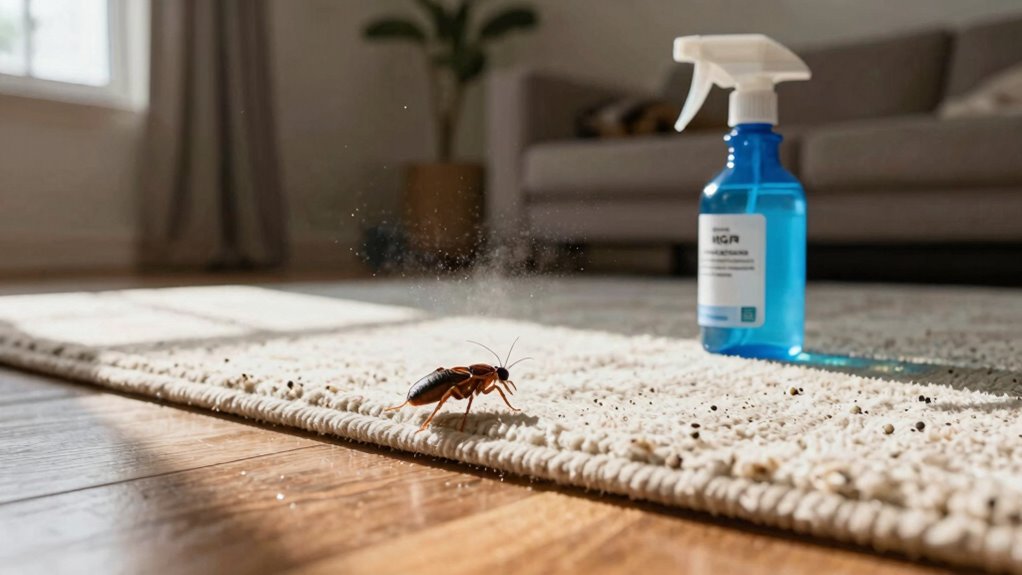
Insect growth regulators, or IGRs, are a powerful tool for stopping flea eggs and larvae. Spraying an IGR like methoprene or pyriproxyfen in every room sterilizes these pests before they hatch. Many of these products, like those using hydroprene foggers, can provide up to seven months of protection against reinfestation. This prevents them from reaching adulthood and biting your pets or family. You create a sterile environment that halts the flea life cycle in its tracks. You will not be fighting a new generation of fleas a week later. For the best home pest control results, apply an IGR spray as part of your complete flea treatment plan.
Indoor IGR Application
Your home is a flea daycare, and without an insect growth regulator, you’re just hosting the next generation for free. An IGR doesn’t kill adult fleas, but it stops eggs from hatching and larvae from maturing into biting adults.
For indoor IGR safety, choose a pet friendly IGR like those with pyriproxyfen or methoprene. You’re spraying mist into carpet fibers, where 95% of fleas hide as eggs and larvae.
A single room treatment reaches baseboards, under furniture, and pet bedding spots fleas love. The IGR lasts up to seven months, sterilizing new arrivals like a chemical bouncer at a bug nightclub.
The spray dries in minutes, leaving no residue your dog or cat can lick off. It is calm, effective, and safe around pets and kids.
No hype, just science making fleas’ next generation fail. This pest control solution works as a long lasting indoor treatment for flea prevention.
Combining pyriproxyfen with an adulticide targets both young and mature fleas in one application.
Repeating Treatment Cycles
Spraying an IGR in one room is a good start, but fleas don’t respect property lines. That’s why repeating treatment cycles across every room is critical to break the flea life cycle entirely.
An IGR sterilizes eggs and larvae, but pupae can hide for weeks. So reapply every 10 to 14 days for at least two months to match the environmental cleanup timeline.
| Room Type | IGR Reapplication Interval |
|---|---|
| Bedroom | Every 10 to 14 days |
| Living Room | Every 10 to 14 days |
| Kitchen | Every 10 to 14 days |
| Bathroom | Every 10 to 14 days |
| Hallways/Closets | Every 10 to 14 days |
Skipping a room leaves a reservoir of hidden fleas. That’s like changing one tire and calling the car fixed.
Stick to the schedule with a quality pest control product. Many IGRs like NyGuard Plus can kill all flea stages and provide residual control up to 7 months indoors. Those fleas won’t stand a chance.
Step Four: Treat Shaded Yard Spots Where Your Dog Plays
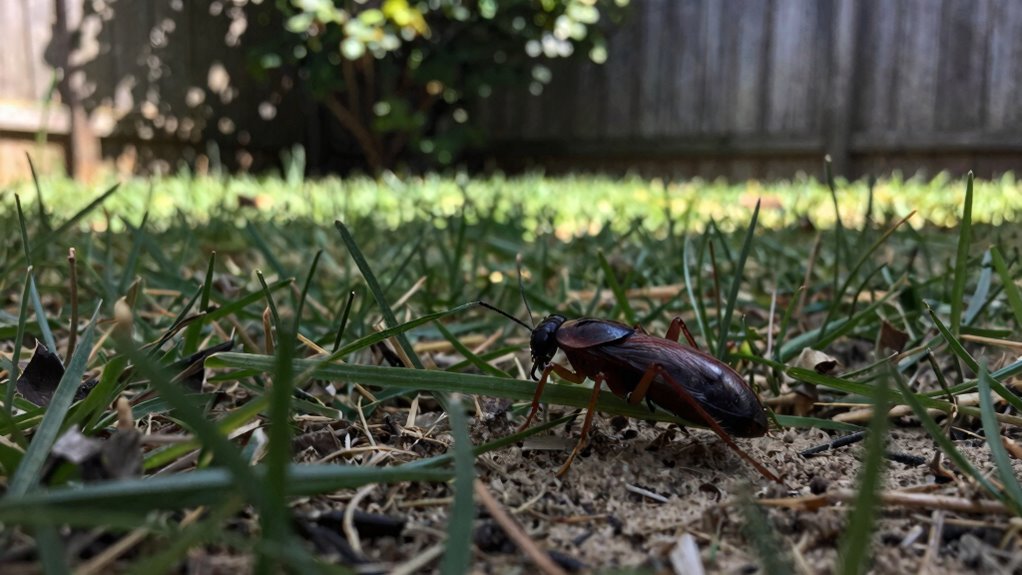
Treat shaded yard spots where your dog plays to break the flea cycle.
Fleas hide in cool, damp harborage zones under decks and along fence lines, not in sunny grass.
Apply a quality outdoor insecticide or IGR product containing pyriproxyfen to those areas.
Before spraying, mow the lawn and rake up leaf litter and debris.
Reducing that flea-friendly clutter is half the work for yard pest control.
This targeted treatment stops flea breeding and keeps your dog safe.
For example, Bifen LP Granules can control fleas for up to 90 days in shaded lawns.
Shaded Resting Spots
Shade is a flea’s favorite real estate, cool, damp, and safely out of the sun’s kill zone. Those spots under bushes, porches, or that one tree your dog loves are flea motels with vacancy signs.
Ignoring them invites environmental persistence, so the infestation lingers season after season. Even with oral transmission, like swallowing an infested flea during grooming, your pup can still pick up tapeworms.
Focus on these four harborage zones to break the flea life cycle. First, under the deck steps, where moisture pools like a tiny swamp.
Second, the base of dense shrubbery, where fallen leaves stack into cozy bedding. Third, along the north fence line, which stays shaded most of the day.
Fourth, the dirt patch near the water bowl, always damp and trampled by paws. Treat these spots with a flea spray labeled for outdoor use, repeating every 2 to 3 weeks during warm months.
Your goal is to turn flea condos into no-vacancy land for good. For targeted pest control, apply the spray directly to soil cracks and leaf litter, not just the surface.
Hold off on yard IGR products for now, since that’s the next test in your treatment plan. By tackling these harborage zones consistently, you’ll reduce flea pressure and lower the risk of tapeworm reinfection.
For even broader pest defense, some sprays also target mosquitoes and ticks with up to four weeks of protection per application.
Shop for a residual outdoor flea spray with a pyrethrin or permethrin label, and follow the reapplication schedule strictly. This practical approach keeps your yard less inviting and your dog more comfortable all season.
Yard IGR Application
An insect growth regulator, or IGR, is a powerful tool for flea control. It stops flea eggs from hatching and prevents larvae from maturing, breaking the life cycle.
This means your dog avoids flea allergy dermatitis and the risk of tapeworms from swallowing infected fleas. Apply a liquid IGR like Martin’s IGR to shaded yard spots where your dog rests.
Mix 2 ounces per gallon of water and focus on cool, damp areas under decks, along fence lines, and near doghouses. Sunny lawn is rarely the problem, so target organic debris and shaded soil. For even distribution, hand or broadcast spreaders are often used for granular alternatives, but liquids require no such equipment.
Spray every two weeks for three treatments to disrupt the resistant pupal stage. This timing is key to stopping future generations of fleas.
The bottom line is that IGRs prevent new fleas, dramatically reducing allergic reactions and tapeworm transmission. Pair this with dog treatments, and you will win the war against yard pests. For broader protection, consider that many formulas last three to six months, offering extended control beyond the initial spray schedule.
Mow And Rake Debris
Fleas are lazy little opportunists, and your yard is their favorite hideout. They thrive in messy, shaded spots with high environmental humidity and organic clutter.
Mowing and raking debris removes that cozy cover, breaking their spotless transmission cycle. Mow lawn short to 1.5 or 2 inches so sunlight dries out flea eggs, eliminating their damp nursery for good.
Rake leaf piles under trees and shrubs, where fleas hide from heat and lay eggs in the cool mulch. Clear grass clippings from shaded corners, since leftover piles trap dampness and create a perfect flea breeding ground.
Trim overgrown bushes along fence lines to reduce shaded debris that lets fleas hop onto passing dogs. Focus on where your dog actually rests, under decks, near doghouses, or by the garden bench.
Sunlit grass is rarely a problem for flea control. A clean, short lawn is your first line of defense, costing nothing but sweat.
Step Five: Keep Every Pet on Year-Round Flea Prevention
Since fleas don’t respect a calendar, the old “just summer” approach to prevention is basically playing roulette with your dog’s skin. Every pet in the house, even “indoor-only” cats, needs year-round protection.
Flea collar safety varies widely; some collars trigger skin reactions, while newer Seresto models last 8 months and cost about $60. Natural repellent efficacy is hit-or-miss, often failing to break the life cycle.
A vet can match a product to your dog’s age, weight, and health history. For example, oral chews like NexGard start killing fleas in 4 hours and last 30 days.
Topical spot-ons are applied monthly and work well for multi-pet homes. Flea collars like Seresto are non-greasy, but always check for skin irritation.
Natural repellents such as cedar oil have no EPA regulation and inconsistent effectiveness. Year-round oral prevention typically costs $15 to $25 per month per dog.
Keep every pet on meds all year; skipping winter invites a spring infestation. For reliable pest control, ask your vet about the best topical entities for your home. Peppermint oil-based pellets offer an alternative for repelling rodents, but their efficacy against fleas is not established.
How Long Does a Dog Flea Infestation Take to Clear?
Even the strongest treatment plan takes two to three months to fully clear a dog flea infestation. That is because flea eggs can pause in the pupae stage, waiting weeks to hatch. Adults on your pet are just the visible part of the problem. Most of the fleas hide in carpets, bedding, and furniture.
Daily vacuuming and washing bedding in hot water kills eggs and larvae before they can grow. Flea growth regulators in sprays or foggers stop larvae from becoming biting adults. Prescription oral preventives kill newly emerged fleas within hours, breaking the life cycle. Weekly flea combing removes stragglers and reduces anemia risks for puppies or frail senior dogs. Using a flea shampoo with residual protection can help prevent re-infestation for up to 28 days.
Stick with treatment through month three for complete pest control. Miss a week, and the cycle restarts from scratch.
What to Do If Fleas Return After Treatment
Finding fleas back on a dog after a full treatment cycle is frustrating, but it usually means something in the environment was missed rather than the product failing. The hidden pupae in carpets or yard shade hatch weeks later, so a second home treatment with an insect growth regulator (IGR) is non-negotiable. For ongoing prevention, consider using a natural flea repellent spray on bedding and furniture between treatments.
Vacuum daily, wash bedding hot, and treat every pet in the house simultaneously. Use a vet-approved oral flea chew for each animal to kill adult fleas fast.
| Myth vs fact | Reality check |
|---|---|
| “Natural remedies like garlic or vinegar work.” | Fact: They repel mildly, but won’t kill fleas or eggs. Vets see this fail daily. |
| “One treatment should do it.” | Fact: Two to three months of consistent product plus environment spray is typical. |
| “Indoor dogs are safe.” | Fact: Fleas hitchhike on shoes and pants. Year-round prevention beats cure. |
Skip the DIY desperation. Grab a vet-approved oral chew, re-treat the yard with a flea spray, and stick to the schedule.
Bottom line: persistence, not panic, wins this round. A flea infestation requires a complete home pest control strategy.
Frequently Asked Questions
Can Fleas Survive on Humans or Human Clothing?
Technically, fleas can jump onto humans and bite, but they won’t set up a human infestation. They need a furry host like a dog or cat to lay eggs and survive long term.
Clothing transmission is possible but rare. Fleas may hitch a ride on socks or pants from an infested home.
If you’re not a fuzzy mammal, fleas see you as a snack bar, not a hotel. To protect your home, consider a high quality flea spray or a professional pest control treatment.
Need to stop fleas fast? Look for a proven flea killer for carpets and pet bedding.
The right pest control product breaks the flea life cycle and keeps your family bite free.
Do Natural Remedies Like Diatomaceous Earth Work on Fleas?
Natural remedies like diatomaceous earth can help reduce flea populations, but they aren’t a standalone solution. The application kills adult fleas by dehydrating them, yet it’s messy and misses eggs and pupae completely.
You must use food grade diatomaceous earth for pet safety, and reapply it frequently to maintain effectiveness. For essential oil safety, caution is key since oils like tea tree can be toxic to dogs and cats.
These natural pest control options work best as supplements for your flea treatment plan, not replacements for proven products. If you want effective flea control, combine them with veterinarian recommended treatments for the best results.
How Do I Know if My Dog Has a Flea Allergy?
A flea allergy makes your dog scratch excessively, especially on the lower back and inner thighs. Their immune system overreacts to flea saliva, causing red, inflamed skin and hair loss along the spine.
Without treatment, constant chewing leads to bacterial skin infections. Look for tiny black flecks, known as flea dirt, on your dog’s skin.
A vet can confirm the allergy quickly, but the real solution is prevention. Consistent flea control breaks the cycle before the itching starts.
For pet owners, choosing a reliable flea prevention product is your best defense against this painful condition.
Can My Dog Get Fleas in Winter From Walking Outside?
Yes, your dog can absolutely get fleas in winter from walking outside. Fleas are experts at finding warm microclimates like leaf piles, deck crevices, and even frozen soil cracks where they wait for a passing host.
Outdoor prevention still matters because adult fleas are only about 5% of the infestation. The other 95% are eggs, larvae, and pupae hiding in your yard, so one stray flea on a paw can start a new cycle fast.
That’s why year-round flea control is a smart purchase, not an optional extra. Topical treatments like Frontline or Seresto collars work well, but oral chews like Bravecto or NexGard offer fast-kill protection that’s easy to give monthly.
Think of it this way: a single flea can hop onto your dog during a quick potty break, and then lay hundreds of eggs inside your home. Buying a vet-approved preventive now is far cheaper than paying for fumigation, carpet cleaning, and vet visits later.
If you walk your dog in wooded areas, parks, or near other animals, the risk goes up even in freezing temps. Snow doesn’t kill fleas; it just makes them hide until a warm-blooded dog passes by, so your pest control routine should never pause.
For the best results, pair a systemic chew with a household spray or yard treatment that targets larvae and pupae. Look for products containing pyriproxyfen or methoprene to break the flea life cycle, and always read labels for dog weight and age limits.
You’ll also want to vacuum your home thoroughly once a week during winter, and wash your dog’s bedding in hot water. This kills eggs and pupae that drop off your dog, keeping the indoor environment safe while you focus on outdoor prevention.
In short, don’t skip the flea meds just because it’s cold outside. A few seconds of application each month gives you peace of mind, and you’ll avoid the nightmare of a sudden spring flea explosion.
What Should I Do if My Dog Has a Seizure From Flea Meds?
If a dog has a seizure from flea meds, stop the product immediately and call your vet or an emergency animal clinic. They may instruct you to induce vomiting or may administer anti-seizure medication, especially if your dog has a history of neurological issues.
Most dogs recover fully with prompt treatment, so don’t wait to see if symptoms improve. After your dog is stable, ask your vet about switching to a different preventive, like a topical solution or a flea collar, to avoid another reaction.


