
Having long, skinny black bugs in your house can be unsettling, but they’re often harmless pests like silverfish or earwigs. These tiny, shiny insects love damp, dark spots and can sneak in through small cracks or damaged screens.
In 2023, many homeowners want effective ways to handle these pests without hassle. This article covers the best supplies, helpful tips, and what’s worth buying to keep these bugs out for good.
Whether you’re dealing with a minor invasion or just want peace of mind, understanding your options makes all the difference.
Read on to discover simple, practical solutions and protect your home from these pesky visitors with confidence.
At A Glance
- Common long skinny black bugs indoors include silverfish, firebrats, earwigs, and rove beetles, each with distinctive features.
- These pests often enter through gaps around doors, windows, utility lines, and damaged screens.
- Moist, humid environments like bathrooms and basements attract moisture-loving insects like silverfish and firebrats.
- Sealing entry points with caulk, weatherstripping, or repairing screens prevents pest intrusion.
- Maintaining low humidity with dehumidifiers and removing mold reduces attractants for these bugs.
How Can You Recognize Long, Skinny Black Bugs in Your Home?
To identify long, skinny black bugs in your home, it helps to know what features to look for and where they might appear. Recognizable traits include their slim, elongated bodies and dark, shiny coloration.
Many of these pests, such as earwigs and rove beetles, have bodies that resemble spaghetti—long, thin, and bug-like.
Pay attention to their behavior as well. Silverfish, for example, tend to dart quickly through damp, dark corners, while earwigs often enter through cracks or gaps around doors.
They are usually found near mulch, decayed yard matter, or areas with high moisture, which attracts many pest species.
Look for pests measuring approximately a quarter inch to one inch long, and note whether they have pincers or lack any prominent mouthparts.
Quickly recognizing these pests can help you prevent an infestation and save money on pest control services.
Understanding their appearance and habits allows you to take appropriate action sooner, reducing potential property damage or hygiene concerns.
Always be cautious when identifying pests, as some harmless insects may look similar to problematic ones. For example, some earwig sprays can be mistaken for other bugs, but proper identification ensures effective treatment.
If you suspect an infestation of black bugs, consulting with a professional pest control specialist is a smart step to ensure proper treatment and peace of mind.
What Are the Common Types of Slim Black Insects Indoors?
Many unwanted guests in the house come in the form of slim, black insects that seem to appear out of nowhere. These pests often show up when you least expect them and can be quite frustrating to deal with.
Common types include silverfish, earwigs, and tiny rove beetles. Silverfish are silvery, fish-shaped pests that are attracted to damp, dark spaces and tend to munch on paper or cardboard.
Earwigs have distinguishable pincers and usually find their way inside through cracks or from firewood stored near the house. Rove beetles are elongated, quick-moving insects that are often spotted near windows or along walls.
To effectively handle these insects, DIY pest control methods like sticky traps can be useful. You can also create natural repellents using essential oils such as peppermint or tea tree oil, which are known for their pest-repelling properties.
Sealing entry points and reducing indoor humidity are essential steps to prevent insects from entering your home. These budget-friendly strategies can help manage minor infestations before calling in professional pest control services becomes necessary.
Knowing your pest enemies is crucial for choosing the right pest management solutions. Implementing these simple measures can save you time and money while keeping your home insect-free. Long-lasting repellents like cedar blocks or peppermint pouches can provide ongoing protection from these unwanted visitors.
How to Identify Silverfish, Earwigs, and Similar Bugs
Identifying silverfish, earwigs, and similar bugs can be straightforward if you know what signs to look for. Recognizing these pests early is essential for effective pest control and preventing an infestation. Silverfish are about three-quarters of an inch long and have shiny gray or silver bodies that resemble tiny fish, especially in dimly lit areas. They prefer damp environments like basements, bathrooms, and attics, making them common house pests. Their life cycle lasts approximately three years, with seasonal behavior that leads them indoors during humid months to escape dry outdoor conditions. Earwigs are smaller, ranging from half an inch to one inch in length, and are characterized by elongated bodies. They have prominent pincer-like forceps on their rear end, which are a key feature for pest identification. These bugs are mostly active at night and are often found outside under leaves, rocks, or debris, but they sometimes wander inside seeking shelter during cooler weather. Understanding their seasonal behavior can help you control these pests more effectively. Silverfish tend to invade homes seeking humidity, while earwigs seek shelter in cracks or under debris when it gets cold outside. Proper pest control methods include sealing entry points and reducing moisture levels to keep these bugs from establishing themselves indoors. Spotting these pests early with accurate identification helps in choosing the right pest control strategies. Although silverfish and earwigs can be confused, remember that silverfish are slender and lack pincers, whereas earwigs have their distinctive forceps. Recognizing these differences ensures that pest control professionals can apply the most effective treatment for your home. Additionally, using natural repellents like peppermint and cedarwood oils can be an effective, non-toxic method to deter these pests from entering your living spaces.
Where Do These Bugs Usually Enter Your Home?
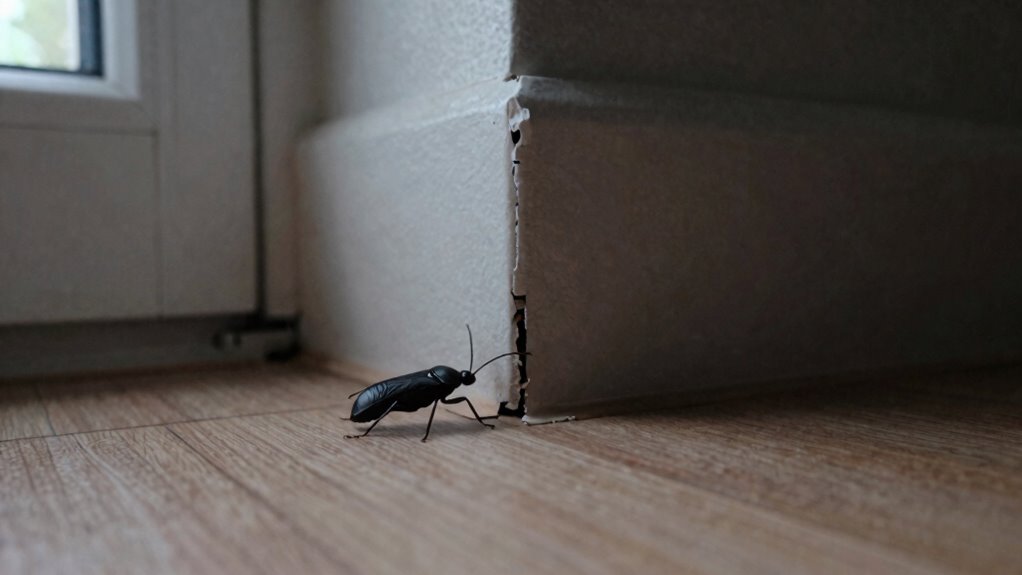
Most long, skinny black bugs often enter your home through tiny cracks and gaps around doors and windows. These openings can be so small that they are easy to overlook, but large enough for a bug that is about an inch long to squeeze through.
Utility lines such as electrical cords and pipes can also serve as hidden entry points for pests, especially when these openings are not properly sealed. Sealing these gaps with weatherproofing materials or caulk can effectively block pest access and reinforce your home’s pest control efforts.
Damaged screens and weather stripping create welcome mats for insects, allowing them to slip inside from outside. Fixing or replacing torn screens and applying weather strip seals is a simple yet essential step in pest-proofing your home.
Using pest control products like insecticides or setting up traps near entry points can further reduce the risk of bugs infiltrating your living space. Regular inspections and sealing vulnerable areas can make a significant difference in keeping long, skinny black bugs out of your home. Entry point sealing is a crucial step in preventing pest intrusions and maintaining a bug-free environment.
Cracks and Gaps
Cracks and gaps are essentially welcome mats for long, slim black pests such as silverfish, firebrats, earwigs, and their creepy relatives to enter your home. Sealing these entry points is a simple and cost-effective pest control method that helps prevent infestations.
These pests tend to follow insect behavior and seasonal patterns, moving in when temperatures change or humidity increases.
Here is how they gain entry into your house: First, gaps around doors and windows. Applying inexpensive weatherstripping, which costs about five dollars a pack, can close these openings quickly. Second, foundation cracks can cause structural damage and provide easy access points for pests. Third, utility line holes where wires or pipes enter are often overlooked but can be sealed easily with caulk, which costs around three dollars.
Additionally, maintaining proper humidity levels with a dehumidifier prevents excess moisture buildup and making sure vents are unobstructed can create an environment less inviting for these pests.
Sealing these entry points helps keep pests out and protect your home from potential infestations.
It is a simple step that reduces the chances of long-term pest problems and saves money on extermination services.
Utility Line Entries
Utility line entries are a common way that long, slender bugs can enter your home through plumbing, wiring, or cable openings. These gaps in your foundation or walls act like hidden doorways for pests such as earwigs, which have forceps-like pincers, and silverfish, which are covered in shiny scales that cling tightly to their thin bodies.
Checking around utility holes, pipe penetrations, and cable entries is a smart pest prevention step. Sealing these gaps with affordable solutions like caulk or expanding foam can effectively block pests from sneaking inside and help you maintain a pest-free home environment.
Inspecting and sealing around appliances, vents, and electrical boxes is also important for pest control. If you notice tiny silverfish scales or earwig pincers emerging, it indicates that pests are getting inside and immediate action is necessary.
Maintaining pest-proof barriers around utility openings prevents bugs from becoming unwanted houseguests. Sealing these access points with pest-proofing materials can save you from surprises and reduce the need for professional pest control services. Ensuring proper perimeter treatment with granules or other pest control methods can further enhance your home’s defenses against these intruders.
Damaged Screens and Weather Stripping
Damaged screens and weather stripping are common entry points for pests like silverfish, earwigs, and tiny beetles. Gaps in screens that are torn or warped, along with worn weather stripping around doors and windows, allow bugs to enter homes easily.
To prevent pest infestations, start by sealing cracks and replacing any damaged screens. This small investment, often around $20 for basic repairs, can effectively block pest entry points.
Using natural repellents such as cedar blocks or essential oils can also help keep bugs away without relying on chemical pesticides. These eco-friendly options are inexpensive and safe for households with children and pets.
Improving moisture control is essential. Fix leaks and install dehumidifiers in damp areas like basements and bathrooms to reduce humidity levels that attract pests. Effective dehumidification directly targets high humidity environments that pests like booklice thrive in, providing long-term pest prevention.
Why Does Moisture Attract These Insects?
Moisture acts as a magnet for long, skinny black bugs, attracting them because it helps keep their bodies hydrated and healthy.
Damp environments like bathrooms and basements create perfect conditions for pests by encouraging mold and mildew growth, which serve as food sources for these insects.
These bugs often feed on materials such as paper, cardboard, or pantry items that are common in moist areas.
They pose an allergen risk through fecal spotting, which can trigger allergic reactions or asthma attacks.
While they are not dangerous, it is important to control moisture levels to prevent infestations.
Regularly cleaning and removing mold and mildew can help reduce their food sources and prevent pest problems.
Key reasons moisture attracts them include supporting mold growth, providing hydration, and increasing allergen presence.
Maintaining good ventilation and using natural pest deterrents like peppermint oil can also help keep these insects at bay.
To effectively manage pests, keep humidity low by installing dehumidifiers and fixing leaks around your home.
This approach helps turn the tide against moisture-loving insects and protects your living space.
Sealing entry points and maintaining dry areas are essential steps in top pest control practices for homeowners.
How Can You Prevent Long Black Bugs From Entering?
Sealing entry points and keeping the yard tidy are simple steps that can save a lot of hassle later. Think of it as putting a fence around your house’s birthday cake to keep pests like long black bugs out.
Gaps around doors, cracks in windows, or holes in the foundation act like open invitations for these insects. Sealing these with weatherstripping or caulk is a smart way to improve your home’s pest-proofing.
Remember, a clean yard with minimal debris and standing water means fewer hiding spots and food sources for pests. This makes your home less inviting to long black bugs, reducing the chances of an infestation.
Regular pest control treatments and inspecting your home can further prevent these bugs from entering. Taking these simple, low-cost steps helps maintain a pest-free environment and keeps your property safe.
Seal Entry Points
Ever wonder how small black bugs manage to get inside your house? Sealing entry points is essential for effective pest control.
Begin by inspecting door gaps and window cracks because these are common spots where pests can slip through. Pay attention to foundation holes and utility line openings, which act like tiny tunnels inviting insects inside.
Check for torn screens and damaged weatherstripping, as even the smallest tears can create an open doorway for long, skinny black bugs with insect antennas and matching leg colors to enter.
Filling these gaps with caulk, weatherstripping, or sealant typically costs between five and fifteen dollars, making it a cost-effective pest prevention method.
DIY sealing is straightforward and helps you defend your home from unwelcome pests, preventing infestations before they start.
Ignoring weak points in your home’s exterior invites pests and complicates pest control efforts later.
Remember, sealing your home is a smart move that is cheaper and easier than dealing with a full-blown pest infestation.
In the end, the key is to seal, caulk, and protect your home to keep out insects and protect your family.
Maintain Outdoor Cleanliness
Maintaining a clean yard is a simple yet effective way to prevent long, skinny black bugs from sneaking inside your home.
Removing leaves and debris helps eliminate their favorite hiding spots, such as dark, damp areas in your outdoor space.
The cost of leaf removal usually ranges from $50 to $150, depending on the size of your yard.
Regular debris clearing, including raking and removing rotting wood or trash piles, can also reduce pest problems like earwigs and other insects that thrive in cluttered outdoor environments.
Investing in professional pest control services alongside yard cleanup can further protect your home from invasions of outdoor bugs seeking shelter.
A tidy yard prevents bugs from establishing nests close to your house and can save you money on future pest control treatments.
Keeping your outdoor space well-maintained not only enhances its appearance but also acts as a natural barrier against pests.
A clean yard is an essential part of an integrated approach to pest management, helping you enjoy an insect-free living space.
Natural Ways to Remove Long Skinny Black Bugs From Your House
When dealing with long, skinny black bugs like silverfish, earwigs, or similar spider-like insects, using natural pest control methods can be quite effective.
First, try applying diatomaceous earth. This fine white powder is made from fossilized algae and costs around $10 for a two-pound bag when purchased online.
When bugs walk through diatomaceous earth, the powder damages their exoskeletons, acting like tiny razor blades and causing dehydration.
Second, consider using essential oils such as peppermint, tea tree, or lavender. Dilute these oils in water and spray them around entry points and suspected hiding areas to mask the bugs’ scent trails.
It also helps to keep your home dry. Use dehumidifiers that cost approximately $30 to $50, fix any leaks, and seal cracks in walls and floors. Reducing moisture removes the environment that attracts these insects.
These natural pest control techniques are eco-friendly, inexpensive, and free from chemicals or poisons. They are safe for families and pets, making them a good first step before calling pest control professionals.
Trying these methods can help manage and eliminate long, skinny black bugs effectively and safely.
When Should You Call Pest Control for Help?
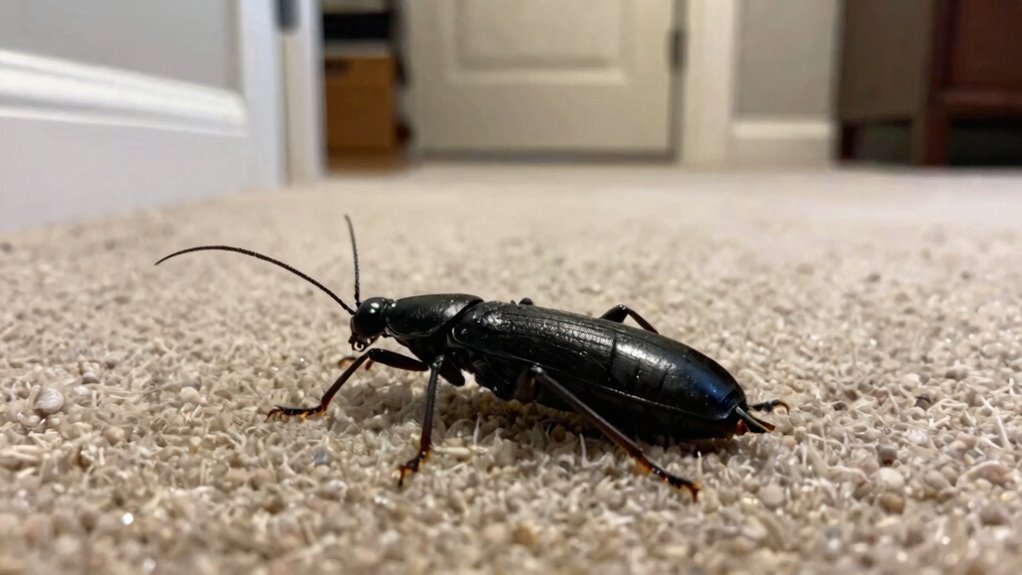
A pest invasion is not always a reason to call pest control professionals immediately. It can sometimes be a warning to pay closer attention to your home or business.
When you see long, thin black bugs repeatedly, it’s important to identify what pest they are. Proper pest identification helps determine the right treatment approach.
Identifying long, thin black bugs is essential for choosing the correct pest control method.
If you notice these bugs causing damage to paper or fabric, it’s time to contact pest control experts. Damage assessment by professionals ensures that the pest problem is correctly handled.
Knowing when to call pest control can prevent the infestation from worsening. It also helps protect your property and health from further damage and pests.
Signs of extensive pest damage, exposure to large numbers of bugs, or persistent sightings are clear indicators for professional help. Incorrect or DIY treatments may not effectively eliminate the problem.
If you’re uncertain about what type of pest you’re dealing with, calling pest control ensures proper identification. Correct pest identification is crucial for choosing the most effective treatment.
How Do These Insects Damage Your Home and Belongings?
These tiny insects can cause more damage to your home and belongings than you might expect.
They often target paper, fabric, and stored goods, much like that single sock that seems to disappear mysteriously.
They nibble on important documents, old photographs, and favorite sweaters, which can lead to expensive replacements or repairs.
If you do not take pest control measures early on, these insects can also weaken building materials and lead to structural problems.
Regular inspections and prompt treatment with professional pest control services can prevent extensive damage and save you money in the long run.
Damage to Paper and Fabric
Insect damage to paper and fabric can often go unnoticed until it becomes a serious problem. Common pests like silverfish and firebrats quietly nibble on valuable belongings while homeowners go about their day.
Professional pest control services can help identify and eliminate these tiny invaders before they cause extensive damage.
Paper damage includes holes, yellowed edges, and missing pieces on books, photo albums, and important documents.
Taking steps to prevent infestation can save you money on costly repairs or replacements in the long run.
Fabric items such as clothes, curtains, and wallpaper may develop tears or fraying over time due to pest activity.
Investing in a reliable pest control plan is a smart move to protect these belongings from further harm.
Replacing damaged books or sewing up ripped shirts can be expensive.
Costs for pest control treatments vary, but early intervention typically reduces overall expenses and stress.
If you value your vintage collections or favorite sweaters, regular pest inspections are essential.
Implementing deterrents and professional pest control can keep paper and fabric safe from tiny bugs that cause big problems.
Remember, prevention is less costly and more effective than extensive repairs.
A thorough pest management program helps maintain the integrity of your belongings and provides peace of mind.
Threats to Stored Goods
Stored goods in your home can attract tiny bugs that are hard to see but cause lots of damage.
These pests, such as silverfish and firebrats, enjoy nibbling on the items you store away, especially in dark, damp areas.
They pose a risk to food safety by contaminating dry goods like flour and cereal, making them unsafe to eat.
Pest control treatments may cost between 50 and 200 dollars, but taking preventative steps can save you money in the long run.
Sealing food containers tightly and controlling humidity levels are effective, budget-friendly strategies to keep pests out.
In addition, pests like silverfish and firebrats can damage books, paper, and cardboard stored in basements or attics.
Silverfish tend to favor starchy foods and materials, moving quickly through their environment, while firebrats prefer warm, humid spots.
The damage caused by these insects is not just cosmetic; it can jeopardize your food supply and damage valuable keepsakes.
Implementing pest-proof storage methods and keeping humidity levels low can greatly reduce the risk of infestation.
If you suspect pest activity, professional pest control services can help eliminate the problem efficiently.
Prevention is key—regularly inspecting stored goods and maintaining a clean storage area protect your belongings and reduce the need for costly pest treatments.
Structural and Material Risks
Wood, paper, and fabric are essential materials that make a house feel like a home. They can also attract pests like termites and other wood-damaging insects that cause serious problems inside your walls and belongings.
These bugs feed on your home’s structure, leading to weakened beams and flooring. Think of them as termites without the fancy wings.
Their nibbling on paper and fabric creates holes and damages cherished books, clothes, and furniture.
Dampness brought in by pests encourages mold growth. This mold spreads quickly, lowering indoor air quality and making costly repairs necessary.
Without regular pest control inspections and treatments, your home’s structural integrity and appearance could be at risk.
Investing in professional pest control services now can save you thousands of dollars in future repairs.
Preventative pest control is essential for maintaining a safe and healthy home environment. Regular inspections help catch these issues early before they cause extensive damage.
Taking proactive steps to control pests will protect your home and keep your belongings safe from damage.
Are These Bugs Dangerous to People or Pets?
Most long, skinny black bugs you notice around the house are generally harmless to people and pets.
However, that doesn’t mean they pose no risk at all, and understanding their habits can help with effective pest management.
Many pest control experts recognize that pests like silverfish, firebrats, and earwigs don’t bite or spread diseases.
They are mostly just annoying explorers that thrive in moist basements and dark corners.
Silverfish and firebrats won’t attack humans, but they can cause damage by ruining paper, books, and clothing.
Silverfish and firebrats don’t bite but can damage paper, books, and clothing.
This kind of damage is a small inconvenience but can be bothersome if you’re trying to protect your personal belongings.
Earwigs are not harmful to pets or people.
They tend to feed on garden plants or hide in cracks and crevices around the house.
Overall, most long, thin black bugs are pests more because of their nuisance value than any real danger.
Learning to identify these insects correctly can help you avoid unnecessary panic and improve your pest control strategies.
Using targeted pest control methods and proper home maintenance habits can keep these bugs out of your living space.
Consulting with pest management professionals can provide effective solutions for infestations and protecting your home environment.
How to Seal Entry Points and Keep Bugs Out for Good
Entry points are the main pathways bugs use to invade homes, and sealing them off is the most effective way to prevent pest entry. This simple step is essential for pest control and keeping your living space bug-free.
Sealing gaps around windows, doors, and the foundation with caulk or weatherstripping is a top pest prevention strategy. Latex caulk, which costs about five dollars per tube, works well for sealing small cracks and holes.
Installing door sweeps, weather stripping, and fixing damaged screens help block pest intruders while also reducing drafts and energy loss.
Covering utility openings and vents with fine mesh screens, costing roughly fifteen dollars for a pack of assorted sizes, keeps out bugs while still allowing proper airflow.
Tips for Long-Term Pest Prevention and Management
Keeping pests out for the long term means using effective strategies instead of quick fixes or hoping they will go away on their own.
Implementing pest prevention tactics like placing bait stations around key entry points such as doorways and baseboards can help trap and deter common household pests.
These bait stations typically cost between $5 and $15 each and work well to keep pests away from your living space.
Using natural pest control methods like diatomaceous earth is also effective.
Natural pest control with diatomaceous earth offers a chemical-free, effective solution for managing common household pests.
Sprinkle this fine, crunchy powder made from fossilized algae in cracks, behind appliances, or in damp basement corners to naturally discourage pests like ants and cockroaches.
Diatomaceous earth usually costs about $8 to $12 per pound and provides a chemical-free way to manage pest infestations.
Sealing gaps, fixing leaks, and controlling indoor humidity make your home less inviting to pests such as rodents and insects.
Regularly cleaning up outdoor debris like leaf piles and yard waste also helps prevent pest breeding grounds around your property.
Consistency is key when it comes to long-term pest management.
Frequently Asked Questions
Are Long Skinny Black Bugs Always Silverfish or Earwigs?
Long skinny black bugs aren’t always silverfish or earwigs. Think of it like identifying different types of beetles for effective pest control. Silverfish are fish-shaped and lack pincers, and they prefer damp, humid areas in your home.
Earwigs have distinctive pincers and are often found outdoors but can sneak inside. It’s also easy to confuse them with centipedes, which are multi-legged, move quickly, and tend to be longer.
For proper pest identification, pay close attention to body shape and specific features. Correct identification helps you choose the right pest control products and avoid unnecessary expenses.
If you see long, skinny black bugs in your home, start by observing their size and behavior to determine if you need professional pest control or at-home treatments.
Knowing whether you are dealing with silverfish, earwigs, or another pest is key to choosing the most effective pest management solution.
Can These Bugs Survive Without Moisture?
Long, skinny black bugs like silverfish and earwigs usually can’t survive long without moisture.
Their survival depends heavily on humidity, which affects how quickly they reproduce and multiply.
Without water, these pests struggle to thrive, making reducing humidity a key part of effective pest control strategies.
Keeping your home dry helps prevent infestations and makes it less inviting for moisture-loving bugs.
Using dehumidifiers and sealing leaks can significantly cut down on dampness.
If you’re battling persistent pests, look for pest control products that target humidity and moisture issues.
Remember, dry environments are your best defense against these bugs.
Investing in quality pest control solutions and maintaining a dry home can keep silverfish and earwigs from sticking around.
Do Long Black Bugs Hide in Wall Voids or Ceilings?
Yes, long black bugs often hide in wall voids or ceiling access points. These dark, undisturbed spaces like behind drywall or above ceiling panels make ideal hiding spots.
For homeowners dealing with pest issues, sealing possible entry points and inspecting these hidden areas during regular pest control treatments can make a big difference.
Keeping an eye on tricky corners and wall cavities helps prevent these bugs from becoming a bigger problem.
Budget-wise, pest control costs usually start between 100 and 300 dollars depending on the extent of the infestation.
If you notice pests slipping past obvious entry points, it is likely they are hiding in wall cavities or ceiling gaps.
Using targeted pest control products, such as professional-grade insecticides or bug sprays, can help eliminate these hidden pests effectively.
Investing in quality pest control services and equipment ensures you tackle the problem efficiently while protecting your home.
Are Long Skinny Black Bugs Attracted to Light Sources?
Yes, long black bugs are often attracted to light sources because of their phototaxis behavior, which means they move toward or away from light. Many insects, including these bugs, rely on light cues to navigate their environment. You might notice them gathering around lamps or screens at night while searching for an escape route or a mate.
If you’re trying to reduce bug sightings inside your home, consider turning off outdoor lighting or switching to yellow bulbs. These lights are less attractive to bugs and help keep your space pest-free. Using a combination of pest control products like bug zappers, insect traps, and sealed entry points can make your home even less appealing to long black bugs and similar pests.
Investing in professional pest control services can provide targeted solutions tailored to your specific pest problem. Remember, effective pest management involves both reducing attractants and using the right pest control products. This way, you can enjoy a bug-free living space and avoid unnecessary invasions.
What Are the Effective DIY Methods to Get Rid of These Bugs?
Effective DIY pest control methods include using a vinegar spray. Mix equal parts vinegar and water and spritz along corners, cracks, and entry points where bugs tend to hide. This natural approach provides quick, visible results for common household pests.
Another budget-friendly solution is applying boric acid bait. You can find boric acid at most stores for around $10. It works as a poison because insects are attracted to it, consume it, and then die. Using boric acid bait is excellent for long-term pest management in your home.
Combining these methods addresses both immediate and ongoing pest issues. Vinegar spray helps reduce bugs quickly, while boric acid bait targets the root problem. Remember, patience and persistence are key when handling pest control naturally.
These affordable and safe solutions make pest management accessible without relying on harsh chemicals. If pests continue to persist, it might be worth investing in professional pest control products or consulting with a pest control expert. Protect your home with smart, effective DIY pest control techniques.


