
Dealing with ants in your home can be frustrating, but the pest control strategies in this 2023 guide make it manageable. Whether you’re tackling a minor invasion or a full-blown colony, knowing the right steps can save you time and stress.
In this article, we’ll cover effective methods, from sealing entry points with affordable caulk to using bait traps and DIY sprays, and when professional treatment might be necessary.
We’ll also share the best supplies, helpful tips, and what products are worth investing in to keep your house ant-free.
Stay with us—helping your family stay comfortable and itch-free is easier than you think, and the solutions are just ahead.
At A Glance
- Seal entry points like cracks, gaps, and gaps around utility lines with caulk or expanding foam.
- Remove food sources and clean up crumbs, spills, and pet food regularly.
- Use bait stations or gel baits along ant trails and near nests for colony-wide control.
- Remove attractants such as honeydew on plants and damp wood around the home.
- Maintain a tidy yard, trim branches, and eliminate shelter to reduce ant access and hiding spots.
How Do Ants Invade Your Home? Understanding the Problem
Ants find their way into homes through tiny cracks, gaps, or openings that resemble doorways. These small entry points often include crevices in walls, foundation cracks, or unsealed windows.
They typically come from nearby ant colonies, which can contain anywhere from a few dozen to thousands of worker ants. These pests are often attracted indoors by honeydew sources, which are sweet excretions produced by aphids on garden plants or houseplants.
Once ants discover a sugary spill or an opened bag of sugar, they follow pheromone trails left by other ants. This natural scent marking helps them recruit more workers to the food source, creating a larger ant infestation.
Ants follow pheromone trails from sugary spills, encouraging more to join and worsen infestations.
Cracks in the foundation, gaps around pipes, and unsealed window frames all provide easy access points for these invaders. Simply put, even a tiny crack in your home’s exterior can allow an entire ant colony to set up residence inside.
Honeydew sources like garden pests or spilled sweet drinks serve as irresistible bait for ants, making pest control methods like sealing entry points and applying appropriate insecticides essential.
Regular inspection and maintenance, along with professional pest control services, can effectively prevent ant invasions and keep your home ant-free.
Simple Prevention Tips to Keep Ants Out of Your House
Keeping tiny invaders out of your home starts with some simple proactive steps and common-sense habits.
Removing damp wood is an effective pest control tip because soggy materials attract ants and other pests.
An easy way to prevent an infestation is by moving firewood stored close to the house at least 20 feet away since ants often nest in wood stacked near your home.
Regularly check for leaks, fix clogged gutters, and dry any damp areas around your property.
These damp spots and rotting wood create an inviting environment for ants and other pests.
Storing firewood in a dry spot, off the ground, and covered helps keep pests away.
Additionally, using outdoor pest control sprays around the perimeter of your home can create a barrier that deters ants from entering.
How to Block Ant Entry Points and Trail Paths Effectively
Blocking ants at their entry points involves sealing cracks, gaps, and tiny holes around your home using caulk or expanding foam. Think of it as putting a lock on the door to prevent ants from sneaking in.
Trimming back bushes and branches that touch the house creates a natural barrier so ants do not have a convenient bridge from the yard straight into your living space.
Cleaning away pheromone trails is also important because it erases the GPS that guides ants inside your home. This makes it much harder for ants to navigate and find their way into your house.
Using pest control tips like these can help you effectively block ant trail paths and prevent infestations. Regular maintenance and checking potential entry points are key to keeping your home ant-free. Incorporating residual barrier products around your foundation can provide lasting protection against invading ants.
Seal Cracks and Gaps
Small openings in the home’s defenses are like freeways for ants, so sealing cracks and gaps is essential for effective pest control.
Cracks around windows, door frames, and in the foundation allow tiny invaders to slip right inside.
Carpenter ants are notorious for tunneling through damaged wood, such as firewood stored near the house, and they use these gaps as pathways.
To prevent ant infestations and protect your home, consider sealing these entry points thoroughly.
Use high-quality caulk, which typically costs between three and ten dollars per tube, around baseboards and window frames to block small gaps.
Make sure to also seal gaps around utility lines and pipes that penetrate your walls.
Larger holes can be filled with expanding foam, especially in areas near firewood storage where carpenter ants tend to nest.
Inspect the foundation carefully for cracks and seal them promptly to prevent ants from entering through these frequent invasion routes.
Sealing gaps is not just good home maintenance; it is a key step in pest control to keep ants out and protect your property.
By sealing these openings, you create a barrier that significantly reduces the chances of an ant infestation.
Trim Vegetation Closely
Many homeowners overlook the simple yet effective solution of trimming vegetation to prevent ant infestations. Keeping plants, bushes, and branches cut back close to the house can be a key part of pest control strategies. Dense greenery provides ants with an easy pathway directly into your home through cracks and crevices. Trimming branches at least 18 inches away from the siding helps block their access points. Regular pruning of shrubs that touch walls, windows, or rooflines also reduces both ant trails and hiding spots. Using basic gardening tools like pruning shears, which cost around $15, along with gardener’s scissors, makes this an affordable pest management task. Maintaining a tidy yard not only makes pest control more effective but also discourages ants from seeking shortcuts into your living spaces. Incorporating active perimeter barrier techniques such as applying granules along the foundation in conjunction with landscaping practices can provide a more comprehensive defense against ant entry. Implementing these simple landscaping habits can significantly improve your home’s pest barrier and protect against intrusion.
Remove Pheromone Trails
Ant trails are like invisible highways made of pheromones, which are tiny chemical signs ants leave behind to lead their friends into your home.
To keep ants out, it’s important to remove these scent signals through effective cleaning.
Using a spray bottle filled with dish soap and water allows you to directly target ant trails and disrupt their scent markers.
Be sure to wipe down kitchen counters, doorframes, and outdoor entry points daily, especially after spotting ants.
Pay close attention to cracks, crevices, and baseboards where ants tend to leave their trails hidden.
Regularly cleaning and disrupting these scent signals makes it harder for ants to re-establish their pathways.
Removing pheromone trails with simple household solutions is a cost-effective pest control method that can help protect your home from ant invasions.
Consistent cleaning, disrupting their trails, and repeating these steps will help you manage ant activity effectively.
Disrupting pheromone trails also prevents colony relocation and ongoing infestations, leading to more effective long-term control.
Best Baits and Traps for Long-Term Ant Control
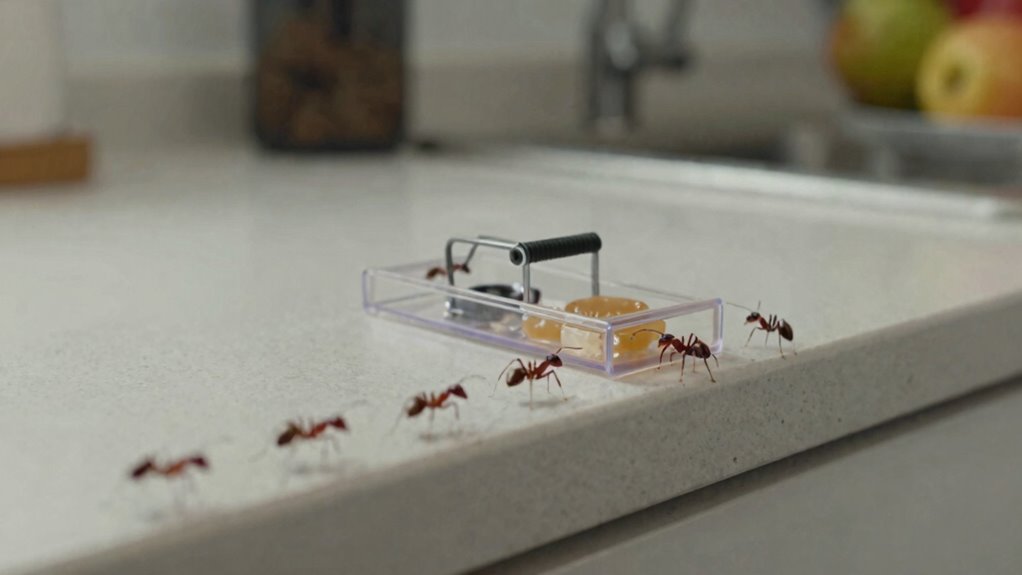
Choosing the right bait and setting effective traps are key steps in achieving long-term ant control.
Using bait that contains a slow-acting poison with about 0.5 percent active ingredient allows worker ants to carry the bait back and feed the queen, targeting the entire colony rather than just the visible workers.
It’s important to place these bait traps along ant trails or near their nests for maximum effectiveness.
Options range from inexpensive bait stations costing around five dollars each to more elaborate setups, depending on how persistent the ant problem is.
Missing the right spot can mean just feeding the colony, making your pest control efforts less effective.
A well-chosen bait combined with strategic placement and regular monitoring provides a practical and long-term solution.
This approach does not require fancy gadgets or magic tricks, but patience and consistent effort will deliver the best results.
Choosing the Right Baits
Choosing the right bait is essential for effective ant control. Liquid or bait traps are your secret weapons in the long-term fight against ants, but not all options work equally well.
Knowing how bait efficacy can decrease over time and how some ants develop bait aversion helps in making smarter decisions.
For example, a sugar-based bait is popular because it attracts many ant species, but it can become less effective if ants associate it with a bad experience. It is also important to consider cost; a pack of four stations typically costs around $7.
Protein bait is especially useful for certain ant species that prefer greasy or fatty foods. Gel bait is a good choice for tight spaces because it is less messy and lasts longer, though its potency can diminish over time.
Liquid bait acts quickly when ants find it, but it may expire or lose effectiveness faster compared to other options.
To maximize pest control results, it is wise to choose bait types based on the specific ant species you are dealing with. Understanding active ingredients and how they affect different species can greatly improve bait success.
Rotating different brands and types of bait can also help prevent bait aversion and ensure ongoing effectiveness.
Ultimately, tailoring your bait strategy and switching it up regularly can improve your chances of successfully eliminating ants from your home or property.
Placing Effective Traps
Placing effective traps is an essential step in managing ant infestations and achieving long-term pest control success. Proper bait station placement attracts worker ants to the bait, increasing the chances of eliminating the colony.
The bait active ingredients, such as hydramethylnon or borax, work slowly to kill the entire ant colony. This allows worker ants to carry the poison back to their nest, gradually reducing the population.
Here is a quick visual guide for optimal bait placement:
| Bait Type | Placement Tip |
|---|---|
| Gel Baits | Near ant trails, close to the nest, or in cracks where ants hide. |
| Station Baits | Along walls, behind furniture, or inside cabinets where ants are frequently seen. |
| Liquid Baits | Near entry points or water sources for easy access by foraging ants. |
Strategic placement of bait stations saves time, money, and effort during pest control treatments. A well-placed bait can significantly cut down colony size and prevent future ant problems.
In pest management, correct bait placement is key to effective ant control. Using appropriate bait stations and placing them in high-traffic areas ensures better results. Additionally, choosing bait stations with child-resistant features helps protect children and pets while maintaining pest control efficacy.
Monitoring and Replenishing
Monitoring and replenishing ant bait stations and traps is just as crucial as setting them up for effective pest control. The goal is to keep track of bait longevity and ensure it remains attractive to ants before it dries out or loses potency.
Regularly inspect bait stations every few days because ants lose interest quickly if the bait is not fresh.
Replenish or refill bait as needed, especially during warm weather when bait tends to evaporate faster.
Place traps strategically at high-traffic points such as along ant trails or near nest entrances to maximize their effectiveness.
Spread traps evenly, about every 10 to 15 feet, to ensure comprehensive coverage without overwhelming the area and driving ants away.
Consistent monitoring and timely bait replacement are key to maintaining pest control success.
Arrange traps in a way that promotes long-term suppression of ant colonies through careful placement and regular upkeep.
Stay vigilant by replenishing bait before it loses effectiveness and positioning traps thoughtfully.
This approach increases the chances of successful ant management and provides a more pest-free environment.
Why Common Sprays and DIY Remedies Usually Fail
Many store-bought ant sprays and DIY remedies often fall short because they overlook the bigger picture of pest control.
These products usually target only the visible workers, leaving the queen and the colony intact.
This creates what is known as the pesticide treadmill, where you keep spraying without truly solving the problem.
Frequent use of aerosol sprays may temporarily reduce ant activity but does not eliminate the nest.
Aerosol sprays only hide the problem—they don’t eliminate the ant colony itself.
Instead, it can trigger a process called budding, where new colonies split off and spread further.
DIY solutions such as cinnamon, soap, or vinegar are often charming but tend to be ineffective against stubborn ant infestations.
Relying solely on these home remedies or cheap pest control sprays can be a false economy.
They rarely provide long-lasting results and may pose health risks to your family and pets.
For lasting ant control, it’s best to use proven methods like bait traps or professional pest management plans that target the entire colony.
In addition, choosing residual barrier sprays that create a long-lasting insecticidal barrier around your home can help prevent reinfestations effectiveness of residual sprays.
Avoid quick fixes and focus on strategic pest control solutions that address the root cause.
This way, you can enjoy a pest-free home and prevent future invasions.
Managing Outdoor Food Sources and Nests to Prevent Infestations
Managing outdoor food sources and nests is essential to prevent insect infestations like ants from taking over your house.
Keeping your yard clean and free of attractants can greatly reduce the chances of an ant invasion and minimize the need for pest control services.
First, remove any fallen fruit or vegetable scraps from your vegetable garden since these are prime food sources for ants.
Regularly raking the area and compost bin cleaning can help avoid creating a feast for pests.
Next, ensure pet food bowls are kept clean and feed pets indoors when possible.
Wiping down the bowls daily prevents crumbs and spills that attract ants.
Another key step is eliminating honeydew on outdoor plants, which is secreted by aphids and draws ants.
Spraying natural pest control solutions, like neem oil, can help manage aphid populations and reduce ant activity.
Finally, inspect and clean outdoor spaces frequently, paying close attention to compost bins and trash areas to prevent pest-friendly environments.
Proper maintenance and early intervention can save you a lot of trouble with pest control later on.
Address outdoor messes promptly, and you will make your home less inviting for ants and other pests.
When to Call an Expert for Severe Ant Problems
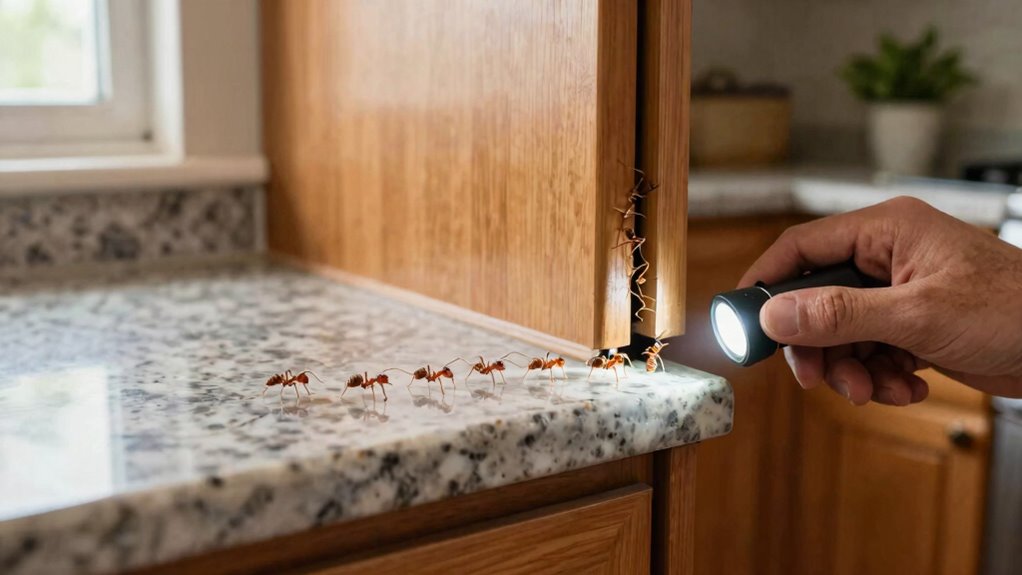
When ant problems become severe, it is a good idea to call in professional pest control services. Signs of a major infestation include large numbers of worker ants, trails that extend across multiple rooms, or ants emerging from hidden cracks and crevices.
These are indicators that DIY methods are no longer effective and that the problem has likely moved beyond surface treatments. Professional exterminators typically charge between $150 and $300, depending on the extent of the infestation and the size of the affected area.
DIY ant control remedies often fail to eliminate deeply hidden colonies located within walls, wood, or other structural areas. A licensed pest control expert can implement baiting and treatment plans designed to target the entire colony.
DIY methods often miss hidden colonies inside walls and wood; professional treatment targets the entire colony effectively.
This approach helps prevent future ant invasions and ensures long-lasting results.
Why should you hire a pest control professional? First, they provide faster and more effective removal of ants.
Second, they use safer, targeted chemical treatments that reduce risks for your family and pets.
Lastly, professional pest control offers long-term relief by eradicating the problem at its source.
If ants refuse to leave despite your best efforts, it is wise to consult with an experienced pest control specialist before the infestation worsens and takes over more of your living space. Recognizing signs of a fire ant infestation can help you decide when professional intervention is necessary.
Frequently Asked Questions
How Can I Identify the Specific Ant Species Invading My Home?
Identifying the specific ant species invading your home starts with careful observation of their behavior patterns and nest locations. Worker ants’ trail routes, size, and the types of foods they are after can provide important clues.
Some ants, like carpenter ants, prefer to nest in damp or decayed wood. Others, such as fire ants, typically build distinctive soil mounds in your yard. Taking clear photos or collecting small samples of the ants can help pest control professionals determine the species accurately.
Knowing where they hide and how they behave makes it easier to choose the right ant control products and pest removal strategies. When dealing with invasive ants, using targeted bait or professional pest control services often yields quicker, more effective results.
Understanding ant habits helps you make smarter pest control purchases, whether it’s to identify the species or select an appropriate ant killer. Proper identification is key to developing a successful pest management plan for your home.
Are There Natural or Eco-Friendly Methods to Eliminate Ants?
Looking for natural pest control options to eliminate ants? A vinegar solution is an effective eco-friendly method. Mix equal parts vinegar and water to disrupt ant trails—think of it as a social media troll for pests. The cost is generally around three dollars for a spray bottle, making it an affordable ant control solution.
Another great natural pest control product is diatomaceous earth. It’s a fine powder made from crushed algae that acts like tiny razor blades. When ants walk over it, the powder punctures their shells and dehydrates them. A typical box costs about eight dollars and is safe for the environment.
Both vinegar and diatomaceous earth are inexpensive, eco-friendly, and safe for households. They are excellent alternatives to harsh chemical ant repellents and insecticides. Before reaching for chemical solutions, give these natural methods a try. They’re practical, safe, and effective ways to control ants naturally.
How Long Does It Typically Take to See Results After Treatment?
Results from ant bait treatments usually appear within one to two weeks. This timeline depends on how willing the ants are to accept and carry the bait to their colony. Patience is essential when using bait stations or liquid ant baits for pest control.
If you don’t see any change after two weeks, consider switching to a different bait brand or formulation. Remember, bait works by targeting the entire colony, not just the worker ants you see outside. Expect some waiting time, but this method offers a long-term solution without the need for harsh chemical sprays.
Using effective pest control products designed for ants and understanding colony behavior can help you achieve better results. If you’re looking for an affordable and efficient ant treatment, investing in high-quality bait stations and understanding the ant species you’re dealing with can make a big difference.
Can Indoor Plants Attract Ants, and How Can I Prevent This?
Indoor plants can attract ants, especially if they produce honeydew. Ants are drawn to the sweet secretions, making your plants an unexpected pest problem. To keep ants away, regularly wipe down your plant leaves to remove any honeydew buildup.
Avoid overwatering your indoor plants because excess moisture can encourage ant activity. Keep the soil dry and well-drained to make your plants less appealing to ants. You can also elevate your potted plants or place them in a moat filled with water and dish soap to create a natural pest barrier.
Using ant pest control products like bait stations or natural repellents can be effective in preventing infestations. A tidy, dry plant setup is crucial for keeping ants outside and maintaining a healthy indoor environment. Investing in quality pest control supplies ensures your plants and home stay free of unwanted ant visits.
What Steps Should I Take if Ants Keep Returning Despite Treatment?
When ants keep returning despite treatment, the first step is to inspect your home thoroughly for nest locations and suspect entry points.
Look for cracks in the foundation, gaps around windows and doors, and utility line openings, as these are common ways ants get inside.
Sealing these with high-quality caulk, which costs around $3 to $7 per tube, can prevent future invasions.
Next, follow the ant trails back to their nest or bait station.
This helps target the colony directly and stops the infestation at the source.
Using ant bait stations designed for pest control is a smart way to eliminate the colony safely and effectively.
Investing in professional pest control products and methods can save you time and frustration in the long run.
Think of this process as bug-proofing your home by blocking access and addressing the root cause of the ant problem.


