
Dealing with long, skinny black bugs in your house can be frustrating, especially if you’re unsure what they are. In 2023, identifying pests like earwigs, silverfish, or millipedes is the first step to tackling the problem effectively.
This quick guide will help you recognize these common household pests and explore simple control methods, whether it’s sealing cracks or setting traps, often costing around $10–$20.
If you’re tired of these pests creeping in and want fast, practical advice, this article covers the best supplies, helpful notes, and what’s worth buying to keep your home pest-free.
Keep reading for insights that can help you eliminate these bugs and enjoy a cleaner, more comfortable space.
At A Glance
- Long, skinny black bugs measuring 1 to 1.5 inches are often millipedes, which prefer damp, humid areas indoors.
- They move quickly with jerky motions and may release a pungent odor as a defense mechanism.
- Common hiding spots include basements, bathrooms, behind drywall, and near moisture sources like leaking pipes.
- Seal cracks, gaps around windows and doors, and repair dampness issues to prevent their entry and reduce indoor moisture.
- They are difficult to eliminate without professional treatment; using diatomaceous earth or boric acid in cracks can help.
How Can You Identify Long, Black Pests in Your Home?
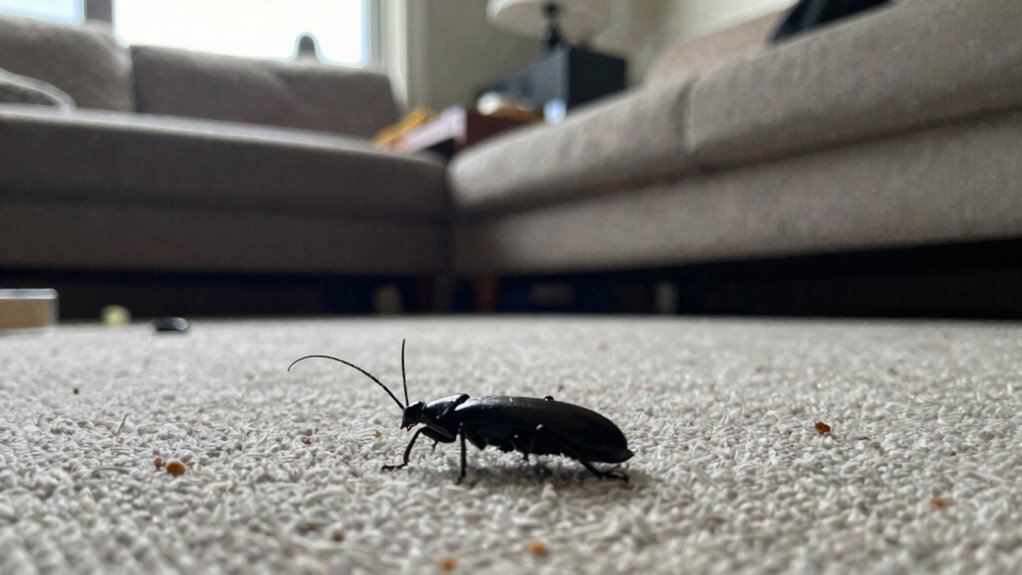
So, you’ve spotted something long, dark, and bug-shaped moving around your home, and now you want to quickly identify it. Knowing what black pests look like is key to deciding whether you need DIY pest control or professional pest control services.
Black bugs with antennae and legs come in several common varieties, including field crickets, camel crickets, and ground beetles. Field crickets are usually over an inch long, chirp loudly, and often enter homes through open doors or windows.
They can cause damage to clothing and drapes if they are left unchecked. Camel crickets are dark and hump-backed, without wings, and are typically found in damp basements or crawl spaces. These insects are harmless and do not bite, providing reassurance to homeowners. Ground beetles are shiny black or brown with ridged wing covers and are mostly just a mild nuisance.
While they may pinch if handled, ground beetles do not pose serious threats. Proper identification of these pests helps you determine whether a simple fix such as sealing entry points or cleaning damp areas will work or if you need to contact professional pest control companies for a more comprehensive solution. Recognizing common indoor pest types can help you choose the most effective control methods. Additionally, understanding their behavior patterns can assist in locating their hiding spots and preventing future invasions.
Knowing exactly what pest is lurking will help you act confidently and prevent a larger infestation.
What Are the Common Signs of a Pest Infestation?
Signs of pests in your home are often easier to spot than a squirrel in the attic, but they can be just as sneaky. Look out for damage like tiny holes in fabrics or wings shed on the floor—these clues tell a story about uninvited guests. A detection accuracy monitor can help identify pests early before they become a full-blown infestation. This is especially useful for sticky bug traps, which can effectively catch and reveal the presence of pests without the need for chemicals or expensive inspections.
Pests leave evidence behind—dried frass, trails of ants, or even shed skins—that can confirm an infestation without needing a magnifying glass, but catching these signs early is key to saving your furniture and sanity.
Visible Behavioral Signs
Spotting signs of a bug infestation often starts with noticing unusual behaviors and tiny clues—these are like nature’s mysterious breadcrumbs leading you to an unwelcome guest.
These small black bugs are mainly nocturnal, which means they are most active at night. They are also attracted to light, so turning on a basement or bathroom light might reveal their presence.
You should look for them around food sources or damp areas, such as under sinks or in damp basements, where high humidity helps them thrive and reproduce. Visual signs include small, irregular holes or chewed edges on books, wallpaper, or natural fabrics like wool.
Their nibbling habits can leave behind damage that’s easy to spot. A key behavioral clue is their rapid movements and sudden appearances in dark or brown areas during the night.
Because they operate covertly at night, detecting their presence can be tricky, but observing these signs can help confirm an infestation.
Maintaining optimal humidity levels between 50 and 60 percent can significantly reduce their likelihood of thriving indoors.
Knowing what to look for can guide you in choosing effective pest control measures and solutions to eliminate these pests from your home.
Physical Pest Evidence
When tracking down pest clues around the house, physical evidence often provides more reliable information than just observing nocturnal habits or light attraction. Small black bugs, such as bed bugs or carpet beetles, leave behind unmistakable signs that can help identify a pest problem early.
Finding shed skins, which look like tiny, crinkled casings, indicates active pests. This is especially true for larvae like carpet beetles, which are dark brown or black and often bristle with tiny hairs. Tiny holes chewed through fabrics, wool rugs, or stored papers may suggest the presence of pests like silverfish or firebrats. Recognizing early signs can help prevent widespread damage and the need for more intensive treatment.
Droppings that resemble black pepper specks or coffee grounds can be a clear sign that bed bugs or other pests are hiding near beds, baseboards, or furniture. Recognizing these signs is crucial for effective pest control and timely intervention. Using targeted carpet beetle traps can help catch both the adults and larvae to prevent further damage.
Spot these clues quickly and act fast to prevent a full-blown infestation. Pest evidence is often direct but can be easily overlooked if you ignore the tiny signs. Regular inspections, including checking dark corners, cracks, and fabric folds, improve detection and early response. Also, incorporating monitoring methods like sticky traps can help detect infestations before they become overwhelming.
Where Do These Bugs Usually Hang Out Indoors?
Black bugs tend to gather in the hidden, less accessible areas of a home, such as under furniture, inside closets, or near damp bathrooms.
These pests are often found around wall voids, which are the spaces behind drywall, or near window frames where moisture and condensation accumulate.
They prefer environments with high humidity and persistent dampness, making bathrooms and basements common spots to inspect.
These bugs often hide in dark, quiet places like cracks, crevices, or stored shipping boxes in closets.
In addition, they tend to stay close to sources of moisture, such as leaking pipes and damp wood.
These areas offer ideal shelter and food sources, attracting pests looking for a safe breeding environment.
If you notice damp, dark, or overlooked spaces in your home, you might find these bugs lurking there.
Regular inspection and preventative pest control measures are essential to keep these bugs out of your living spaces.
Proper sealing of cracks, fixing leaks, and reducing humidity can help eliminate their hiding spots and prevent an indoor infestation.
How Do You Tell Earwigs and Silverfish Apart?
Ever wondered how to distinguish an earwig from a silverfish when dealing with common household pests? Both are insects, but they have notable differences that can help you identify them easily.
Earwigs are typically dark reddish-brown in color and have pincer-like appendages at their back. These pincers give them a somewhat menacing appearance, especially when seen in pest control inspections or when trying to eliminate pests indoors or outdoors. Their preference for damp outdoor environments and tendency to sprint with raised pincers when disturbed further distinguishes them from other pests.
Silverfish, on the other hand, are gray or silver and possess a flat, scaly body. They feature three long tail-like appendages that wiggle, making them resemble tiny fish. Recognizing these features is key to identifying silverfish in areas like basements, kitchens, or bathrooms where they tend to thrive. Their movement in a snake-like wiggle and their preference for similar damp indoor spots make them quite distinctive.
Silverfish are gray or silver, flat, and wiggle with three tail-like appendages.
Size is another helpful factor. Earwigs are usually smaller, measuring about five to sixteen millimeters, with shorter, segmented antennae. Silverfish can reach up to three-quarters of an inch in length, and their antennae are often as long as their body.
Pest control efforts can vary based on the species, so knowing the difference is important. Earwigs respond well to natural repellents like cedar blocks or essential oil pouches, while silverfish can often be deterred with similar methods or sealing cracks and crevices.
What’s the Difference Between Millipedes, Beetles, and Other Similar Pests?
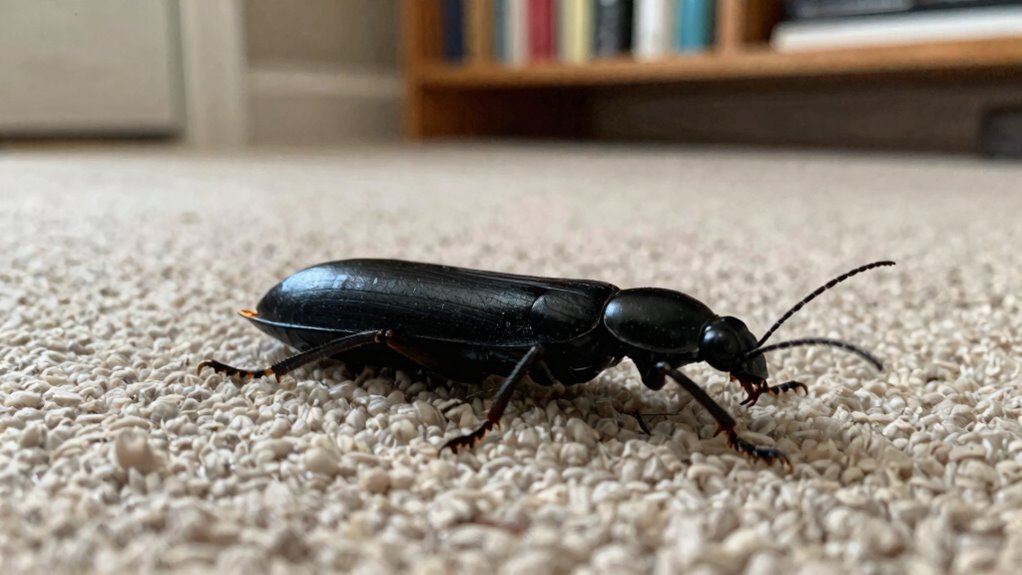
Within the realm of creepy crawlies, it can be tricky to tell apart millipedes, beetles, and other similar pests. They all seem to have features like six legs, shiny shells, or unusual shapes that make identification confusing.
Millipedes are not insects. Instead, they are more closely related to lobsters, with multiple body segments and pairs of legs. This makes them quite different from your typical bug, which usually has fewer legs and a more rigid body structure.
Beetles are true insects and can be identified by their six legs and their shiny, often black or brown, shell-like wing covers called elytra. Examples of common beetles include ground beetles and black carpet beetles, which are often encountered indoors.
Black carpenter ants are a different pest altogether. They are larger, have dull black bodies, and elbowed antennae. If you’re managing pest problems, recognizing these physical traits can help you determine whether you’re dealing with beetles or ants.
In general, if you see a shiny black insect, it is probably a beetle. Conversely, softer, more segmented bugs with many legs are likely millipedes. Proper pest identification is the first step to effective control and pest management. Recognizing the specific pest you’re dealing with can also guide you toward the most effective pest control strategies, whether they involve DIY solutions or professional extermination.
When Should You Take Action Against These Pests?
Knowing when to act on those long, skinny black bugs or similar pests is crucial to preventing bigger problems later on.
If you notice them in large quantities, such as dozens of millipedes crawling through your house, they can quickly become a nuisance but typically do not cause structural damage.
Prompt pest control treatment is advisable when insects in your home are active or if you spot them near cracks around windows, doors, or the foundation.
Act quickly if insects are active or near cracks around windows, doors, or the foundation to prevent bigger problems.
For instance, silverfish and firebrats feeding on starch-based materials indicate the need for immediate pest management, especially when you see holes in wallpaper, books, or fabrics.
Black carpenter ants measuring over half an inch should also trigger professional pest control intervention because they can weaken wood and lead to costly repairs.
Monitoring for these pests and taking swift action can help prevent infestations from escalating and save you money on repairs.
The key is to act quickly at the first signs of trouble to keep your home pest-free and avoid larger infestations. Early detection and intervention are essential steps in effective pest control.
What Are Safe Ways to Get Rid of Long, Skinny Black Bugs?
When dealing with long, skinny black bugs in the house such as millipedes or ground beetles, it is important to remove them safely and effectively. Vacuuming or sweeping them carefully and sealing the bag tightly prevents any escape and reduces the risk of spreading pests.
Avoid direct contact with insects like black ants, carpet beetles, or bed bugs, which can sometimes look similar. Pest-proofing your home by caulking around cracks in windows, doors, and the foundation helps keep these bugs out and is a cost-effective pest control measure.
Removing leaf litter, mulch, and firewood piles at least 20 feet away from the house decreases attractants that draw pests indoors. Setting damp rolled newspapers or cardboard traps overnight is an eco-friendly way to catch earwigs and other crawling insects without resorting to harmful pesticides. Incorporating natural pest control sprays that are safe for indoor use can provide additional repellent effects, especially against crawling pests.
Staying proactive with pest control involves keeping your home dry and sealing gaps or entry points. Proper pest prevention strategies reduce the likelihood of long, skinny black bugs becoming a recurring problem and improve your overall pest management efforts, especially when using natural repellents that deter pests without harsh chemicals.
Should You Call a Pest Control Professional?
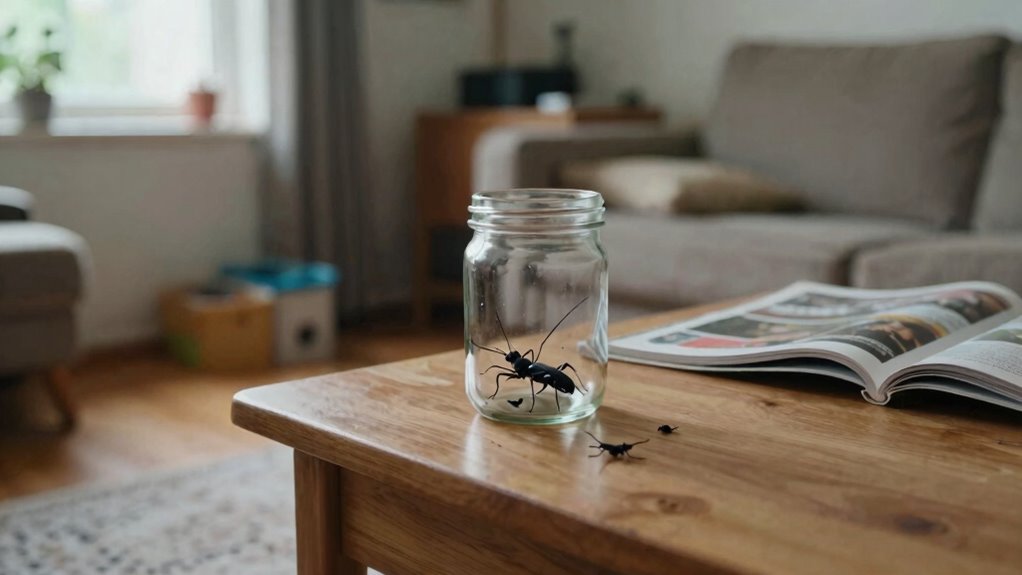
When bugs keep showing up in spite of your best efforts, calling a pest professional can be the smart move. For some pests, DIY tactics like sealing cracks or vacuuming do the trick, but others—like bed bugs or hornets—might need a pro’s touch. The choice of treatment approach—whether using effective whole-home pest control kits or specialized solutions—can make a big difference in eliminating stubborn pests.
Many pest issues also involve pest management strategies that are best handled with expert guidance to ensure complete and safe eradication.
The bottom line? If the problem gets worse or stubborn, it’s time to bring in the experts; otherwise, you might just end up bickering with bugs longer than you’d like.
When to Seek Expert Help
Whenever pests like long, thin black bugs scuttle across your floor or hide in dark corners, it is a good idea to consider calling in a professional pest control expert.
These specialists know how to effectively handle these types of pest intrusions, especially when they threaten your home’s interior spaces.
Pests that are near food sources or dead insects tend to attract other pests and can quickly become a bigger problem. Using targeted treatments can help ensure the infestation is handled efficiently and thoroughly.
For issues such as bed bugs, silverfish, or hornets especially in wall voids or high-traffic areas, professional pest control services are essential.
They can identify hidden nests or debris that might be overlooked during a DIY pest control attempt.
Professional pest control companies use specialized treatments that provide better results than do-it-yourself methods.
Pest control prices typically range from around $100 to $300 per treatment, depending on the specific pest problem and the extent of the infestation.
In summary, if you feel overwhelmed or unsure about managing your pest problem, calling a pest control service can save you time, reduce frustration, and prevent further damage to your home.
Hiring a professional pest control team ensures that your pest problem is addressed properly and efficiently, especially when utilizing moisture detection tools to identify hidden dampness that attracts pests.
Signs It’s Time for Treatment
Recognizing when insects like long, skinny black bugs such as millipedes or rove beetles are repeatedly entering your home is important for pest management. When these pests show up in multiple rooms or near foundation cracks, it’s a clear sign that professional pest control services are needed to address the issue effectively. Persistent sightings even after vacuuming and reducing indoor humidity indicate you may have a hidden breeding source that requires targeted pest treatment. If insects are attracted to food sources inside your home, especially in damp areas like basements or bathrooms, moisture issues could be drawing them in and supporting an infestation. While sticky traps can catch some bugs, they are usually not enough to resolve an ongoing pest invasion. For severe or recurring pest problems, calling a licensed pest control expert ensures proper treatment and long-term pest prevention. The signs to watch for include a large number of bugs, which often signal the need for professional extermination. An odor emitted by the insects might also suggest a heavy infestation that could be causing allergens and other health concerns. Finding pests near dampness points to humidity problems that require assessment and moisture control solutions. Seeing bugs inside multiple rooms often indicates that there are gaps or cracks in your home’s foundation or structure that go beyond simple DIY sealing. If insect sightings persist for more than two weeks despite efforts to remove them, it is likely that a hidden breeding site exists. In such cases, scheduling a professional pest inspection and treatment is recommended to eliminate the infestation effectively. Adding environmental factors such as moisture control can play a crucial role in preventing these pests from returning.
How Can You Prevent These Pests From Entering Your Home?
Long, skinny black bugs such as millipedes and house centipedes may seem harmless, but they can quickly become an infestation if not managed properly.
These pests often crawl around the home and slip inside through tiny cracks around window and door frames.
The best pest control strategy involves sealing these gaps with caulk or weather stripping.
Think of it as giving your house a set of invisibility clothes that keeps pests out.
Treat your home to invisibility clothes that keep pests seamlessly out of sight.
Repair or replace damaged window screens and install tight-fitting weather stripping on ground-level doors, which can be an effective entry point barrier.
These cost around ten to twenty dollars and make entry almost impossible for creeping insects.
Keep firewood, mulch, and leaf litter several feet away from your house.
Reducing dampness and hiding spots around your home can significantly lower pest lure and hiding places.
Using barriers, sealing cracks, and keeping the perimeter dry are simple, budget-friendly methods that enhance pest prevention.
By applying copper tape around potential entry points, you can create an effective, eco-friendly pest control barrier that deters unwanted insects from slipping inside.
These proactive steps can prevent common pests from entering your home, creating a more pest-free living environment.
Regularly inspecting and maintaining your home’s exterior is also a key part of pest control, helping you keep unwanted critters outside where they belong.
FAQs: Answers to Common Questions About These Household Pests
People often ask what these long, black bugs actually are and how they get inside, which makes sense—they’re not exactly the houseguests anyone hopes for. From shiny ground beetles to wormlike millipedes, each type has its quirks, and figuring out their causes can save a lot of hassle. Knowing the best ways to spot, control, or even stop them in their tracks is key—because no one loves a surprise pest party in their home. Additionally, sealing entry points with effective door and window seals can help prevent their return.
Common Types of Long Bugs
Many of the long unintended house guests you might encounter are actually insects or arthropods—tiny, leggy creatures that tend to sneak into damp, dark corners of your home.
Common types of long bugs include black bugs, which can vary in color from dark gray to black and often measure about 1 to 1.5 inches long.
They have thin legs and dark stripes on their bodies, making them quite noticeable as pests. These insects are often found in basements or bathrooms where moisture and humidity are high.
If you’re dealing with these pests, knowing their habits can help you control and eliminate them effectively.
Black bugs are known for their quick, sometimes jerky movements, which can make pest control more challenging. They tend to be nocturnal and hide during daylight hours, which means spotting them can require careful inspection.
Many long bugs can release a pungent smell as a defense mechanism, adding to the difficulty of pest removal. Once these pests establish a presence, they can be quite difficult to eliminate without professional pest control treatments.
To improve your chances of successful control, it’s important to use the right pest control products tailored for long bugs and their specific behaviors. Using powders like diatomaceous earth or boric acid in cracks and crevices can be particularly effective since these pests tend to hide in such areas.
Identification and Causes
Identifying which black bug is disrupting your indoor gathering can be tricky, but a little detective work makes pest control easier. Black carpenter ants are over half an inch long and have elbowed antennae, making them distinguishable from other pests. These ants often leave visible trails of pheromones to guide others to food sources, which can help in locating their nesting sites.
Ground beetles are shiny, black, and can be up to an inch in size. House flies that are black are usually smaller and less likely to be the culprits here. These insects tend to get indoors because they are seeking dampness, shelter, or food.
Ants often invade homes to feed on crumbs and sweets, while ground beetles may wander inside from the outdoors. Millipedes arrive from damp basements or moisture-rich areas. Some pests, like black vine weevils, are brought in through potted plants and resemble matte black, oval-shaped bugs.
Using size, body shape, and color to identify these pests helps determine the appropriate pest control method. Once you identify the culprit, effective pest control solutions can be applied to keep your home bug-free. Knowing the targeted sprays and dusts that can address specific pests can increase your chances of successfully eliminating these bugs. Remember that boric acid can be a natural and effective solution for pest control when used correctly, especially for cracks and crevices.
Effective Control Methods
Effective control methods are essential for keeping household pests at bay and understanding the best strategies can save you time, money, and frustration. Using targeted pest prevention techniques can make a big difference in maintaining a pest-free home.
If you notice long, skinny black bugs inside your house, be sure to focus on their hiding spots. Check dark corners, hidden closets, or behind appliances where they are likely to hide. Vacuuming infested areas and immediately throwing out the vacuum bag helps stop the spread of pests like carpet beetle larvae.
Sealing cracks around windows and doors prevents pests from slipping inside during weather changes and is a simple pest control measure to implement. Storing food items such as grain, rice, and cereal in airtight containers denies pests like weevils or grain beetles a food source. Utilizing airtight storage containers with silicone gaskets and secure lids greatly reduces the likelihood of infestations.
Keeping food sealed reduces the chances of infestations spreading and makes your kitchen less attractive to pests.
In areas with high humidity, using a dehumidifier to lower humidity levels below 50 percent discourages damp-loving pests that thrive in moist environments. Regularly checking and emptying garbage cans reduces available food sources for pests and helps maintain a clean, pest-resistant home.
Implementing these common pest control practices can greatly improve your efforts to manage household pests effectively.
Frequently Asked Questions
Am I Dirty if I Have Carpet Beetles?
Having carpet beetles doesn’t mean you’re dirty. These pests are more attracted to natural fibers like wool, silk, and furs, which are often found in well-maintained homes.
Getting an infestation is usually linked to home maintenance, not cleanliness. Regular vacuuming, storing delicate fabrics properly, and sealing cracks and gaps can prevent them from taking over your space.
If you notice signs of carpet beetles, consider using targeted pest control products like insecticides designed for fabric pests or calling a professional pest control service. These options are effective at eliminating the infestation and protecting your home.
What Are the Skinny Long House Bugs?
These bugs are often mistaken for silverfish or black carpet beetle larvae. They are characterized by their long black antennae and slim bodies, making identification essential for effective pest control.
Silverfish are quick-moving pests that have a shiny, silver appearance, and they can sometimes resemble black widow spiders because of their shape. Carpet beetle larvae look like tiny biscuit beetles; they are reddish-brown with bristly bodies and tend to move in irregular patterns.
Sometimes, these bugs can also resemble drain flies or larder beetle larvae, which can make identifying the pest a bit tricky. Accurate identification is key to choosing the right insecticide or pest control treatment.
If you’re dealing with infestations, consider using targeted pest control products designed for these specific pests. Knowing what you’re dealing with helps you select the most effective solutions and prevents unnecessary chemical use.
In any case, quick action with appropriate pest control solutions can protect your home from further damage caused by these household pests. Whether you’re using natural remedies or professional pest control products, understanding their appearance is the first step toward effective pest management.
How to Get Rid of Tiny Long Black Bugs?
To eliminate tiny long black bugs from your home, start with regular vacuuming, especially on carpets, cracks, and crevices. This helps remove eggs and larvae before they have a chance to hatch and infest your space.
Using natural pest control remedies like peppermint or tea tree oil sprays can effectively repel these pests without harsh chemicals. Be sure to seal cracks and gaps in walls, floors, and around windows to prevent bugs from entering your home.
Steam cleaning upholstery and fabric surfaces can kill bugs hiding within furniture easily. For persistent infestations, professional pest control services offer targeted solutions that can cost between $150 and $300 but provide long-term relief.
Combining thorough cleaning, crack sealing, natural repellents, and professional pest control creates an effective plan to get rid of tiny long black bugs. Choosing the right pest control products and service options ensures you make a smart investment in pest management.
Should I Worry About Carpet Beetles?
Yes, you should keep an eye out for carpet beetles, especially if you notice signs of larval damage or pet hair infestations.
You might also see adult beetle wings fluttering around your home. These pests are known for damaging delicate fabrics like wool and fur, so quick action can protect your belongings.
Carpet beetles can trigger allergies and are a common reason to seek professional pest control solutions.
They can also pose a threat to indoor plants and may indicate hidden infestations inside wall voids.
Checking your home regularly is a smart move to catch these bugs early.
Investing in effective pest control products, such as insect traps or insecticide sprays, can make a big difference.


