
Dealing with long, skinny black bugs in your house can be tricky, but knowing what they are is the first step to control. In 2023, many homeowners find these pests—like earwigs, rove beetles, or drain fly larvae—show up in damp areas like bathrooms and basements.
While they can be annoying, they’re usually harmless. Earwigs may pinch, but they rarely break skin, and rove beetles don’t bite. Drain fly larvae live in sink sludge, so regular drain cleaning helps.
Lowering humidity, sealing cracks, and keeping your home dry can prevent them from returning. This article includes the best pest control supplies, helpful tips, and what’s worth buying to keep your home bug-free. Keep reading for step-by-step solutions to restore peace to your space.
At A Glance
- Long skinny black bugs indoors are often silverfish or firebrats.
- Silverfish eat paper and glue; firebrats prefer warm spots near pipes.
- Bedbugs appear as tiny apple seeds, not long and skinny insects.
- Earwigs have pincers; rove beetles lack pincers and curl their abdomen.
- Reduce humidity, seal cracks, and remove clutter to control these pests.
What Are Those Long Skinny Black Bugs in the House?
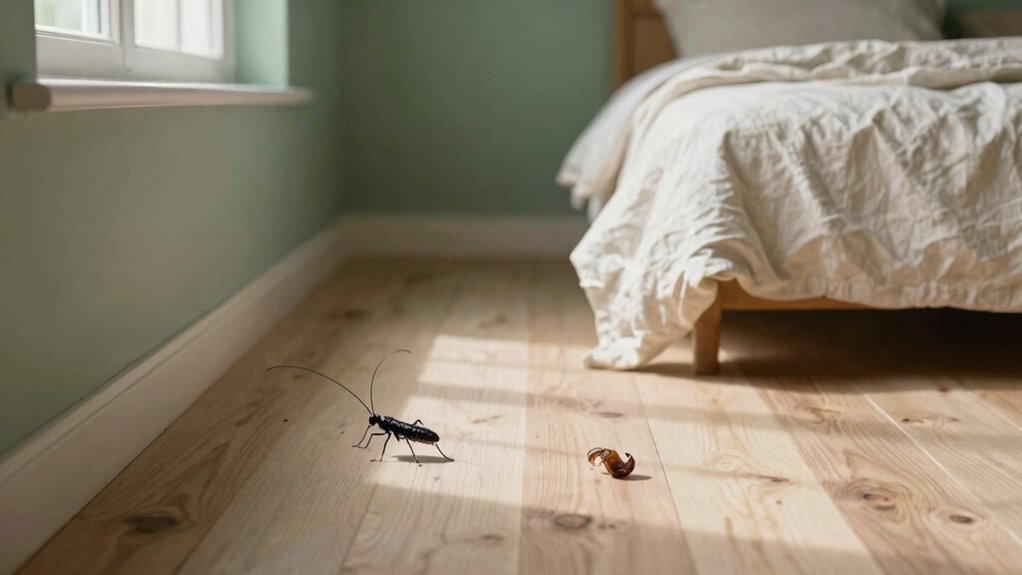
Before anyone considers calling emergency pest control services at 2 a.m., it’s helpful to know what those long, skinny black bugs in your house really are.
Most likely, you’re dealing with a rotating cast of insects rather than a single pest species.
The most common guesses are silverfish or firebrats, both of which are slender, scale-covered insects that tend to hide in homes.
Silverfish are known for feeding on paper, glue, and dry goods, so check your pantry for signs of infestation.
Firebrats prefer warmer environments, such as areas near boilers or hot water pipes, making those spots prime hiding places.
Black carpet beetles are small, oval pests that sneak in from outside and feed on natural fibers like wool, silk, and feathers.
Drain fly larvae are tiny, worm-like segments that live in plumbing gunk and are often found near sinks or drains.
These pests are quick to hide in darkness and are generally harmless, but their presence can indicate underlying issues.
They usually signal dampness or organic buildup that needs attention.
To manage these pests effectively, identify the specific culprit and address any moisture or organic matter issues in your home.
For targeted control, consider using sticky traps and monitoring to detect infestations before fabric damage occurs.
Sealing crevices and cracks can help prevent reinfestation and make your home less welcoming to these insects.
Don’t panic if you find these bugs; a proactive approach to pest control can keep your home pest-free and comfortable.
Earwig or Rove Beetle? How to Spot the Difference
The key feature to look for is the forceps. Earwigs have those curved pincers at the back that look like tiny barbecue tongs.
Rove beetles, on the other hand, do not have any pincer-like structures at all. Check the back of the insect, too. Rove beetles have small wing pads called elytra that leave half of their abdomen exposed and they often curl their abdomen upward when disturbed, much like a scorpion.
Earwigs have leathery forewings that cover most of their belly. Their legs extend from underneath, while a rove beetle’s legs stick out sideways.
Both types of insects typically inhabit damp environments like under logs or in compost heaps. Most rove beetles are capable flyers, but earwigs rarely fly.
From a pest control perspective, if the insect has forceps, it is definitely an earwig. If not, it is most likely a rove beetle and usually a beneficial predator helping to control other pests.
Knowing how to distinguish these two pests helps in choosing the right pest management strategy and prevents unnecessary insect control methods. For effective control, granules containing spinosad can lure earwigs out of hiding and kill them while remaining safe for organic gardens.
Drain Fly Larvae: Tiny Black Worms in the Sink
Sink drains are prime breeding grounds for drain fly larvae, which feast on the slimy organic film lining the pipes.
They show up as tiny black worms, wriggling in the wet gunk or resting near the drain’s edge, a clear giveaway that a larval party is underway.
Quick removal means scrubbing the drain with a stiff brush and flushing it with an enzymatic cleaner to dissolve the sludge, which is the only way to break the cycle for good.
Sink Drain Breeding
Two things are true about those tiny, wriggling black worms often found in a home’s sink: they are not actually worms, and they are unlikely to disappear on their own.
These creatures are drain fly larvae that thrive in stagnant sludge inside your plumbing.
This sludge is a mix of soap scum, bacteria, and organic debris, which makes an ideal breeding habitat.
Regular cleaning with enzyme drain cleaners can help break down this buildup and prevent pests like drain fly larvae from breeding. Monthly use of these formulas gradually digests all organic matter to keep drains clear.
Use a stiff brush to scrub the pipe walls thoroughly after applying the enzyme formula.
To keep pests at bay, run warm water and enzymes through your drains weekly, especially in problem areas.
If the worms keep coming back despite these efforts, consider calling a professional pest control or plumbing service.
Persistent infestations might indicate sewer backups or hidden leaks that require investigation and repair.
A professional inspection usually costs around 150 dollars, but it is often more cost-effective than dealing with ongoing pest problems and potential plumbing damage.
Visible Worm Signs
Visible worm signs are an important indicator of plumbing issues that often require pest control solutions. A writhing mass of tiny black worms clinging to the inner wall of a drainpipe is a clear red flag—these are actually the larvae of drain flies.
Their presence signals a thriving colony of decaying sludge inside the plumbing system. These larvae are legless, wormlike, and about 3/8 inch long, typically attaching themselves to slime inside sink traps and overflow holes.
Drain fly larvae feed on bacteria, algae, and the accumulated organic debris found in drains. They even trap air to stay submerged for a full day, which helps them survive in wet environments.
Seasonal changes impact their development; colder months slow their growth and extend the visible worm stage for several weeks.
Because they are larger than adult flies, these larvae are easy to spot, especially when they congregate in dark-ended masses.
The appearance of these dark clusters is a strong sign of unsanitary plumbing, making pest control measures necessary to prevent an infestation.
If you notice these signs, it’s wise to call professional pest control services to eliminate drain fly larvae and address underlying hygiene issues. For a do-it-yourself approach, applying a thick enzyme-based gel that clings to drain walls can target the organic sludge where these larvae breed. Regular drain cleaning and maintenance can prevent future colony buildup and keep your plumbing free of organic breeding grounds.
Quick Removal Tips
Despite the small black specks in the sink looking like a low-budget sci-fi prop, they are actually drain fly larvae.
Quick removal revolves around three simple steps: scrub, flush, and treat.
Start by scrubbing the pipe walls with a stiff brush to break up the biofilm where female drain flies can lay up to 200 eggs.
Next, flush the pipes daily with boiling water to remove larvae and disrupt their breeding environment.
For an effective natural drain fly treatment, mix baking soda, salt, and vinegar.
Pour the mixture down the drain, let it sit overnight, then flush with hot water in the morning.
Set up vinegar traps as an additional pest control method.
Use a bowl of apple cider vinegar covered with plastic wrap that has small holes to trap and drown adult drain flies.
For a more discreet and ready-made option, food-based liquid bait traps can also attract and eliminate these pests without requiring any mixing.
Avoid using bleach as a drain cleaner because it can slide off scum and damage your pipes, making the problem worse.
Repeat these steps for at least three weeks to break the 35-day life cycle of drain flies and achieve a larva-free sink.
In summary, regular scrubbing, flushing with hot water, using baking soda and vinegar traps form a simple yet effective drain fly control routine.
Following these pest control tips will help you maintain a clean, fly-free sink and prevent future infestations.
Why Bathrooms and Basements Attract Skinny Black Bugs?
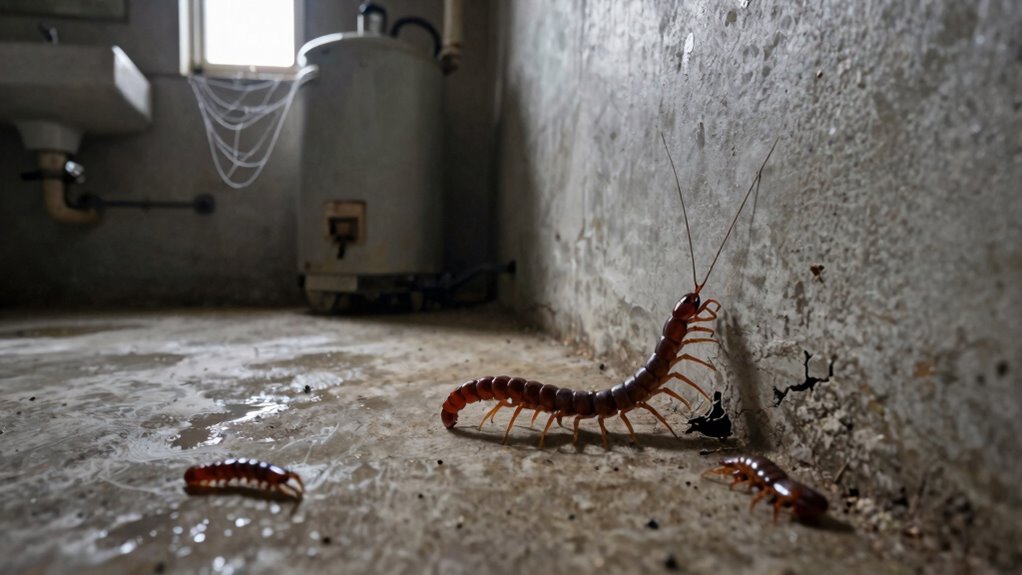
Why do bathrooms and basements tend to become hotspots for skinny black bugs? It’s mainly because these areas offer the perfect combination of warmth, access to food, and little disturbance.
Daily clutter such as stacked boxes and old furniture provides endless hiding spots, making it difficult to eliminate these pests. These bugs are most active at night, hiding during the day behind toilets or beneath vanities. Bathrooms retain heat from showers, while basements provide a consistent, stable temperature that attracts these pests. By using a dehumidifier to maintain humidity levels between 50-60%, you can create an environment unsuitable for these pests. Their primary food sources include starches found in paper, book glue, hair, and lint, which are common in these spaces. Infrequent cleaning can allow populations to grow quietly over time, making it essential to maintain regular pest control routines. Tiny gaps around pipes and baseboards serve as entry points, making it easier for these bugs to invade your home.
Clutter offers endless hiding spots, while bathrooms and basements provide warmth and stable temperatures for these pests.
Basements and bathrooms offer stable microclimates, staying cool in the summer and warm in the winter. Effective pest control solutions, such as sealing entry points and removing clutter, are crucial for keeping these skinny black bugs out. Regular inspections and early intervention can prevent an infestation and keep your home pest-free.
How Moisture and Cracks Lure Long Black Bugs Indoors?
What makes a clean, well-maintained home turn into a bug infested area?
The main culprits are moisture sources and cracks that pests can sneak through.
Leaky pipes, damp basements, and soggy mulch around your foundation create humid environments that attract long black bugs like sowbugs and pillbugs.
When indoor humidity levels rise above 60 percent, these pests are more likely to invade your living space in search of water and shelter.
Cracks around windows, foundation walls, or utility pipes serve as easy entry points for pests such as millipedes and centipedes.
Hollow walls and gaps under cabinets also provide cozy hideouts where fungi and organic debris act as food sources.
Even condensation from daily family activities adds to the moisture problem, with households generating about 25 pounds of water daily.
Mulch pressed up against the foundation or clogged gutters filled with rainwater can create extra breeding grounds for pests.
The best way to prevent long black bugs from taking over your home is to seal all gaps, repair leaks promptly, and control indoor humidity levels.
Keep humidity between 30 and 50 percent to make your home less inviting for pest infestations.
A dry, sealed house not only helps manage moisture but also reduces the risk of pest problems, making your home safer and easier to maintain.
Regular pest control treatments and sealing cracks are key strategies to keep pests like sowbugs, centipedes, and other long black bugs out of your living space.
A dehumidifier with precise electronic controls can maintain humidity between 40 and 50 percent to prevent these pests from reproducing.
Do These Long Black Bugs Bite, Pinch, or Sting?
The short answer is no, most of these long skinny black bugs aren’t out to bite you, but a couple can still make you flinch. Earwigs use those rear pincers for defense, and although a pinch rarely breaks skin, it can feel like a firm little tweak, and rove beetles don’t bite either but release an irritating chemical that can leave your skin red or blistered, so treat those with soapy water. Spinosad-based sprays are safe for pets and children and deliver fast results against earwig invasions.
But bites are simply not a typical threat—your main worry is fabric damage or the occasional allergic reaction from carpet beetle larvae—so except you’re wrestling an earwig bare-handed, you’re safe, and if a pinch does happen, a dab of antiseptic lotion does the trick.
Earwig Pincer Risk
Before panicking about those long, skinny black bugs with pincers, it’s good to know they are earwigs and pose no real danger to people.
Earwigs have pincers called cerci, but these are used for defense and are not stingers.
The risk of being harmed by an earwig is very low if you encounter them outdoors or inside your home.
They will only pinch if you handle or provoke them, and most pinches are just quick squeezes that do not break the skin.
Larger species like the European earwig might cause minor skin breaks.
However, this minor injury does not involve venom or toxins, only a small chance of bacterial infection from soil bacteria.
If you happen to get pinched, simply wash the area with soap and water.
Applying an antibacterial ointment can help prevent any infection, and there’s usually no need to see a doctor.
Compared to common paper cuts, a pinch from an earwig is much less concerning.
Overall, these bugs are harmless and more of a little pest control nuisance than a threat.
If you notice earwigs in your home or garden, consider pest control options like sealing entry points and reducing moisture to prevent infestations, such as positioning low-profile adhesive traps near damp areas and shaded spots to effectively target them.
But rest assured, these slender black bugs are generally harmless and unlikely to cause any serious issues.
Rove Beetle Irritation
If you notice long, slender black bugs in your home, the rove beetle is often mistaken for an intimidating pest.
However, this creature is completely harmless and not a threat to your family or pets.
Many people worry about bites or stings, but the rove beetle cannot bite, pinch, or sting at any point.
It raises its tail like a scorpion, but that’s only for show and does not pose any danger.
There is no venom or stinger present in these beetles, making them safe around children and pets.
They also lack any pincers, forceps, or grasping parts, so they cannot pinch or hold onto anything.
When considering pest control options for black bugs, it’s important to know that the rove beetle’s contact risk is zero.
They do not pose a threat to your health and are just a part of the natural environment inside your home.
If you’re dealing with unwanted bugs and need a reliable pest management solution, understanding these facts can help you choose the right approach.
Professional pest control services can effectively eliminate the real pests, while these harmless beetles usually do not require treatment.
For those who still want a precautionary measure, plant-based sprays offer a safe, family-friendly option for indoor areas.
Bites Not Typical
Those long, skinny black bugs skittering along the baseboard might look like tiny monsters with a grudge, but the truth is their bite record is practically nonexistent.
Earwigs pinch with forceps, but they never break skin. It’s more like a weak clothing snap than a needle prick.
Silverfish have mouthparts that are too soft to pierce human skin, making them harmless and not worth worrying about during pest control inspections.
Millipedes do not bite at all; instead, they release a mild toxin that can irritate your skin if disturbed, but they are not aggressive pests.
Click beetles and webspinners lack any biting appendages, so they pose no threat to your safety or property.
To prevent bites, the best approach is to avoid grabbing these insects. Using a broom or swift removal methods helps keep your home pest-free.
Their segmented bodies and multiple rings might make them look intimidating, but they are totally harmless when it comes to bites and stings.
So, there’s no need for panic. These pests are just dust and debris, easily managed with basic cleaning and pest control techniques.
Instead, applying plant-based repellents with aromatic oils can create a potent scent barrier that naturally overwhelms their sensory receptors and discourages them from lingering.
Do Earwigs Really Crawl Into Ears? The Truth

The short and honest answer is no. Earwigs do not crawl into ears to eat brains, despite old European folklore myths.
No, earwigs don’t crawl into ears to eat brains—that’s just old European folklore.
These bugs prefer damp mulch and plant matter over the human ear canal. They are scavengers that mainly eat plants and organic debris, not gray matter or brain tissue.
Medical evidence supports this fact. In 2021, a case report by the National Institutes of Health described a 24-year-old man who had an earwig lodged in his ear.
He experienced ringing and ear pain, but the removal was straightforward. His hearing remained normal afterward.
While an earwig can accidently crawl into an ear, it is not intentional behavior.
There is no record of earwigs ever eating brains or causing serious health issues.
Their pincers are used mainly for defense, not biting or drilling into flesh or tissue.
The risk of disease transmission from earwigs to humans is zero.
If you want to prevent pests like earwigs from entering your home, keep the area dry, clean, and sealed.
Good pest control practices can reduce the chance of encounters and keep your home safe.
In conclusion, earwigs are harmless, even if they look a little ugly.
You can sleep peacefully knowing they do not pose a threat to your health or brain.
Effective natural repellents like diatomaceous earth physically damage earwig exoskeletons when applied in cracks and crevices.
Where Do Skinny Black Bugs Hide During the Day?
These slender black insects avoid light, spending daylight hours in the dampest, darkest spots they can locate.
Preferred hiding spots include damp bathroom corners, cracks and crevices along walls, and the cluttered area under sinks, where humidity lingers and disturbances rarely happen.
A quick inspection of those zones often reveals them, though finding them is only half the battle; they scatter fast, and they are not paying rent. To intercept them, position traps perpendicular to walls in these high-traffic areas.
Damp Bathroom Corners
Most damp corners in a bathroom become common hiding spots for tiny black bugs, and that’s no coincidence.
Moisture tends to collect there like a welcome mat for pests such as drain flies and fungus gnats.
Baseboards wick water after mopping, and grout tends to trap dampness for days, creating an ideal environment for mold and microfungi.
These fungi, including mold spores and fungi, support pest infestations like booklice or silverfish that thrive on damp areas.
Here’s why these corners are so attractive to pests and fungi alike.
Caulk lines and vanity seams often remain wet even after surfaces appear dry.
Splash zones near tubs or showers stay humid, providing constant moisture for pests and mold growth.
Damp grout mixed with soap film helps fungal spores grow and attracts pests looking for shelter.
Hidden zones behind baseboards remain wet when the surface looks dry, making pest control more challenging.
Preventing mold and pest infestations starts with wiping corners dry regularly.
Inspect caulking for cracks or gaps, and reseal as needed to block entry points for pests.
Proper ventilation or using a dehumidifier can reduce excess moisture in bathroom corners.
Remember, keeping these areas dry is a key step in pest management and mold prevention.
A small investment in sealant or caulk can go a long way.
Investing in pest control products such as boric acid or natural repellents also helps keep bugs away and maintains a healthy, mold-free bathroom environment.
Applying boric acid-based passive packs in these damp, hidden spots provides long-lasting, low-maintenance protection.
Cracks And Crevices
Cracks and crevices are the top hiding spots for bed bugs during the daytime. These narrow spaces are perfect for bed bugs to stay hidden from sight.
Bed bug infestations often hide in the tiny cracks found in screw holes, recesses, and wood joints of bed frames.
If you notice bed bugs, carefully inspect behind headboards attached to walls and check furniture joints on nightstands and dressers.
They tend to gather under recessed screws, where their flattened bodies can easily slip into gaps no wider than a toothpick.
Baseboards near carpet edges are a common parasite hideout and may contain dried bed bug excrement spots.
Wall voids behind outlet plates also serve as pathways for bed bugs to crawl from room to room.
Carpet edges can trap shed skins and eggs, making regular inspection essential for pest control.
If you spot signs of bed bugs, avoid just vacuuming.
Instead, pry open cracks and crevices, thoroughly inspect every joint, and seal the gaps to eliminate hiding spots.
Sealing these cracks and crevices helps prevent further infestation and aids in effective pest management.
To block these access points, use a steel wool and mesh combination as a durable, dual-layer barrier rodents cannot chew through.
Under Sinks
Under sinks, there are two common hiding spots for drain flies. These include the inside of the drain pipe coated with sludge and the shadowy cabinet space around it.
Drain fly larvae, which are small black worms, cling to the gelatinous gunk inside P-traps. They feed on soap scum and hair, making drain cleaning an essential pest control step.
Adult drain flies rest on the undersides of pipes and cabinet walls, often leaving behind powdery smudges when squashed.
To prevent drain fly infestations, ensure the P-trap is filled with water to maintain the seal. Running water weekly inside the drain can stop sewer flies from entering your home.
Leaky pipes create damp conditions that serve as ideal breeding zones for drain flies and other pests. Regularly check plumbing connections for leaks and repair any found.
Damp cardboard boxes stored near sinks can also become secondary breeding sites for drain flies. Using traps, like a tape test over the drain overnight, can help confirm their presence.
Moisture control is your best defense against drain fly infestations, but DIY detection methods can pinpoint their exact hiding spots. Fixing leaks, thoroughly cleaning drains, and keeping areas dry are key pest management practices.
For persistent infestations, applying an odor-neutralizing deodorizer near the drain can help reduce the organic smells that attract flies.
Long Black Bug in the Bedroom? Here’s What to Do
When you notice a long, skinny black bug in your bedroom, it is often a bedbug rather than a random insect. Identifying it quickly is key to preventing an infestation.
Adult bedbugs look like tiny apple seeds, about 3/16 inch long, and have a reddish-brown color.
Many people do not react to bedbug bites, so it’s important to check your mattress for signs such as dark specks, shed skins, or bloodstains.
Next, clear the clutter around your bed and bedroom to make inspection and treatment easier.
Pull the mattress away from the wall and vacuum all seams, baseboards, and nearby furniture daily.
Be sure to seal the vacuum bag tightly and dispose of it outside your home to prevent spreading the pests.
Heat-drying your bedding, sheets, and blankets for at least 30 minutes can help eliminate bedbugs and their eggs.
Encasing your mattress and box spring with specially designed bedbug-proof covers is a helpful step.
Make sure to zip up the encasements and tape the zippers closed to seal hidden hiding spots.
These measures also make it easier to monitor for any remaining pests and catch early signs of continued activity.
If you continue to see bedbugs after trying these methods, it is wise to contact a professional pest control service.
DIY options like foggers or bug sprays often do not effectively eliminate a bedbug infestation and can make the problem worse.
For effective treatment, consider products with up to 16 weeks of extended residual protection to kill all life stages, including eggs and resistant strains.
Set Simple Traps That Catch Long Black Bugs by Morning
A simple pest control trap is one of the fastest ways for homeowners to catch long, skinny black bugs by morning. Sticky cards or DIY glue boards made from duct tape on cardboard are effective tools for bug elimination. Bait the center with peanut butter since roaches and similar pests are naturally attracted to the scent.
Set out sticky glue boards with a smear of peanut butter, and they’ll trap overnight bugs fast.
Strategically placing sticky traps in floor corners and beneath cabinets can help catch bugs overnight. These areas are common hiding spots for pests and increase the chances of a successful trap. Using duct tape on 4×6 cardboard, with the sticky side facing up and baited with peanut butter, is a straightforward method.
Glass jars wrapped with tape on the outside make excellent traps for silverfish, and the smooth walls prevent escape. Shallow containers filled with soapy water are useful for catching earwigs near damp or humid spots in the home. Diatomaceous earth barriers can dehydrate pests as they cross, providing a natural pest control solution overnight. These glue boards use non-drying glue that maintains stickiness over time for long-lasting effectiveness.
Checking traps early in the morning helps identify whether pests have been caught. Look for shed skins, droppings, or the bugs themselves to confirm activity. Remember, use traps first to monitor the pest situation, then decide on further treatment options.
The jar trap method is a classic approach. It works much like “stealing candy from a baby,” but in this case, the baby is a pest. This simple pest control tactic is an easy starting point for homeowners dealing with long black bugs.
Get Rid of Long Skinny Black Bugs Without Toxic Sprays
Skipping the chemical aisle is the first step toward a pest-free home, and the reliable vacuum cleaner is an often overlooked tool in pest control.
This non-toxic method physically removes earwigs, silverfish, and click beetles from baseboards, cracks, and under sinks. Empty the vacuum bag far from home each day to prevent pests from crawling back inside.
For long-term management, dust food-grade diatomaceous earth into cracks and along pantry shelves. This fine powder scratches insect exoskeletons, effectively controlling pest populations without harmful chemicals. It is safe around children and pets when kept dry.
Seal gaps with silicone caulk and install weatherstripping on door bottoms to block pest entry points. Moving firewood and mulch a few feet away from foundation helps eliminate damp habitats that many pests prefer.
Finally, use natural pest repellents like diluted peppermint or tea tree oil sprays. Apply these oils weekly along entry points to deter pests without relying on toxic pesticides.
Lower Humidity to Kick Out Most Skinny Black Bugs
Lowering indoor humidity to below 50 percent is the most effective and natural way to eliminate most skinny black bugs like booklice, silverfish, earwigs, and springtails. This method is non-toxic, affordable, and easier than calling pest control services.
Using a portable dehumidifier continuously in areas like basements, bathrooms, and crawl spaces can significantly reduce dampness where bugs thrive. Position the dehumidifier near sinks or laundry areas to target hidden sources of moisture and effectively control pest infestations.
Pair the dehumidifier with fans to improve air circulation which speeds up the dehydration process at all life stages of pests. Combining ventilation strategies such as running exhaust fans after showers and opening windows when weather permits helps maintain lower humidity levels naturally and prevents bugs from settling indoors.
Insulating cold-water pipes is another practical step as it prevents condensation drip that can attract these pests and create favorable conditions. A dehumidifier costing between fifty and one hundred fifty dollars, along with consistent patience, can make most black bugs leave before your next utility bill arrives. For persistent infestations in adjacent lawns or foundations, applying organic plant oil granules provides a safe, pet-friendly barrier that targets grubs and other soil-dwelling insects without harsh chemicals.
Block Long Black Bugs With Caulk and a Clean Yard
Caulk and a tidy yard are effective second lines of defense against long, skinny black bugs like earwigs and other pests.
They allow homeowners to feel like a pest control expert without needing a professional license.
Start by grabbing silicone or latex caulk to seal every crack around windows, doors, and fascia boards.
Grab silicone or latex caulk to seal cracks around windows, doors, and fascia boards.
Small gaps of about 1/16 inch are enough to invite pests into your home.
Remove old caulk and smooth the new bead with a damp finger to ensure a tight seal.
Installing door sweeps can also block gaps under doors where insects might crawl inside.
Maintaining a clean yard is equally important.
Clear away leaves, debris, and rotting wood that attract pests like earwigs and other insects.
Store firewood away from the house and fix leaking hoses that create damp conditions attractive to pests.
Sealing cracks with caulk and keeping the yard free of debris creates a hostile environment for black bugs and other unwanted pests.
Ultimately, sealing entry points and maintaining a tidy landscape reduces the chances of pests moving indoors.
Taking these simple steps now can save you trouble later when dealing with pests and bugs in your home.
For larger entry points, adding brush seal strips with dense nylon bristles can fill uneven gaps around sliding doors or weathered frames.
Call an Exterminator If Long Skinny Black Bugs Won’t Leave
There comes a point when a bucket of caulk and a tidy yard just do not cut it anymore.
If those long, skinny black bugs keep showing up every day, you likely have a bigger pest control problem than just a stubborn nuisance.
Cheap DIY pest sprays often fail because these insects hide inside walls or breed in multiple rooms, making them difficult to eliminate with store-bought solutions.
Persistent sightings after thorough cleaning and sealing are a clear sign you need professional pest control services.
You should also watch for visible breeding sites like egg clusters or webs indoors, which indicate a serious infestation.
Damage to paper, pantry goods, or houseplants can also suggest an active pest problem that needs targeted insect control.
You might experience allergic reactions from millipede secretions or damage caused by thrips, which further indicates a pest infestation that requires professional treatment.
DIY pest sprays degrade slowly inside your home and may leave toxic chemicals lingering where children and pets play.
Professional pest control companies use specialized chemicals and techniques applied by trained technicians to target specific species effectively.
Hiring an exterminator offers benefits such as using commercial-grade pesticides, providing follow-up visits, and treating hidden colonies that are hard to reach with DIY methods.
Yes, it might cost a couple of hundred dollars, but having peace of mind and sleeping peacefully without a bug parade is invaluable.
If vacuuming and household remedies are no longer controlling the pests, it’s time to call a licensed exterminator for safe and effective pest management.
Frequently Asked Questions
What Smell Repels Long Skinny Black Bugs?
Essential oils like peppermint or tea tree oil are effective for repelling long, skinny black bugs such as pantry pests or black called bugs. Vinegar spray can also work but is less potent. Both options are budget-friendly for pest management.
Oils cost about ten dollars a bottle, while vinegar is usually under two dollars. Spray these solutions along cracks, baseboards, and window sills to create a pest barrier. Reapply every few days to maintain effectiveness. The strong scent disrupts their sense of smell and antennas, driving them away naturally.
While these methods are not a guaranteed cure, they are excellent first steps in pest control. The smell makes “black bugs” avoid the treated areas altogether. For daily pest prevention, use vinegar, and for stubborn spots or problem areas, opt for peppermint or tea tree oil. Protect your home effectively with these affordable pest control solutions.
Do These Bugs Fly or Jump Across Floors?
Quick verdict: some pests use winged movement, while others rely on jumping.
Springtails and fleas are prime examples of insects that hop or spring across floors. Springtails use a tail-like structure called a furcula to launch themselves, while fleas jump with powerful hind legs.
Neither of these pests has wings, so they aren’t flying pests. Meanwhile, carpet beetles and fungus gnats tend to fly weakly rather than jump.
If you spot tiny bugs near damp floors that move by hopping, it’s likely springtails.
In contrast, tiny bugs near windows or plant pots that fly around could be beetles or gnats.
The best way to identify these pests is to watch their movement carefully. Matching their behavior with common pest types helps you pick the right pest control products.
Using this simple trick can save you money on ineffective bug sprays and help target the problem more accurately.
Whether you’re using insect sprays, traps, or natural remedies, understanding movement patterns ensures you choose the most effective pest control approach.
For persistent infestations, consider professional pest control services to eliminate the pests and prevent future issues.
How Long Can Silverfish Survive Without Food?
Silverfish can survive without food for up to a year, but only if water is available. This makes finding and fixing leaks a crucial step in pest control for silverfish. Their fasting metabolism slows dramatically, putting them in a low-power state that helps them endure long periods without nourishment.
Compared to cockroaches, silverfish are surprisingly resistant to starvation, lasting months longer in dry environments. However, in dry air, their survival drops to just a few months because moisture is essential for their survival. Keeping your home dry and well-ventilated is an effective approach to keep silverfish at bay.
If you spot these pests, use targeted silverfish insecticides or professional pest control services for a quick fix. Ensuring the environment is moisture-free and removing food sources like paper or starchy materials can prevent future infestations. Investing in moisture control products like dehumidifiers may be your best defense against silverfish.
Are Drain Fly Larvae Harmful if Swallowed?
Swallowing drain fly larvae can be harmful, so it’s best to avoid it. Their larvae are capable of surviving stomach acid, which can lead to a condition called intestinal myiasis. This causes a wormy sensation in your gut and can result in symptoms like nausea, vomiting, and abdominal pain.
Drain flies carry around 45 different bacterial species, making them a potential health risk, though serious infections are rare. To prevent encountering larvae in your home, it’s important to clean your drains regularly using boiling water and baking soda or other effective drain cleaning products. These pest control methods help eliminate breeding sites for drain flies.
If you happen to swallow a larva, monitor yourself for symptoms such as stomach discomfort or allergic reactions. Treatment options like ivermectin are available through your healthcare provider to address potential infections.
Keeping drain water away from food and family areas is a crucial pest control tip to maintain hygiene and prevent infestations. Always remember, avoiding drain fly breeding zones is key to reducing risks. If you notice a drain fly problem, consider professional pest control products or services to get rid of the infestation efficiently.
Stay proactive about drain maintenance, and don’t panic if accidental ingestion occurs. Being cautious and using the right pest control products ensures a healthier, pest-free home environment.
Can Long Black Bugs Hitchhike Inside Groceries?
Yes, long black bugs can easily hitchhike inside groceries. They are common pantry pests that can sneak in through small cracks in packaging.
A quick inspection when shopping can catch most of these pests, but some might still slip through.
Red flour beetles tend to infest rice, flour, and dried fruit, so be sure to check these items carefully.
Sawtoothed grain beetles hide in the creases of packages and can quickly infest your pantry.
To protect your food storage, always examine boxes and shake bags before purchasing.
Sealing everything in glass jars with tight-fitting lids is a smart pest control move.
Investing in pest-proof storage containers for just a few dollars can save you from a full-blown kitchen infestation.
These habits are key to preventing uninvited snackers from invading your pantry.
The bottom line is to always inspect your groceries before you stash them away.
Good pest control practices and smart storage solutions keep your kitchen pest-free and your food safe.


