
Ants coming back after treatment isn’t a sign of failure—it’s just how colonies work. Sprays only kill the ants you see, leaving the hidden nest untouched and ready to rebound within weeks.
Baits are more effective, but even they can struggle with large or multi-queen colonies. That’s why understanding ant behavior is the real key to lasting control.
In this guide, you’ll learn exactly why ants return and how to stop them for good. Below, we’ve rounded up the best products to break the cycle and keep your home ant-free.
At A Glance
- Sprays kill only visible ants; hidden colonies survive and rebound within weeks.
- Baits target nests but may leave queen cells, allowing foraging to continue.
- Ants can return in 2-4 weeks from surviving nests or neighboring colonies.
- Larger colonies with multiple queens and food stores can outlast baits or sprays.
- Continuous bait replacement and seasonal timing are essential to prevent ant return.
Why Ants Stage a Comeback After Treatment
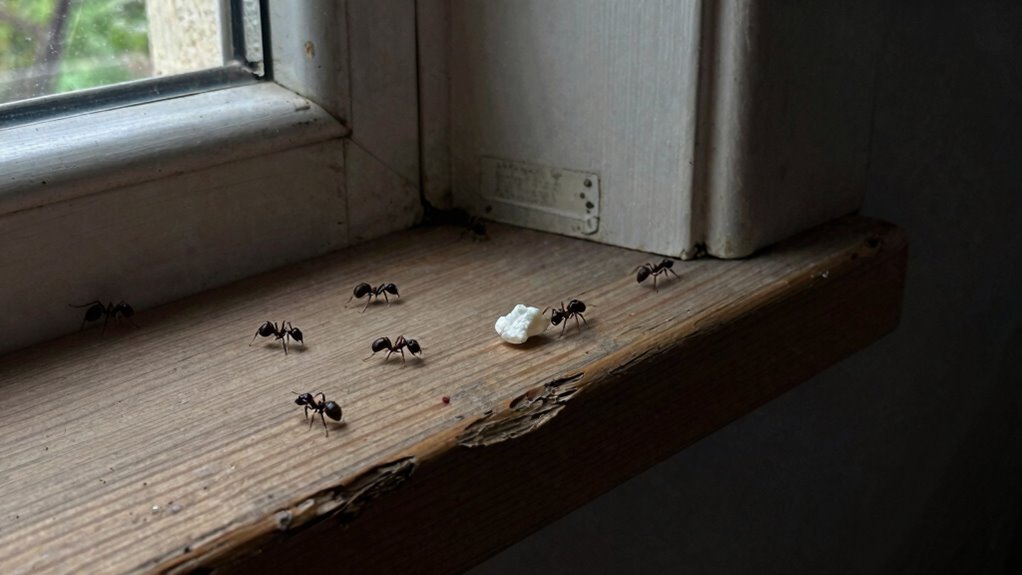
Ants stage a comeback after ant treatment for several stubborn reasons, but the main one is that complete elimination is almost never achieved. A hidden queen or a satellite nest escapes the spray, and within weeks the colony bounces back.
Even if you nuke the main nest, colony replacement kicks in as new ants from neighboring areas march in. They fill the vacuum like uninvited guests at a party.
Even if you nuke the main nest, colony replacement kicks in as new ants from neighboring areas march in.
Large initial populations make total wipeout a fantasy. Studies show foraging activity just dips for a few weeks. Using a slow-acting poison ensures worker ants carry bait back to the nest, sharing it with the queen and brood for thorough colony collapse.
You are not failing. Ant biology is just that tenacious.
Expect a return and plan for repeat pest control treatments. Effective ant management requires ongoing monitoring and reapplication of baits or sprays.
How Long Before You See Ants Again After Spraying
Spraying ants is like hitting a snooze button. It buys time, but the colony’s alarm clock is still ticking.
Expect to see foragers back within one to ten weeks. This depends on how big the original population was and whether new colonies keep moving in.
The key isn’t how fast they vanish, but how long the suppression lasts. That hinges on bait volume, timing, and whether you’re just spraying the surface or actually starving the nest.
For longer protection, consider using sprays with residual effect up to 3 months on non-porous surfaces to delay their return.
Immediate Foraging Reduction
The post-spray quiet is real, but it is not forever. Within hours, ants vanish from counters, yet this is only foraging reduction, not colony death.
Colony disturbance scatters survivors, whereas seasonal migration can mask a temporary dip. Here is how soon you will see them again.
For the first three days, you will see a dramatic drop with no visible ants. From day four to seven, a few scout ants reappear, usually less than five.
After week two, foraging resumes if the nest recovers. The spray kills workers on contact, leaving deeper nests unscathed.
New foragers emerge once residue fades, often within a week. If you see nothing for ten days, you might get cocky. Do not.
Colony disturbance means survivors reorganize. Seasonal migration likewise fools you: cool weather slows activity, not colony death.
Expect a trickle by day seven, not a flood. Bottom line: that post-spray peace lasts days, not weeks. Using a long-lasting residual spray can help prevent reinfestation by killing new foragers as they emerge.
Population Persistence Factors
That short-lived post-spray quiet is not colony collapse. Large initial populations and continuous new colony arrivals prevent elimination.
Studies show foraging recovery within 10 weeks. Several factors determine persistence.
One key factor is bait aging. Solid protein baits remain effective for up to four weeks, while liquid baits lose potency more quickly and need constant replacement.
Another factor is bait volume. High-density infestations can empty a 230 ml bait station in one week, leaving survivors to rebound.
Niche reoccupation also plays a role. Non-target species like *Monomorium floricola* can increase 3.7 times after treatment, filling the gap left by target ants.
Treatment timing matters too. Starting bait applications in spring, before populations peak, yields better pest control than summer or fall treatments.
Populations often stay lower than controls for 10 weeks. However, ongoing baiting remains necessary for effective ant management.
Don’t expect one-and-done results. Think of it as a marathon, not a sprint.
Using imidacloprid bait acts as a stealthy assassin, as ants carry it back to the colony and share it with the queen.
Return Timing After Baiting
Though ants may vanish quickly after a spray, don’t mistake that quiet for a knockout. The return timing depends heavily on whether you killed the colony or just the scouts.
Baits work slower but target the nest, whereas sprays create a temporary barrier that degrades. A colony rebound is typical within weeks if the queen survives.
In studies, spray only sites saw ants return to near pre treatment levels by week 8. Bait treatments held them down longer, up to 10 weeks, but even then complete elimination was rare.
Sprays provide fast knockdown but no colony kill. Ants return in 2 to 4 weeks.
Baits are slower, taking days, but can reduce the colony by 81 percent. Rebound takes 8 to 10 weeks.
Total eradication is unlikely, so ongoing baiting is the pragmatic path. For lasting results, skip the quick spray.
Invest in gel baits like Advion, around 20 dollars, applied every 6 weeks. It is boring, but it works.
Fipronil-based baits cause colony collapse through a slow kill that allows the poison to spread for maximum elimination.
Why Colony Size Affects Ant Return
A single ant is easy to squash, but an entire colony is a logistical nightmare for pest control. Bigger colonies mean more workers, more queens, and more stored food, so they rebound faster after treatment.
A small nest might starve quickly, but a large one can outlast bait persistence, slowly recovering as bait degrades. This explains why colony rebound depends so heavily on initial size when treating an infestation.
Worker reserves are key. Large colonies have thousands of foragers, so even after heavy losses, enough survive to find new food sources.
Queen redundancy is another factor. Multiple queens lay eggs continuously, replacing dead workers rapidly and ensuring colony survival.
Food storage helps them wait out bait periods without foraging. They stockpile food deep in nests, letting them outlast your treatment cycle.
Bait dilution reduces lethal doses for individual ants. With many mouths to feed, bait gets spread thin, making full colony elimination harder. Using two-step system products like Ortho Fire Ant Killer Granules can target both mounds and fly-in queens to reduce the chances of colony rebound.
Why Baits Beat Sprays Long-Term
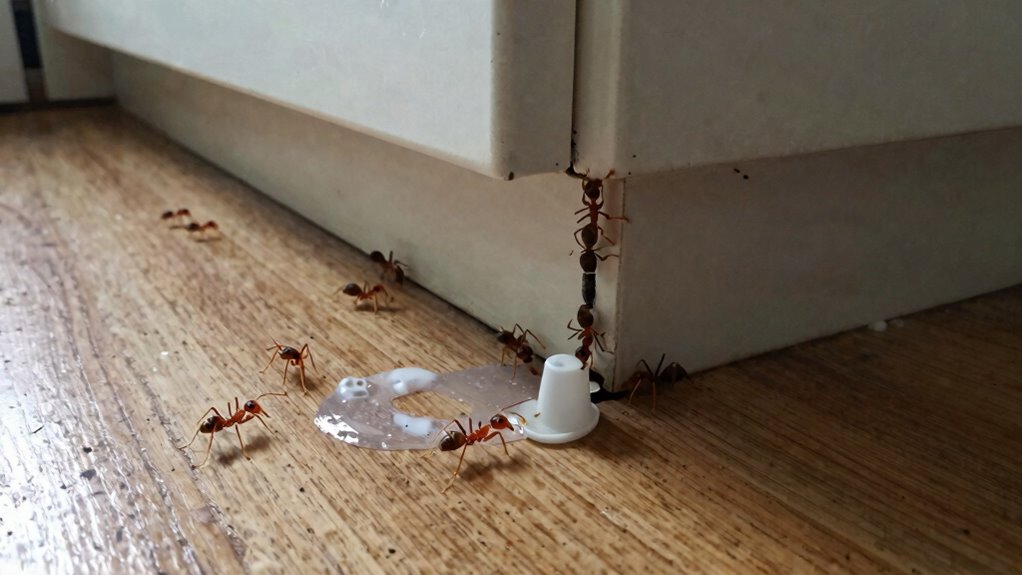
Sprays kill the ants you see, but baits target the ones you don’t. That’s the real difference for long term ant control.
A spray fog hits foragers on your counter, but the queen stays safe underground. Baits let workers carry the poison back to the nest.
This nest targeting delivers the toxic dose to the brood and queen, not just the scouts. Baits also shine with bait longevity, as slow acting formulas stay palatable for weeks.
Sprays degrade in days, but one study showed bait sites cut ant activity by 81% over ten weeks. Sprays only pushed numbers down temporarily.
Pick bait once and let the colony eat itself to extinction. Stop babysitting your baseboards with repeated spray treatments.
Pairs of bait stations placed 10 to 20 feet apart along walls help ensure thorough coverage and faster colony elimination.
How Bait Formulation Affects Whether Ants Come Back
Not all bait is created equal, and that’s where the whole ant control question gets interesting. The formulation decides if ants stay gone or just take a vacation from your kitchen.
Liquid boric acid bait needs constant refills. It empties fast in heavy infestations, so ants can return if you slack on your pest control routine.
Solid protein based hydramethylnon bait hits hard within the first week. This ant killer reduces your return risk quickly.
Bait persistence matters for long term ant control. Spinosad ant baits take 1 to 3 weeks to eliminate nests through slow colony elimination. Aged baits up to four weeks still work, but their power fades slightly after day five.
Non target effects can backfire in your treatment plan. IGR baits knocked out target ants, but five other species moved in like uninvited party guests.
Fast acting baits give quick wins in the infestation battle. Low level foraging often lingers after the initial knockdown.
Pick a bait that lasts and refill like your kitchen depends on it. Because well, it does.
Start Early: Don’t Wait for Summer
Timing is key for effective ant control, and waiting until summer makes the job much harder. By then, colonies are huge and foraging is frantic, which means bait treatments lose their impact.
Timing is key for effective ant control, and waiting until summer makes the job much harder.
Starting in spring, when ant populations are still small, gives your bait a real advantage. Studies confirm that early season treatments let poison reach the nest before ants spread into every corner of your property.
Bait longevity also matters more than most people realize. A fresh 230 ml liquid bait can be drained in under a week during peak summer heat. To ensure the bait remains appealing, you should regularly replace homemade bait to prevent spoilage or drying out.
In spring, that same bait lasts longer, giving worker ants more time to transport it back to the colony. You will need fewer refills and deal with far less frustration overall.
Think about how you handle a kitchen pest issue: you do not wait until the counter is crawling before you set a trap. Start early, and you stop the problem before they settle in for the warmer months.
A spring treatment is your best move for long term ant prevention, so do not procrastinate. Invest in professional pest control or a quality DIY ant bait now, and you will save time, money, and stress later.
How Ongoing Baiting Prevents Return
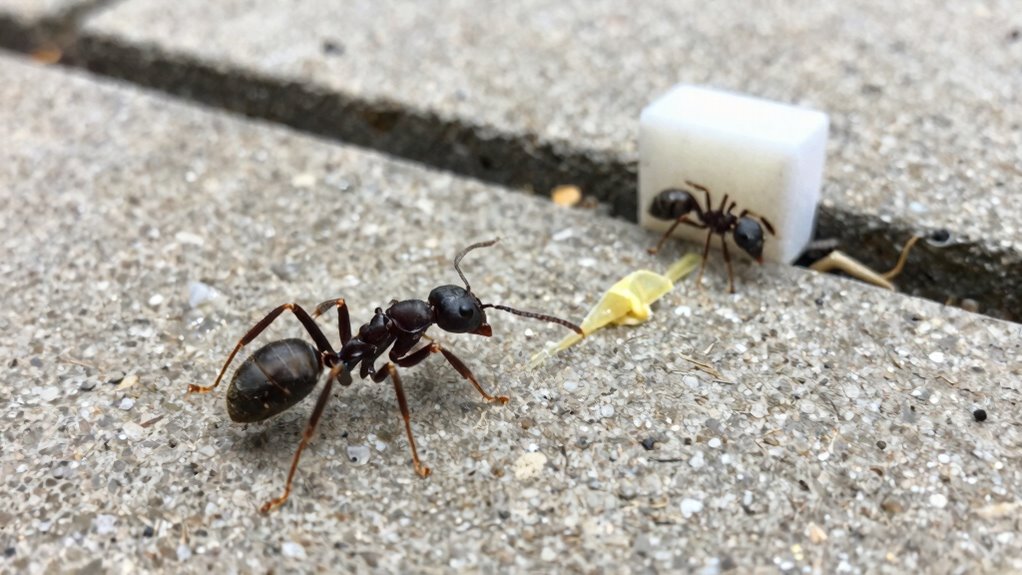
Here’s how consistent baiting wins:
- Kills new queens before they start satellite nests.
- Depletes food stores, forcing colonies to eat bait.
- Stops ant scouts from alerting nearby colonies.
- Maintains pressure 24/7, so no lull invites return.
Without ongoing bait, ants just refill the vacancy. Keep stations out year-round. Think of this as a “roach motel” for ants, but with unlimited check in.
This approach guarantees long term pest control and ant prevention. You stop reinfestation before it begins. Professional exterminators recommend continuous bait stations to protect your property. For enhanced protection, apply a plant-based spray along entry points for immediate contact kill and lasting repellent effects.
Don’t give ants a chance to rebuild. Consistent ant baiting is your best defense for permanent elimination.
Target Nests, Use Less, Stop Returns
Baiting everywhere works, but aiming at nests works better. Nest targeting focuses treatment directly on colony hubs, using far less bait volume than broadcast methods.
Studies show that pinpointing nests with insect growth regulator baits reduced target species by 92%. This used only 0.86 mg per hectare monthly, barely a pinch of powder per football field.
Broadcast spray uses 230 ml per station for an 81% reduction, with ants still foraging. Nest targeting uses 0.29 mg per month for 92% reduction, near elimination.
The untreated control shows 33% reduction, with thriving colonies. Solid fast-acting bait gives 100% contact kill but ants return.
Less bait, less hassle, fewer returns. Just remember that ants hate a targeted landlord who knows their address.
Bottom line: nest targeting saves money, chemicals, and your sanity. This approach works because delayed-action formulas like abamectin allow foragers to carry bait back to the nest before causing colony collapse.
Do Ants Really Bounce Back? What Studies Show
For example:
- Study design flaws often overlooked new colony arrivals. This means ants were not “bouncing back” from treatment, just new squads moving in.
- Bait aging tests found baits lost some punch after four weeks. Stale bait leads to slower knockdown during your pest control efforts.
- Large initial populations, like 27,000 ant visits at bait sites, made a full wipeout impossible. Control areas only saw a 33 percent drop naturally, limiting effective ant bait results.
- Fast-acting baits decimated workers but left queen cells untroubled. Low level foraging, with an 81 percent reduction not total, continued for weeks. Reapplying fresh boric acid every three to four weeks helps counter bait aging and replacement waves.
Bottom line: ants recover, but the extent depends on how fresh your bait is. It also depends on how honest the study is about replacement waves of foragers.
What to Do When Ants Come Back Despite Treatment
Pivot from the last point. Low level foraging after treatment doesn’t mean your bait failed, it means new ants are just showing up to an old party.
Their foraging behavior works like a GPS in their tiny brains, leading them to the same spot. The fix is bait persistence, so don’t swap baits too fast.
Leave them out for weeks, not days. New colonies take time to find and eat the stuff.
| Action | Why It Works | Example |
|---|---|---|
| Keep bait stations active | Bait persistence catches new arrivals | Liquid boric acid, refill weekly |
| Use slow acting baits | Lets ants share poison before dying | Hydramethylnon, kills in 3 days |
| Seal entry points | Stops foraging behavior cold | Caulk cracks, cost $5 |
It’s a slow game, not a magic trick. Keep pest control bait out, seal gaps, and wait.
Ants keep coming, but your bait, if persistent, keeps winning. The bottom line is don’t panic, just re bait for long term ant control. For a chemical-free alternative, consider using deNada Plant-Based Insect Repellent Pods which diffuse lemongrass and cinnamon oils to create a lasting barrier that new ants will avoid.
Frequently Asked Questions
Can Non-Target Ant Species Increase After Treatment?
Yes, non-target ant species often increase after treatment. They simply moved into the empty niche that was left behind.
For example, odds of *Monomorium floricola* jumped 3.7 fold after dominant ants were eliminated. The takeaway is clear: knocking out one ant colony often just invites its rowdier neighbors.
You need to plan for this when choosing your pest control strategy. A targeted bait that eliminates the entire nest, not just foraging workers, can help prevent secondary infestations.
Consider using a slow acting gel bait or granular formulation to give the dominant species time to spread it. For maximum protection, pair your ant treatment with an outdoor perimeter spray to block new invaders from moving in.
Smart buyers look for products labeled for specific ant species and follow up with exclusion tactics. That way, you solve the problem now and stop future ant invasions before they start.
How Does Bait Station Size Affect Ant Return?
Station size directly impacts whether ants come back after treatment. Bait lifespan determines if survivors can rebuild, so tiny stations run dry in just a week during heavy infestations like 315 ants per minute.
Bigger, refillable hoppers keep bait available longer and suppress entire colonies before they bounce back. Think of it like a snack bowl: fill it tiny and hungry guests return fast, stock it deep and the party fizzles out.
For lasting control, choose large commercial ant bait stations that offer continuous refill options. This ensures your pest control investment works harder and stops ant reentry for good.
Do Aged Baits Remain Effective for Controlling Ants?
Aged baits can still effectively control ant infestations. Studies show a slight decline in efficacy over the first week, but bait decomposition is slow.
Even four week old liquid boric acid or solid protein baits maintain delayed toxicity. This means ants eat the poison, carry it back to the nest, and die later.
So using older bait is a surprisingly smart move for pest control. It is like finding a stale cookie, not great fresh but still gets the job done.
For the best ant control products, consider boric acid baits and protein based gel baits. These long lasting options deliver reliable results even after weeks on shelf.
What Role Does Nest-Targeted Baiting Play in Preventing Return?
Nest-targeted baiting plays a key role in preventing return by achieving nest elimination, not just surface knockdown. It stops colony transfer, so ants can’t move reinvaders in from elsewhere by hitting the source directly.
This method uses minimal chemical, only 0.86 mg per hectare. It reduces target ants by 92% and preserves non‑target species that block re‑invasion.
Think of it as a surgical strike instead of a carpet bomb. For lasting pest control, this approach is your best bet.
Otherwise, you’re just renting the ants a temporary eviction. If you want a long term ant control solution, choose targeted baiting for complete colony elimination.
How Does Cross-Organizational Collaboration Aid Ant Control?
Cross organizational collaboration helps ant control by creating a unified front. Think property team alignment: when all neighbors bait together, ants can’t just move next door.
A multi agency protocol guarantees everyone uses the same bait at the same time. This coordinated effort stops colony relocation and eliminates repeat treatments.
It’s like herding cats, but with paperwork. Without this, treatments become whack a mole. Pest here, pest there.
The bottom line is that coordinated effort beats solo spraying every time for lasting results. If you’re looking for professional ant control products and a unified treatment plan, ask your pest management team about a neighborhood wide baiting program.


