
Spotting cockroach droppings in your home is unsettling—they look like ground coffee or black pepper, and their ridged, seed-like shape is a clear red flag. Unlike mouse droppings, these gritty rods are uniform and signal a hidden colony, often behind appliances.
The health risks are real: dust can trigger asthma, and bacteria may cause food poisoning. Cleanup requires nitrile gloves, an N95 mask, and a HEPA vacuum—never sweep, as that spreads allergens.
Disinfect with bleach after vacuuming dry waste. In the full cleanup and prevention playbook below, you’ll find every step to reclaim your space.
At A Glance
- Cockroach droppings resemble ground coffee or black pepper, often under 1 millimeter.
- Larger species produce ridged, cylindrical feces that feel bumpy like a miniature corncob.
- Droppings lack hairs and have uniform, seed-like shapes, unlike smooth mouse droppings.
- Wear an N95 mask and use a HEPA vacuum before applying disinfectant for safe cleanup.
- Clusters near appliances or baseboards indicate an established infestation requiring professional treatment.
What Do Cockroach Droppings Look Like?
Cockroach droppings often look like ground coffee or black pepper, tiny specks under a millimeter. Larger species produce cylindrical feces with ridges running from tip to tip, resembling tiny ridged rods.
Color ranges from dark brown to black. In heavy infestations, streaky smears appear where their abdomens drag, leaving sticky residues that require professional pest control treatment.
These droppings cluster near hidden nests, like behind the fridge or inside a drawer. The uniform, seed-like shape is a dead giveaway with no hairs or white tips, just consistent gritty flecks.
Spotting them near baseboards or cabinets means a colony is settled in. This is not subtle evidence, it is basically a tiny unsanitary calling card that signals you need to buy cockroach bait or Roach Killer Sprays to treat entry points where droppings are found.
Check those dark corners for these specks. If you see them, you have got work to do.
Cockroach Poop vs. Mouse Droppings: Key Differences
Cockroach droppings look like ground coffee or black pepper, often smaller than a millimeter. Mouse droppings are much larger, seed shaped with blunt ends.
The surface texture is a key clue for pest control identification. Cockroach feces have distinct ridges running from tip to tip.
Mouse droppings are smooth and sometimes contain visible hairs. When inspecting for an infestation, color also helps you tell them apart.
Cockroach poop is dark brown to black and may appear smeared or streaky. This happens because the insect drags its abdomen while moving.
Mouse droppings stay solid and uniform in shape. If you need to choose the right treatment plan, look for these buyer intent signs to confirm which pest you are dealing with. Once confirmed, select a fogger with coverage matching your room size to ensure the pesticide reaches all surface areas effectively.
Size and Shape Differences
Mouse droppings look like tiny, hairy grains of rice with pointy ends. Cockroach droppings are a different beast entirely, resembling ground coffee or black pepper under 1 millimeter in size.
Larger cockroach species produce cylindrical feces with distinct ridges running tip to tip, like tiny grooved pellets. This size comparison is critical for pest control identification, as cockroach droppings are far smaller and more uniform than mouse droppings. A 395nm wavelength UV light can reveal these droppings by making them glow, aiding in precise identification across wide areas.
Mouse droppings lack those ridges and contain visible hairs, making cockroach droppings appear smoother and more seed-like. Color ranges from dark brown to black, depending on the species you are dealing with.
In severe infestations, droppings may look smeared or streaky as cockroach abdomens drag through them. Always photograph droppings next to a coin for accurate scale when inspecting your home.
That small detail is your first clue for a proper pest identification. Bottom line: size and shape separate roach from rodent every time, helping you choose the right treatment plan.
Surface Texture Variations
Texture is the detail that often seals the deal, or seals the infestation diagnosis. Cockroach droppings feel distinctly rough, with ridged patterns running tip to tip, like tiny, brittle grains of sand.
Mouse droppings, on the other hand, are smooth versus rough; they lack those ridges, feeling more uniform and polished. Put on a glove and rub a suspected dropping between your thumb and forefinger.
The roach version will feel bumpy, almost like a miniature corncob. The mouse version? Slick, like a smooth pebble.
That ridged pattern is your clue: it’s the cockroach’s calling card. If you’re squinting at specks, feeling for texture is your best move for accurate pest identification.
Smoother means rodent; rougher means roach. It’s not glamorous, but it’s a reliable tell for your home inspection or pest control service call.
For a quick pest assessment, this tactile check helps you decide whether to set mouse traps or call an exterminator for cockroach treatment. Knowing the difference saves you time and money on the right pest removal approach.
When you’re comparing droppings during a property survey, this texture trick is a practical, hands-on diagnostic tool. Trust the feel, not just the look, for a confident next step in your pest management plan.
Coloring and Smear Patterns
After running your fingers over suspect droppings to feel for ridges, the next clue is color, but not just any shade. Cockroach species dictate the exact hue, ranging from dark brown to jet black, whereas mouse droppings stay a consistent, dull gray-brown.
That variation alone isn’t the whole story, though, because the smear patterns seal the deal for proper pest identification. Cockroach droppings often appear streaked or smeared, since their abdomen drags through fresh deposits, leaving thin, irregular trails on surfaces.
Mice, by contrast, leave neat, individual pellets that don’t smear except when crushed, so you can easily rule them out. For effective cockroach control, look for color shifts: roach poop blackens with age, while mouse scat keeps its tone.
Check for streaks on walls or baseboards, which is a cockroach’s signature move for spotting infestations early. Compare staining patterns: roach smears spread randomly across surfaces, but mouse marks stay pointed and isolated.
If you’re considering pest removal services, these visual cues help you decide whether to call an exterminator for roach treatment. Dark, smeared streaks point to roaches, not mice, so act accordingly with targeted roach bait or professional inspection.
Bottom line: trust the smear test over color alone, because it gives you a faster answer for pest control decisions. Keep your eyes on baseboards and corners, and you’ll catch the difference before the problem grows. Pairing these visual clues with diatomaceous earth offers a chemical-free way to dehydrate and kill any roaches you uncover.
What Other Signs of a Cockroach Infestation Should You Look For?
Droppings are the roach equivalent of a neon vacancy sign, but they rarely travel alone. Live roach sightings are the most obvious backup clue, especially at night when they scurry for cover.
Egg case finding is another dead giveaway. Those small, dark, purse-like capsules get tucked in corners or behind appliances.
A musty, oily odor often accompanies an established population and grows stronger with time. Shed skins or exoskeletons pile up near hiding spots, looking like translucent roach ghosts. Using a gel bait containing Fipronil or indoxacarb can help eliminate colonies by targeting roaches that carry poison back to their nests.
| Sign | What It Looks Like | What It Tells You |
|---|---|---|
| Live roach sightings | Fast-moving, dark brown insects | Active population, likely at night |
| Egg case finding | Small, ridged, purse-shaped capsules | Breeding happening nearby |
| Shed exoskeletons | Translucent, hollow shells | Growth cycle, older infestation |
| Musty odor | Greasy, oily smell | Large colony, pheromone buildup |
| Stains or smears | Dark, irregular streaks | Roach dragging abdomen, heavy traffic |
Bottom line: droppings are the first clue, but these signs confirm you are not dealing with a ghost. Call a pest control professional to start treatment and stop the breeding cycle quickly.
Where to Check for Cockroach Droppings in Your Home
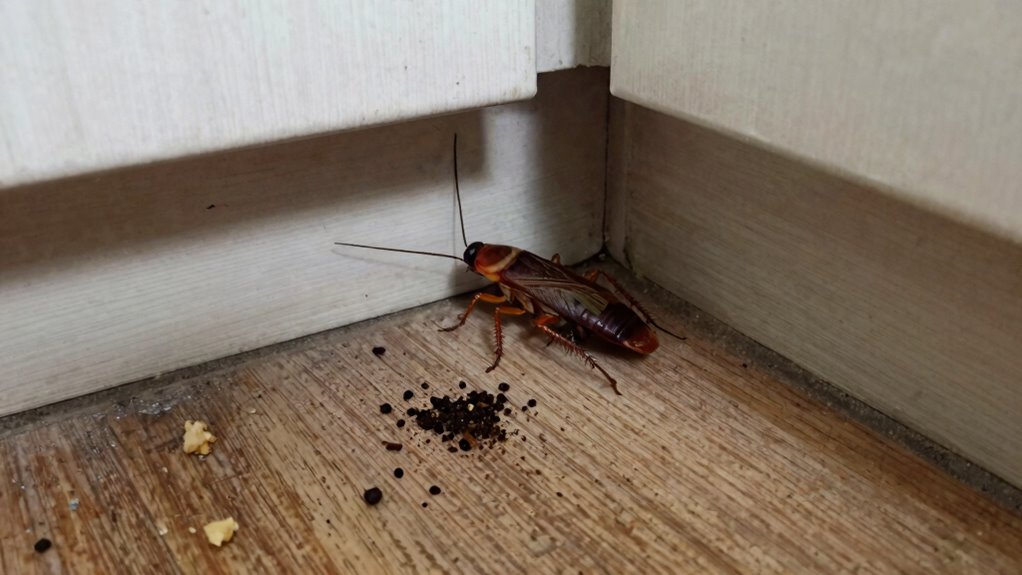
Cockroach droppings are often found in warm, dark hiding spots, especially near kitchen appliances. The area behind the refrigerator or under the stove is a common gathering place for these pests.
Checking these high-risk zones first gives you a clear sign of an active infestation. You can also inspect cabinets and pantries where food crumbs collect.
For a thorough pest control check, look for small black specks that resemble ground pepper or coffee grounds. Finding these droppings means you should take action quickly to stop the problem from growing, such as placing bait stations with Fipronil in these areas to trigger a deadly ripple effect within the nest.
High-Risk Hiding Spots
Check behind and under appliances like washers, dryers, and water heaters. Droppings in these areas indicate a steady pest population, not just a stray visitor.
Inspect inside hollow doors and furniture, as cockroaches love the warmth and darkness there. Their droppings often look like black pepper in the corners of these hidden spaces.
Look along pipe chases and floor cracks, which serve as narrow superhighways for pests. Droppings along these routes signal a network of travel, not just a single spot.
Make it a priority to inspect these hiding spots for signs of infestation. Always wear a mask and avoid stirring up dust to protect your lungs.
Kitchen & Appliance Zones
Check behind the refrigerator, that warm dark spot where mouse droppings pile up like forgotten coffee grounds.
Under the stove and inside cabinets near plumbing are other key pest control inspection points.
Health risks here are serious. Allergens from droppings can trigger asthma, and bacteria like salmonella cause food poisoning.
Use a HEPA vacuum first for rodent cleanup. Never sweep, because that just spreads particles into the air.
Disinfect surfaces with bleach spray. Many people skip this step, but they should not.
Toss cleaning rags in sealed bags. A flashlight reveals droppings in cracks and crevices.
These tiny black specks are not just unsightly. They are a calling card that signals active pest presence.
Inspect appliance zones weekly for pest prevention. Act fast when you find anything to stop an infestation early.
Place bait stations with double-sided tape in hidden spots behind appliances to target the entire nest.
Why Cockroach Droppings Are Dangerous to Your Health
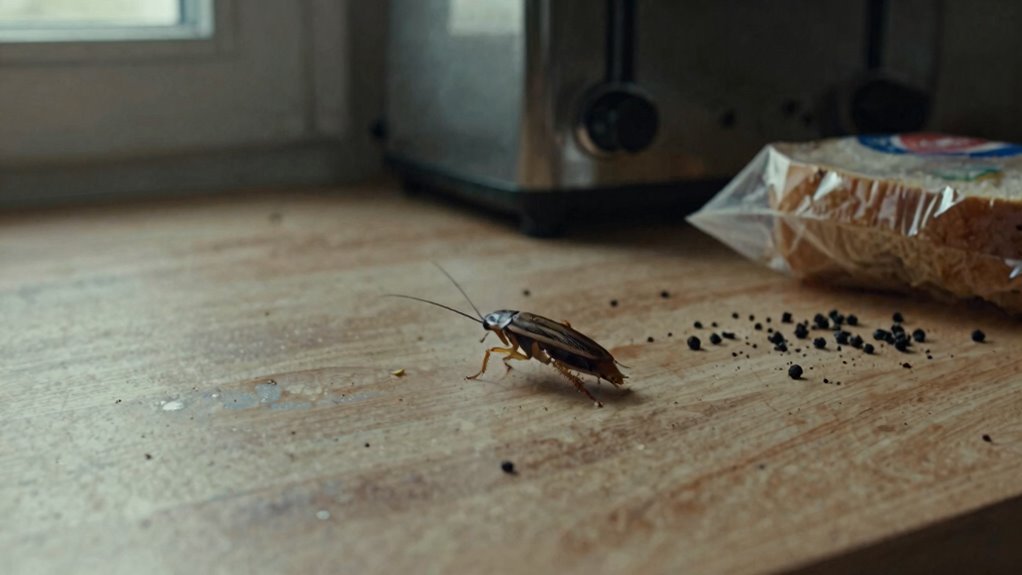
Cockroach droppings may look like spilled coffee grounds, but they are a serious health threat in any home.
These tiny specks, often under 1 mm, crumble into airborne dust that carries allergens and bacteria.
That dust can trigger asthma attacks, especially in children, and studies show high allergen levels in many urban homes with infestations.
Inhaling this contaminated air also leads to respiratory issues like chronic coughing or wheezing from shed skins and pheromones.
The musty odor you notice is a warning sign of these irritants, not just a smell to ignore.
Salmonella and other bacteria hitch a ride on the droppings, easily contaminating countertops and food prep areas.
Touching a dirty surface and then eating without washing your hands can cause food poisoning.
This is why professional pest control is essential for thorough cockroach removal and long term prevention.
If you spot droppings, act fast and use protective gear like gloves and a mask during cleanup.
For safe elimination, consider hiring a local exterminator or using targeted baits and sprays, such as EPA Registered boric acid products that kill pests naturally within 72 hours.
Check behind appliances and in dark corners regularly to catch new activity early.
Protect your family by sealing cracks and keeping food sealed, since reducing the source is your best defense.
How to Clean Cockroach Droppings Safely
Cleaning cockroach droppings safely starts with gearing up, since those little specs pack allergens and bacteria. You really don’t want that on your skin or in your lungs. Grab a pair of disposable gloves and an N95 or KN95 mask, which costs about $10 to $15 for a pack of ten.
Next, vacuum up the dry droppings using a HEPA filtered vacuum, never a regular one. A standard vacuum will blow fine particles back into the air like a confetti cannon of allergens. A decent HEPA vac runs roughly $100 to $200, but it is worth it for effective pest control cleanup.
After vacuuming, apply a disinfectant spray or a bleach based cleaner directly to the area. Mix one part bleach with nine parts water if you want a frugal option. Let it sit for five minutes to kill any lingering bacteria, then wipe and seal everything in a trash bag.
Your hands and lungs will thank you later for this safe cockroach removal method. Following these steps reduces allergen exposure and keeps your home truly clean after a roach infestation. For ongoing protection, you could apply deltamethrin dusts into cracks and crevices to eliminate lingering roaches.
Personal Protective Gear
Two pieces of personal protective gear, a pair of disposable nitrile gloves and an N95 respirator, form the non-negotiable starting lineup for cockroach dropping cleanup. Think of them as goalie and center back. Skip either, and you are asking for trouble.
This gear keeps you safe during pest control without breaking the bank. Nitrile gloves cost about ten cents per pair and beat latex hands down with no allergies and no tears.
They fit snug so you can still grab a stray dropping without fumbling. An N95 respirator mask is essential because a simple cloth mask won’t cut it here.
You need a tight seal against airborne allergens and bacteria from cockroach debris. Prices for N95 masks hover around a buck each at hardware stores.
Safety glasses are a bonus purchase for under five dollars. Droppings can dust upwards when disturbed, so protect those peepers.
For additional protection, consider wearing Permethrin-treated clothing to repel pests during cleanup.
Bottom line is to don gloves and strap on that respirator mask before starting any cockroach cleanup. Keep your lungs and skin out of harm’s way for cheap insurance on a dirty job.
HEPA Vacuuming Methods
Why let roach droppings float into the air when a HEPA vacuum collects them permanently. This tool traps particles as small as 0.3 microns, perfect for fecal dust analysis in integrated pest management.
| Method | Key Detail |
|---|---|
| Slow passes | Prevents stirring allergens into the air |
| HEPA filter | $20 to $80; must be true HEPA, not “HEPA-type” |
Use a crevice tool along baseboards, cabinets, and fridge coils where roach droppings hide. Vacuum slowly and overlap each pass by 50 percent to catch every speck of pest debris.
Empty the canister outdoors and seal the contents in a plastic bag for safe disposal. Avoid vacuuming live roaches because they may crawl out inside your home later.
This step, combined with sealing cracks and reducing dampness, forms your integrated pest management foundation. A true HEPA vacuum confirms the problem’s scope through reliable fecal dust analysis. For cockroach monitoring, consider using non-toxic glue traps that rely on physical barriers and strong adhesive without chemical scents.
Disinfectant Application Steps
Wait until after you have HEPA-vacuumed every speck of fecal dust before grabbing a spray bottle. Spreading wet disinfectant over dry droppings turns them into a paste you will never fully remove.
Proper disinfectant dwell time is the make or break step for pest control success. Most sprays need five to ten minutes of being visibly wet to kill bacteria like salmonella.
Skipping that step just makes the surface smell nice. Surface pre cleaning matters after vacuuming.
Wipe the area with a damp cloth to remove any stuck residue. Disinfectant cannot penetrate dirt otherwise.
Dwell time is non negotiable for effective bird waste removal. Let a bleach based spray sit for at least five minutes, read your bottle label for exact instructions.
Do not over wet the surface. Use a clean microfiber cloth after the dwell time, not a soaking sponge.
Too much liquid just spreads allergens around. Stick to these bird dropping cleanup steps for thorough sanitization.
For ongoing prevention after cleaning, consider a botanical insect spray that is safe around food prep areas and leaves no lasting residue.
Best Disinfectants and Tools for Removing Cockroach Droppings
Grab a HEPA filter vacuum, a bleach based spray, and a pair of gloves before tackling cockroach droppings. Those little black specks aren’t just gross, they are a health hazard that requires immediate pest control action.
For stain removal, a bleach spray like Clorox Clean Up costs about $4 and works wonders on hard surfaces. It breaks down droppings without scrubbing, making it a top choice for roach cleanup.
Odor neutralization methods include a 90% isopropyl alcohol wipe down after bleaching. This kills lingering smells fast and helps prevent future infestations. 91% concentration cleans surfaces faster but evaporates too quickly to remain effective on skin.
The best tools include a HEPA vacuum such as the Shark NV360 for around $150. It prevents allergens from re aerosolizing during cockroach removal.
Skip steam mops because they smear droppings instead of lifting them. Microfiber cloths catch residue well but toss them immediately after use.
For crevices, use a stiff bristle brush to dig out packed specks. This is essential for thorough pest control in hard to reach areas.
The bottom line is that bleach spray, a HEPA vacuum, and gloves form a budget friendly effective combo. This approach will not leave you sniffing leftovers and keeps your home safe.
How to Tell If Droppings Are Fresh or Old
How can you tell if those coffee-ground specks are fresh or just ancient history? Fresh droppings are dark, glossy, and slightly soft. They smear when pressed, whereas old ones turn brittle and dusty. They fade to gray brown over time.
Timing matters since cockroach life cycle stages like nymphs and adults produce droppings continuously. Fresh specks signal an active population that needs a pest control treatment. Fresh droppings carry a sharp, musty odor that lingers near harborage spots. Old ones lose most of that smell and leave a faint, stale trace.
Dampness content is a clue for effective pest inspection. Fresh bits stick to surfaces with a slight sheen, but old ones flake off or crumble easily under a fingernail. Check location and buildup for infestation signs. Fresh specks appear haphazardly on top of old layers, while old droppings show even dust with no recent accumulation. Reapplication every two to four weeks during peak activity ensures continuous pest management for earwig sprays, though cockroach treatments require a similar diligence.
Bottom line, grab a dark wet smear test with a glove on. Trust your nose and act now if you find fresh droppings.
Simple Steps to Prevent Cockroaches From Returning
Fresh specks are easy to spot, but removing them does not remove the roommates that made them. To keep roaches from returning, focus on long term prevention strategies that target their survival needs.
Start by sealing cracks with caulk or foam insulation. Think of it as a perimeter fence for a kitchen invader.
Think of sealing cracks as building a perimeter fence for a kitchen invader.
Reduce dampness by fixing leaky pipes and running a dehumidifier in damp basements. Roaches thrive where water drips, so moisture control is a key pest control tactic.
Store all food, including pet kibble, in airtight containers. A sealed Tupperware is a stronger barrier than any pesticide.
Eliminate clutter, especially cardboard boxes and paper stacks. These offer perfect hiding spots for roach infestations.
Strong odor indicators, like musty pheromone trails, should be scrubbed with bleach to break the communication loop. This helps disrupt their breeding habits.
Set glue traps under appliances to monitor activity. Check them weekly to catch early signs of a roach problem.
Clean spills and crumbs daily. Deny them food, water, and shelter, and you will evict them permanently.
For lasting roach prevention, combine these steps with regular inspections. A professional pest control service can seal entry points you might miss.
When to Call a Professional for Cockroach Droppings Control
A professional uses specialized vacuums and powerful insecticides like gel baits and dusts to kill roaches you cannot reach. This saves you from buying countless spray cans that only smell like failure.
They spot hidden harborage points behind the fridge or under the stove where droppings pile up unseen. They address these areas before the infestation spreads to your pantry.
Their treatment plan includes sealing cracks and monitoring with sticky traps. They offer a warranty that keeps roaches out for months, not just days.
Bottom line: if droppings keep appearing after you clean, call a professional. It is cheaper than a hospital visit for salmonella.
Frequently Asked Questions
Can Cockroach Droppings Cause Structural Damage to My Home?
Cockroach droppings won’t cause structural damage to your home, so you don’t need to worry about walls crumbling.
However, over time, these droppings can lead to unsightly chemical erosion that eats away at paint and finishes.
This is more of a cosmetic issue than a catastrophic one, but stubborn fecal staining on walls and surfaces is a real eyesore.
For effective pest control, focus your cleanup efforts on these stains to prevent lasting marks.
The real risk from cockroach infestations is health related, not structural, so prioritize safety over aesthetics.
Breathe easy knowing your home’s bones are safe, but your pride might need a deep scrub.
If you’re dealing with a roach problem, consider professional pest control products to eliminate the source.
Smart buyers often look for long lasting solutions like gel baits or insect growth regulators to prevent future droppings.
Is It Safe to Use a Regular Vacuum to Clean up Cockroach Droppings?
No, using a regular vacuum for cockroach droppings is a bad idea. Standard models lack proper filter efficacy and shoot tiny allergen laden particles back into the air. This airborne particle risk can trigger asthma or make respiratory issues worse.
Instead, choose a vacuum with a HEPA filter, which you can find for around $50 to $100. A HEPA filter traps 99.97% of microscopic bits, keeping your indoor air much cleaner.
For pest control cleanup, skip bagless models because emptying them stirs dust and droppings back into the room. The best pest control vacuum for roach waste is a HEPA sealed unit designed for allergen containment.
Bottom line: invest in a HEPA vacuum for safe cockroach droppings removal. Your lungs will thank you, and your home will stay free of airborne irritants.
Do Cockroach Droppings Attract Other Pests or Insects?
Yes, cockroach droppings absolutely attract other pests, and they act like a dinner bell for silverfish, ants, and even rodents. Those droppings, along with shed skins, release chemical cues that signal a reliable food source to nearby scavengers.
Think of it as an open invitation that turns a small roach issue into a multi-pest infestation. Ants will march in to harvest the organic matter, while silverfish find the starchy residue irresistible. Rodents, in turn, are drawn to the scent trail because it often means cockroaches themselves are nearby, which is another meal for them.
The real problem is that this waste acts as an indicator species for a larger hidden colony. When you spot droppings, you are not just seeing a mess; you are seeing the tip of a breeding iceberg. Other insects follow that odor trail, which makes your pest control efforts much harder if you ignore the source.
To stop this cycle, you need to remove the droppings immediately and address the roach population at its root. For practical pest control equipment, start with a good gel bait or an insect growth regulator to kill the breeding cycle. Then, use a vacuum with a HEPA filter to clean up droppings, and follow up with a residual spray around baseboards and entry points.
Always pair cleanup with exclusion tactics, like sealing cracks and fixing moisture issues, since roaches and their followers love damp spaces. If you notice an increase in ants or silverfish after a roach sighting, that is a clear buyer-intent signal to invest in a targeted treatment kit. Do not underestimate the power of these droppings, because a proactive approach today prevents a full-blown pest party tomorrow.
How Long Do Cockroach Droppings Remain Dangerous After the Infestation Is Gone?
Cockroach droppings can remain dangerous for months after the infestation is gone. The long term health risks come from hidden allergen persistence inside dust, behind baseboards, and in cracks.
Those droppings dry out but don’t lose their ability to trigger asthma or carry bacteria. A thorough HEPA vacuum and bleach cleanup is crucial to eliminate this hidden hazard.
Skipping that step leaves a silent risk in your home, much like a bad houseguest who forgot to leave. For complete pest control, use a targeted cockroach bait or spray to prevent a recurrence.
If you want to protect your family, consider a professional grade insecticide or a roach killing gel for lasting results. This smart purchase ensures your home stays safe and allergen free.
Can Cockroach Droppings Be Found Inside Electronic Appliances or Outlets?
Yes, cockroach droppings can absolutely be found inside electronics and outlets. That is bad news because droppings are conductive, which creates serious electrical hazards and short circuit risks.
In appliances like microwaves or toasters, the feces can bridge live circuits and cause damage. In outlets, they often lead to arcing or complete electrical failure.
Cleanup is not a DIY job. Unplug the device first, then call a professional pest control technician unless you enjoy being a human fuse.
The bottom line: if you see droppings near electronics, assume hidden ones are inside. Act fast to prevent a fire hazard and protect your home.


