
Wondering if your homeowners insurance will cover termite removal? You’re not alone, and the short answer is no—standard policies treat termites as a maintenance issue, not a sudden disaster.
Think of it like a slow leak versus a burst pipe: insurers expect you to catch signs during annual inspections costing $50 to $250. The good news is that understanding this upfront saves you from surprises later.
This guide breaks down why termite damage is your responsibility and what to do next. We’ll cover the rare exceptions, like sudden collapse, and practical steps to protect your home.
Read on to get the full picture on costs, prevention, and when to call a pro.
At A Glance
- Standard homeowners insurance excludes termite removal and damage.
- Insurers classify termites as preventable maintenance, not a sudden event.
- Rare coverage may apply if termites cause sudden collapse or fire.
- Annual professional inspections cost $50–$250 to catch infestations early.
- Filing a termite claim is unlikely to pay out and may raise premiums.
Why Your Insurance Won’t Cover Termite Damage (and Why That’s Fair)
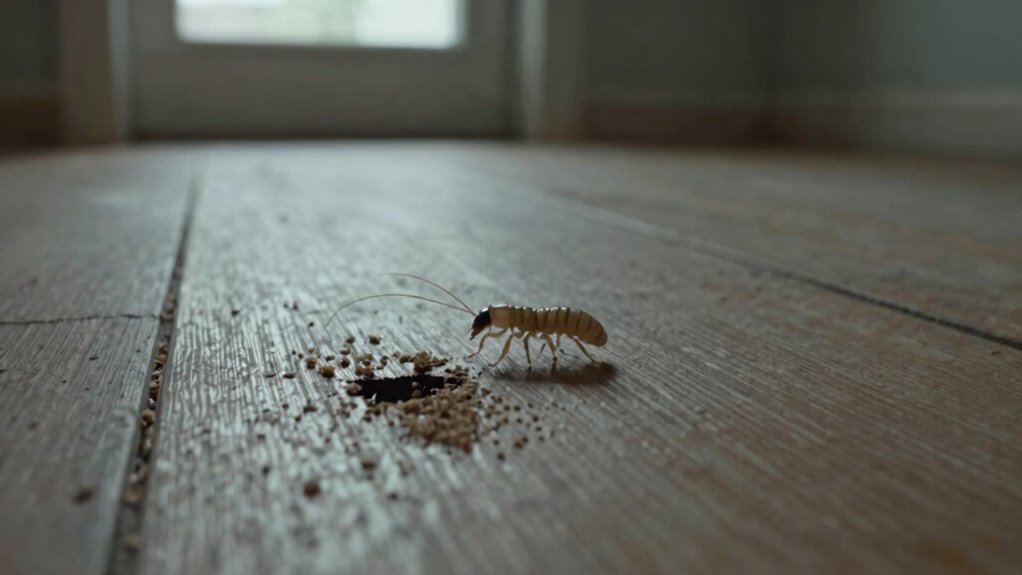
Termite damage is not covered by standard homeowners insurance, and that is actually more fair than it first sounds. Insurers expect you to handle basic pest prevention and regular home maintenance.
They will not pay for problems you could have spotted and stopped years ago. Termites take three to eight years to cause noticeable damage, according to North Carolina State University.
That gives you plenty of time for annual professional inspections, which cost between 50 and 250 dollars. Insurance fairness rests on the idea that slow, predictable decay is your responsibility, not a sudden random event.
So if you skip those termite control checks, that is on you. The National Association of Insurance Commissioners confirms this rule.
Your policy covers a fallen tree, but it will not cover a slow eating bug colony. The bottom line is to spend a few hundred annually on termite treatment now, or pay thousands in repairs later. Applying a borate-based sealant every 1-5 years outdoors can provide ongoing pest control and prevent costly damage.
Fair? Absolutely. Fun? Not for your wallet.
3 Rare Scenarios Where Termite Damage Does Get Covered
Every so often, the insurance gods smile and termite damage actually gets covered. In three rare scenarios, a claim squeaks through policy loopholes for pest control emergencies.
You get an insurance claim denial for routine rot, but not for these exceptions. A sudden house collapse from hidden termite damage is one example.
A fire caused by chewed wiring is another scenario where coverage can apply. An infestation triggered by a covered peril like a burst pipe also qualifies.
Here, the damage feels sudden, not gradual. This distinction tricks the fine print into paying for termite treatment.
| Scenario | How It Qualifies | Example |
|---|---|---|
| Collapse | Hidden damage with no warning | Floor caves in on hidden nest |
| Fire | Termites chew wires and spark a blaze | Attic fire from gnawed cables |
| Burst Pipe | Water leak attracts termites | Pipe floods, swarm follows |
If you need termite damage repair, call a local exterminator for an inspection. These rare loopholes show why professional pest control is worth the investment. Low-odor, pet- and family-friendly formulas can help prevent future infestations when used as directed around your home.
Fire vs. Termites: Why One Is Insured and the Other Isn’t
Fire damage is covered because it happens fast. One spark, one moment, then a blaze.
Termite damage takes years of slow chewing. Insurers compare it to neglected gutters or a rusty fence, not a sudden event.
The real difference is sudden versus gradual destruction. Gradual damage becomes your responsibility to prevent, not their job to pay.
For homeowners, this means termite prevention is a must. Regular pest control inspections can catch an infestation before it becomes a claim.
To detect termites early, chemical-free wood inserts rely on termites’ natural foraging instincts for monitoring.
Sudden vs. Gradual Damage
Insurance companies love sudden, dramatic events like a lightning strike because they are easy to blame and cover. Slow disasters like termite infestations are treated differently and often excluded from policies.
Fire is sudden, covered, and catastrophic. Termites nibble for years in quiet silence, and insurers view that gradual damage as your responsibility.
The core rule is simple: sudden perils are insured, but gradual wear is not. This is why pest control inspections and regular maintenance are your best defense against a claim denial. Using powders with boric acid or diatomaceous earth can help prevent infestations before they cause uncovered damage.
| Sudden Damage (Fire) | Gradual Damage (Termites) |
|---|---|
| Covered instantly | Excluded by default |
| Single, identifiable event | Slow, hidden spread |
| Typically catastrophic | Often minor at first |
| Policy-friendly | Marked as maintenance |
| No prevention expected | Homeowner’s duty |
Termites can undermine foundation damage over time, so managing dampness control around your home is your job. It is frustrating logic, but knowing this helps you avoid a costly surprise.
Bottom line: do not expect a payout for slow rot or hidden decay. Protect your home proactively and understand what your policy truly covers.
Preventable Maintenance Classifications
Preventable maintenance is the insurance industry’s favorite scapegoat, and termites are its star player.
A fire is sudden and dramatic, so insurers call it a covered peril.
Termites are the slow, sneaky cousin who eats your house from the inside out over three to eight years.
Insurers argue that regular pest control, like annual inspections costing $50 to $250, catches infestations before serious structural damage occurs.
Fire is accidental and unpredictable, but termites are a maintenance failure.
You are expected to keep soil 18 inches from wood, divert water, and schedule professional termite inspection services.
Skip that, and you are on the hook for costly structural repairs.
Termites do not cause sudden collapses unless they chew wiring and spark a fire, which might be covered.
But the bugs themselves are not your policy’s problem.
The bottom line is to treat termites like a DIY project, not an insurance claim.
Products like foam sprays that expand up to 30 times their original size can help you reach hidden termites inside walls without tearing them apart.
Coverage Exceptions for Collapse
Insurers make a strange exception for collapse, where a slow eaten house that falls down might actually get coverage. The catch is it must be sudden, not a gradual sag.
If termites nibble a support beam and the whole roof caves in, that unexpected collapse could trigger a payout, but only if the policy says so. Here is the fine line: termite damage alone is excluded, but actual structural failure from hidden decay might get automatic approval.
A catastrophic tumble counts, a sinking floor does not. You must show the damage was undetectable until the collapse.
An adjuster will dig to find a maintenance excuse. Do not bank on this exception, it is rare like finding a termite free board in a pile of lumber. Thicker cell-wall dry foams can help prevent such hidden decay by lasting longer in voids and cracks.
7 Signs of Termite Damage to Watch For (and What They Cost)
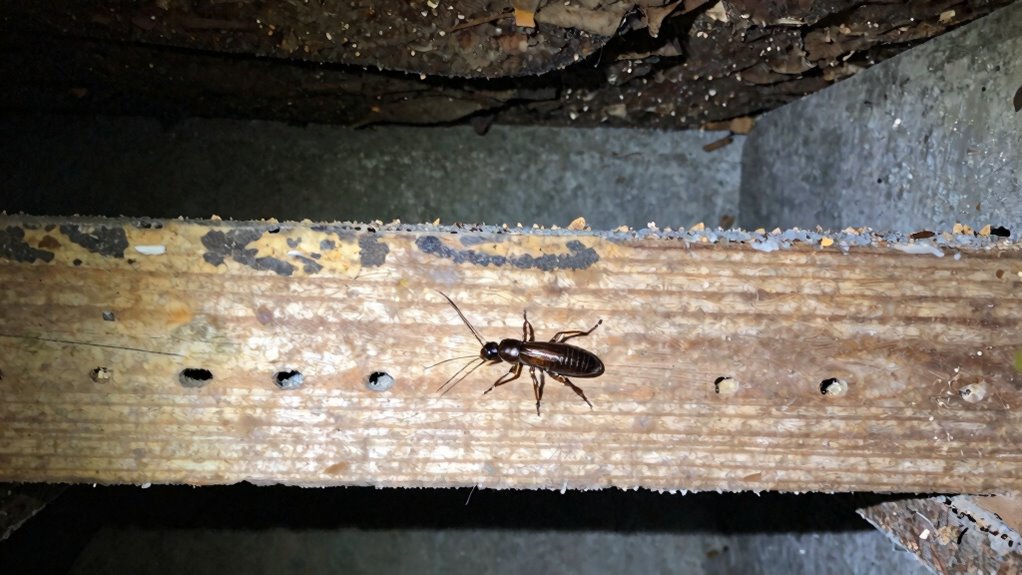
Termite damage can stay hidden for years, but catching it early saves thousands in repairs. Fixing small sections of damaged trim may cost a few hundred dollars, while major structural work often exceeds ten thousand.
Watch for bubbling paint or wood that sounds hollow when tapped. These are clear signs a termite inspection is overdue. Homeowners searching for pest control solutions should check for mud tubes along foundations.
Discarded wings near windowsills often point to a swarm that has already settled in. If you spot sagging floors or doors that stick for no reason, call a termite exterminator right away. Early treatment is much cheaper than rebuilding beams or joists.
A professional pest control company can assess the damage and recommend a treatment plan. Routine inspections help you avoid the stress of unexpected repair costs. Stay alert and protect your home from these silent destroyers. Using a pinless moisture meter can help detect the damp conditions that attract termites, but only a direct inspection confirms an active infestation.
Early Detection Signs
Catching termites early is critical. By the time you see a swarm, they have likely been munching for years.
Look for mud tubes on foundations, those pencil thin highways. Bubbling paint that feels like bad sunburn is another clear sign of termite activity.
Tap wood with a screwdriver. If it sounds hollow like a cheap drum, termites may have eaten the inside.
During swarm season, watch for discarded wings near windowsills. This is a dead giveaway that a termite colony is nearby.
Blistering floors or sagging ceilings signal major trouble. Local pest control repairs for these issues can cost $3,000 to $5,000.
Catching these signs early means cheaper fixes and less heartache. Inspect your home twice a year for professional pest control peace of mind.
Bottom line: do not wait for a swarm to crash your home’s party. Schedule a termite inspection today to protect your property value.
After treatment, using a bifenthrin spray can help create a long-lasting barrier against future termite invasions.
Repair Cost Estimates
Your wallet might already be wincing, and for good reason. Termite damage repairs are not cheap and are almost never covered by home insurance.
The national average for fixing termite damage runs between $500 and $1,500 for minor jobs. Extensive structural work can hit $3,000 to $8,000.
Hidden damage like chewed support beams or weakened subfloors often doubles those cost estimates once uncovered. For homeowners facing an infestation, early termite control is essential.
Spot beam replacement typically costs $200 to $600. Floor joist repair runs $1,000 to $2,500.
Wall stud replacement costs $500 to $1,500. A full subfloor rebuild ranges from $2,000 to $5,000.
Structural foundation work can reach $3,000 to $10,000. Most termite damage creeps up over three to eight years.
Early inspection saves serious cash and prevents expensive repairs. Treat annual inspections costing $50 to $250 as cheap insurance against a much bigger bill.
5 Prevention Steps to Avoid Termite Damage
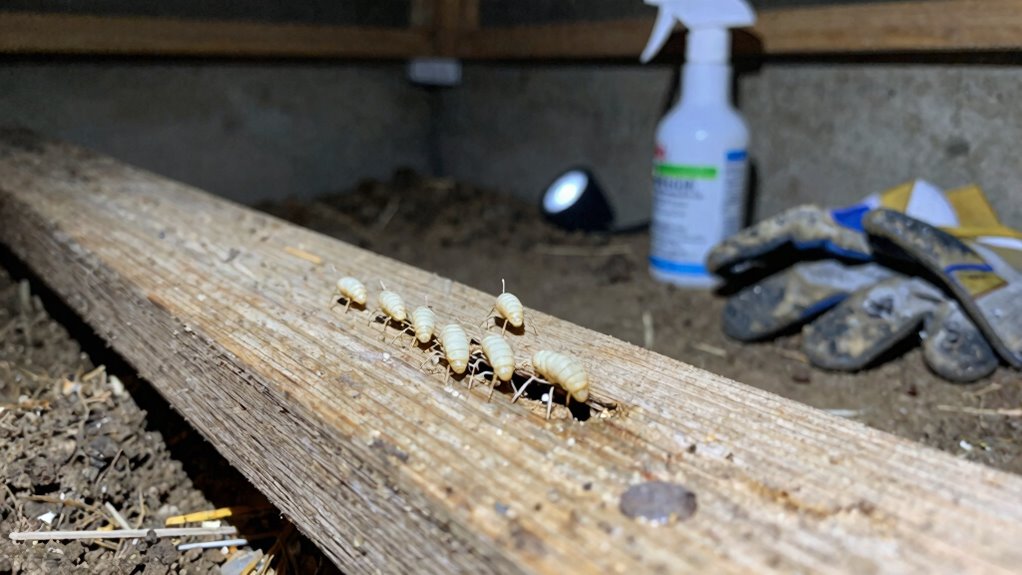
A single teaspoon of termite sawdust can signal thousands of dollars in hidden damage, so prevention beats repair every time.
First, fix soil grading around the foundation to ensure water drains away from the house. Standing dampness is a termite buffet, so proper drainage is key for pest control.
Second, apply chemical treatments as a soil barrier. This creates an invisible moat that kills foragers on contact. Professional applications run 300 to 600 dollars, but they are cheaper than rebuilding a joist.
Third, keep wood at least 18 inches off the ground. Stack firewood 20 feet out from your home.
Fourth, trim shrubs and trees to prevent them from touching the siding, which acts as a bridge for termites.
Fifth, schedule annual inspections costing about 150 dollars. Catching one mud tube early saves you a major headache.
Bottom line: spend a little now on prevention, not a fortune later on termite damage repair. For broader outdoor pest defense, consider using a granular perimeter treatment that can create a chemical barrier lasting up to six months.
You Found Termites. What Now?
Finding termites often feels like uncovering a leak in a boat you just bought. First, call a licensed exterminator immediately and do not attempt DIY fixes.
Termites require professional pest control treatment costing $200 to $800 for inspections and initial control. Then, contact your insurer, but expect disappointment.
Trivial claims rarely apply here, as termites are excluded under standard policies for being gradual, not sudden. You may find policy loopholes if termites caused a fire from chewed wiring, though such coverage is rare.
Avoid filing small claims because they won’t pay out and could raise your premiums. Instead, focus on quick treatment with tenting a house averaging $1,200 to $2,500. Professional-grade treatments can offer faster results with dual-active ingredients for long-lasting defense.
The bottom line is to act fast, pay out-of-pocket, and schedule annual termite inspections next time. Protect your home from structural damage with proactive pest management solutions.
Termite Repair Costs vs. Your Deductible: The Real Math
The real math on termite repair costs versus your homeowners deductible usually isn’t pretty.
Termite control bills average $3,000 to $5,000 for moderate damage, while a standard deductible sits at $1,000 to $2,500.
Even if your policy somehow covered termites, rare exceptions exist, you would still pay the deductible first.
You fork over $2,500, and the insurer might chip in the rest.
Most policies have insurance loopholes that explicitly exclude slow moving pests.
That means you cover everything from tenting to beam replacement.
Consider this: skip the deductible gamble.
Spend $150 annually on professional inspections for early termite detection.
It is cheaper than gambling on coverage that likely will not pay.
Bottom line: assume zero insurance help for termite damage.
Budget for termite control upfront, not after the damage piles up.
Your wallet will thank you.
Frequently Asked Questions
Can Termite Damage Be Covered by a Home Warranty?
A home warranty typically excludes termite damage, just like insurance does. Policy exclusions are standard here because they consider infestations a maintenance issue you should prevent.
Hidden damage from termites, like chewed wiring or hollowed beams, rarely gets covered unless you purchase a separate rider. Most warranties cover appliance breakdowns, not wood munching pests.
The bottom line is don’t bet on it. An annual termite inspection costing $50 to $250 is cheaper than assuming coverage exists for a problem that’s technically yours to prevent.
If you’re buying a home warranty, always check the fine print for wood destroying insect coverage. You might need to add a pest control rider or a separate termite protection plan to be safe.
Smart homeowners combine a home warranty with a regular pest control service. That way you get coverage for major systems while keeping termites and other wood destroying pests at bay.
What if I Just Bought the House and Termites Were Hidden?
Hidden termites won’t get insurance coverage, so no surprise bailout will help you here. Seller disclosure laws might force the previous owner to pay if they knew and didn’t tell you.
A pre purchase inspection costing 300 to 500 dollars could have caught the issue. Without one, you’re on the hook for termite treatment and repairs.
Termite treatment typically runs 1,200 to 3,000 dollars, plus repair costs for damaged wood. Skipping the inspection is like betting on bad luck.
Buyers, do the check or prepare for a costly, buggy surprise. Always include a wood destroying insect inspection in your home buying process.
Do Renters Insurance Policies Cover Termite Damage?
No, renters insurance will not cover termite damage because pest infestations are a standard exclusion. Your policy protects your personal belongings, not the building structure or wood framing.
Termite damage is typically the landlord’s responsibility unless your negligence caused the infestation. For example, ignoring a slow pipe leak that attracts termites could trigger your liability coverage.
To avoid termite issues, inspect your rental regularly for mud tubes, frass, or hollow sounding wood. A simple moisture meter or dehumidifier can prevent the damp conditions termites love.
Your lease likely says you handle prevention and they handle repairs after termites are found. Products like boric acid dust or termite bait stations around the foundation are smart DIY first steps.
If you see live termites, call a licensed pest control professional for a treatment plan. Bottom line: buy a $50 dehumidifier and a termite monitor kit instead of hoping insurance covers the damage.
Is There a Waiting Period Before Termite Damage Is Covered?
No, there is no waiting period for termite damage coverage because it is a standard policy exclusion. Termite damage is treated like mold damage: slow, preventable, and not covered by your homeowners insurance.
Insurance covers sudden events like a burst pipe, not gradual decay from termites or pests. You cannot wait out an exclusion period to claim termite removal or repair costs.
The bottom line is that termite repair costs are your responsibility, no matter how long the infestation has been present. If you are looking for termite protection, proactive pest control is your best defense.
A smart purchase today, like a termite inspection or a preventive treatment plan, saves you thousands later. For effective termite control products and local exterminator options, check your coverage and act before damage spreads.
Can I Add a Termite Rider to My Homeowners Policy?
No, you cannot add a termite rider to a standard homeowners policy. Insurers treat termite damage as a preventable maintenance issue, not a sudden accident.
That gap is intentional, so you won’t find a coverage extension for pests. Your best move is to buy a separate termite protection plan or warranty.
These standalone plans cost $7 to $15 per month, plus an annual inspection fee of $50 to $250. They cover repairs and retreatments, filling the void standard insurance ignores.
Think of it like this: instead of asking for a rider that doesn’t exist, invest in a dedicated pest control plan. Smart homeowners who want termite treatment and prevention get a specific policy.
It’s the only way to protect your home from wood destroying organisms without leaving a gap. For buyer intent, search for “termite warranty plans” or “pest control coverage options” to compare.
The bottom line? Save your breath asking for a rider and just buy a standalone plan.


