
Is termite damage covered by homeowners insurance? The short answer is no—insurers treat it as gradual neglect, not a sudden accident. Termites can silently destroy wood for years before you notice, often until it’s too late and you’re facing a massive repair bill.
Don’t wait for a payout that will never come; instead, learn how to spot the warning signs like mud tubes or hollow-sounding wood. Catching an infestation early saves you thousands and prevents structural headaches down the road.
In this guide, we’ll walk you through practical steps to protect your home, from simple inspections to effective treatment options. You’ll get clear, actionable advice without the fluff.
Keep reading to stop termites before they stop you.
At A Glance
- Termite damage is almost never covered by standard homeowners insurance policies.
- Insurance classifies termite damage as gradual neglect, not a sudden event.
- Infestations are considered a preventable maintenance issue, not an accidental occurrence.
- Filing a claim is nearly impossible because termites work slowly over years.
- The only exception is fire damage from termite-chewed wiring, which may be covered.
Why Homeowners Insurance Won’t Pay for Termite Damage
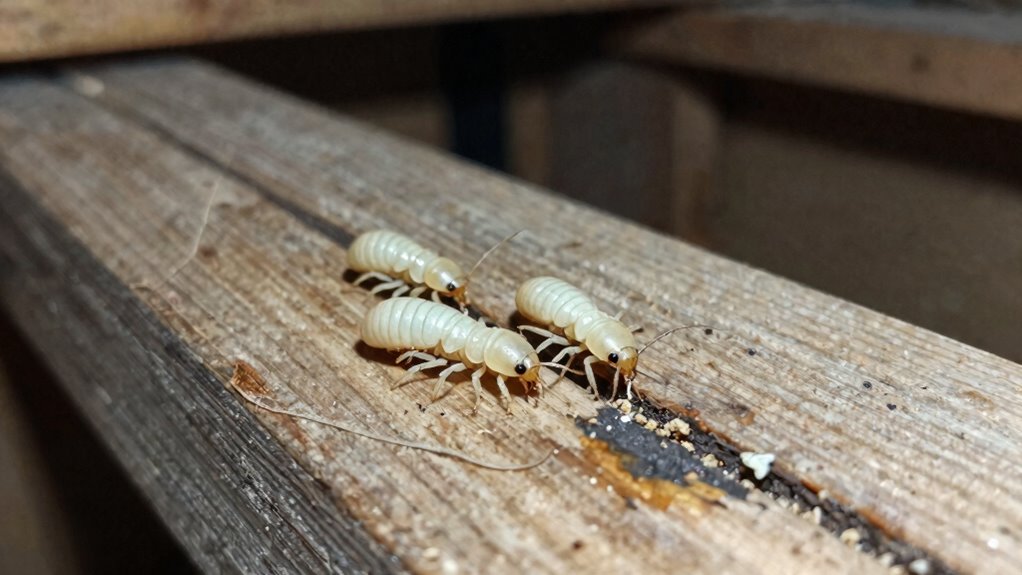
Homeowners insurance almost never covers termite damage, and that is a hard truth you need to hear. Standard policies classify termites as a maintenance problem, not a sudden event like a storm or fire.
Homeowners insurance almost never covers termite damage—standard policies call it a maintenance problem, not a sudden event.
Insurers argue infestations develop slowly over years, which means they see it as a preventable issue. They expect you to notice early warning signs like mud tubes, hollow wood, or sagging floors before serious harm occurs.
The idea is that if you can catch the trouble early, you should take action on your own. That leaves you fully responsible for repair costs, from a few hundred for basic termite treatment to thousands for structural beam replacement.
There is no hidden clause that covers chewed lumber, ruined drywall, or compromised foundations. Instead, focus on termite prevention services and regular pest inspections to protect your investment.
Bottom line: do not expect a payout, even with a strong claim. Check your policy for any rider or endorsement, but assume the repair bill is your own financial burden.
The smartest move is to budget for annual termite control and moisture management. One proactive option is to use ready-to-use granules around your home’s perimeter to create a simple outdoor barrier that helps prevent infestations before they start. Preventing an infestation is far cheaper than disputing a denial or paying out of pocket for major fixes.
Termites Cause Billions in Repairs: Here’s What’s at Risk
Termites silently chew through wood, support beams, and even metal, leading to thousands in structural damage every year.
The National Pest Management Association reports that the total annual repair bill hits $5 billion, a cost that falls directly on homeowners, not their insurance policies.
For most families, that means paying out-of-pocket for new flooring, wall replacements, or footing foundation work.
These termite prevention and repair expenses can easily climb into the thousands, making early pest control treatment a smart investment.
Scheduling a professional termite inspection helps you catch hidden colonies before they cause costly damage.
Taking action today can save you from expensive emergency fixes and keep your home safe from these silent destroyers.
Products like foam sprays expand up to 30 times their original size to reach hidden termites inside walls, providing a targeted treatment option.
Structural Damage Risks
Termites cause an estimated $5 billion in property damage every year, according to the National Pest Management Association. That staggering figure reflects more than just cosmetic wear; it represents the structural skeleton of your home being quietly consumed from within.
Load bearing walls can turn hollow as termites tunnel through the wood, which raises a serious risk of partial collapse if enough material is eaten away. Floor joists and ceiling beams weaken over time, leading to sagging floors and doors that suddenly jam shut without explanation.
Subflooring damage makes your footing feel unstable, so rooms may develop a spongy sensation underfoot that signals hidden termite activity. Attic rafters and roof sheathing can fail too, meaning a minor leak can escalate into a full structural emergency if termites have already compromised the wood.
These pests work slowly and patiently, chewing through the bones of your house while everyone sleeps. The real danger is that you won’t notice until a wall starts bowing or a floor gives way, and then the repair bill shifts from simple wood replacement to heavy machinery and professional foundation repair.
To avoid that costly nightmare, schedule a yearly termite inspection with a licensed pest control service. Early detection through routine termite prevention is your best defense against structural damage repair, so don’t wait for visible signs like sagging doorframes or cracked drywall.
If you’re buying or selling a home, ask for a termite damage assessment before closing, since buyer intent often focuses on hidden structural issues. Proactive termite treatment plans, including bait systems or soil barriers, can stop colony expansion before they reach your load bearing walls and floor joists.
Check your foundation annually, especially around crawl spaces and pier-and-beam areas where moisture attracts these destructive insects. A simple visual sweep for mud tubes, discarded wings, or frass can save you from a future structural collapse risk that no homeowner wants to face.
Remember that termite damage is not covered by standard homeowners insurance, so your best investment is ongoing pest control for termites. By acting early, you protect both your home’s integrity and its resale value, ensuring that floors stay level and walls remain solid for years to come. Installing bait stations around your foundation can provide effective long-term monitoring to catch termite activity before it reaches your home’s structure.
Financial Repair Burdens
A single colony can chew through thousands of dollars in framing lumber before you ever notice a single sagging floorboard. The final tab often lands in the five-figure range, and since insurance won’t pay, these are pure out of pocket costs.
No coverage, no deductible, just your wallet facing the full hit. For termite damage repair, you’re looking at minor framing fixes from $1,200 to $2,500, which take one to two weeks.
Moderate structural work runs $5,000 to $10,000, spanning two to four weeks, while a full foundation replacement costs $12,000 to $30,000 and can take one to three months.
Your repair budget limits get tested fast when termites have been feasting for years, so plan for pest control inspections that catch colonies early. Most homeowners scrape by on credit or personal loans, because that’s the reality when you need urgent termite treatment and structural fixes.
Annual termite inspections are your best defense, and acting on early signs of termite damage keeps costs manageable. Treat quickly with a licensed exterminator, and budget for the worst case scenario, because watching your floorboards sag while your savings vanish is far worse.
A proactive termite protection plan is cheaper than emergency repairs, and it gives you peace of mind for your home’s value. If you’re already facing sagging floors, get a structural pest inspection quote immediately to stop further wood destruction.
Don’t wait for visible damage, because by then the colony has likely caused thousands in hidden harm. Schedule a termite risk assessment today and compare pest control service prices before the problem escalates. Moisture monitors alone cannot detect existing termite activity.
Hidden for Years: The Slow Timeline That Justifies Insurance Denials
Termites work so slowly that most insurance policies classify their damage as maintenance neglect. These tiny pests can eat through about one foot of wood every six months without leaving a single visible clue.
Termites can eat a foot of wood in six months, leaving no visible clues.
By year two, the structural beams in your home may already be compromised. A typical homeowner won’t notice anything wrong until year four, when floors start to sag or walls sound hollow. That is far too late for insurance to step in.
The National Pest Management Association found that 60 percent of termite infestations go undetected until year six. This makes it almost impossible to file a valid “sudden event” claim with your insurer.
Policies demand proof of a single accidental occurrence, but termites operate drip by drip, year after year. Think of them like a slow leak that never stops. For serious wood-destroying pest issues, a pumice and plant oils powder can eliminate all life stages without harsh chemicals.
Catch the problem early with a professional termite inspection. Otherwise, you will have to pay for the damage yourself.
Spot the Warning Signs: 5 Visual Clues of Termites in Your Home
Two visual clues often betray termites before serious damage sets in.
Mud tubes, pencil thin tunnels on foundation walls, are their highways. If you see them, the colony is already commuting.
Hollow sounding wood, which thuds like an empty cardboard box when tapped, means the inside has been eaten away. This leaves only a thin shell, a clear sign you need professional pest control.
Catching these termite warning signs early can save you from costly home repairs. Contact a local exterminator for a thorough inspection today.
Mud Tubes on Walls
Mud tubes on walls are one of the clearest signs that termites have moved in uninvited. These narrow, pencil sized tunnels are built from soil, saliva, and wood particles. They serve as protected highways for termites to travel between their colony and food source. Spotting mud tubes early is key for effective termite control. To prevent future infestations, you might consider applying a borate-based sealant that penetrates deep to kill termites on contact.
These tubes often appear along foundation walls, basement joists, or interior walls near moisture rich areas. High wall moisture levels directly attract termite activity, so keeping areas dry helps with pest prevention.
Tubes protect termites from predators and drying out during travel. You can break them open easily to check for active, pale worker termites inside.
Tubes usually show up on walls facing the soil, especially near crawlspaces or plumbing leaks. Professional pest inspectors use flashlights and a careful eye to find these hidden highways.
If you spot one, do not panic. Schedule a professional termite inspection immediately to stop an infestation.
Hollow-Sounding Wood
Hollow-sounding wood is a clear red flag that termites have been feeding where they should not be.
Tapping for signs is easy: grab a screwdriver, knock on baseboards or window frames, and listen for a drum-like echo.
Solid wood gives a firm thud, while hollow wood rings out like a cheap ukulele, since termites eat wood from the inside out and leave only a thin shell.
This silent, costly excavation is often overlooked, but remember that standard homeowners insurance won’t cover termite damage because it’s gradual neglect, not a sudden event.
For example, replacing a single infested beam can run you $200 to $500, so early termite inspection is your best defense.
Don’t wait for visible signs; set a monthly reminder to tap your walls, trim, and door frames.
If you hear that hollow sound, call a licensed pest control professional for a thorough termite treatment quote.
Your wallet will thank you after the out-of-pocket repair bill, so proactive termite prevention is always cheaper than the fix.
A quick tap test takes less than five minutes and can save thousands in structural repairs.
Book a termite inspection today if you suspect any hollow areas, because ignoring the sound only lets the colony grow.
Pair your tapping with visual checks for mud tubes or frass near the foundation for a complete home pest assessment.
Act fast on any drum-like noise, and you’ll stop the damage before it spreads to load-bearing walls.
What If Termites Chew Wiring and Start a Fire? Coverage Holds
There is a narrow, almost ironic loophole where termite damage might actually trigger a payout. If those little munchers chew through your electrical wiring and start a fire, the fire damage itself could be covered under your policy’s fire coverage.
The key is the fire, not the termites. Insurance sees fire as a sudden, accidental event, even if termites caused it. Be prepared for cost disputes. Insurers may argue the fire was preventable if you ignored signs of termite infestation.
Fire coverage only applies to the flames, not the chewed wiring or drywall. Cost disputes often arise over whether the fire was “foreseeable” or a true accident. The policy’s “anti-concurrent causation” clause may deny the claim if termites are found.
A claim adjuster will likely inspect for pre-existing termite damage. Honesty is key when reporting pest control issues. Applying copper tape barriers around wiring and entry points may help demonstrate that you took proper pest prevention steps. Bottom line: hope the fire’s big enough to justify the fight. But don’t count on a payout without proving you took proper termite prevention steps.
Found Termites During a Home Inspection? Renegotiate Now
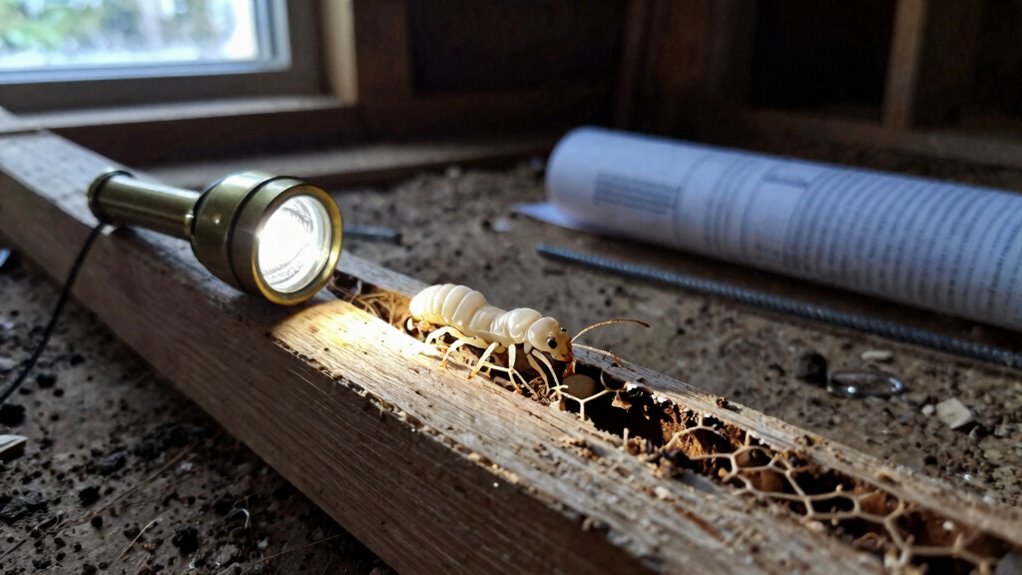
Out of the frying pan of fire coverage and into the fire of real estate negotiations. Finding termites during a home inspection gives a buyer serious leverage for price negotiation.
Termite damage is not covered by insurance, so the seller is stuck with the problem. A buyer can request seller concessions, like a $2,000 treatment credit or half off the repair bill.
The seller likely wants to close fast, not fight bugs. This hands you the negotiating power to ask for a professional fumigation before closing.
You can also request a reduced price to cover future termite control costs. Use the inspection report as your bargaining chip for pest damage repairs.
Push the seller to pay for remediation or knock the price down. It feels awkward, but it is fair to demand a clear resolution before signing papers.
Consider asking the seller to apply bait products containing spinosad for colony elimination, as they are ideal for mound treatment and work best when applied during early morning or late afternoon.
Prevent Infestations and Avoid the Insurance Denial Trap
Since termite damage is almost never covered by insurance, the only real defense is prevention. Think of it as the homeowner’s own pest‑proof fortress with a little effort now saving thousands later.
Preventive landscaping keeps soil and mulch at least 18 inches from wood siding. This blocks termite highways before they reach your home.
Seal foundation cracks and fix leaky pipes without delay. Termites love dampness just like a kid loves candy, so moisture control is key.
Regular professional termite inspections cost only one to three hundred dollars yearly. That is far less than a five thousand dollar repair bill for structural damage.
Check your insurance policy riders for limited sudden damage coverage. But do not bet on it because most policies exclude wood destroying insects entirely.
Stop termites before they start since insurance will not bail you out. It is cheaper, smarter, and saves your sanity with proactive pest prevention. Apply effective perimeter pest control granules around your home’s foundation to create a lasting barrier against crawling insects and soil-dwelling larvae.
Suspect Termites? Immediate Steps to Protect Your Home
Suspecting termites can feel like finding a leak in a boat. Panic is natural, but action is what saves the day.
First, call a licensed pest control pro for preventive inspections. They cost around 75 to 150 dollars and spot trouble before it destroys your wallet.
Call a licensed pro for preventive inspections—$75 to $150 can save your wallet from termite trouble.
Do not attempt DIY fixes. Termites laugh at storebought sprays and baits.
Next, check your home purchase papers for seller disclosures. If previous owners hid a known infestation, you may have legal grounds for recourse.
Meanwhile, look for mud tubes, hollow sounding wood, or tiny wings near windows. These are common termite signs that require immediate attention.
Then, budget for repair costs yourself because insurance won’t pay. One dad joke? Termites are the only roommates who eat the rent.
Bottom line, act fast, hire an expert from a reputable pest control company, and review those seller disclosures. Your home’s foundation and structural integrity depend on it.
Frequently Asked Questions
Does My Policy Cover Termite Damage if I Have a Rider?
Even with a rider, coverage for termite damage is still extremely unlikely. Most policy endorsements explicitly exclude pests, treating them as maintenance issues, not sudden events.
A rider might add coverage for a different peril, like fire from chewed wiring. But the termites themselves? Nope.
Check your declaration page; you will probably find “pest exclusions” in bold. Budget for professional termite treatment yourself; insurance won’t save you from those tiny, wood munching freeloaders.
If you want protection, focus on preventive pest control solutions and regular inspections. Look for a local exterminator who offers a damage warranty with their termite baiting system.
That way, you cover the cost of retreatment if the colony returns. For the best outcome, buy a comprehensive termite plan before any infestation starts.
Can Termite Damage Be Claimed as a Theft or Vandalism Loss?
No, termite damage cannot be claimed as a theft or vandalism loss. Theft requires someone taking property, while vandalism needs intentional destruction.
Termites don’t plan heists. They just eat slowly over a long period.
The infestation timeline, three to eight years of munching, and hidden damage behind walls or under floors make it gradual, not sudden.
Insurers classify this as a maintenance fail, not a crime. Treat it like a root canal: fix it yourself with professional pest control.
There is no insurance claim possible for termite damage. You need a proactive termite treatment plan instead.
Schedule a termite inspection today to catch hidden colonies before they cause structural damage. A licensed exterminator can assess whether you need liquid termiticides or bait stations.
For active infestations, consider a wood repair and fumigation package. That stops the eating and fixes the damage.
The bottom line? Investing in regular pest control products and prevention is cheaper than waiting for insurance to pay out. Protect your home with annual inspections and moisture control around the foundation.
Does a Home Warranty Ever Cover Termite Damage?
No, a home warranty almost never covers termite damage. These plans are built for mechanical breakdowns, not pest control or living creatures.
A busted oven or leaky water heater is covered, but termite infestations and wood rot are strictly excluded. Warranty exclusions for pests and structural damage are universal, so don’t waste your money hoping for help.
A typical plan costs $500 to $600 per year but covers zero damage from termites or other wood destroying organisms. The structural damage debate is irrelevant here, because warranties sidestep it completely.
For termite protection, skip the warranty and invest in a professional inspection for $300 to $500. That is the only practical bet that actually pays off, especially if you are buying a home or worried about hidden colonies.
If you see mud tubes, hollow wood, or frass (termite droppings), call a licensed pest control expert immediately. A proactive inspection can save you thousands in costly repairs compared to ignoring the problem.
For the smartest purchase, pair that annual inspection with a liquid soil treatment or bait station installation from a reputable brand. This gives you real protection against future termite activity without relying on a useless home warranty.
Will My Insurance Cover Termite Repairs if the House Is Unoccupied?
Budget for repairs yourself, since insurance almost never covers termite damage. A professional inspection costs around $100 to $300, but fixing support beams can run $2,000 to $5,000.
Prevention is cheaper than the punchline, and proactive termite control is your smartest investment. Insurers expect you to catch infestations early, whether you’re home or not.
No coverage exists for gradual damage from pests like termites, carpenter ants, or wood-boring beetles. Your homeowner’s policy only handles sudden events, such as fire or storm collapse, not silent structural decay.
If the house is unoccupied, that doesn’t change the exclusion, but it does raise risk. Empty homes often hide moisture issues, which attract subterranean termites and drywood termites faster.
You should schedule a yearly termite inspection and invest in a liquid soil barrier or bait station system. Compare local pest control quotes, and ask for a termite warranty that covers retreatments.
For peace of mind, look into a home warranty or a separate termite bond from a licensed exterminator. That way, future wood damage repair costs stay on them, not on you.
Act quickly if you see mud tubes, frass, or hollow-sounding wood. Early detection saves thousands, and a good pest control product can stop the colony before it spreads.
Are There Any States Where Termite Damage Is Mandatory Coverage?
No state currently requires termite coverage in standard homeowners insurance policies. State mandates typically focus on wind, fire, or hail damage, not wood destroying insects.
Legal exceptions only apply if termites cause a covered event, like chewing through wires and sparking a fire. But those filing gaps leave you responsible for slow, hidden damage that insurers treat as a maintenance issue.
The prevention incentives are clear: pay for termite inspections yourself. Termite damage is a homeowner’s problem, not an insurance one, so budget for repairs upfront.
If you want to protect your property, consider purchasing a separate termite protection plan or warranty. Many pest control companies offer affordable annual inspection and treatment contracts that cover re treatment costs.
Searching for “termite coverage options near me” can connect you with local exterminators who provide these preventive services. Smart buyers know that a proactive pest control investment now saves thousands in structural repair bills later.


