
How to Keep Ticks Off Dogs is a year-round job, not just a summer chore. Milder winters mean ticks stay active, so skipping a monthly dose is a gamble.
Options include fast-acting chews, topicals, or long-lasting collars, each with trade-offs like price or cat safety. Pair a preventive with a quick ear-and-toe check after walks.
The bottom line: choose one proven product and stick to it. Keep reading to master the nuances that make the difference between a protected pup and a disaster.
At A Glance
- Use year-round oral prevention starting at eight weeks old, as recommended by experts.
- Perform a 60-second tick check immediately after every walk or outdoor trip.
- Apply topical repellents monthly, ensuring labels are cat-safe to avoid toxicity.
- Use tick collars with two active ingredients and maintain a snug two-finger fit.
- Manage your yard by mowing weekly and creating a three-foot mulch barrier.
Why Year-Round Tick Prevention Matters More Than You Think
Year-round tick prevention is less optional than many owners assume, and the reasons why often catch people off guard. Climate change means milder winters let ticks stay active longer, so September is exactly when many stop treatment.
Seasonal myths like “ticks die in frost” are false; they survive indoors or in leaf litter, ready to latch when temps hit 40°F. That gap in coverage gives ticks a free pass for disease transmission.
Seasonal myths like “ticks die in frost” are false; they survive to latch when temps hit 40°F.
The Companion Animal Parasite Council recommends year-round broad-spectrum control for all dogs, starting at eight weeks old. Don’t trust the calendar, trust the thermometer.
Bottom line: skip no months, or you’re gambling with your dog’s health over a convenience that costs less than vet bills. Using a reliable topical flea and tick product every month ensures full protection against Lyme disease and other parasites, and stainless steel tools are the safest, sterilizable option for removing any ticks that slip through.
Best Oral Tick Prevention: Which One to Pick?
This product works fast after ingestion for quick protection. You won’t need a perfect fit like a collar with topical pest control. Some brands cause picky eater drama so check your dog’s reaction. Buyer intent should focus on flea and tick prevention your dog actually eats. Confirm your choice with your vet before starting any oral treatment. Do not skip winter doses because ticks do not take holidays. For indoor environments, plant-based sprays with essential oils can kill bugs on contact as a safe alternative.
Topical Tick Repellents: When to Use Them
If your dog hides pills under the bowl, topical tick repellents are the reliable backup. They work well for dogs that swim often or get weekly baths since the formula stays put.
Always check the label for cat toxicity because permethrin can be lethal to felines. Keep treated dogs away from cats for a full 24 hours after application.
Apply the product directly to the skin by parting the fur at the shoulder blades. Be careful to avoid the eyes and mouth during application.
Expect to reapply monthly, with each dose costing roughly $15 to $25. These pest control solutions kill ticks on contact before they bite. For a gentler alternative, natural essential oils are safe for pets and kids.
For a picky eater who lives without cats, this is a solid, simple choice. Choose this route when oral pills fail, but always vet the ingredients first for safety.
Are Tick Collars Like Seresto Worth the Investment?
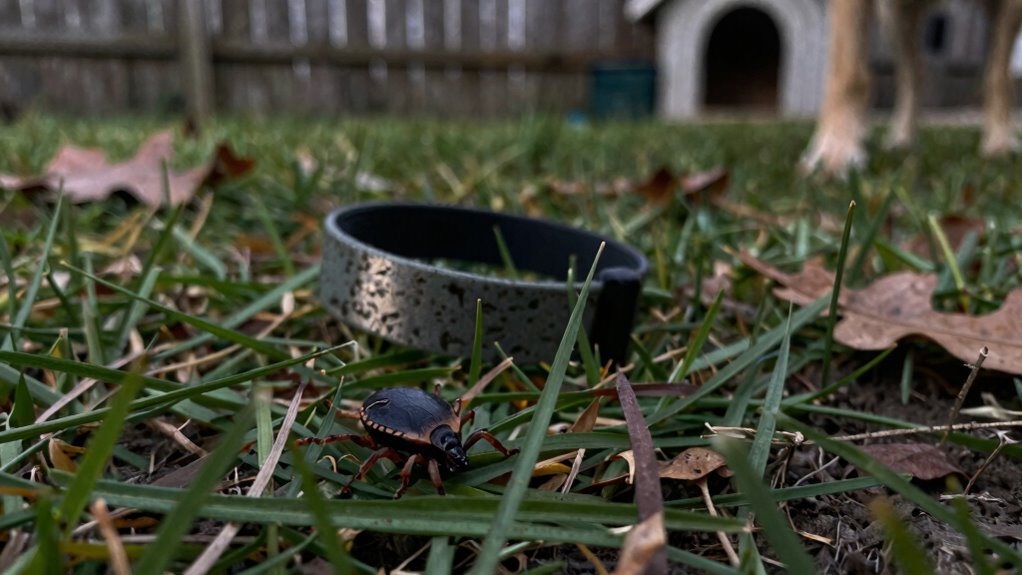
Are tick collars like Seresto worth the investment? For many pet owners, the answer is yes because they provide up to eight months of protection for roughly $60 to $80. This often works out cheaper than buying monthly topical treatments or pest control spot-ons.
These collars slowly release two active ingredients that kill adult ticks on contact and disrupt their nervous system before disease transmission. They are effective against multiple tick species at once, which makes them a solid flea and tick prevention choice. Protection against deer ticks, responsible for more severe diseases like Lyme and Anaplasmosis, is a notable advantage of these collars.
That extended protection cuts down on remembering monthly doses. Just ensure a proper fit with direct skin contact, or a loose collar becomes an expensive necklace for your dog.
Protection Duration & Cost
- Duration: Seresto claims 8 months of protection, but real-world efficacy drops around month 6 for many dogs.
- Cost per month: About $9 for Seresto, versus $15–$25 for most oral tablets.
- Water exposure: Swimming or bathing every two weeks can shorten collar life.
- The catch: If your dog chews at it, or it doesn’t fit snugly, you’re just buying a fancy necklace.
Bottom line: great for low-swim, low-chew dogs on a budget.
For everyone else, oral meds might sting less in the long run.
Contact-based collars reduce ingestion risk compared to spot-on treatments, but they still require a snug two-finger gap fit to work properly.
Tick-Killing Mechanism Explained
Oral isoxazolines need a tick to bite and feed before the drug works. Tick collars like Seresto release a continuous vapor that repels and kills ticks on contact.
That means no waiting for the tick to snack on your dog’s blood. The isoxazoline metabolism, which breaks down oral pills in the liver, is not at play with collars.
This avoids the rare neurological side effects some dogs experience from systemic drugs. Collars offer topical, localized protection.
It works like a force field rather than a poisoned meal. It is worth it if you are nervous about internal meds or your dog swims a lot.
Just guarantee a snug fit for full contact and optimal pest control. The bottom line is that collars prevent bites, while pills kill after bites.
Similar to how tick collars function, treated clothing and gear use permethrin to repel and kill ticks on contact without requiring a bite.
Efficacy Against Multiple Ticks
This collar kills deer ticks, lone star ticks, and brown dog ticks. It repels pests before attachment to lower disease transmission risk compared to contact-only topicals.
It lasts eight months for $60 to $70, making it cheaper than monthly pest control products over a season. For best results, pair it with daily tick checks since no collar offers perfect protection.
The bottom line is that a quality collar is a solid investment for most dogs. But do not skip the post-walk fingertip patrol for added safety.
Treated clothes provide protection that lasts up to six wash cycles before reapplication is needed.
The New Tick Shot: What’s the Catch?
The new tick shot costs around $200 per dose and covers up to six months for some species. Its safety profile looks good on paper, but real world data is still thin.
No chews, no topicals, and no forgetting a dose. Efficacy varies by tick type, working faster against deer ticks than lone star ticks.
You need a vet visit for this injection, there is no DIY option. Think of it as a convenience upgrade, not a miracle cure for pest control.
It pairs well with regular tick checks but does not replace them. For owners who hate monthly reminders, this topical alternative is tempting. Spray-on clothing treatments like Sawyer’s permethrin spray can reduce tick bite risk by over 70 percent and last up to six weeks, offering a separate protection layer for you and your gear.
For anyone budget conscious, the price stings a bit. The bottom line is it works, but wait for longer track records before committing to a purchase.
Do a 60-Second Tick Check After Every Walk
The best time to check your dog for ticks is right after a walk, when the little freeloaders haven’t had time to settle in.
Common hiding spots include ears, armpits, and between toes. These are places where ticks think they’re sneaky.
For proper removal, grab fine-tipped tweezers and pull straight up with steady pressure. Skip the folk remedies. They just make ticks cling harder.
A quick pest control check after every walk supports effective flea and tick prevention. If you want reliable tick removal tools, look for fine-point tweezers designed for pest removal and consider kits with stainless steel tools that ensure durability and rust resistance.
Best Time to Check
Every walk, even a quick trip to the backyard, ends with a sixty second tick check. The best time to check is immediately after returning indoors, before ticks crawl from fur to furniture.
Timing matters because ticks are most active during pre dawn walks and post sunset checks. Cooler temperatures and dew keep grass damp, so a quick check right after these times catches ticks before they find a bite spot.
Pre dawn walks hide ticks that cling to dogs before owners notice. Check before setting down the coffee for effective pest control.
Post sunset checks need a quick run of fingers over the coat. Evening romps often hide ticks in dark fur.
After rain or damp grass, humidity wakes ticks. A check here prevents hitchhikers from settling in, which is a smart pest prevention strategy.
Before indoor downtime, inspect your dog thoroughly. Letting ticks inside means they spread to floors, beds, and humans, so don’t skip this step.
Bottom line: check within sixty seconds of every outdoor trip. This keeps your home and family safe, especially during prime tick hours.
Using permethrin-treated clothing or gear on yourself during walks can provide additional long-lasting protection against ticks, mosquitoes, and other pests.
Common Hiding Spots
Ticks have a playbook for where they hide, and it’s not exactly creative, just sneaky. A 60-second check after every walk targets their favorite real estate.
Run fingers slowly over the whole body, paying special attention to warm, tucked-away zones. The ear flaps are a prime spot, since ticks love the thin skin and shade there.
The armpits, where the front legs meet the chest, also rank high on their list, offering protection from scratching. Other common hiding spots include between toes, under the collar, near the lips, and around the groin or tail base.
On dark or thick coats, these pests vanish fast. So, check slowly and methodically, feeling for any tiny bumps or scabs.
That quick routine of pest control beats a tick-borne disease any day, trust me. For the best flea and tick prevention, add a topical treatment to your grooming plan, and consider a plant-based spray that is safe for dogs and cats when used as directed.
Proper Removal Technique
A tick firmly attached to your dog is not a decoration or a medical marvel. It is a problem that requires steady hands and zero creativity.
You do not get to improvise. Start by understanding tick anatomy: the mouthparts embed into skin, so yanking sideways leaves them behind.
Clean removal tools matter. Fine-tipped tweezers or a specialized tick hook, sold at pet stores for around five dollars, work best.
Grasp the tick as close to the skin as possible. Avoid grabbing its bloated body.
Pull upward with steady, even pressure. Do not twist or jerk.
After removal, clean the bite area with rubbing alcohol or soap and water. Dispose of the tick in a sealed container or flush it.
Do not crush it with bare fingers. Forget folk remedies like heat or petroleum jelly.
They make ticks vomit bacteria into your dog. That is the only creative result you do not want.
For added protection, consider using a tightly woven fabric barrier, similar to those in anti-mite pillow protectors, to prevent ticks from latching onto your dog’s bedding.
Removing a Tick the Right Way (No Folk Remedies)
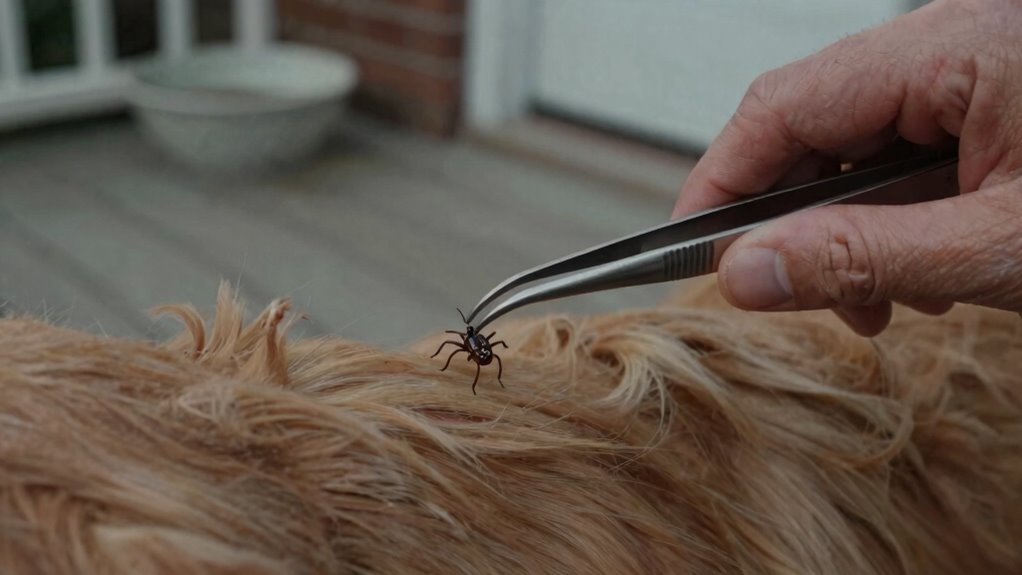
Proper tick removal is surprisingly simple with no matches or petroleum jelly needed. Just use steady hands and fine-tipped tweezers for safe pest control at home.
Grasp the tick as close to the skin as possible, targeting the mouthparts where the tick meets your dog. Pull upward with steady pressure to avoid leaving the head embedded and raising infection risk.
Clean the bite area with soap and water after removal. Then seal the tick in a container or rubbing alcohol for disposal.
Folk remedies keep the tick attached longer and increase infection risk. This method works on any size tick, from tiny nymphs to engorged adults.
No special tools are needed, just clean tweezers and a calm hand. Steady pressure beats old wives’ tales every time for effective tick removal. For ongoing yard protection, consider using a permethrin yard spray to create a lasting barrier against ticks.
Tick-Borne Illnesses Every Owner Should Know
Ehrlichiosis attacks white blood cells and causes bleeding issues. Anaplasmosis mimics Lyme disease but often hits harder and faster.
Babesiosis destroys red blood cells and can lead to anemia. Rocky Mountain spotted fever brings sudden fever and swelling, and can be fatal.
Most infected dogs show zero symptoms for months. That is the cruel trick, and why public awareness beats panic.
If ticks are a risk in your area, test yearly and use a reliable topical treatment. Prevention is cheaper than treatment and infinitely less stressful for you and your pet. For broad-spectrum protection against ticks, look for products with permethrin, which also repels mosquitoes and other biting pests.
Manage Your Yard to Reduce Tick Pressure Naturally
Skip the foggers. They kill beneficial bugs along with the pests.
Mow your lawn weekly and clear away brush and leaf piles. Keep bird feeders far from your house because seed attracts rodents that carry ticks.
A simple three foot border of mulch is cheap, easy, and surprisingly effective. You cannot treat the whole neighborhood, but you can create a tick free zone in your yard.
This is a dirt cheap, no chemical solution. Your dog’s ears will thank you.
For additional coverage, consider sprinkling non-toxic natural granules around the yard to disrupt tick sensory systems without harsh chemicals.
Why Flea and Tick Prevention Are a Single Job
Flea and tick prevention is one job, not two. Many owners treat them separately, but that’s like brushing only half your dog’s teeth.
Both pests threaten your dog year-round, and leaving a gap in either invites trouble. Here’s why combining them works better for your flea and tick control routine.
Integrated timing matters because fleas and ticks share overlapping seasons. Treating both at once guarantees no window of exposure for your pet.
Integrated timing matters because treating both fleas and ticks at once eliminates any window of exposure.
Products now combine protection in a single dose. Most preventives handle both pests, saving you from juggling separate schedules and treatments.
Cross species safety is critical for multi-pet households. Some tick-only meds harm cats or other animals, while combo preventives often account for this risk.
Price and compliance improve when you buy one product. You are less likely to forget a dose or overspend on separate solutions.
Bottom line, keep it simple with a single topical or oral product. Use one proven preventive that covers both, and you will avoid split-second regrets. Many natural cedar oil sprays break the flea and tick lifecycle by targeting eggs, larvae, and adults without harsh chemicals.
Annual Bloodwork: How Often to Test for Tick Diseases?
Annual bloodwork for tick diseases is a once-a-year routine, not a monthly obsession. The Companion Animal Parasite Council recommends an annual testing schedule, often paired with the heartworm blood draw.
This bloodwork frequency catches hidden infections, as many dogs show no signs for months or even years. It can prevent permanent damage to kidneys or joints.
A simple test costs around $40 to $80, checking for Lyme, ehrlichiosis, anaplasmosis, and sometimes babesiosis. If results come back positive, treatment exists, but early detection spares your dog from the really nasty stuff.
Think of it as a snooze button you press once per year. Hit it too late, and the alarm is a vet bill you wish you’d avoided.
Bottom line: mark your calendar for that yearly screen. It’s cheap insurance with zero effort beyond a quick visit.
Using topical flea and tick prevention alongside this testing keeps parasites from winning the silent game. Purchasing a reliable pest control product for dogs helps you stay ahead of hidden infections.
Combining Products and Daily Checks for Double Protection
No single product catches every tick before it bites. Pairing a preventive with a daily manual check creates a genuine safety net for your pet.
No single product catches every tick before it bites—pair a preventive with daily manual checks for a real safety net.
The product handles most ticks while your fingers catch the stubborn ones that slip through. This combo works better than either alone, plain and simple.
Product rotation, swapping between an oral and a topical every few months, reduces resistance or gaps in coverage. Stick with vet-approved options and don’t get fancy.
Check armpits, ears, and between toes daily, even on short walks. Use fine-tipped tweezers for removal, never matches or Vaseline.
Keep a tick log to spot patterns in exposure hotspots. Reapply or dose on schedule, never skipping a month.
Daily checks plus a reliable preventive beat any single miracle cure. This double protection costs you about five minutes a day for peace of mind and pest control that lasts.
Frequently Asked Questions
Can I Use Essential Oils Instead of Vet-Approved Tick Prevention?
No, essential oils are not a safe replacement for vet approved tick prevention.
DIY repellent recipes lack the proven efficacy and safety data that regulated pest control products provide.
Carrier oil safety is a real concern, as improper dilution can cause skin irritation or toxicity.
Although some oils may deter ticks briefly, they don’t reliably kill or prevent attachment, leaving your dog vulnerable to disease.
For effective tick control, stick with products tested to work rather than a kitchen counter pharmacy.
Choose a vet recommended spot on treatment or oral chew to ensure long lasting protection and peace of mind.
Do Indoor-Only Dogs Really Need Year-Round Tick Protection?
Indoor only dogs face real, not hypothetical, tick risk. An uninvited tick hitches a ride on a human or another pet, then settles in.
Climate change extends active seasons, making off season a myth. Fleas and ticks survive indoors year round in carpets, bedding, and baseboards.
One gap in prevention lets a tick attach and transmit disease. Skip the gamble with indoor flea and tick treatment.
Year round protection costs about $10 to $20 monthly versus hundreds in vet bills. For effective pest control for dogs, treat indoors like outdoors.
Investing in ongoing tick prevention for dogs is the smart buy. Look for oral chews, topical drops, or collars labeled for indoor pets.
You want to prevent infestations in your couch and carpet. Choose the best tick prevention for indoor dogs to keep your home safe.
How Long After a Tick Bite Does Disease Transmission Begin?
For Lyme disease, transmission typically begins 36 to 48 hours after a tick bite. That is not a hard rule, though.
Some tick borne diseases move faster, in just hours. That is why professional tick removal requires immediate action.
Don’t wait, don’t panic, just grab fine tipped tweezers and pull steadily. Folk methods like petroleum jelly keep the tick attached longer, which you do not want.
If you need a reliable tick control product for your yard, check our pest prevention kits online. Many homeowners searching for “how to prevent ticks” turn to yard sprays and barrier treatments for long term protection.
See a tick, remove it now. No dilly dallying, and consider a professional pest control service if ticks keep returning to your property.
What Should I Do if I Find a Tick Crawling on My Dog but Not Attached?
A crawling tick that hasn’t attached is a lucky break. There is no disease risk yet, so quick response time matters.
Use fine tweezers or a tick removal tool to pick it off the skin. Guarantee immediate disposal by sealing it in tape or dropping it in alcohol.
Check common tick inspection spots like ears, armpits, and toes for any others. This two minute check beats a vet bill and keeps your pest control routine simple.
Think of it as a free unwelcome hitchhiker, not a houseguest. Grab it, squish it, or seal it, then move on with no harm done.
For the best pest control products, consider buying a dedicated tick removal key or spray. A fast action today prevents a bigger problem tomorrow.
Can Tick Prevention Products Be Used on Pregnant or Nursing Dogs?
The answer depends on the product, but usually it is safe with vet consultation. Many flea and tick treatments lack specific safety studies for pregnant or nursing dogs.
Oral isoxazolines may be acceptable, but topical permethrin is a definite no near puppies. A veterinarian can weigh the tick threat against any potential risks.
Skipping prevention could leave a pregnant dog exposed to Lyme disease, which is far worse. So check the label carefully, ask your vet, and never guess about safety.
Safety studies matter a lot here, and a quick call saves big headaches. When shopping for tick prevention, look for products labeled safe for breeding dogs.
Always choose a trusted brand and read buyer reviews for real world experiences. For nursing mothers, stick with vet recommended spot on treatments or oral chewables.
Avoid any pyrethrin based sprays or powders around newborn pups. Your vet can recommend the best spot on treatment or oral flea and tick tablet for the whole season.


