
Does picaridin repel ticks? Yes—and it does the job without the plastic-melting smell or sticky feel of DEET. Twenty percent formulas from Sawyer or Natrapel reliably block ticks for four to six hours, sometimes up to twelve, by scrambling their sensory signals instead of killing them.
That means you can spray socks, pant legs, and shoes before a day hike, reapply after sweating, and trust it’s safe enough for kids. Cost runs $8 to $12 a bottle, making it a smart buy for quick outdoor protection.
But there’s more nuance worth unpacking—like how long it truly lasts in humid conditions or which brands hold up best. Keep reading to get the full breakdown on using picaridin for tick prevention.
At A Glance
- 20% picaridin pump sprays repel ticks for several hours, per EPA and Consumer Reports.
- Picaridin does not kill ticks; it disrupts their sensory hairs to deter bites.
- 20% picaridin provides up to 12 hours of protection against mosquitoes and ticks.
- Picaridin is odorless, non-greasy, safe for children one year and older.
- 20% concentration outperforms 10% formulas for reliable tick defense.
Does Picaridin Repel Ticks? The Evidence
Yes, picaridin does repel ticks effectively. The U.S. EPA and Consumer Reports confirm that 20% Sawyer Picaridin pump spray offers several hours of tick protection.
Despite popular misconceptions, it is not a kill on contact poison. Its job is to annoy ticks into leaving the skin.
But ingredient limitations matter for pest control success. A 10% product might work fine for mosquitoes yet fizzle against a determined tick.
Always check labels because manufacturer durations vary. One tester joked that picaridin makes ticks reconsider their life choices.
Generally, it is a solid, stink free option for bug repellent. The price falls around $8 to $12 per bottle for most buyers.
Do not expect it to outlast DEET in marathon outings. For most day hikes, this is a reliable and safe choice for tick prevention. It is proven effective against ticks transmitting Lyme disease and tick-borne encephalitis.
How Picaridin Works on Ticks (Same Trick as Mosquitoes)
Picaridin uses the same trick on ticks that it does on mosquitoes. It does not kill them. It just messes with their heads.
Ticks detect picaridin through sensory hairs. The chemical triggers pheromone masking and behavior modification.
This makes the tick think your skin is not worth biting. In plain terms, picaridin scrambles their “this is a warm meal” signal.
So they wander off confused. That is why Consumer Reports recorded several hours of tick protection from a 20% Sawyer pump spray.
No need to reapply hourly. Just spray clothes and exposed skin with this effective insect repellent.
The tick simply does not recognize you as a host. It is a clever, non-lethal defense.
Bottom line for your tick control needs. If you want ticks to ignore you without poisoning them first, picaridin does the job.
It is already EPA-registered for this purpose. This is a smart choice for buying a reliable tick repellent. A 20% formula keeps bugs at bay for up to 12 hours, offering fewer reapplications during extended outdoor adventures.
Picaridin vs. DEET for Ticks: Which Lasts Longer?
Both tend to put in a solid eight-hour shift against ticks, but the timing differs. Laboratory studies push picaridin’s field longevity toward eight hours, whereas DEET often reaches ten or more in comparative trials. For maximum duration, consider a product with 98.11% DEET offering up to ten hours of protection.
Repellent synergy, like mixing picaridin with permethrin-treated clothes, can stretch overall protection for both active ingredients. For most day trips, picaridin’s eight-hour window works fine for pest control.
If you stay out past sunset, DEET’s extra two hours feel like a gift, or a reminder to reapply. Pick your poison, literally.
Consumer Reports’ Picaridin Tick Test Results
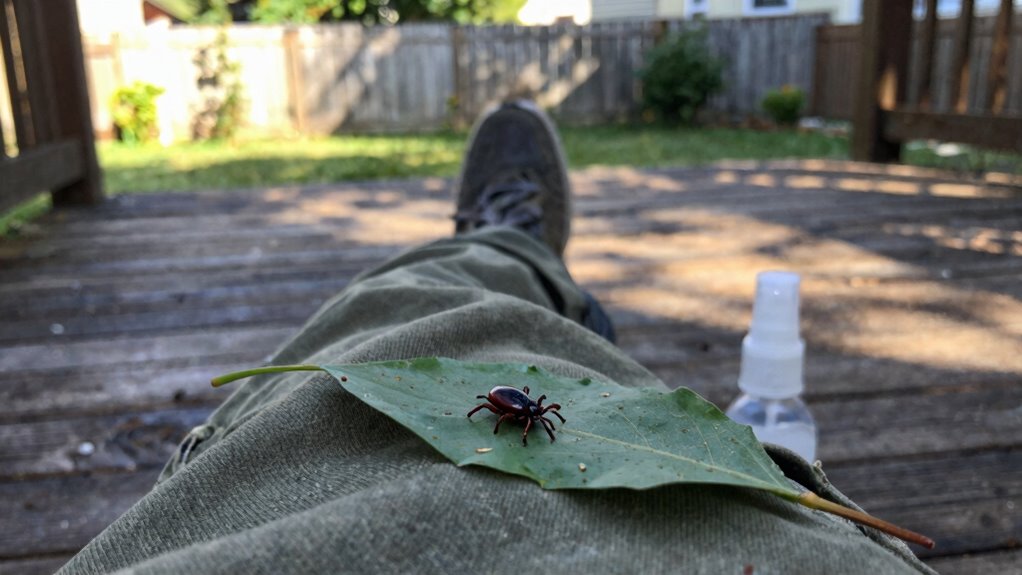
Consumer Reports tested picaridin for tick protection and results were clear.
The 20% picaridin pump spray from Sawyer offers several hours of defense against ticks.
Deet based products typically lasted a bit longer in the tests.
A 20% picaridin product is a solid choice for tick control.
Just do not expect it to outlast the top deet offerings.
For effective pest repellent, this is a practical and friendly option for your outdoor plans.
Picaridin-based repellents like this are odorless and non-greasy, won’t stain clothes, and are safe for children aged one and up.
Tick Protection Duration
In the fight against ticks, time is your biggest challenge and Consumer Reports testing gives clear guidance.
A 20% picaridin formula like Sawyer’s pump spray offers several hours of protection, though deet based repellents often last longer.
This is no surprise since picaridin’s chemical stability works well but doesn’t outperform top tier pest control options.
No synergistic combinations were tested here, just the direct active ingredient.
That is fine because product labels tell you the exact protection window anyway.
Think of picaridin as a decent shift, not an all nighter.
For a quick hike it is golden, but for a full dawn to dusk outdoor romp reapply or choose a longer lasting tick repellent.
Always check the product’s fine print for its stated duration and don’t gamble.
Bottom line: picaridin buys you valuable time, just not indefinite overtime for serious pest control needs.
For example, Consumer Reports’ Picaridin Tick Test results show a 20% formula provides up to 12 hours of protection against ticks.
Comparative Performance
Stepping out from deet’s long lasting reputation, picaridin’s tick repellent performance in Consumer Reports tests shows solid, reliable competence. It works well, but deet and OLE based products simply kept ticks away for longer periods.
For a balanced tick repellent option, picaridin disrupts insect behavior without killing the bug. It simply makes ticks say “Nope” and move on.
Consumer Reports found that Sawyer Picaridin 20% spray provided several hours of protection. That is plenty of time for a hike without needing reapplication.
The product’s EPA registration history confirms you get official performance without deet’s greasy feel. Less drama on your skin means more time on the trail.
Bottom line: This is a strong second place choice for tick control. It won’t leave you smelling like a chemistry lab.
Unlike permethrin, which is highly toxic to aquatic life and must not be used on skin, picaridin is approved for direct human application.
Product Recommendations
The performance data is clear: picaridin works, and for many users, it nearly matches deet in tick repellency, though not quite as long-lasting.
In Consumer Reports’ tick tests, 20% Sawyer Picaridin pump spray held up for several hours, earning its recommendation.
Product formulation matters more than you might think for effective pest control.
Sprays with 20% concentration typically outlast 10% versions, so choose the higher strength for longer outdoor protection.
You will need to reapply more often with lower strengths, which can be a hassle on long trails.
That annoying application frequency means checking the label, since some products specify four-hour tick protection, while others offer six.
For day hikes, the Sawyer 20% pump at $10 for 4 oz is a solid buy for personal tick defense.
If you are heading on a camping trip, the Natrapel 20% aerosol at $8 for 6 oz gives you good coverage per dollar.
Bottom line: picaridin is a reliable tick stopper for your outdoor gear list, it just wants you to remember it.
Apply as directed, reapply after sweating or swimming, and you are golden for your next adventure.
Picaridin outperforms DEET at repelling biting flies and ticks, protecting from diseases like West Nile, Lyme, or Zika.
Best Picaridin Products for Ticks: Concentration and Form
Picking the right picaridin product for ticks mostly comes down to concentration and form, two things that sound boring until a tick decides your ankle looks like a hiking trail.
Critically, higher concentrations like 20% provide longer protection, whereas sprays and wipes cater to different use cases for effective pest control. Picaridin 20% is recognized as FDA-safe by the CDC.
Consumer safety incidents are rare, but follow labels to avoid irritation.
Natural vs synthetic comparisons show picaridin outperforms most plant-based options for tick defense.
20% pump sprays such as Sawyer offer waterproof, hours long tick defense for about $9 per 4 oz bottle.
10% aerosol sprays like Repel cover large areas quickly but reapply sooner, making them a good choice for short hikes at $7.
Impregnated wipes like Ben’s let you target ankles precisely, costing around $6 for 12 individually wrapped wipes.
Bottom line: go with 20% pump spray for serious tick country, and wipes are fine for quick trips.
How to Apply Picaridin So It Stops Ticks
Since ticks are ambush predators that climb upward from grass, proper picaridin application focuses on shoes, socks, and pant legs up to the knee. Spray each pant leg with 20% picaridin, but focus on targeting the lower body rather than total coverage.
You’re hunting ticks where they hunt you, and ticks don’t fly. They quest from vegetation, so spraying your torso only wastes repellant and misses the real risk zones.
The active ingredient, a synthetic design from Bayer’s 1980s work mimicking black pepper’s piperine, works best on clothing. Blast those socks and boot tops, then wait 60 seconds before wearing for a dry, bonded barrier.
Dad joke: ticks don’t appreciate fine pepper notes, but picaridin sends them packing. Reapply after six hours or after wading through dew-heavy grass for long-lasting tick control.
Avoid spraying face or hands, since these areas attract ticks less often and can cause skin irritation. For best results, target the lower third of your body and watch ticks drop off or never climb on.
If you need a reliable tick repellent for hiking or yard work, this clothing-focused method maximizes protection. Buy a 20% picaridin spray and apply it to socks, cuffs, and lower pant legs before heading out. Picaridin is gentler on skin than DEET and does not damage gear.
Is Picaridin Safe on Skin? Safety Data Breakdown
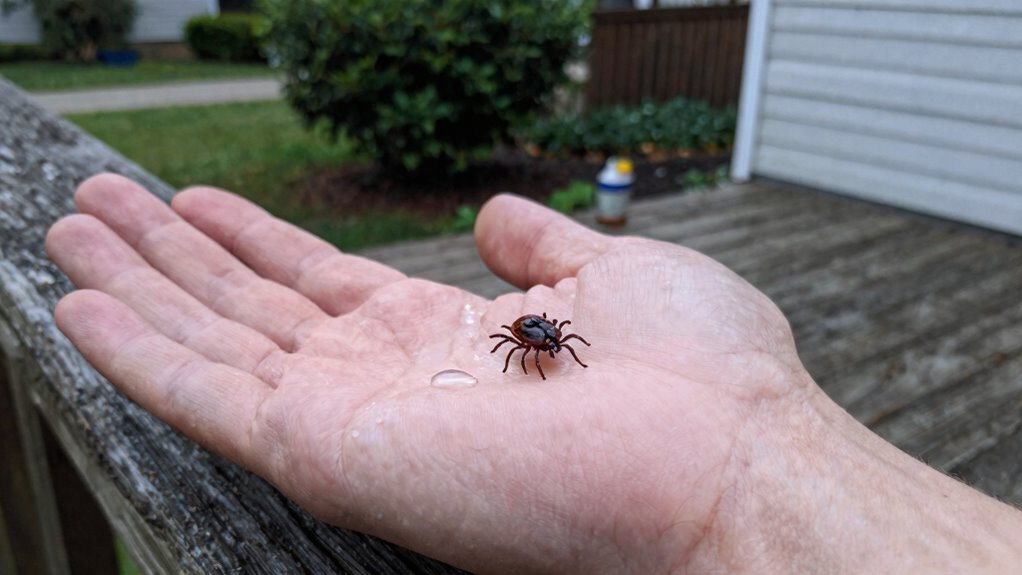
EPA safety data says picaridin is unlikely to cause harm when used on skin as directed. Regulator concerns focus on proper use, not toxicity. Rare skin irritation or eye sting can happen but aren’t dangerous. One allergic reaction case was tied to a 10% product plus an additive, not picaridin alone.
Unexpected reactions are uncommon. Poison Control data show only one hospitalization from picaridin calls over 15 years. No cancer link exists. The EPA classified it “not likely” carcinogenic, based on rat and mouse studies at high doses. Minimal absorption occurs. Less than 6% enters your bloodstream after 8 hours, per human tests. That’s like a single droplet in a swimming pool.
Bottom line: follow label directions, avoid eyes, and you’re fine. It’s not a chemical that’ll haunt your dreams, just the ticks you hate. Scent-free and gear-friendly options like picaridin prevent damage to camouflage and won’t alert game during hunting. For effective pest control, use a topical repellent with picaridin. Buyer intent is key for safe mosquito and tick protection.
How Long Does Picaridin Repel Ticks? Check the Label
Picaridin repels ticks for several hours, but the exact duration depends on the product you choose. A 20% picaridin spray like Sawyer’s often provides at least six hours of tick protection in tests.
Lower concentration formulas such as 10% wipes may need reapplication after two to four hours. Always check the label for the manufacturer’s specified duration because it varies more than a dad’s grilling timeline.
For pest control efficacy, 20% sprays run about $8 to $12 per bottle and last multiple outings. When used as directed, picaridin is typically low toxicity to wildlife. Avoid overspraying into ponds to minimize environmental impact. In short, pick a labeled duration matching your hike length and reapply if you are sweating or swimming.
Why Doctors Recommend Picaridin for Tick Diseases
Doctors recommend picaridin for tick borne disease prevention because it works, it is gentle on skin, and it does not smell like a chemical spill. Picaridin at 20% can guard for up to 12 hours. Tick ecology matters since ticks hide in tall grass and woods, waiting for a ride. Personal protection methods like picaridin break that cycle. It is not a kill them all repellent; it simply tells ticks “not to bite you”. This pest control solution is skin kind. Unlike some repellents that sting or stain, picaridin at 20% concentration stays on skin even during sweaty hikes. No stink means no chemical oil smell. Picaridin smells nearly like nothing, which your camping buddies will appreciate. For topical application, spray it on pants or socks and ticks lose interest. A seven dollar bottle lasts hours, saving you from Lyme disease drama. The bottom line is easy, effective, and odor free. Buy picaridin for reliable tick protection without the harsh side effects.
Picaridin and Ticks: What Research Still Doesn’t Know
Research on picaridin for tick protection still leaves important questions unanswered. Most studies focus on mosquitoes rather than ticks, so the exact duration on clothing versus skin is unclear.
Long term safety data for ticks remains thin, making label instructions the best bet for now. For pest control on your property, consider using tick repellent sprays on boots and pants.
Always reapply according to the label for reliable tick prevention. This friendly tip helps you stay protected during outdoor activities. Products like Sawyer Permethrin reduce tick bite risk by over 70% when applied to clothing.
Tick Protection Duration
Since no one has run a direct tick repellent trial across twenty brands, we cannot give a precise hour count for picaridin against ticks like we can for mosquitoes.
Environmental factors like heat, sweat, and leaf litter seem to affect lasting tick protection more than the chemical itself.
Consumer Reports lab tests found that 20% picaridin pump sprays offer several hours of tick deterrence, but not as long as deet or oil of lemon eucalyptus products.
This is frustrating because a 20% spray costs around $8 to $10 and smells faintly like antiseptic, not bug spray.
You should reapply after a wet hike or heavy sweating for best results.
The bottom line is picaridin works, but you will reapply sooner than with deet.
Check the label’s vague “up to 12 hours” claim.
We are betting on 4 to 6 hours, tops, for reliable tick prevention.
For extended outdoor exposure, combining it with a permethrin spray on clothing can reduce the need for frequent reapplications, as that treatment bonds to fabrics for weeks.
Safety Knowledge Gaps
Chemical and biological studies on picaridin have been thorough, but tick specific safety data remains thin. Researchers know picaridin is “not likely” carcinogenic from rat studies, but those tests didn’t use ticks, only skin creams and tubes.
Label variability is a real headache. One bottle says “Caution,” another says “Danger,” yet both might be 20% picaridin.
The difference is inert ingredient risks, the stuff that makes it spray or smell nice, not the repellent itself. Poison control logs show only rare hospital visits, but those logs lump tick and mosquito incidents together.
So, can you trust it on ticks? Probably yes, given EPA registration, but the exact long term tick bite scenario remains fuzzy. For instance, 20% Picaridin is considered safe by the CDC for bug spray use and can provide up to 12-hour protection against mosquitoes.
Short verdict: use it, but watch your skin for irritation and don’t assume all brands are equal. Dad quip: “Better safe than sorry, unless the label says ‘Danger,’ then just sorry.”
Bottom line: pick a 20 percent pump spray, check the signal word, and reapply per directions. For serious tick control, look for a picaridin based repellent with a clear “Danger” or “Warning” label only if you need heavy duty outdoor protection.
Frequently Asked Questions
Can Picaridin Be Used on Pets for Tick Prevention?
Picaridin is not recommended for direct use on pets. Pet safety is key here, and picaridin repels ticks on humans only.
Its application method for animals is unapproved by the EPA. Cats are especially sensitive, and ingestion from licking can cause drooling or vomiting.
A better option is a vet approved topical or collar. These products are designed for pet safety and effective tick prevention.
Skipping labels can turn tick prevention into a bath you didn’t plan. Stick with pet specific products to avoid a hairy situation.
Choose a proven flea and tick collar or spot on treatment for your dog or cat. That way you get reliable pest control without risky side effects.
Looking for the best tick repellent for pets? Always read the label and buy from a trusted brand to protect your furry friend.
Does Picaridin Repel Ticks After Swimming or Sweating?
Yes, picaridin repels ticks after swimming or sweating, but not as long as on dry skin. Water exposure reduces protection, so a 20% concentration lasts about 4–6 hours post-swim.
In a persistence comparison, deet-based products often hold up better in wet conditions, which matters for avid hikers or campers. For tick safety after a dip, reapply picaridin per the label, usually every 4 hours, to maintain a solid barrier.
It’s good, not bulletproof, so pair it with permethrin-treated clothing for layered defense. If you’re shopping for a reliable tick repellent for humid climates, picaridin offers a low-odor, non-greasy alternative to deet.
Buyer-intent shoppers should check the active ingredient percentage before purchase, as 20% is the sweet spot for post-water activity. For sweaty trail runs or lake swims, keep a travel-size spray in your pack and reapply after toweling off.
Can Picaridin Be Applied With Sunscreen for Tick Protection?
Yes, picaridin can be applied with sunscreen for tick protection. The key is sunscreen layering order: always apply sunscreen first, wait 15 minutes, then add picaridin.
Follow the Picaridin reapplication schedule for ticks, usually every 6 to 8 hours on 20% products. Reapplying sunscreen more often is fine and keeps things simple.
This approach works like a solid pest control routine, not a weird science experiment on your skin. Avoid combo products and layer separately for cheaper, effective tick defense.
Buying separate repellent and sunscreen lets you choose the best pest control products for your needs. Bottom line: sunscreen first, then picaridin for smart tick prevention.
Is Picaridin Effective Against All Tick Species?
No, Picaridin is not proven to be effective against all tick species. Tick species variation can significantly impact how well this repellent performs in the field.
It reliably repels many common pests like black-legged ticks and lone star ticks, but comprehensive studies haven’t covered every tick species out there. So don’t assume all ticks will shy away; think of Picaridin as a solid general repellent, not a universal shield.
For full protection during outdoor pest control, always pair it with EPA-registered products and check the label for specific tick claims. If you’re shopping for tick repellents, look for buyer-intent phrases like “best tick spray for hiking” or “effective tick prevention for yards” to narrow down top-rated options.
When you need targeted tick control, consider permethrin-treated gear or professional-grade yard sprays alongside your Picaridin. This layered approach covers gaps in species coverage and gives you smarter purchase decisions for high-risk areas.
How Should Picaridin Be Stored for Maximum Shelf Life?
Store picaridin in a cool, dry place with strict temperature control, ideally below 86°F (30°C). Heat degrades the active ingredients, so avoid leaving it in a hot car or direct sunlight.
Keep the container seal tightly closed between uses, because air exposure can reduce effectiveness over time. Check the expiration date before buying or applying; most products last two to three years if stored properly.
Think of it like sunscreen: if you neglect proper storage, it won’t protect you from mosquitoes or ticks. For pest control that works when you need it, keep your repellent at room temperature and sealed tight.
This simple routine ensures your picaridin spray or lotion stays effective against biting insects and vectorborne threats. Smart storage means smart pest defense, so you get the most from every purchase.


