
Checking yourself for ticks is the most effective way to prevent Lyme disease and other tick-borne illnesses, but most people miss the critical hiding spots. A proper full-body scan starts at your hairline, where nymphs the size of poppy seeds can easily pass for a new freckle.
Using a hand mirror, focus on warm areas like armpits, waistbands, and behind your knees where ticks love to settle. Showering within two hours after being outdoors helps wash off any crawlers before they latch.
This guide covers exactly where to look and how to spot them quickly, so you never gamble with a missed check. Keep reading for safe removal steps that keep you protected long after you come inside.
At A Glance
- Use a hand-held mirror to inspect from hairline down, including armpits, waist, and behind knees.
- Check for tiny nymphs, which can look like poppy seeds or new freckles.
- Remove ticks with fine-tip tweezers, pulling straight out without twisting or squeezing.
- After removal, monitor the bite area for a bullseye rash or fever over the next few weeks.
- Wash off unattached ticks with a shower within two hours of being outdoors.
Why You Need to Check for Ticks Every Time
Consistency is the quiet guardian of your health, and regarding ticks, skipping a check is a gamble you rarely win.
Many tick prevention myths lead to carelessness, like thinking ticks only live in deep woods.
Seasonal risk factors are real.
Black-legged ticks are active spring through fall, even above freezing in winter, so no day is truly safe for pest control neglect.
Ticks can be as small as a poppy seed in their nymph stage, easily mistaken for a new freckle.
A missed check today might mean a Lyme disease lottery tomorrow, and trust me, that jackpot stinks.
The only winning move is a daily, full-body scan after any outdoor jaunt, even in your own backyard.
Shower swiftly after returning, toss clothes in a hot dryer, and perform that mirror check.
It’s not paranoia.
It’s a simple, quiet habit that keeps you healthy and reduces the need for professional pest control treatments.
Stainless steel tools provide durable, rust-resistant removal without the cracking or warping risk of plastic alternatives.
Tools You Need for a Tick Check
A tick check requires two essential tools: a mirror and light-colored clothing. The mirror is nonnegotiable since ticks, those sesame seed and poppy seed sized freeloaders, will happily set up shop behind your knees or along your hairline where your eyes cannot reach without help.
Light colored clothing plus a sharp eye for new freckles makes these dark bodied hitchhikers pop against a pale backdrop. This helps you spot them before they settle in for a meal and start feeding.
Always inspect yourself thoroughly after being outdoors to prevent tick bites and potential Lyme disease. A full length mirror is ideal for checking hard to see spots like the back of your legs and your scalp.
Bright shirts and pants are a smart choice for outdoor pest control because they reveal ticks quickly. Combine this with a careful visual scan to catch any unwanted pests early.
Look closely for any moving specks that resemble poppy seeds on your clothing or skin. A hand mirror helps you examine your hairline and behind your knees where ticks often hide.
This careful process can be further supported by clothing treated with permethrin treatment to repel ticks on contact and reduce the risk of Lyme disease.
Mirrors for Visibility
A hand mirror costs about five dollars, and a full-length mirror might cost twenty, but either one beats twisting your neck like an owl to check for ticks. The goal is simple: see every inch without contorting your body.
A full-length model lets you check your legs, back, and waist while standing, which is key for post-bite monitoring later. A smaller hand mirror works for hard-to-see spots like behind the knees.
After tick removal, you will want to note the bite location, and these mirrors make that easy. For pest control checks, having a mirror on hand saves time and reduces missed spots.
Hand mirrors are cheap and portable, great for detailed inspections of hidden areas. Full-length mirrors are better for scanning your entire body quickly.
Either tool beats guessing and helps you spot ticks before they cause trouble. Bottom line: buy a mirror before you need one, your neck will thank you.
Light-Colored Clothing
Why wear a light-colored shirt for a tick check? Dark fabric hides those tiny, poppy-seed-sized nymphs, making tick detection nearly impossible.
Light colors boost clothing visibility, turning your shirt into a mobile hunting ground for these stealthy pests.
White clothing offers excellent tick detection for bright, sunny hikes. Beige works well on overcast days, and light gray suits early morning treks.
Pastel blue is good for garden work, while pale pink works for evening walks. A white T-shirt, say a $12 Hanes, contrasts starkly against a dark tick crawling up your sleeve.
You spot it, flick it off, and move on. Dark clothes let that tick ride home undetected.
For a quick, reliable check, stick with light colors. They make your job simpler and your skin safer.
Bottom line: wear white, see ticks. For effective pest control outdoors, choose light colors to spot ticks before they bite. Using spray-on clothing treatments adds another layer of defense by killing ticks on contact before they ever reach your skin.
Where Ticks Hide Most on Your Body
Ticks often hide in warm, dark spots where your skin is thin and blood is close to the surface. Key places to check include the hairline, neck, under the armpits, and around your waist.
The back of your knees is another common tick hiding spot to examine carefully. These locations are based on where ticks frequently attach after crawling up from grass or falling from a host. Permethrin-treated clothing can provide lasting protection against tick attachment during outdoor activities.
Using a tick removal tool and performing daily tick checks can help prevent Lyme disease. For full protection, consider professional pest control treatments for your yard and home.
Hairline and Neck
Most ticks found on the body are hiding along the hairline and the back of the neck. These two spots are notoriously easy to overlook during a tick check.
During the nymphal stage, ticks are poppy-seed small, which helps them blend with hair or skin shadows. A thorough clothing inspection can catch them before they bite, but once crawling, they head for warm, hidden skin.
| Spot | Why It’s a Tick Magnet |
|---|---|
| Hairline | Scalp warmth and hair cover let nymphs hide undetected. |
| Back of Neck | Hard to see, often missed in quick mirror checks. |
| Behind Ears | Skin folds trap tiny ticks like a cozy pocket. |
| Below Hair Part | Hairline shadows hide even adult ticks from view. |
Run fingers slowly along the hairline after outdoor time. Feel for new bumps no bigger than a sesame seed.
Forgetting this spot is a classic mistake, but it is easily fixed with a consistent pest control routine. Adding a targeted head and neck inspection to your after hiking checklist can prevent Lyme disease exposure.
Armpits and Waist
Armpits and the waist are prime tick territory. These warm, hidden folds are like tick hotels, cozy and often missed.
For tick prevention, check these spots thoroughly using a mirror. Ticks here are twice as likely to escape notice if covered by clothing.
Look for new “freckles,” as nymphs the size of poppy seeds resemble skin spots. Run fingers slowly along the armpit crease and waistband line, feeling for tiny bumps.
Bite monitoring means noting any redness or itching days later. Unattached ticks shower off within two hours, but attached ones require tweezers.
Pull straight out, no squeezing. Fine tip tweezers that grab close to the skin improve accuracy and prevent leaving mouthparts. Ticks on waistbands often ride in on gear, so examine daypacks too.
These zones demand slow, deliberate pest control checks every time you come indoors. Always use a bright light and a hand mirror for DIY tick inspection.
Back of Knees
The back of the knees is a VIP lounge for ticks. It is warm, hidden, and rarely checked during your pest control routine.
They love the skin’s crease, protected by pants, and hard to spot. To inspect, sit down, bend your knee, and use a mirror.
Look for anything that resembles a new freckle or a tiny poppy seed. Ticks here are easily missed, so slow down and apply a reliable tick repellent.
Flea prevention sprays for clothing help, but don’t rely on them alone. Deer repellent applied to pants cuffs and shoes adds an extra layer of defense.
Check after every hike, even short ones in your backyard. A tick found here can be removed with fine tweezers, pulling straight out.
Do not twist. If you find one, note the date and location for your tick removal records.
It is a simple habit, a calm routine worth the two minutes it takes. For added protection, treat your clothing with Permethrin-treated gear which lasts up to 70 washes. Bottom line: check the back of your knees every time without fail.
How to Do a Full-Body Tick Check
First, a full-body tick check sounds about as fun as a root canal, but it beats a tick-borne illness every time. Use a hand-held mirror to inspect every inch, starting with the hairline and moving down for thorough pest control.
Check under arms, behind knees, and between toes, as tick nymphs as small as a poppy seed hide there. A quick shower with tick shampoo helps wash off any crawlers, but don’t skip the visual scan for effective prevention.
The area behind ears and the hairline is critical, because ticks love warm, hidden spots where they are easy to miss. Armpits and groin areas attract ticks due to sweat and skin folds, especially after hiking.
Your belly button and waist are prime targets where ticks crawl under tight clothing, so check around belt lines daily. Apply tick repellent before heading out to reduce the need for removal.
After coming in, look for new “freckles” that could be ticks, as early detection is key. If you spot one, tweezers are your friend for safe extraction, not matches or jelly for responsible pest control.
How Often Should You Do a Tick Check?
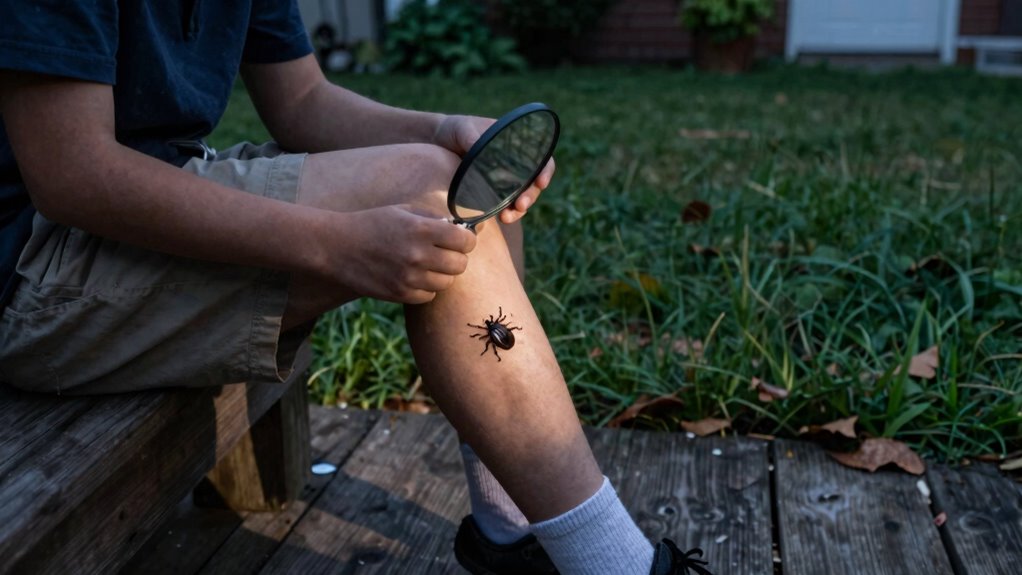
Once daily is the gold standard, with an immediate check after any outdoor adventure in tick country. These daily checks are non-negotiable, like brushing your teeth but for your skin. These checks pair well with granule yard treatments for added outdoor protection.
Once daily is the gold standard, with an immediate check after any outdoor adventure in tick country.
The tricky part is that ticks are tiny, poppy-seed-sized nymphs that love hiding in warm, dark spots. That’s why shower timing matters so much for pest control.
Showering within two hours of coming indoors washes off any unattached ticks and forces you to do a thorough scan. Use mirrors to check behind knees, armpits, and ears for these unwelcome hitchhikers.
Ticks can ride inside on clothes or pets, then burrow later. So, treat every outdoor trip as a potential tick invite.
A daily routine is your best tick prevention strategy. Miss a day and that simple habit saves you from a nasty disease.
Do a Tick Check on Your Clothes and Gear
Do a tick check on your clothes and gear after every outdoor trip. Ticks can hitch a ride indoors on your fabric, bags, or pets.
A quick visual scan before stepping inside cuts down on indoor infestations dramatically. It is less exciting than finding a forgotten granola bar but far more useful for pest control.
Check seams, cuffs, and collars because ticks love fabric folds like a kid loves a cereal aisle. Toss clothes in a dryer on high heat for 10 minutes to kill stowaways.
Damp gear may need longer, so don’t rush the drying process. Examine daypacks, tents, and camp chairs, especially zipper pulls and mesh pockets.
Shake out blankets and towels outdoors before laundering to remove any hitchhikers. Inspect leashes and pet bedding, as fur is a prime hiding spot for ticks.
Use a lint roller on gear surfaces for easy tick pickup. Log any finds for post bite monitoring, noting the time and location.
A five minute gear check beats a month of worry. This simple routine is a top buyer intent step for keeping your home tick free. Factory-bonded treatments last up to 70 washes, providing longer-lasting protection for clothing and gear against ticks and other biting insects.
Found a Tick? Remove It Safely
If you spot a tick latched onto your skin, stay calm. Panicking makes you grab too hard and can squeeze bacteria into your bloodstream.
Grab fine-point tweezers and grip the tick as close to the skin as possible. Pull straight out with steady pressure, avoiding any twisting or squishing its body.
Drop the tick into a sealed bag or a bit of rubbing alcohol. This tick preservation step helps a doctor identify the species later for pest control follow-up.
Circle the bite date on a calendar and note the spot for symptom monitoring. Watch for fever, headache, or a bullseye rash over the next few weeks.
If any symptoms show up, call a doctor immediately. Consider professional pest control services if ticks are common in your area. Food-grade, OMRI-listed diatomaceous earth offers a safe, non-toxic alternative for managing crawling pests around your home. Stay alert and remove cleanly, save the tick, and protect your health.
Frequently Asked Questions
Can Ticks Bite Through Clothing?
Yes, ticks can bite through clothing, but thin and tight fabrics are the most vulnerable. Loose, thick materials offer better protection, so choose your outdoor outfit with care.
Ticks often crawl to exposed skin before latching on, which is why prevention starts with smart layering. Wear light-colored, long-sleeved shirts and tuck your pants into your socks to block their path.
For serious pest control, treat your gear with permethrin before hiking or gardening. This adds a long-lasting repellent layer that kills ticks on contact, and it works well with standard bug sprays.
After being outdoors, use a hand mirror to check hidden, sweaty spots like behind knees, armpits, and your hairline. Don’t forget seams and gear, especially from spring through fall when tick activity peaks.
If a tick latches on, proper removal techniques beat folklore tricks like matches or petroleum jelly every time. Use fine-point tweezers to grasp the tick flush against your skin, then pull upward with steady, even pressure.
Clean the bite area with rubbing alcohol and monitor it for a few weeks for any rash or flu-like symptoms. That upfront habit of checking and removing correctly prevents a panicked freckle study later, so you can buy peace of mind with the right tools.
For the best results, invest in a tick removal kit with fine-point tweezers and a magnifier, available at most outdoor retailers. Searching for “tick prevention spray for clothing” or “permethrin treatment for hiking gear” will lead you to top-rated options that fit your budget.
What Should I Do if I Find a Tick Crawling on Me?
Immediate removal is key, but don’t panic. A crawling tick hasn’t bitten yet, so simply pick it off with a tissue or tweezers.
Flush it down the toilet or seal it in tape, then wash the skin area with soap and water. Unlike an attached tick, this one posed no disease risk.
Consider it a lucky escape, just a weird, tiny hitchhiker you caught mid-exploration. No doctor needed, but stay observant.
For future peace of mind, a good tick repellent spray or permethrin-treated clothing can stop these pests before they ever reach your skin. If you’re shopping for outdoor gear, look for EPA-registered tick control products that offer long-lasting protection.
And if you find ticks inside your home or yard, a targeted yard spray or indoor pest control treatment will break their lifecycle. Trusted brands like Sawyer or Thermacell are solid picks for on-the-go defense, while professional-grade granules work well for perimeter barriers.
Check your pets and kids after hikes, and vacuum carpets regularly if you live near tall grass or woods. You’ve handled this one safely, but staying proactive with the right pest control supplies makes every future outing far less stressful.
Can Ticks Be in Short Grass or Just Tall Grass?
Yes, ticks can absolutely be in short grass, even though tall grass is considered higher risk.
Tick habitat includes lawns and backyards, not just wooded trails or overgrown fields.
Short grass offers lower risk, but it still poses a real danger to you and your pets if you skip tick prevention.
Ticks don’t care about lawn height; they care about being close enough to latch onto a host.
Mowing regularly helps reduce tick populations, but it is not a guarantee of a pest free yard.
For the best protection, use a quality yard spray or granular tick treatment designed for residential lawns.
You should check yourself and your family after any outdoor time, even in a freshly cut yard.
Ticks are sneaky, not picky, so treat all grass as potential tick territory.
Consider investing in a tick repellent for your shoes and clothing before you step outside.
A targeted insecticide for your property gives you buyer confident peace of mind against these stealthy pests.
Do Tick Checks Matter if I Had a Shower?
Yes, tick checks still matter even after showering. Showering can wash off unattached ticks, but attached ticks cling tight.
You should pay special attention to damp skin folds like armpits or behind knees. A shower is not a guarantee, it merely reduces risk.
A tick check afterward catches what water missed, think of it as a double-check. Many people have found a tiny hitchhiker only after toweling off and looking closely.
This proves a rinse alone isn’t foolproof, so a thorough tick check is essential for complete pest control. When you use a reliable tick repellent, you add an extra layer of protection for your property.
Topical treatments and professional pest control products can help you prevent tick bites. For the best results, buy a tick removal tool and always inspect your skin after outdoor activities.
Bottom line: shower, then check. This simple routine will keep you safe from tick borne diseases.
What if I Can’t Reach a Tick on My Back?
If a tick lands on your back, you cannot reach it alone, but there is no need to panic. A mirror check works well: stand with your back to a full-length mirror, then use a hand mirror to spot the exact area.
For a tick above your reach, partner help is your best bet, so ask someone to look closely. They can see spots you miss, like a tiny poppy seed, which is critical for complete removal.
Without help, you risk missing the tick, and that defeats the whole purpose of a thorough check. If you’re tackling this alone, consider a tick removal kit with a long-handled tool designed for hard-to-reach bites.
These pest control essentials give you better leverage and precision, making a solo removal safer and more effective. For the best results, keep a high-quality tick twister or fine-tipped tweezers in your home first aid kit.
You want a product that grips the mouthparts firmly without squeezing the body, so look for buyer reviews that mention ease of use on the back. Professional pest control experts recommend checking your entire body within 24 hours of outdoor activity, especially after hiking or gardening.
If you cannot get a clear view, a handheld magnifying mirror with a light helps you see the skin texture and tick size clearly. That way, you can spot nymphs or larvae that are often missed during a quick visual scan.
After removal, clean the bite with rubbing alcohol and monitor for rash or fever, which are signs of Lyme disease. For ongoing protection, use a permethrin-treated clothing spray or a DEET-based repellent before heading into tick habitats.
These preventive products cut your risk dramatically, and they pair well with a post-outing tick check routine. So, don’t let an unreachable spot stop you: invest in the right tools and know your options.
A quick online search for “tick removal tool for back” will show you ergonomic handles and angled heads that solve this exact problem. Choose a durable, rust-resistant option from a trusted pest control brand to ensure it works when you need it most.


