
Yes, bed bugs can live in wood furniture, and that solid oak dresser might be hiding a colony you didn’t know you had. Their flat bodies slip into tiny cracks, turning untreated joints into cozy egg-laying suites.
Heat treatment at 120°F sustained is the only reliable fix—sprays rarely reach deep enough to kill hidden infestations. Professional whole-room service runs $1,200 to $3,000, but DIY units often fail.
Stick around for a closer look at spotting these pests and the wood-safe tools that actually work.
At A Glance
- Bed bugs can live in wood furniture, hiding in tiny cracks and crevices.
- Raw or cracked wood surfaces provide ideal harborage for eggs and adults.
- Varnish or polyurethane sealant closes gaps, making finished wood less inviting.
- Oak and pine are favorite hiding spots for bed bug colonies.
- Flat bodies allow bed bugs to enter cracks not visible to the eye.
Can Bed Bugs Live in Wood Furniture?
Bed bugs can absolutely live in wood furniture, and their flat bodies let them slip into cracks you cannot even see.
This makes visual checks almost useless, and over time repeated infestations can stain and degrade the wood’s surface.
Oak and pine are favorite hiding spots, but a good varnish or polyurethane sealant will close off most tiny gaps.
A single untreated crack can hold dozens of eggs, so sealing every joint is your first line of defense against a growing problem.
Repair costs add up fast: a $200 dresser might need $75 in sealants, caulk, and a professional inspection to stay safe.
The good news is that finished wood is far less inviting, while raw or cracked surfaces are like a welcome mat for pests.
To protect your furniture, caulk all joints, sand rough edges, and check behind drawers and under bed frames monthly.
If you suspect an infestation, call a licensed exterminator for a targeted heat treatment or insecticide application before it spreads.
Pairing your furniture defenses with a six-sided mattress encasement blocks bugs from moving between wood frames and bedding.
Ignoring early signs turns a favorite nightstand into a permanent pest hotel, so act quickly and keep monitoring regularly.
A little preventive effort now saves you from replacing expensive pieces and keeps your bedroom bug-free for years.
Why Bed Bugs Love Wood Furniture (It’s the Cracks)
Wood furniture offers bed bugs the perfect hiding spot because of the tiny cracks in the wood.
These crevices act like VIP suites where bed bugs can lay eggs and stay safe from view.
For effective pest control, you need a three part chemical treatment plan.
Contact sprays kill on sight, residual products keep working for weeks, and dust fills those deep cracks.
Diatomaceous earth, a dust that kills bed bugs within 48 hours by causing dehydration, works well in these hidden cracks and crevices.
Steam treatment is another option but be careful.
Excess moisture can warp wooden frames or damage the finish.
A visual inspection alone cannot confirm total removal of these pests.
Professional bed bug extermination usually requires two to three visits.
If you miss even one crack, the bugs will simply stay put and keep breeding.
7 Telltale Signs of Bed Bugs in Your Wooden Bed Frame
Knowing where bed bugs hide is only half the battle. The other half is spotting them before your bed frame becomes a condo complex.
These signs are your wake-up call for a pest control inspection. Fresh bites on your arms or neck each morning are a key bed bug symptom.
They appear in a line or cluster, a pattern entomologists call breakfast, lunch, and dinner. A sweet, musty odor near your headboard can confirm an infestation.
Bed bugs release this scent from their scent glands when disturbed during your nightly sleep. Tiny, rust-colored blood spots on your sheets or mattress show where you crushed one.
Pale, shed skins near joints or screw holes signal active growth in your bed frame. These empty husks mean you need a professional exterminator estimate soon.
Step-by-Step Bed Bug Inspection for Wood Furniture
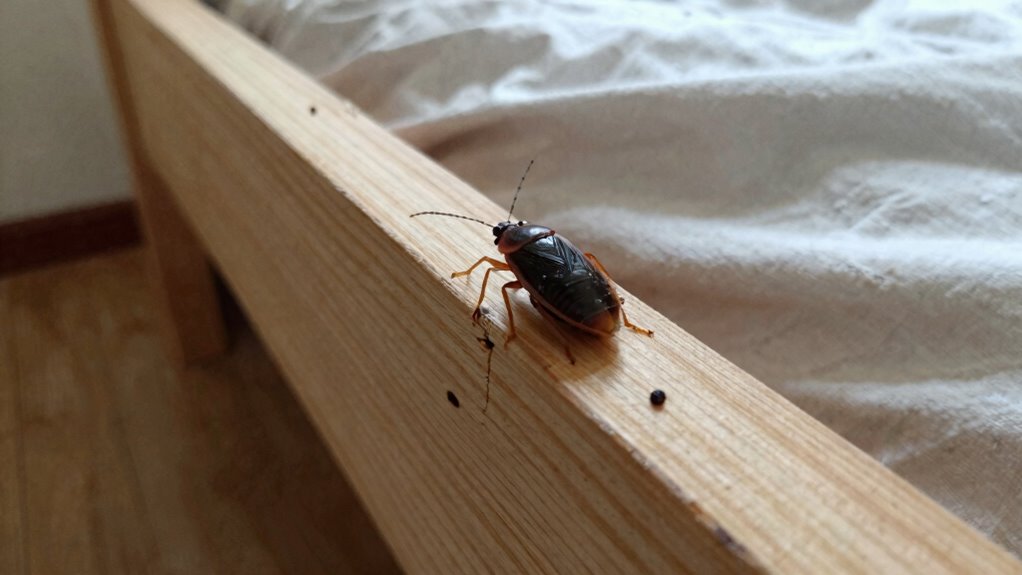
Let’s be real, checking your nightstand for bed bugs is not a fun Saturday. But for bed bug prevention, a thorough inspection of wood furniture is non-negotiable.
Start by dismantling the piece. Remove drawers, pillows, and mattress.
Use a flashlight and a credit card to scrape along cracks, crevices, and joints. Pay special attention where wood meets wood.
Use a flashlight and credit card to scrape cracks and crevices, especially where wood meets wood.
Look for live bugs, dark spots from excrement, or shed skins. Bed bug eggs are tiny, white, and cemented into wood, so they are easy to miss.
Go slow and use a magnifying glass for better pest detection. Flip the furniture over and check underneath for harborage along support beams.
After inspection, vacuum all crevices and seal the bag immediately. Wash any removable fabric covers on the hottest setting.
Regular wood furniture maintenance helps with long term bed bug control. Sealing cracks and applying a protective finish reduces hiding spots. Using interceptor traps under furniture legs provides an additional passive monitoring barrier that catches pests as they climb.
Bottom line, inspect every seam, joint, and underside for signs of infestation. Miss one spot, and you are back to square one.
Common Bed Bug Myths You Should Ignore
You might have heard a myth that bed bugs cannot live in wood. This is completely false, and professional pest control experts know better.
Wood furniture is actually a top hiding spot for these pests. Tiny crevices and wood grain offer perfect harborage for eggs and adults alike.
To eliminate bed bugs from wooden surfaces, you should inspect all cracks and joints carefully. A thorough treatment plan by a pest control service will target these common hiding spots.
Regular inspections and prevention are key to avoiding a full infestation. Understanding these facts helps you make smarter decisions about your bed bug removal strategy.
Myth-Busting Basics
Here’s the truth that might bug you:
Bed bugs hide in wood frames, headboards, and nightstands. They are not picky about where they settle.
Eggs cement into wood grain, making removal a nightmare without heat. Visual inspection often fails. Professional-grade treatments like Crossfire Liquid Concentrate kill bugs and eggs on contact and provide residual control that continues working after the initial spray.
You cannot see eggs in cracks until it is too late. Infested wood furniture then spreads bugs to beds, couches, and carpets.
Never assume wood is safe. Use heat or steam to treat all wooden items thoroughly.
Call a professional pest control service if you spot any signs. Ignoring this mistake costs you sleep and peace of mind.
Wood Furniture Myths
The idea that wood furniture is immune to bed bugs is a classic case of wishful thinking. Truth is, wood offers perfect hiding spots, and those tiny cracks and crevices are prime real estate for these pests.
Bed bug resilience means they thrive anywhere, not just fabric. Don’t fall for the myth that wood needs special eco friendly pest control solutions.
Standard heat treatments work fine, typically hitting 120°F to kill bugs without damaging the wood. Expect professional whole-room heating to cost $1,200 to $3,000, depending on home size.
Wood furniture isn’t a shield against infestations. Inspect it thoroughly for signs like tiny eggs cemented into crevices.
If you need bed bug removal, call a pro. Heat treatment beats DIY every time for complete eradication. Using a handheld steamer that reaches temperatures up to 221°F can kill bed bugs and their eggs on contact without damaging wood furniture.
Heat Treatment: Your Best Bet for Wood Furniture
Heat treatment is a top choice for wood furniture because it safely reaches the lethal temperature range for bed bugs without warping the finish.
Targeting eggs is critical, since they require 118°F for over an hour to die, while adult bed bugs perish much faster.
Professional heat pest control is more reliable than DIY kits, which often miss hidden eggs deep in joints and cracks.
For lasting bed bug removal on wooden pieces, hiring an exterminator with industrial heaters ensures even heat penetration.
This approach also preserves your furniture’s value, making it a smart investment for long-term protection.
If you’re searching for a bed bug heat treatment service, ask about their monitoring sensors and warranty.
A thorough pro will also treat nearby fabrics, since eggs can cling to upholstery edges.
Always confirm the target temperature is sustained for the full hour, not just a quick spike.
This prevents re-infestation and gives you peace of mind without harsh chemicals.
For a cost-effective solution, combine professional heat with a follow-up inspection after two weeks.
That way, you cover any stragglers and keep your wooden furniture safe for years.
Professional-grade systems typically come with a two-year warranty for added peace of mind.
Optimal Heat for Wood
When using heat to evict bed bugs from wood furniture, the process is surprisingly straightforward and highly effective. Heat penetration must reach deep into every crack and crevice where bugs hide to kill them completely.
Adult bed bugs start dying at 118°F after 20 minutes, but keeping that temperature inside the wood itself is the real challenge. Damp wood absorbs heat more slowly, so drying your furniture beforehand helps ensure thorough treatment.
No harsh chemicals are needed, just steady deep heat that feels like a warm hug for your couch but a death sentence for pests. This method preserves your wood’s finish, unlike steam which can warp or stain that antique dresser you found on Craigslist.
You only need a thermometer and patience, no hazmat team or expensive gear required. The process works in a few hours with no waiting weeks for chemical residues to fade.
The bottom line is to heat the wood to 120°F and hold it there. Watch as bed bugs tap out and your bed bug control efforts succeed.
Targeting Bed Bug Eggs
113°F takes about 90 minutes to start killing bed bugs. At 118°F, the egg glue breaks down in roughly 71 minutes.
Heat penetration then kills the embryos inside the eggs. At 120°F and above, eggs die instantly and the wood finish stays protected.
Skip chemical sprays for pest control because they rarely reach hidden eggs. Professional heat treatment is the only reliable way to hit those stubborn egg clusters.
When tackling a bed bug infestation, targeting the eggs is essential for full pest removal. This heat method gives you a buyer ready solution that works without damaging your furniture. For ongoing monitoring during treatment, simple, inexpensive traps like the HARRIS 20-pack can discreetly detect pest activity under furniture legs.
Professional vs. DIY Heat
Bed bugs love wood, so heat treatment is a smart choice. Professional heat hits 135°F to 145°F for six to eight hours, killing eggs deep inside furniture cracks.
DIY units rarely hold that temperature, which can cause steam damage to finishes or leave survivors behind.
Eggs cement into wood, and only sustained heat above 118°F for 71 minutes wipes them out completely.
Many consumers misjudge temperature, leaving survivors to breed and turning a minor issue into a costly mistake.
Chemical alternation fails in porous wood because heat penetrates where sprays cannot reach.
Professionals guarantee results, while DIY often ends with repeat infestations and a sore wallet.
For whole-room bed bug heat, hire a pro.
That 500 to 1,500 dollars saves the 2,000 you might spend on failed DIY attempts and ruined furniture.
Using passive interceptor protection under furniture legs can help detect early survivors after a pro treatment.
Calling a Pro: When DIY Won’t Cut It
When does a weekend warrior’s battle plan turn into a money pit? The moment you notice stray nymphs or rust-colored smears reappearing after your third chemical spray, it’s time to call a licensed exterminator.
DIY bed bug treatments rarely reach the deep crevices of raw pine furniture, where eggs hide beyond visual inspection. A hidden colony can breed for months, with each female laying over 100 eggs, so the risk of spread to outlets and baseboards grows daily.
Professional heat treatments raise temperatures to 135°F to 145°F for six to eight hours, killing eggs even inside wood’s microstructure. This service typically costs $200 to $600 per room, which beats replacing furniture or paying for repeated sprays that don’t work.
If your efforts feel like whack-a-mole, a thermal probe and a state license make all the difference for effective bed bug control. Look for pest control companies offering whole-room heat remediation, and ask for a follow-up inspection to confirm zero survivors.
You want a guaranteed elimination plan, not another round of guesswork. Investing in a pro now saves you from the long-term expense of furniture disposal and potential health issues from chronic bites.
When infestation signs persist, buyer intent shifts from “can I fix it” to “who can fix it fast.” Search for local bed bug heat treatment specialists, read reviews on their success rates, and book a consultation to get a written quote before any work begins. If applying boric acid powder yourself, remember to use a duster with an extended straw for cracks and crevices to improve precision.
Keep Bed Bugs Out of Your Wood Furniture for Good
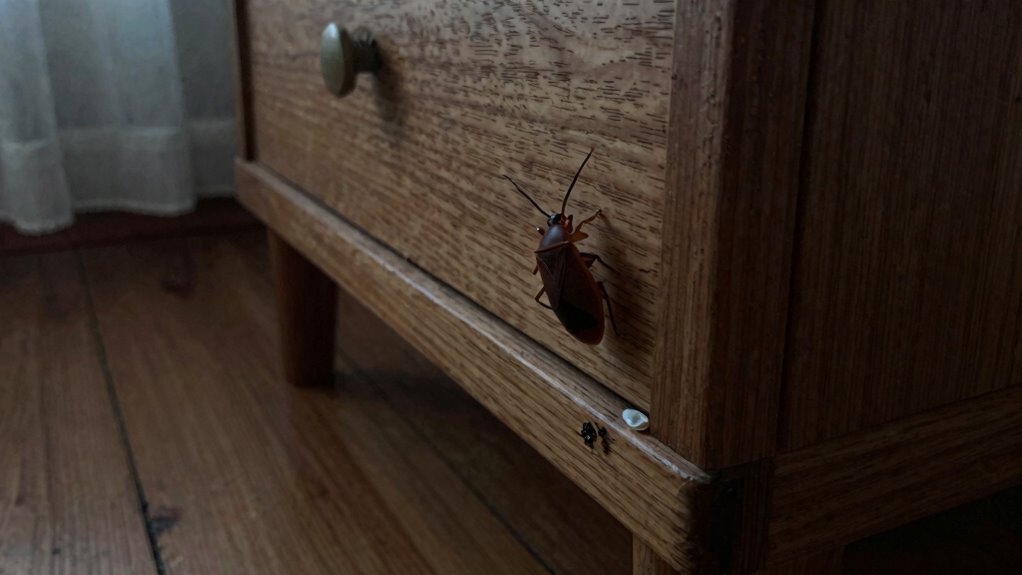
Prevention beats panic when keeping wood furniture free of bed bugs. A single female can produce over 100 eggs during her life cycle, making reinfestation prevention critical.
Inspect every second-hand chair and table before bringing it home. Tiny eggs cement into wood crevices and resist removal.
Encase mattresses and box springs to deny bed bugs their favorite harborages. This starves them out before they spread to wooden frames.
Use interceptor traps under furniture legs to catch crawlers trying to climb up. This lets you monitor for early pest control activity.
Apply diatomaceous earth dust into cracks where sprays cannot reach. This fine powder slowly kills bed bugs and is safe for wood.
For added protection, consider using TSA-approved travel sprays that are compact and natural, ideal for treating luggage before a trip.
Frequently Asked Questions
Can Bed Bugs Survive Inside Painted or Sealed Wood?
Painted surfaces and sealed wood still have tiny cracks, especially near joints, edges, or screw holes. Those gaps are enough for a bed bug to slip inside, cement eggs, and hide.
Sealants help but don’t create an airtight fortress. The drawback is that paint peels and sealants crack, creating new entry points over time.
The fix is to check caulk yearly and reapply if needed. If you’re treating, remember heat at 120°F kills bugs but doesn’t damage wood.
Don’t rely on paint alone, it’s like locking a screen door. The bottom line is to inspect cracks even in sealed wood.
For effective pest control, use a professional bed bug spray or heat treatment to target hidden infestations. Buying a quality sealant and caulking gun can help block entry points and prevent re-infestation.
As a helpful expert, I recommend combining sealants with regular inspections of baseboards and furniture joints. This smart purchase keeps your home protected and saves you from costly treatments later.
How Long Can Bed Bugs Live in Untreated Wood Cracks?
Bed bugs can survive in untreated wood cracks for up to a year at room temperature.
Their scent detection guides them to deep, protective crevices where they hide easily.
They typically nest at a depth of just a few millimeters, perfect for dodging casual sweeps.
Without a blood meal, they last roughly 70 to 150 days.
Cooler temperatures let them linger over 400 days, which is a long time to hide.
The bottom line is that untreated wood is a prime hotel for bed bugs.
Seal it or heat treat it at 120°F for over 71 minutes to evict the little squatters.
For effective pest control, use a professional grade heat treatment system or a crack and crevice sealant.
If you want to stop a bed bug infestation before it starts, consider a targeted aerosol or insecticide dust.
These products are designed to reach the deep cracks where bed bugs nest.
Buying a quality bed bug heat treatment kit can save you months of frustration.
Does Vinegar or Bleach Kill Bed Bug Eggs in Wood?
Vinegar and bleach are not reliable for killing bed bug eggs in wood. These liquids lack wood penetration, so they can’t reach eggs cemented deep inside cracks.
Bleach may damage the finish, and vinegar’s acidity fizzles out against egg residue. For eggs, heat is king: 118°F sustained for 71 minutes is the proven kill spec.
Chemical treatments need a pest pro, as DIY sprays often miss the mark. If you need a bed bug treatment for wood furniture, heat is the safest and most effective approach.
For persistent wood infestations, a local pest control service offers professional heat remediation or steam equipment. Skip the home remedies and look for a bed bug exterminator with industrial heaters.
Invest in a bed bug heat chamber or call a pro to ensure every egg is eliminated. Your best purchase for wooden bed frames or baseboards is a heat-based solution, not a spray.
Will Freezing Wood Furniture Kill Bed Bugs Effectively?
Freezing wood furniture can kill bed bugs, but it’s not a quick fix.
You need sustained temperatures below 0°F for at least four days to reliably eliminate adults.
The real problem is that bed bug eggs hide deep in wood grain and can survive the cold.
Even if you kill the adults, a few surviving eggs can restart the infestation weeks later.
Condensation from freezing can also warp or crack your furniture, leaving permanent moisture damage.
That’s why most pest control pros avoid recommending this method for wooden pieces.
If you want a practical, no-risk option, consider heat treatment or a targeted bed bug spray instead.
These options work faster and don’t risk your furniture’s structural integrity.
For DIY buyers, look for EPA-registered bed bug killers that penetrate wood cracks and crevices.
For severe infestations, hiring a licensed exterminator with thermal equipment is your smartest purchase.
Bottom line: freezing only works with precise, sustained cold and lots of patience, often more hassle than professional heat treatment.
Can Bed Bugs Infest Hardwood Floors or Just Furniture?
Bed bugs absolutely infest hardwood floors, not just furniture. They squeeze into tiny gaps between floorboards, under the wood, and along baseboards.
Furniture legs act as highways for them to crawl up from the floor. Check where the wood meets the wall for signs of a growing infestation.
Eggs resist removal in these crevices, so thorough treatment is essential. If you find bugs in a chair, the floor likely harbors more hidden pests.
Treat both areas simultaneously with a quality spray or diatomaceous earth. For a permanent fix, consider professional heat treatment or a targeted pesticide.


