
Do bed bugs live in your hair? The short answer is no—bed bugs flat, apple seed–shaped bodies can’t grip strands like lice can, and crawling on your scalp triggers nerve responses that wake you up. Instead of hair, they hide in mattress seams, baseboard cracks, and nearby clutter.
So if you’re worried about them nesting on your head, you can put that fear aside. Below, we’ll cover where they really settle, how to spot an infestation early, and exactly what steps you need to take to keep them out of your home for good.
At A Glance
- Bed bugs do not live in hair; they prefer flat surfaces like mattresses.
- Bed bugs lack claws for gripping hair, unlike lice.
- Dense hair strands create a disorienting maze bed bugs cannot navigate.
- Any bed bug in hair is accidental, not a residence.
- Check mattress seams, not hair, for signs of bed bug infestation.
Can Bed Bugs Live in Human Hair? (No: Here’s Why)
The short answer is a flat, unambiguous no. Bed bugs do not live in human hair for a clear biological reason. Their anatomy prevents it because they lack the specialized claws lice use for grasping strands. Hair migration is simply impossible for these insects due to their body design.
Their apple seed shaped bodies, measuring about 4 to 5 millimeters, cannot navigate dense hair. Any hair contact with a bed bug is accidental, not a residence. These bugs prefer flat surfaces near hosts, like mattresses and box springs, not moving targets. To get rid of bed bugs, focus your pest control efforts on bed frames and furniture cracks instead, as detailed in heavy-duty sprays like Ortho Home Defense Max Bed Bug Flea & Tick Killer.
Their apple seed-shaped bodies, about 4 to 5 millimeters, simply cannot navigate dense hair.
Their legs are designed for crawling on smooth surfaces, not hair. Their size makes hair environments a struggle for movement.
The bottom line is clear: check your mattress seams and headboard crevices, not your scalp. This myth ends here, so invest your time in proven bed bug treatment methods.
Why Bed Bug Legs Can’t Grip Hair (Unlike Lice and Ticks)
Bed bugs have legs built for flat surfaces, not human hair. Their tiny claws are designed to grip fabric seams and wood cracks, not smooth strands.
Human hair anatomy is too smooth and cylindrical for them to latch onto. Lice have specialized hook-like claws for that job, but bed bugs completely lack this feature.
Bed bug claws do not have the curved, locking shape needed to wrap around a single hair shaft. The smooth cuticle and flexible strands of hair offer no purchase for these stubby appendages.
Instead, the claws work like tiny grappling hooks for rough textures like mattress stitching and baseboard gaps. Even if a bed bug wanders into hair, it slides right off like a car on ice.
The bottom line is that bed bug claws cannot grip hair anatomy at all. They are furniture specialists, not hair stylists, so you never need to worry about them hiding in your scalp during a pest control treatment. Their legs are instead optimized for climbing textured surfaces that mimic dark hiding spots.
Where Bed Bugs Hide Instead of Hair: Mattresses and Cracks
Mattress seams and crevices are prime hiding spots for bed bugs, providing the darkness and warmth they need.
Cracks in furniture and baseboards serve as backup shelters, far more inviting than human hair.
Seams in headboards or mattress edges act like tiny apartments for these pests.
Professional pest control can effectively target these hidden areas.
Regular inspections of mattress seams and furniture cracks are essential for early detection.
Heat treatments and targeted sprays help eliminate infestations from these common hideouts.
Using six-sided zippered encasements with reinforced seals can fully block bed bugs from entering mattresses and box springs.
Mattress Seams and Crevices
Where mattress seams and crevices are concerned, bed bugs have found their ideal harborage: a tight, dark space that sits right next to their food source. They do not nest in human hair, since they lack the claw structure for it, but the linings and seam gaps of a mattress are perfect for their survival.
A female bed bug can slip into a seam gap and lay five eggs daily, and those eggs are glued firmly in place with a sticky secretion. The nymphs, or young bed bugs, hide within the mattress lining and feed every few days on a sleeping host, which makes early detection crucial.
Adults, roughly the size of an apple seed, pack into crevices near the headboard because that area offers warmth and a steady flow of carbon dioxide from breathing. You will often see tiny black fecal spots staining the seams, which are clear signs of an active infestation and a strong reason to schedule a professional treatment.
That is why the mattress seam acts as a true bedroom fortress, not human hair. For effective bed bug control, inspect these seams with a flashlight and use a quality mattress encasement to trap any hidden pests. Using pesticide-free traps provides a safe, chemical-free method for ongoing monitoring and early detection of these hidden pests.
Furniture Cracks and Baseboards
The sofa crack and the baseboard gap are the real hideouts for bed bugs. These little apple seed sized vampires prefer tight, dark spaces near their sleeping hosts.
Hair offers no grip for their flat bodies. Furniture cracks offer perfect harborage, close to the action.
Crack detection is your first move in pest control. Run a credit card along seams and look for tiny black specks or fecal stains.
Also check for shed skins in those tight areas. Baseboard treatment involves vacuuming gaps first.
Then apply a residual insecticide or diatomaceous earth powder for long lasting defense. The table below shows why each location matters for targeted treatment.
Sofa seams hide bugs due to proximity to napping humans. Use a flashlight and magnifying glass as the best check method.
Baseboard gaps offer warmth and darkness for breeding. A thin putty knife works for scraping out debris.
Nightstand joints provide easy access all night long. Inspect those corners weekly to catch infestations early.
Chair frames are less disturbed than beds. Check the underside, not just the cushions, for bug activity.
Bottom line, skip the hair spray and hope routine. Focus on cracks because that is where the war is won. Ensure the powder remains dry to maintain its abrasive power and long-lasting residual effect.
How Body Hair Actually Blocks Bed Bug Feeding
Body hair acts as a natural barrier that slows bed bugs down as they try to reach your skin. Dense hair doesn’t just block their path, it also triggers nerve responses that can wake you up during a bed bug feeding attempt.
This makes hairy areas of your body less inviting for these pests. If you are looking for pest control solutions to protect smooth skin areas, consider using bed bug interceptors or mattress encasements for added protection. Ultrasonic pest repellers offer a chemical-free, set-and-forget option for long-term indoor prevention, though they take 2–4 weeks to show noticeable effects.
Hairy regions are essentially prime real estate for staying bite free. Meanwhile smooth patches remain an easy buffet line for bed bugs, so focus your inspection on those spots first.
Hair Density Slows Movement
Hair density is nature’s first line of defense against bed bugs, and it works surprisingly well. Dense hair effectively reduces a bed bug’s movement speed, turning a quick crawl into a sluggish, frustrating trek.
Hair thickness matters too, with thicker strands creating a more challenging obstacle course that increases travel time. For effective pest control, understanding how bed bugs navigate hair can help you target your bed bug treatment more precisely.
Bed bugs lack the specialized claws that lice use to grip hair, so they slip and slide with every step. A single square centimeter of dense scalp hair can contain hundreds of strands, forming a tangled, disorienting maze.
The apple-seed-shaped body of a bed bug, at 4 to 5 millimeters, is simply too large to slip through thick hair efficiently. Studies show that longer limb hairs dramatically increase travel time, often causing the bug to give up and look for a smoother patch of skin.
This natural barrier means bed bugs rarely even attempt a full-scale hair invasion. If you are looking for bed bug prevention tips, focusing on smooth skin areas for inspection is a smart move. Using bed bug interceptor traps under furniture legs can also provide a passive monitoring barrier that catches bugs before they reach your bed.
Nerve Response Alerts Hosts
| Bed Bug Interaction | Host Outcome |
|---|---|
| Crawls over hair | Nerve triggered |
| Displaces strands | Host awareness rises |
| Probes hairy skin | Movement wakes host |
| Seeks capillaries | Avoids hairy zones |
| Feeding attempt | Often fails completely |
In short, your leg hair works like a cheap, complicated pest detection system. That tickle you feel is your body ruining the bug’s dinner plans.
For effective bed bug control, consider professional inspection services. If you notice crawling sensations at night, you might need a targeted treatment.
Hairy skin naturally triggers a nerve response that wakes you up. This host awareness can stop a feeding attempt before it starts.
Pest control experts recommend checking mattress seams and baseboards regularly. Early detection reduces the chance of a full infestation.
Buy barrier sprays or monitoring traps for added protection. Your body’s built in alarm is just the first line of defense.
To guarantee a thorough kill, use a steamer that reaches 221°F for faster results on any bugs hiding nearby.
How Bed Bugs Detect You: CO2, Heat, and Movement
Before a bed bug ever sinks its needle-like mouthparts into your skin, it has already locked onto you from across the room. It does not use its eyes, which are nearly useless to it.
Instead, it uses a sophisticated three part targeting system built on carbon dioxide plumes, heat signature tracking, and vibration. Your breath creates a visible, smoky trail to the bug’s sensors, and it follows that scent of life like a bloodhound.
Pest control experts know that CO2 is the primary attractant for bed bugs. Your body’s warmth acts as a heat signature that the bug zeroes in on, preferring bare skin over hairy areas.
Sudden twitches make it freeze, while steady breathing signals a safe meal. Light footsteps or sheets shifting alert it through surface vibration, and it waits for stillness to strike.
This is why professional extermination often targets these cues to disrupt the bug’s hunting cycle. It is a hunter, not a hair dweller, so buying bed bug interceptors can help trap it before it reaches your bed. For severe infestations, waterproof deltamethrin dusts like BASF Delta Dust can be applied to cracks and crevices for long-lasting residual control.
Can Bed Bugs Temporarily Crawl Through Hair?
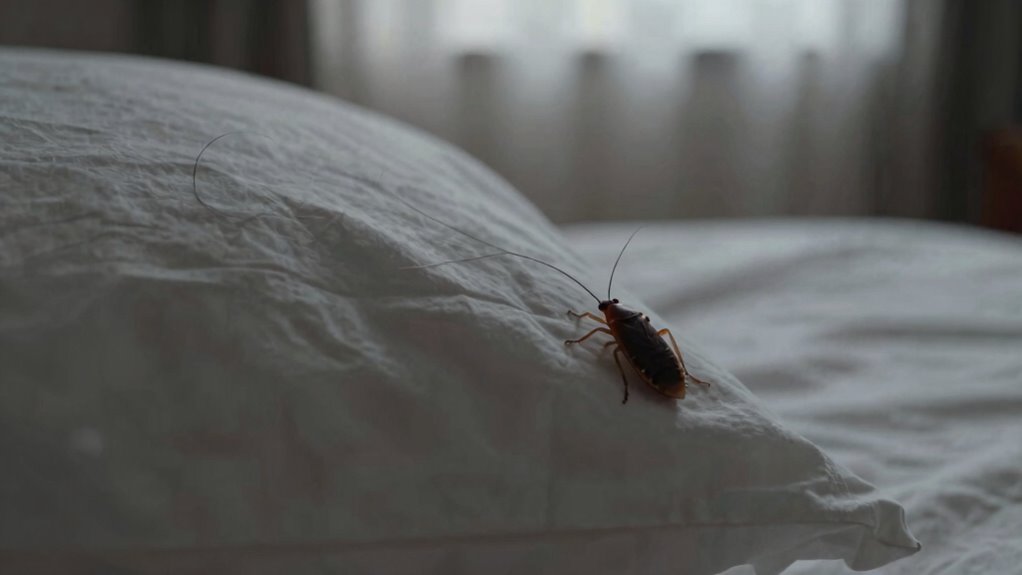
A bed bug can briefly walk across a strand of hair if it is on its way to your skin. But it is not a place it wants to stay, and its flat body and weak legs are not built for clinging like lice.
For effective pest control, remember that bed bugs cannot grip hair the way lice do with their grabby claws. A quick crawl through your hair is possible only as a short detour to a feeding site.
The scalp irritation timeline from any bites shows up hours later, not from hair presence, but from the bug feeding nearby. Good news is that hair washing efficacy is high against any stray bed bug.
Plain shampoo and water easily dislodge them, so there is no need for panic. Just wash and dry your hair, then check your mattress and box spring for signs of infestation.
This is a practical tip for anyone worried about bed bugs in hair. Your hair is a detour, not a destination, so focus on mattress and furniture inspections for long term peace of mind.
5 Bed Bug and Hair Myths Pest Pros Want You to Stop Believing
Many people hear “bed bugs” and instantly imagine them nesting in hair like tiny, unwanted roommates. Pest pros cringe at this, but they know why it sticks.
Dispelling myths like this is core to their job, since public awareness shapes how people react to an actual infestation. The truth is, these bugs are built for hiding in seams and cracks, not for clinging to follicles.
Their legs lack the claws that lice have. So, although travel risks are real with hitchhikers in luggage, your scalp is safe.
The real enemy is the bedroom. Bed bugs don’t live in hair because they lack the grip for it.
Eggs don’t stick to strands, unlike lice nits. The bite pattern on skin, not an itching scalp, signals trouble.
For early detection, focus on checking mattress corners, not brushing your head. Stop worrying about your mane and focus on seams, not strands.
Invest in a professional bed bug inspection if you suspect an infestation, and consider a mattress encasement for prevention.
How to Inspect for Bed Bugs Without Checking Your Hair
Now that the whole “bed bugs in hair” fear has been squashed, it’s time to focus on where they actually hang out. For a proper bed bug inspection, skip the scalp and start with the mattress.
Look along seams, under tags, and in zipper folds for live bugs, tiny rust-colored stains, or shed skins. A flashlight and a credit card help you pry into tight spots for effective pest control.
Next, check the bed frame, headboard, and nightstand cracks. Bed bugs love dark, narrow places within six feet of your pillow.
Don’t forget baseboards, picture frames, or electrical outlets nearby. A thorough inspection takes about twenty minutes per room.
If you find none but still get bites, place interceptors under bed legs. The verdict is simple: inspect the bed, not the head.
That saves you time, sanity, and shampoo, and keeps your pest prevention routine practical and stress free.
For outdoor areas, you can also use chemical-free operation solar bug zappers to reduce pest populations around your home.
Frequently Asked Questions
Can Bed Bugs Lay Eggs in Your Hair?
No, bed bugs cannot lay eggs in human hair. They lack sticky egg glue and proper leg grip for hair strands.
Hair hygiene and scalp inspection are irrelevant here—those matter for lice, not bed bugs.
A bed bug might wander across a scalp briefly, but it won’t linger or reproduce there.
They prefer mattress seams and furniture cracks nearby.
So, skip the paranoia and check your bed frame instead.
That’s where the real action happens, unfortunately.
Bottom line: hair is safe, bedding is not.
For effective pest control, focus on encasing mattresses, inspecting baseboards, and using reliable bed bug sprays or traps.
If you suspect an infestation, act quickly with professional-grade products to prevent them from spreading.
Do Bed Bug Bites Look Different on the Scalp?
Scalp bites from bed bugs don’t look that different from bites elsewhere, showing up as small, red, itchy welts that often form a line or cluster pattern.
That said, hair makes bite location identification much harder, since it hides the affected skin from a quick visual check.
Unlike lice bites, which concentrate around the nape and ears, bed bug welts are more random, and they lack the crusty flakes or oval eggs that come with dandruff or scabies.
So if you notice a scalp rash, it could be bed bugs, but it’s not a guaranteed sign, so don’t jump to treatment yet.
Your best move is to inspect your mattress seams, pillow zippers, and headboard crevices for live bugs, shed skins, or dark fecal spots that confirm an infestation.
If you find those signs, you’re dealing with a real pest problem, and you’ll need a targeted bed bug spray or a professional heat treatment to eliminate them at the source.
For a quick fix on the bites themselves, wash your scalp with a gentle, anti-itch shampoo containing oatmeal or tea tree oil, then apply a hydrocortisone cream to reduce swelling.
But remember, killing the bugs is your priority, so pair any topical relief with a quality insecticide labeled for bed bugs and a thorough vacuuming of your sleeping area.
If you’re unsure whether it’s bed bugs or another pest, order a DIY detection kit with sticky traps or use a magnifying glass to check for the bugs’ flat, reddish-brown bodies.
When you buy a bed bug product, look for one with residual action, since that keeps protecting your scalp and skin for weeks after the first spray.
For persistent infestations, contact a licensed exterminator who can do a full room inspection and offer a warranty-backed treatment plan.
And if you’re shopping for prevention, consider a bed bug mattress encasement and interceptor cups under your bed legs to stop them from climbing up to you.
Act fast, because bed bugs multiply quickly, and a single female can lay hundreds of eggs in your pillow or sofa within a month.
Can You Get Bed Bugs From Someone Else’s Hair?
No, a person cannot get bed bugs from someone else’s hair. Bed bug transmission requires contact with infested items like luggage or furniture, not head to head contact.
Bed bugs lack the claws to grip hair, so they don’t live there. They’d rather hide in your mattress seams than your scalp.
If someone’s scratching their head, it’s likely lice, not bed bugs. Stick to treating beds and couches, hair is safe territory.
For effective bed bug control, focus your pest inspection on mattresses, box springs, and upholstered furniture. Use a quality bed bug spray or encasement to protect your sleep area.
When you suspect an infestation, always check luggage and secondhand furniture first. Professional pest management products target these hotspots, not people.
Buying the right bed bug treatment starts with knowing where they hide. Focus on seams, crevices, and fabric folds for the best results.
How Long Can a Bed Bug Survive on a Pillow?
A bed bug can survive on a pillow for roughly 5 to 7 days without a blood meal, though lifespan factors like temperature and humidity play a role.
Pillowcase harborage is uncommon, since bed bugs prefer tight cracks over fabric folds.
They won’t nest in human hair, as anatomy proves.
So, check seams, not strands.
If bed bugs are suspected, immediate washing and vacuuming beats waiting.
Does Hair Product or Oil Repel Bed Bugs?
No, hair products or oils do not reliably repel bed bugs. Scent repellents like peppermint or tea tree oil might mask your smell, but they lack proven, lasting effect.
Bed bugs hunt by heat and CO2, not just scent, so a slick scalp won’t stop them. Hair myths suggest oils trap bugs, but they simply slide off.
Save your money for mattress encasements and professional treatment instead. If you want real protection, invest in a quality bed bug spray or contact a local exterminator for a thorough inspection.
These proven pest control methods target the root of the infestation, not just your hair. Choose encasements and heat treatments to eliminate bed bugs for good.
For buyer intent keywords, think of buying bed bug proof covers or calling a pest control company. That is how you win the battle, not with hair oil or styling products.


