
When pests take over your home or garden, you need a solution that actually works—not something that just smells strong for a day. Effective chlorfenapyr sprays have become a go-to choice in 2025 for anyone serious about long-lasting pest control.
This guide breaks down the best chlorfenapyr products to keep mites, whiteflies, and other invaders at bay without wrecking your plants or your wallet.
You’ll find helpful notes on what to use for quick space treatments versus longer-lasting liquids, plus honest advice on what’s worth buying.
Below is our roundup of top-performing sprays to help you make a simple, smart choice.
At A Glance
- Chlorfenapyr concentrates like Spectre 2 SC provide long-lasting residual control for pests such as ants, roaches, and whiteflies.
- Greenhouse foggers with 4.5% chlorfenapyr deliver rapid, full coverage against mites and thrips in enclosed environments.
- Verify local regulations before use to ensure compliance, as some products are restricted or banned in specific regions.
- Proper storage in cool, dry places maintains product efficacy for up to three years.
- Follow label instructions precisely to ensure effective pest control while avoiding harm to plants and surfaces.
| Atticus Piston TR Greenhouse Fogger (12x2oz Can) – (Compare to Pylon TR) |  | Fast-Acting Coverage | Active Ingredient: Chlorfenapyr 4.5% | Pest Control Type: Contact and residual | Application Environment: Greenhouse and ornamental plants | SEARCH BEST PRICE | Read Our Analysis |
| Spectre 2 SC Bottle (15 oz) |  | Wide Pest Range | Active Ingredient: Chlorfenapyr 21.45% | Pest Control Type: Residual and contact | Application Environment: Indoor, residential, and commercial areas | SEARCH BEST PRICE | Read Our Analysis |
| BASF Pylon TR Insecticide & Miticide Aerosol 2 oz |  | Greenhouse Specialist | Active Ingredient: Chlorfenapyr 4.5% | Pest Control Type: Contact and residual | Application Environment: Greenhouse only | SEARCH BEST PRICE | Read Our Analysis |
More Details on Our Top Picks
Atticus Piston TR Greenhouse Fogger (12x2oz Can) – (Compare to Pylon TR)
If you want fast-acting coverage in your greenhouse, the Atticus Piston TR Greenhouse Fogger is a solid choice for eliminating pests quickly. It’s loaded with 4.5% chlorfenapyr, the same potent ingredient as top brands, giving you quick 72-hour control over annoying fungus gnats, mites, and thrips.
This fogger releases billions of tiny particles so nothing escapes, from top leaves to leaf undersides. It’s super easy to use; just set it above your plants for a quick zap with no fancy equipment needed.
Perfect for fruiting veggies, ornamentals, or flowering plants in spaces up to 3,000 sq ft. Bottom line: reliable pest control that is straightforward and affordable.
- Active Ingredient:Chlorfenapyr 4.5%
- Pest Control Type:Contact and residual
- Application Environment:Greenhouse and ornamental plants
- Application Method:Fogger (aerosol can)
- Coverage/Size:Up to 3,000 sq ft per can
- Target Pests:Mites, thrips, fungus gnats
- Additional Feature:Ready-to-use fogger design
- Additional Feature:Suitable for ornamental plants
- Additional Feature:Uses micro-sized particle release
Spectre 2 SC Bottle (15 oz)
The Spectre 2 SC Bottle (15 oz) stands out because it covers a wide pest range with a single spray. This makes it perfect for those who hate juggling multiple products.
With 21.45% chlorfenapyr, it is a potent and nearly odorless insecticide that bugs cannot sense or avoid. Imagine sneaky pests being caught off guard when you treat common problem areas.
It is effective against ants, roaches, bed bugs, beetles, crickets, flies, and more. Whether you are sprucing up a home, restaurant, or storage area, this spray offers long-lasting residual control.
Price-wise, it is a steal at usually around $15, and the shelf life is up to three years when stored cool and dry. The bottom line is that it is a versatile, no-fuss option that plays hardball against household pests.
- Active Ingredient:Chlorfenapyr 21.45%
- Pest Control Type:Residual and contact
- Application Environment:Indoor, residential, and commercial areas
- Application Method:Spray (bottle)
- Coverage/Size:Varies, long-lasting residual typically in treated areas
- Target Pests:Ants, beetles, cockroaches, bed bugs, flies
- Additional Feature:Virtually odorless formulation
- Additional Feature:Long residual control
- Additional Feature:Suitable for food-related areas
BASF Pylon TR Insecticide & Miticide Aerosol 2 oz
For greenhouse pros needing an effective pest control boost, BASF Pylon TR Aerosol is the go-to choice. This 2 oz can packs a punch, treating up to 3,000 cubic feet.
It targets insects and mites on contact, including thrips, spider mites, aphids, and whiteflies. Since it is a total release system, it fogs your greenhouse quickly for broad coverage.
Just remember, it is only for greenhouses, not your living room. So no sneaky spraying in your home.
Bottom line: if pests are crashing your plant party, this aerosol is a solid, targeted choice for pest management solutions.
- Active Ingredient:Chlorfenapyr 4.5%
- Pest Control Type:Contact and residual
- Application Environment:Greenhouse only
- Application Method:Aerosol fogger
- Coverage/Size:Up to 3,000 cubic feet per can
- Target Pests:Thrips, spider mites, aphids, whiteflies, fungus gnats
- Additional Feature:Total release application system
- Additional Feature:Enclosed greenhouse use only
- Additional Feature:Treats up to 3,000 cu ft
Factors to Consider When Choosing Chlorfenapyr Sprays
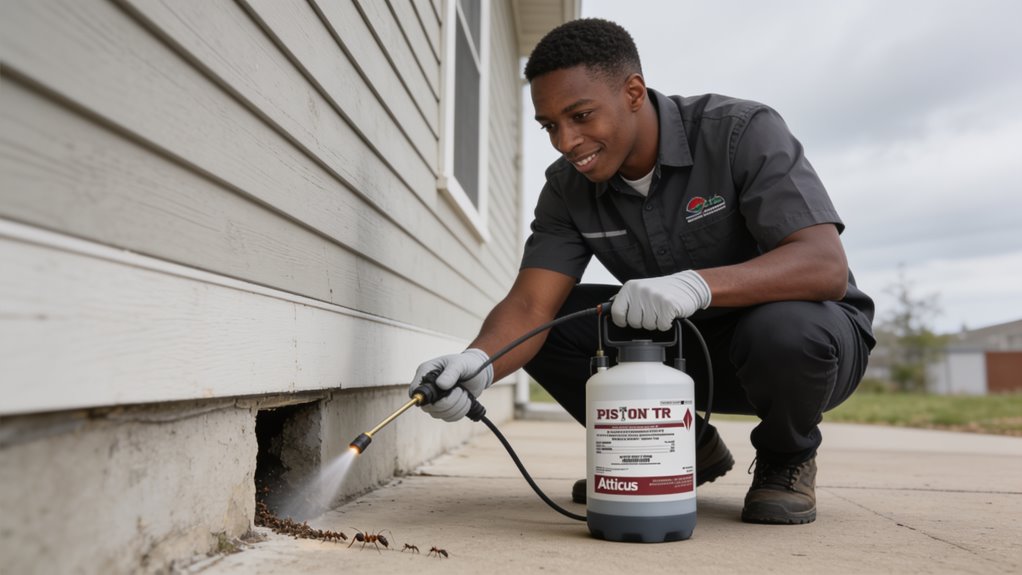
When choosing a chlorfenapyr spray, consider where and how you will use it. Think about the application scope and the specific pest you are targeting.
The active ingredient concentration usually ranges from 10 to 25 percent. This percentage determines the product’s strength and how often you need to reapply for effective pest control.
Nobody wants to overdose an area or run out of product too soon. Always check local regulations before buying, as tight rules can limit your options.
If you ignore these legal factors, you might end up with an expensive paperweight. For the best results, match the spray concentration to your specific pest infestation and treatment area.
Application Scope and Use
Choosing the right chlorfenapyr spray depends on where you plan to use it and what pests you are targeting. For greenhouse pests like mites and thrips hiding on leaf undersides, total release foggers deliver full coverage by dispersing billions of tiny particles.
Just remember that foggers are not suitable for small spaces or your apartment. If you need a solution for residential use or food handling areas, liquid concentrates work better because they are odorless and long-lasting.
Liquid sprays can be applied with handheld sprayers or power equipment to hit targeted spots or large areas. Foggers are great for large greenhouse spaces up to 3,000 cubic feet but require a clear, plant-free zone.
Liquid sprays offer versatile residual control that lasts up to three years for both commercial and residential pest management. The bottom line is to pick your application based on your space and the specific pest problem you face.
Active Ingredient Concentration
The concentration of the active ingredient in a chlorfenapyr spray really matters. You might think a little is enough, but in pest control, more often means more control and potential problems.
Higher concentrations like 21.45% liquid concentrates offer longer residual effects and more flexibility for dilution. They are better for heavy infestations or larger areas you need to treat. Meanwhile, a 4.5% aerosol fogger works great for rapid space treatments. It is not as potent for ongoing control you expect from a residual spray.
Higher concentrations need careful measurement. Overdoing it can harm plants or cause residue issues on surfaces. Low concentrations are perfect for spot treatments and light pests. Pricing varies, so more concentrate means more cost upfront but less frequent application.
The bottom line is to choose based on your pest severity and application scope. Buy the right strength for your target pest to get the best results.
Target Pest Range
Identify the pests you’re fighting. No point spraying a killer for ants when bed bugs are the actual problem.
Chlorfenapyr sprays are versatile, targeting a wide range of pests. For greenhouses, they handle thrips, spider mites, aphids, whiteflies, and fungus gnats, which are common nuisances.
On structure and perimeter, they take care of crawling and flying bugs. This includes ants, cockroaches, bed bugs, beetles, and silverfish.
Some specific pests include Argentine ants, Asian lady beetles, and confused flour beetles.
Pros: covers many pests, effective on both plants and structures.
Cons: overkill for small infestations, might be unnecessary for isolated pests.
Bottom line: match the spray’s target range to your pest problem. Otherwise, you waste money on unnecessary chemicals.
Ease of Application
Regarding the application of chlorfenapyr sprays, simplicity often trumps complexity. This is especially true if you are not a professional pest control guru.
A total release aerosol fogger makes life easier since there is no need to mix chemicals or wrestle with fancy equipment. You just place the canister about 3 feet above the plant canopy, away from leaves, press the button, and walk away.
The fogger releases billions of tiny particles that reach all leaf surfaces. No manual spray is needed, saving you time and effort on your pest control application.
A single unit covers up to 3,000 square feet. This makes it ideal for greenhouses or large spaces where you need an effective insecticide fogger.
Keep it steady during setup, and you are good to go. The bottom line is if you want hassle-free pest control, this chlorfenapyr method delivers without breaking a sweat.
Regulatory Restrictions
Before grabbing a bottle of chlorfenapyr spray, it pays to do your research about rules and regulations. These products are not the wild west of pest control. Some are banned in states like Alaska, Hawaii, New York, or Vermont due to local restrictions.
Whether you are spraying in a greenhouse or on a farm, check the product label to confirm your state’s approval. Each label comes with its own set of rules for legal use. You are limited to commercial or agricultural sites, not your cozy apartment. Foggers must stay in enclosed greenhouse structures only.
The label’s instructions are gospel with mandatory ventilation, plant-free zones, and all that jazz. If you skip the regulation check, you risk fines or losing the pesticide privilege altogether. Play it safe, read the fine print, and stay compliant.
Safety and Handling
When you’re choosing a chlorfenapyr spray, safety and handling should be your top priority. Do not just pick the first bottle you see, because this chemical needs careful respect like a slightly aloof pet.
Follow label instructions strictly. Missteps can lead to ineffective pest control or health risks.
This product is ready to use, saving you time and equipment. Remember you need a clear, plant free zone of three feet above the canopy for activation.
Store it in a cool, dry place like a basement shelf. That keeps its three year shelf life safe.
Not all formulas are approved everywhere, so check your local regulations. This can save you from fines or ineffective treatments.
Bottom line is that safety starts with awareness and careful handling. Read the label and do not wing it.
Frequently Asked Questions
Are Chlorfenapyr Sprays Safe for Indoor Use?
Chlorfenapyr sprays can be safe for indoor use if you follow the label instructions carefully. Treat those directions as your rule book for effective pest control.
Always keep kids and pets away from treated areas during application. After spraying, ventilate the room well to clear any airborne particles.
Avoid spraying near food, dishes, or pet bowls to prevent contamination. A typical bottle costs around $10 to $15 and covers a small to medium room.
Use this insecticide responsibly and you will eliminate pests without compromising indoor air quality. For stubborn bug problems, target cracks and crevices where pests hide to maximize residual killing power.
How Long Do Chlorfenapyr Sprays Remain Effective?
Chlorfenapyr sprays usually stay effective for about 2 to 4 weeks, but it depends on environmental factors. High heat, rain, and dust can wash away or degrade its power faster.
If you’re using it indoors, expect lingering pest protection for roughly a month, give or take. For outdoor pest control, you may need to reapply more often after heavy storms.
To keep pests at bay, reapply as recommended to maintain continuous residual activity. It is cheaper than a full scale pest invasion and just as effective when fresh.
Better safe than sorry, so follow the label instructions for the best results. This chlorfenapyr insecticide works best when you time your applications around the pest’s life cycle.
Can Chlorfenapyr Sprays Be Used Around Children or Pets?
No, chlorfenapyr sprays should not be used around children or pets. This powerful insecticide is highly effective for tough pest infestations, but it requires careful handling.
Imagine spraying for roaches or ants and your toddler toddles through the treated zone. That is not a safe scenario, especially for small bodies and sensitive systems.
Chlorfenapyr is designed for external use only, never indoors where kids or pets nap or play. Keep children and furry friends far away during application and until the product dries completely.
Always read the label carefully for specific re entry times and safety precautions. Smart buyers look for chlorfenapyr based pest control products that come with clear pet safety guidelines.
The bottom line is simple: play it safe and avoid spraying near your loved ones. For home pest control, choose pet friendly alternatives or professional treatments when kids are present.
What Is the Recommended Frequency of Application?
For ongoing pest control, apply chlorfenapyr sprays roughly every 2 to 4 weeks. Think of it as keeping a persistent pest ninja on duty to prevent a full scale infestation.
Reapply before the spray wears off and pests regain their footing. Your local climate, the specific pest species, and the treated surface all affect how long each application lasts.
Overdoing it won’t make pests disappear faster, it just wastes product and risks chemical buildup. Stick to the label instructions for the best results and smart pest management.
Are There Any Environmental Concerns With Chlorfenapyr Sprays?
Yes, chlorfenapyr sprays do raise environmental concerns that any smart pest control buyer should consider. This potent insecticide works by disrupting energy production in pests, but it can also harm beneficial insects, aquatic life, and contaminate soil.
To protect your local ecosystem, always avoid runoff into waterways and apply only as directed. Be cautious around bees and fish, as these unsung heroes keep your garden and aquatic systems healthy.
Follow the label instructions carefully, treating them like a survival guide for responsible pest control. By using chlorfenapyr sprays responsibly, you can keep pests at bay without wrecking the environment.
For effective pest management, pair this treatment with integrated pest control strategies to minimize environmental impact. Smart buyers often choose chlorfenapyr for tough infestations, but always prioritize eco friendly pest control measures first.


