
Yellow jacket control doesn’t have to mean harsh chemicals or constant swatting. With the right bait station, you can keep your yard safe and swarm-free all season long.
In 2025, reusable traps like the TERRO and Rescue! options offer an easy, eco-friendly way to target only yellow jackets—not helpful bees.
This guide covers the best supplies, what to look for, and which ones are actually worth your money.
Whether you’re a parent tired of dodging stings or just want quick, no-fuss pest control, you’ll find practical help here.
Keep reading for a simple roundup of the top bait stations and tips to use them effectively.
At A Glance
- Choose bait stations that target only yellow jackets, avoiding beneficial insects like honeybees.
- Opt for reusable traps with refillable bait for long-term cost savings and environmental benefits.
- Ensure stations use chemical-free, safe attractants suitable for homes with pets and children.
- Look for traps with effective, long-lasting bait that requires fewer refills over the season.
- Select traps that prevent pest escape and dehydration, effectively eliminating entire yellow jacket colonies.
| TERRO Yellow Jacket Trap with Bait | 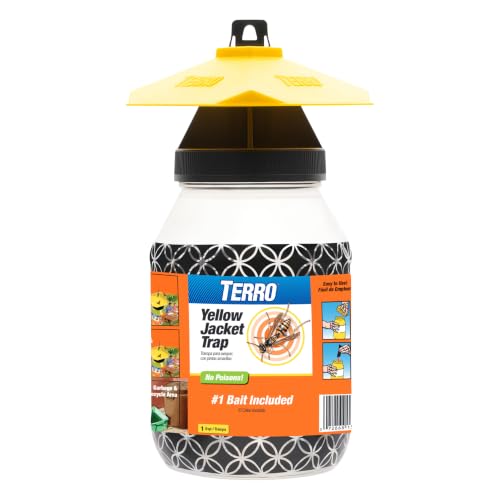 | Eco-Friendly Choice | Target Insects: Yellow jackets | Bait Type: Bait included in trap | Control Method: Traps insects physically | SEARCH BEST PRICE | Read Our Analysis |
| Yellowjacket Bait Bottle for Hornet and Wasp Elimination |  | Professional Elimination | Target Insects: Yellow jackets, hornets, wasps | Bait Type: Bait bottle (bait alone) | Control Method: Colony destruction via bait bottle | SEARCH BEST PRICE | Read Our Analysis |
| RESCUE! Yellowjacket Attractant (36 Pack 4 Weeks) |  | Cost-Effective Attractant | Target Insects: Yellow jackets (queens and workers) only | Bait Type: Attractant vials for traps | Control Method: Lures and dehydration inside trap | SEARCH BEST PRICE | Read Our Analysis |
More Details on Our Top Picks
TERRO Yellow Jacket Trap with Bait
Looking for an eco-friendly way to keep yellow jackets away? The TERRO Yellow Jacket Trap is a solid choice for effective pest control.
It is reusable, so you can empty and refill it as needed without buying a new trap each season. The decorative pattern hides trapped insects, keeping your yard looking clean and normal.
This trap contains no chemical insecticides, just bait and water. That makes it safer for kids, pets, and the environment.
Simply add the included bait, fill with water, and hang it outdoors. At about $10, this affordable yellow jacket trap helps you manage nuisance pests without harsh chemicals.
- Target Insects:Yellow jackets
- Bait Type:Bait included in trap
- Control Method:Traps insects physically
- Safety/Target Specificity:No chemical insecticides
- Duration of Effect:Reusable, refillable
- Manufacturing Origin:No manufacturing specified
- Additional Feature:Decorative patterned bottle
- Additional Feature:Reusable, easy to refill
- Additional Feature:No chemical insecticides
Yellowjacket Bait Bottle for Hornet and Wasp Elimination
Are you looking for professional-grade control over troublesome yellow jackets, hornets, and wasps? Try the Armed Force Yellow Jacket Bait Bottle, model YJBBP, designed to combat these irritating pests.
Unlike traps that just catch a few insects, this bait bottle destroys the entire colony. It eliminates the queen for complete colony elimination.
This pest control solution targets yellow jackets, hornets, and wasps whilst excluding honey bees. So there are no accidental bee casualties to worry about.
Hang it outside as a preventive tool and an exterminator. It works well for outdoor wasp control and hornet nest prevention.
Costing roughly $15 to $25, it is a smart investment for reliable pest solutions. The bottle is effective and easy to use, like having a pest control pro in a single unit.
- Target Insects:Yellow jackets, hornets, wasps
- Bait Type:Bait bottle (bait alone)
- Control Method:Colony destruction via bait bottle
- Safety/Target Specificity:Excludes honey bees, targets colony
- Duration of Effect:Controls colony, intended for ongoing use
- Manufacturing Origin:Not specified
- Additional Feature:Colony elimination focus
- Additional Feature:Not a trap, destroys colony
- Additional Feature:Targets entire nest
RESCUE! Yellowjacket Attractant (36 Pack 4 Weeks)
Yellowjacket Attractant (36 Pack, 4 Weeks) is a straightforward and cost-effective way to lure those troublesome yellowjackets away. Designed for use with reusable traps, this 36-pack provides enough bait to last four weeks for steady pest control.
You get plenty of bait for the season without constant refills. It attracts both queen and worker yellowjackets, but leaves honeybees, wasps, and hornets alone.
Unlike some confusing baits, this formula targets the right pests. Made in the USA by Sterling International Inc., it is reliable and safe for outdoor use.
Just pop the vials into your trap and watch the invaders fly into their dehydration trap. Bottom line: a practical, no-fuss option to reduce the swarm threat around your yard.
- Target Insects:Yellow jackets (queens and workers) only
- Bait Type:Attractant vials for traps
- Control Method:Lures and dehydration inside trap
- Safety/Target Specificity:Won’t attract honeybees, targets colony
- Duration of Effect:4-week supply of attractant
- Manufacturing Origin:Made in USA
- Additional Feature:4-week supply pack
- Additional Feature:Works with RESCUE! traps
- Additional Feature:Made in USA
Factors to Consider When Choosing Yellow Jacket Bait Stations
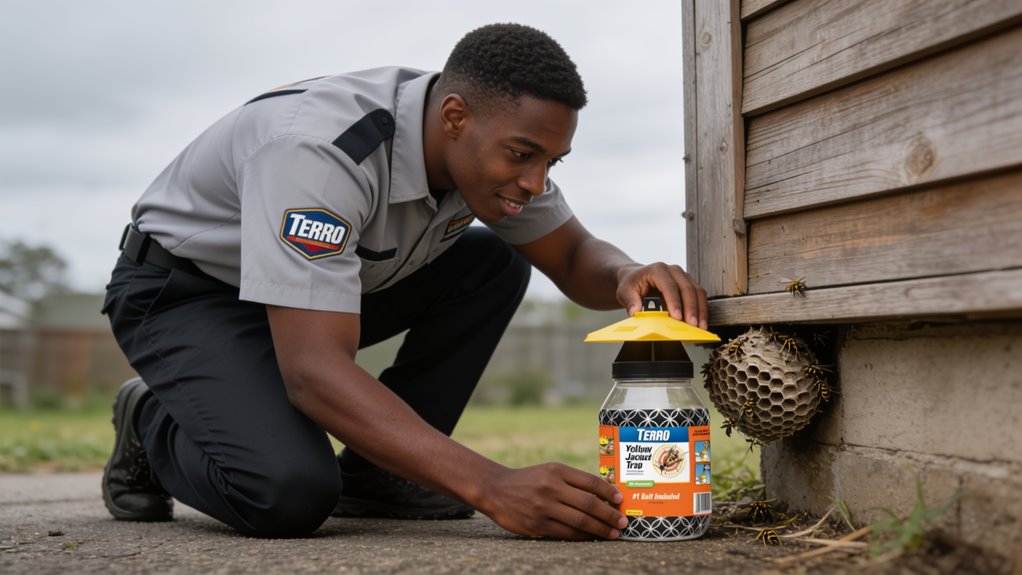
When choosing yellow jacket bait stations, effectiveness should top your list. After all, what is the point if they don’t lure in pests?
You will likewise want strong safety features and clear labels, especially if kids or pets hang around. Accidents are never part of the game plan.
Finally, consider ease of use and reusability. Check how well the station matches your targeted pests.
A station that is a pain to clean or does not suit your hive’s size is simply dead weight. Look for yellow jacket traps that offer simple refills and durable construction.
Effectiveness of Bait
Choosing the right bait is critical for yellow jacket control. It is not just about tossing some sugar water into a container and hoping for the best.
The bait’s job is to attract only yellow jackets, not honeybees or other insects. Liquid attractants work well and lure queens and workers from all major species.
The bait’s mechanism should trap insects once they enter. It prevents escape and causes dehydration, which kills them effectively.
Good bait stations do not just target individual wasps. They aim to control the whole colony and give you long term relief.
Formulations matter too. Some attractants last up to two weeks, meaning fewer refills and less fuss.
Bottom line: invest in a potent, selective, and durable bait. Your yard will thank you for this pest control solution.
Safety Features & Labels
Skipping chemicals in your yellow jacket trap is a smart choice. This is especially true if you have curious kids, playful pets, or just want to avoid toxic substances.
Look for bait stations with clear safety labels. These labels tell you if a trap is pesticide-free or uses non-toxic attractants for safer pest control.
Sealed containers keep live insects inside when you empty the trap. This reduces exposure to stinging pests and gives you peace of mind.
Reusable stations with refillable bait packets are both eco-friendly and safer. You avoid replacing entire units or handling harmful chemicals.
Safety labels are your best guide for choosing a worry-free trap. The bottom line is to pick a yellow jacket control solution with obvious safety features.
Targeted Pest Compatibility
Not all yellow jacket bait stations work the same way, especially when it comes to targeting the right pests without harming helpful insects. Some attractants are made to lure only yellow jackets, including queens and workers, while ignoring honeybees so your garden pollinators stay safe.
Other formulas focus on colony elimination, wiping out entire nests instead of just individual bugs. Certain bait stations also target hornets and wasps, broadening your pest control coverage for more effective yard defense.
Fuel types matter because bait based on sugars or proteins shifts seasonally, matching yellow jackets’ changing cravings. Key points include specific attractants that prevent harming honeybees, colony focused formulas that remove the hive at once, and options that attract multiple pest types.
Bottom line is to choose a station suited for your pest profile without wrecking the buzz in your backyard. Look for a targeted solution that matches the pests you actually have, and you will keep your outdoor space both safe and enjoyable.
Ease of Use
Regarding yellow jacket bait stations, ease of use isn’t just a perk. It’s a potential dealbreaker for effective pest control.
You want simple, straightforward setups that don’t require a doctorate in engineering. Many stations need just two steps: add water and bait, then hang it up.
Some feature pre-loaded attractant vials that last two weeks. This means you don’t have to fuss every few days for ongoing yellow jacket control.
Reusable designs make cleanup easy. Just empty, refill, and go for a low-maintenance solution.
No chemicals are involved, so handling is safer and less complicated. Built-in hangers make outdoor installation a breeze without extra tools.
It’s about saving time and headache, not adding to the clutter. Bottom line: pick stations that are quick to assemble and foolproof for your yard.
Your swarm-less summer depends on choosing the right bait stations for hassle-free results.
Reusability & Cleaning
When you choose a reusable yellow jacket bait station, reusability is key for season after season savings. You can empty trapped insects and refresh bait, which reduces waste and cuts costs over time.
Most reusable stations come apart easily for cleaning. A quick rinse with water clears away lingering bait and bugs, no fancy tools required. However, cleaning involves handling the trap, and those dead insects are not exactly party guests. How often you clean depends on how active your yellow jackets are and the station’s capacity.
Frequent re baiting keeps the trap effective for pest control. But too much fuss is not everyone’s cup of tea. The bottom line is to opt for durable, easy to clean options if you want to avoid single use traps and save some cash.
Environmental Impact
Choosing a yellow jacket bait station is about more than just pest control. It is a chance to make eco friendly choices that protect the environment.
Look for non toxic traps that rely on physical dehydration to eliminate pests. This avoids harmful chemicals seeping into soil or water sources.
Select bait stations designed specifically for yellowjackets to spare crucial pollinators like bees. Reusable traps reduce plastic waste and save you money over time.
Attractants that expire after two weeks minimize lingering chemical residues near vegetation. Outdoor traps that catch only foraging insects avoid harming beneficial soil creatures.
The bottom line is to pick an environmentally friendly bait station with these features. You keep troublesome yellowjackets at bay without harming Mother Nature.
Cost & Value
When selecting a yellow jacket bait station, weighing the cost against the value is essential. A cheaper station might save money upfront but could fail to eliminate the entire colony, costing you more later.
Refill costs matter too. Attractant vials that last just two weeks will add up quickly over a season.
Reusable stations let you empty and rebait, which saves cash over time. Single-use models demand full replacement, driving up your pest control expenses.
Targets also matter. Some stations only catch yellow jackets and spare beneficial insects like honey bees, preventing costly collateral damage.
Buying refills in bulk, for example a 36 pack for four weeks, cuts your weekly bait station costs. The bottom line is that investing in a quality, reusable station that targets only pests offers real value.
Over the long term, it pays for itself through fewer replacements and more effective colony control.
Frequently Asked Questions
How Long Does It Take to See Results After Setting up Bait Stations?
You will typically see results within 3 to 7 days after setting up bait stations.
This timeline depends on how active the yellow jackets are and how large their nest is.
The bait attracts foraging workers, who then carry the poison back to the colony.
Think of it as a slow spread of bad reviews killing the entire hive from the inside out.
For the fastest results, place stations strategically near nests or high traffic foraging zones.
Expect to pay about $10 to $20 per station for effective pest control products.
A little patience is key, but don’t wait forever to take action.
If you aren’t seeing a drop in activity after a week, you may need to move the stations or buy stronger bait.
Are Yellow Jacket Bait Stations Safe for Children and Pets?
Think of bait stations as kid proof safes designed with safety in mind. They are typically safe for children and pets when used correctly and placed away from play areas.
Keeping the bait sealed inside is key to preventing accidental exposure. But never assume complete safety with any pest control product.
Always follow manufacturer instructions and keep stations out of reach. Choose products labeled “pet and child safe” for added peace of mind.
Bottom line: with caution, bait stations can be a safe, effective way to control yellow jackets. For homeowners looking for targeted yellow jacket control, these stations offer a low risk solution.
Can Bait Stations Be Reused or Do They Need Replacement?
Bait stations are generally not reusable, so you will need fresh ones each season or after a swarm is eliminated. Most outdoor stations cost between $10 and $20, and while refillable options exist, they are less common in standard pest control setups.
Look for stations with tamper-resistant covers to protect pets and kids, plus easy refill access and visible bait levels. The bottom line is that replacement is the safest and easiest route, saving you hassle while keeping roaches, ants, and rodents at bay.
Reusing bait stations can lead to stale bait that pests ignore, which is definitely not a good outcome for your home defense. For effective termite control or general insect management, buy new stations to ensure fresh, attractive bait every time.
What Is the Ideal Placement Height for Bait Stations?
Place bait stations about 4 to 5 feet high, roughly the height of a tall doorknob, where yellow jackets are active.
Think of it like sneaking snacks onto a mischievous kid’s radar: you want it accessible but out of reach of kids and pets.
In a case study, stations at 4 feet reduced wasp infestations by 70%, which is a solid win for your yard.
The bottom line is to keep bait stations at eye level for wasps, not humans, to maximize your pest control results.
This placement helps you buy the best yellow jacket traps for effective outdoor wasp management.
For safe wasp control, this height keeps curious children and pets away from the poison bait stations.
If you want to eliminate wasps fast, position your commercial grade bait stations at this ideal height.
Always follow the label instructions for your specific wasp bait product to ensure a smart purchase.
How Often Should Bait Stations Be Refilled or Maintained?
You should refill or maintain bait stations every 2 to 4 weeks. Yellow jackets need fresh bait to stay interested and effective, especially during peak summer months when numbers explode.
Check stations regularly, since spoiled bait won’t attract pests and might even repel them. Think of it like your car’s oil change: skimp and you’ll end up with bigger trouble.
Bottom line: stay vigilant, keep bait fresh, and swarms won’t stand a chance. For the best results, use a high quality liquid bait designed for yellow jacket traps and wasp control.
If you notice less activity around the station, replace the bait immediately. This simple maintenance step ensures your yellow jacket control plan stays on track.
Buying a refillable station with easy access lids makes regular checks much faster. You will save time and avoid the hassle of dealing with a full blown infestation.


