
Ticks can live two to three years total, but most of that time is spent waiting—not feeding. Adults survive over a year without a blood meal by slowing their metabolism to a near halt, hiding in leaf litter through cold or dry spells.
Nymphs last six to eight months hungry, which makes them a sneaky threat since they’re tiny as poppy seeds and bite in late spring. Black-legged ticks stretch their full life cycle across three years, binge-feeding on three separate hosts along the way.
If you’re dealing with ticks in your yard or on a pet, you need to know which stage is active right now—and how long they can outlast your patience. This guide breaks down tick lifespans by species, survival tricks, and the exact windows when they’re most likely to latch onto you.
Read on for the timing and control steps that actually cut their numbers down.
At A Glance
- Ticks typically live two to three years.
- A tick’s life cycle includes egg, larva, nymph, and adult stages.
- Black-legged ticks often take three years to complete their life cycle.
- Some tick species finish their life cycle in just two years.
- Adults can survive over a year without a blood meal.
What Exactly Is a Tick’s Lifespan?
A tick’s lifespan can range from two to three years, depending on the species and its environment. For example, black-legged ticks often take a full three years to complete their life cycle, while others finish in just two.
A tick’s lifespan can range from two to three years, depending on the species and its environment.
If you are dealing with a tick infestation, professional pest control services can help identify the species and break the cycle. Key factors like molting sites and host preference determine how long ticks live in your yard.
A three-host tick might start feeding on a mouse, then a rabbit, and finally a deer. This picky feeding behavior extends their timeline, making it harder to eliminate them without targeted pest control treatment.
Understanding these patterns helps you choose the right pest management strategy for your property. For effective tick removal, contact a local pest control expert to inspect potential nesting areas and apply effective tick repellents containing Picaridin for up to 12 hours of protection.
The Four Life Stages of a Tick (Egg to Adult)
The four life stages of a tick begin with egg development and end with the blood seeking adult. A fully fed female drops off her host in spring, laying thousands of eggs in leaf litter. No blood meal is needed for this stage, just dampness and warmth.
Next, larvae hatch as tiny, six legged creatures seeking their first small host, like a mouse. One blood meal fuels their molt into a nymph, a crucial step in pest control. Nymphs then hunt for a second host, often a squirrel or bird. Another meal leads to molt into the eight legged adult stage.
Finally, adults target larger hosts, including deer, dogs, or humans. Females feed once to mate and lay eggs, completing the cycle. The whole process, from egg to adult, takes at least two to three years. Understanding this life cycle helps with effective tick prevention for your property. For reliable defense against ticks carrying Lyme disease, apply DEET-based sprays evenly to exposed skin and clothing. If you need professional tick removal, contact a local specialist today.
Why Blood Meals Extend Each Stage of a Tick’s Lifecycle
Ticks are parasites that need blood to grow, and each meal powers a major leap forward in their lives. The blood meal duration, usually three to ten days of feeding, determines how much energy a tick stores for molting.
A three-host tick like the black-legged species takes three separate meals across its two to three year lifecycle. Each feeding triggers molting inside a sheltered nest, pushing development forward.
Without these meals, ticks starve and die, so effective pest control around your yard can stop them from reaching the next stage. Host number influence matters because more meals mean more chances for the tick to feed on your pets or family.
A full belly is not just a snack, it is a ticket to the next stage of growth. Think of it as a parasitic puberty powered by mammal juice, no awkward growth spurts required.
Just a slow, patient crawl toward adulthood that requires professional tick removal to break. If you spot a tick on your property, consider a yard treatment to disrupt their lifecycle and prevent infestations. Many treatment granules remain effective for about 2 to 3 weeks and require reapplication during tick season for optimal control.
How Long Can Unfed Ticks Survive Without a Host?
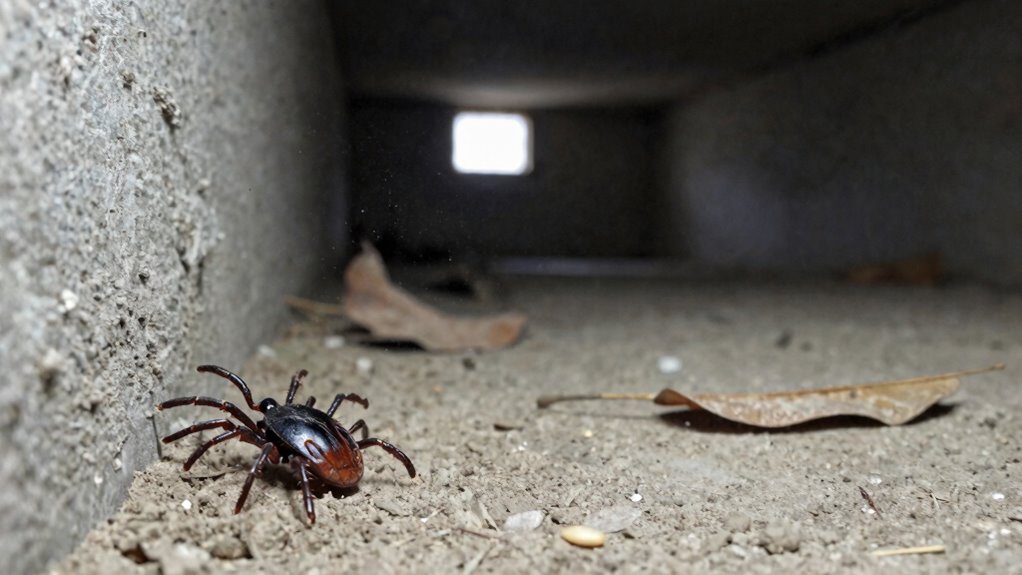
Unfed ticks can survive for months without a host, making pest control a serious challenge. Nymphs often live six to eight months, while adults can last over a year in cool, humid conditions.
They slow their metabolism and hide in leaf litter, waiting patiently for a host to pass by. Water conservation is crucial because ticks lose moisture slowly through their waxy cuticle.
A low metabolic rate helps them burn energy at a crawl, similar to a laptop on battery saver mode. Sheltered microhabitats, like under logs or in animal burrows, protect them from harsh weather.
Diapause, a kind of hibernation, pauses their development until conditions improve. To remove ticks from your property, focus on eliminating leaf piles and tall grass where they wait.
Professional pest control services can treat yard hotspots with targeted sprays. Reducing humidity around your home also forces ticks to dry out faster. For clothing and gear that offer lasting defense during outdoor work, treatments like Ranger Ready Permethrin provide up to 40 days of protection.
If you need immediate pest removal, contact a local exterminator for a full property inspection. Acting early prevents these patient arachnids from finding a host in your home or yard.
Do Ticks Live Two or Three Years? (Lifecycle Explained)
Tick lifespans vary, but most black legged ticks take about three years to complete their lifecycle. A two year cycle is possible only with warm winters and quick host finding.
For pest control, understanding this timeline helps you plan treatments effectively. Ticks can slow development and overwinter as unfed larvae or nymphs.
They resume activity the next spring, which is why year round tick prevention is so important. Most three host ticks follow this pattern: egg, larva, nymph, adult.
While two years is technically possible under ideal conditions, three years is the norm. Think of it like a road trip that might take an extra season.
Ticks are never in a rush when survival is at stake. Using treated clothing can provide persistent protection that lasts up to 70 washes. If you need tick removal or yard treatments, professional pest control services can break this cycle.
One-Host vs. Three-Host Ticks: Which Lifecycle Lasts Longer?
Comparing one-host and three-host ticks is like comparing a long road trip with one driver to a relay race with multiple handoffs. The one-host lifecycle, where ticks stay on the same animal from larva to adult, typically spans over two years and often completes faster because there is no time wasted searching for hosts.
The three-host lifecycle takes three years to finish, with each stage requiring a separate blood meal and a risky quest for a new animal. One-host ticks feed continuously, while three-host ticks feed only once per stage.
One-host ticks avoid the danger of finding new hosts, but three-host ticks face three separate searches. One-host ticks have higher survival rates because they skip off-host molting, which is a key advantage for pest control. However, foggers cannot reach hidden tick nests effectively, so repeated treatments may be necessary.
One-host cycles finish in two years, whereas three-host cycles stretch to three. In short, the one-host lifecycle wins for speed, but the three-host lifecycle lingers longer.
When Are Ticks Most Active in Your Yard?
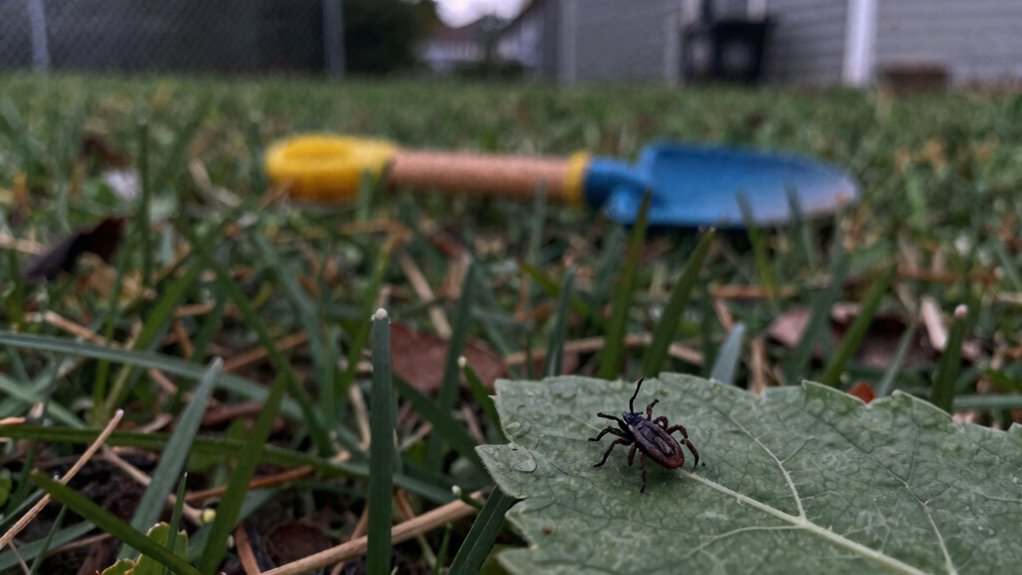
Ticks become active as soon as the ground warms to a steady 40°F, and their cold-blooded nature means soil temperature and snow cover call all the shots.
In a typical yard, your highest risk window runs from late spring through early fall, so plan your pest control routine around that stretch.
Nymphs, the tiny biters that are easy to miss, start hunting in late spring, while adult ticks stir again in fall to seek a host.
Warm, damp conditions are their hunting ground, which is why you’ll see activity spikes right after rain, but hot, dry afternoons make them retreat and wait for better humidity.
To reduce tick populations near your home, focus on mowing your lawn short, clearing leaf litter, and trimming brush along edges and walkways.
These simple habitat modifications are your best defense against a yard infestation, and they cut down on the need for frequent chemical treatments.
Reapply permethrin yard spray every 2 to 4 weeks for consistent pest control during this active season.
Check yourself, your kids, and your pets thoroughly after any yard work, especially between May and September, which is your high-risk season for tick encounters.
If you notice a spike in activity despite your cleanup efforts, consider contacting a local exterminator for targeted barrier sprays or granules that kill nymphs and adults on contact.
Remember, that 40°F threshold is your early warning sign, so start your prevention checklist as soon as the frost breaks in spring.
Stay vigilant through those peak months, and you’ll dramatically lower your chances of bringing a tick indoors after a simple afternoon of gardening.
Can Ticks Survive Winter Snow and Cold Temperatures?
Ticks are surprisingly tough, and yes, they can survive winter snow and cold temperatures. It is not a full freeze out for these resilient pests. They simply overwinter as larvae, nymphs, or adults, waiting in sheltered spots like leaf litter or animal nests. Their activity only stops when the ground is buried in snow or air temps drop consistently below 4°C. The moment bare ground appears, those little blood seekers can be back on the move. This is why professional pest control services recommend year round property inspections to prevent tick infestations. Homeowners should focus on tick removal around yards before winter sets in. Eliminating leaf piles and tall grass reduces the safe harbor ticks need to survive the freeze. Even after a snow melt, check pets and outdoor gear for these hidden threats. Taking proactive steps for tick control now can stop a spring outbreak before it starts. A tick collar can offer continuous protection during these active months.
Overwintering Stages
Winter’s ability to kill ticks is often overestimated. These pests have clever strategies for winter survival, including dormant molting when temperatures plummet.
Ticks simply pause development, waiting for warmth to resume their blood-seeking ways. Larvae burrow into leaf litter and enter a dormant state that halts growth for months.
Nymphs seek shelter under logs or bark, where insulated microclimates keep them alive. Adults often climb higher into vegetation and drop to the snow surface when active above freezing.
Engorged females find protected crevices for dormant molting, then lay eggs come spring. This lazy dormancy is like hibernation with a side of patience, letting ticks outlast cold snaps.
Each stage targets different overwintering spots to ensure at least some survive. So don’t assume a deep freeze solves your tick problem.
They are better at waiting than you are at shoveling. For effective pest control, focus on habitat management and early spring treatments to catch ticks before they feed again, including the use of permethrin-treated clothing with protection lasting up to 70 washes.
Snow-Free Ground Activity
Although a blanket of snow might look like a natural tick killer, the reality is more like a winter vacation for them. Snow actually insulates the ground, keeping soil temperatures above freezing, so ticks aren’t dying, they are just waiting.
Snow free patches like south facing slopes or animal trails become prime real estate for winter activity. Adults might even quest for a host on a mild, sunny day.
Tick molting requires warmth, but nymphal diapause, a sort of hibernation pause, lets them freeze their development safely. Do not assume winter means zero risk.
If the ground is bare and temps are above freezing, a tick could latch onto you. That is why residential tick control and personal checks matter year round. A stainless steel tick removal tool is essential for safe extraction during any season.
Check yourself after any outdoor winter stroll. The bottom line is that snow is a comfort blanket, not a weapon.
Stay vigilant, even in January, and consider professional tick treatments for your property to prevent spring infestations.
Cold Temperature Thresholds
A hard freeze is not a guaranteed tick apocalypse, despite popular belief. These resilient arachnids use a sluggish metabolism to survive cold temperatures at a glacial pace.
Climate change can cause problems by waking them during warm winter spells. Ticks stay active when the ground is snow free and temperatures stay above a chilly 4°C.
Snow cover acts like a cozy blanket that insulates them from lethal cold snaps. Sheltered spots like leaf litter or animal nests become their warm bunkers.
Black legged adults often emerge during thaws, ready to find a host for a blood meal. For effective tick pest control, focus on yard treatments before and after winter thaws.
Homeowners seeking tick prevention should target leaf litter and wood piles near the house. These buyer ready steps help keep your property safe from tick encounters all year. Using yard sprays labeled safe for bees and butterflies can naturally treat outdoor areas around these hotspots.
Why Adult Ticks Can Survive an Entire Year Without Feeding
An adult tick’s metabolism can slow to a near halt, allowing it to survive for over a year without a single blood meal. This endurance sounds more like a superpower than a parasite’s idle trick, making them a tough target for pest control efforts. The ability hinges on hibernation physiology, where the tick’s body essentially presses pause. Its internal systems drop to a minimal energy burn, preserving fat stores from its last meal. Climate adaptation plays a key role, as adults time their questing for cooler months to avoid heat that would burn through resources. They tuck into leaf litter and remain dormant until a passing mammal triggers a reawakening. Whereas a nymph or larva might starve in months, the adult’s built-in metabolic brakes make it a patient, long haul survivor. However, quick-kill powders containing synthetic pyrethroids can provide immediate contact control of ticks in dry areas, lasting up to eight months. If you need tick removal or prevention services, this persistence means regular yard maintenance and targeted treatments are essential. It is less a bug and more a tiny, eight legged camel. Contact a local pest professional if you notice signs of an infestation.
How Long Can a Tick Stay Attached During Its Lifecycle?
An adult tick can feed for days, even weeks, at a time. The real question isn’t just about a single meal, but how long it stays attached across its entire lifecycle.
Most ticks, like black-legged ones, spend roughly two to three years hopping between hosts. Each blood meal lasts anywhere from a few days to nearly two weeks.
That’s the tick attachment pattern: they binge, drop off, molt, and repeat. Larvae attach for 3–5 days of feeding.
That’s the tick attachment pattern: they binge, drop off, molt, and repeat.
Nymphs feed for 4–7 days before dropping off. Adult females are the marathoners, staying attached for 7–14 days.
Males often skip feeding entirely, instead focusing on hunting mates. Total feeding duration across all stages is maybe a month, tops.
Not years of feeding, just brief yet grueling feasts. The bottom line is that their attachment periods are short, but the waiting between meals is legendary.
If you’re dealing with attached ticks, quick tick removal with fine-tipped stainless steel tweezers helps prevent disease transmission. Consider professional pest control for ongoing protection in your yard.
When Are Ticks Most Dangerous to Humans?
Ticks are most dangerous when their small size and hunger align. The greatest threat comes from nymphs during late spring and early summer.
They are tiny and hard to spot, often carrying germs from their first host. For effective tick control, use repellents with 20% Picaridin and check your skin carefully after time outdoors.
Fall brings a second danger, as adult ticks become active in large numbers. These larger pests seek out people for their final blood meal before winter.
Professional pest treatment can reduce tick populations around your yard. To protect your family, watch for bites and remove ticks promptly with tweezers.
Spring and Summer Nymphs
Two life stages cause most tick borne disease in humans: adult females and nymphs. Nymph emergence in late spring is the real danger zone.
These tiny, eight legged terrors are small enough to escape notice yet large enough to transmit pathogens during their summer feeding frenzy. Nymphs are about the size of a poppy seed, making them brutally hard to spot.
They are most active from May through July, peaking just as people hit the trails. Their bite is often painless, so you won’t feel a thing until symptoms appear.
Black legged nymphs are the primary carriers of Lyme disease bacteria. Don’t let their size fool you, a single nymph can infect you before you even know it is there.
Bottom line, nymph season is no joke. Pest control experts recommend thorough tick checks after any outdoor jaunt, especially in June.
You can reduce your risk by using approved tick repellents and treating clothing, such as Permethrin-treated gear that lasts up to 70 washes. Check yourself carefully in hidden spots to stop a bite before it leads to illness.
Fall Adult Spikes
While nymphs pose a serious threat in late spring, fall brings a different but equally dangerous wave of tick activity.
These fully grown adults have molted from nymphs and focus on finding a final blood meal before winter.
Their host seeking behavior intensifies as temperatures cool, making them a real nuisance on late-season hikes.
Adult ticks are easier to spot than smaller nymphs but far more persistent and aggressive.
They engage in adult overwintering by actively questing until snow covers the ground.
If temperatures rise briefly above freezing, they will even resume hunting.
A single adult female can feed for days.
The bottom line is that fall adults are a serious, though predictable, danger.
Check yourself thoroughly after outdoor chores to prevent a tick infestation.
One missed tick can mean a long, unpleasant winter of worry.
Stay vigilant and use professional pest control treatments for your yard.
You need to reduce the tick population before it gets too cold.
Frequently Asked Questions
Can Ticks Survive Indoors During Winter Months?
Yes, ticks can absolutely survive indoors during winter months, and that’s a fact many homeowners overlook.
The combination of indoor humidity and steady warmth from your heating system lets them skip their normal winter dormancy altogether.
That means tick eggs can even hatch in a crawlspace, basement, or garage without any freezing temperatures. However, tick survival indoors usually depends on finding a host, like a pet, mouse, or other rodent, to feed on.
The good news is that an indoor winter isn’t a death sentence for you, but it’s not one for them either. Many ticks simply wait out the cold in wall cracks, baseboards, or under furniture, then emerge active when spring rolls around.
If you’re worried about a tick infestation in your home, focus on targeted pest control products like indoor tick sprays, permethrin-based yard treatments, and flea and tick prevention for your pets. You should also seal entry points, vacuum regularly, and wash pet bedding in hot water to break their lifecycle.
For a smart purchase, look for EPA-registered indoor insecticides labeled for ticks, plus a good desiccant dust for cracks and voids. Rodent control is another critical step, because mice and rats bring ticks inside and give them a blood meal.
If you suspect an active indoor tick problem, a professional pest control service can apply residual barrier treatments in high-risk zones like basements and utility rooms. That proactive approach is far cheaper than dealing with tick-borne diseases or a full-blown infestation later.
Do All Tick Species Have the Same Lifespan in Different Climates?
No, not all tick species share the same lifespan, and climate plays a huge role in how long they live. Cold tolerance lets some survive freezing winters, while other species die off when temperatures drop.
Humidity dependence keeps many ticks active only where it is damp enough for them to thrive. For example, black legged ticks stretch their life cycle to three years in cool regions, while one host ticks in dry climates finish in just two.
If you are dealing with a tick infestation in your yard, a targeted pest control spray can break their life cycle faster. Understanding local weather quirks is key when choosing the right tick prevention treatment for your property.
How Do Ticks Find Their Hosts When No Animals Are Nearby?
Ticks find hosts by detecting the CO2 you exhale and sensing even tiny vibrations from your footsteps. These signals trigger their “questing” behavior, where they stretch out from grass tips, ready to latch onto a passing host.
Even when no animal is nearby, ticks can wait for months until you walk through their zone. That is why professional pest control treatments around your yard are essential for breaking their life cycle.
A tick’s sensory system acts like a silent alarm system for warm blooded bodies. If you move through tall grass or brush, your motion and carbon dioxide seal your identity as the target.
Investing in perimeter tick sprays or granular repellents creates a barrier that disrupts their questing pose before they ever reach you. For high traffic areas, consider yard tick foggers that neutralize these pests on contact.
Bottom line: movement plus CO2 equals ticks on patrol. Stay aware and choose proven tick control products to protect your family and pets from Lyme disease and other tick borne illnesses.
Can Ticks Lay Eggs Without Taking a Blood Meal First?
No, most ticks cannot lay eggs without taking a blood meal first. This blood feeding is a biological requirement for tick reproduction.
However, a rare few species exhibit autogenous egg production, meaning they can lay a small batch without feeding. This unfed tick reproduction is the exception, not the rule, and serves as a backup plan rather than a standard feature.
For the vast majority of ticks, a meal is mandatory before egg laying. If you are dealing with a tick infestation, professional pest control services are your best bet for full removal.
Don’t count on encountering a tick that skipped lunch. For effective tick prevention, focus on yard treatments and protective sprays to avoid any chance of home infestation.
When choosing a pest control product, look for solutions that target ticks at all life stages. This ensures you stop reproduction before it starts, giving you long lasting protection.
What Happens if a Tick Cannot Find a Host for Over a Year?
If a tick cannot find a host for over a year, it likely dies unless it is an adult. Larvae and nymphs typically only survive a few months without a blood meal, so a full year without feeding is usually fatal for them.
Adult ticks, however, can overwinter and resume questing behavior come spring. This means they crawl up grass blades to grab a passing animal, which is why professional pest control treatments around your yard are so effective.
For homeowners dealing with tick infestations, applying a targeted tick spray in early spring can stop adults before they lay eggs. You should also consider a yard barrier treatment if you have pets or children playing outside.
The right pest control product can make all the difference in breaking the tick life cycle. Look for fast acting sprays that kill on contact and provide residual protection for months.
Ticks are tough, but with the right prevention plan, you can keep your family and pets safe. A single treatment now can save you from weeks of worry later.


