
Yes, bed bugs can travel through apartment walls. They squeeze into gaps as thin as a credit card around electrical outlets, baseboards, and pipes.
Studies show they migrate between units in as little as two weeks, with female bed bugs moving nine times more often than males. Treating just one apartment won’t work—whole-building coordination is key.
Hallway intercept traps, costing $10–$30 each, help spot movement early. Want the full breakdown of costs, timing, and prevention steps? Keep reading for the top products that stop the spread.
At A Glance
- Bed bugs actively crawl through tiny gaps in walls, around outlets, and under baseboards.
- Shared walls act as highways; gaps as thin as a credit card allow passage.
- Bed bugs travel through utility pathways such as pipes, plumbing chases, and ceiling cracks.
- Studies confirm bed bugs disperse through walls to find new apartments within two weeks.
- Vacant apartments can remain infested; bugs survive months and travel through shared walls.
Yes: Bed Bugs Travel Through Walls and Shared Spaces
A wall is not a barrier. Bed bugs travel through walls, ceilings, and floors to find new apartments.
They don’t need a ride on your shoes; they walk. Studies confirm active dispersal, not just passive hitchhiking.
Adult females are the main movers, heading out more than males. Their reproduction rate depends on frequent feeding, but they can survive months without a meal.
Adult females are the primary dispersers, traveling more than males and surviving months without feeding.
Dispersal happens in all directions: up, down, and across hallways. Infestations spread quickly, with one building going from 1 to 68 units in 25 months.
Always inspect units above, below, and next door to known problems. For effective bed bug control, treating a single apartment won’t work; coordinated whole-building treatment is critical.
You can install reusable, sturdy traps under furniture legs to monitor for active movement between units.
If you suspect an issue, schedule a professional inspection to protect every adjacent living space. Act fast, because active dispersal means prevention requires a building-wide approach, not just spot treatments.
The Main Dispersal Routes: Walls, Outlets, and Pipes
Cracks, crevices, and utility pathways are the main dispersal routes bed bugs exploit to travel between apartments. Behavioral triggers, like a missing host meal, push them into active dispersal through walls, outlets, and pipes.
Mark-release studies show bed bugs crawl through gaps around electrical outlets and baseboards, moving from infested to neighboring units within two weeks. Pipes, especially those in shared plumbing chases, act like highways for these hungry hitchhikers.
Adult females are the most adventurous, nine times more likely to wander than nymphs. So, forget just checking your bed. Inspect every outlet plate and pipe gap for effective bed bug control.
Because if you think your walls are solid, bed bugs are here to prove you wrong. Bottom line: seal those utility openings with caulk or foam to prevent the infestation from spreading. Use an integrated pest management approach and call a professional exterminator if you spot signs of an active invasion.
As you seal those entry points, you can also establish a scent barrier using plant-based repellents with peppermint or lemongrass oils to further deter crawling pests from these same pathways.
How Bed Bugs Move Between Apartments in Your Building
Bed bugs travel actively between apartments by crawling through tiny gaps in walls and under doorways, not just by hitching rides on luggage.
Scientific mark-release-recapture studies show that within two weeks, bugs from one infested unit will march into neighboring apartments above, below, and across the hall.
Adult females are nine times more likely to move than males, so they lead the spread into new areas. This means pest control inspectors must check every adjacent unit plus those across hallways.
Treating just one apartment is like patching one hole in a sieve. A whole-building, coordinated treatment plan is the only effective way to stop the infestation from growing.
To catch these migrating pests early, place non-toxic monitors under each furniture leg to intercept bugs before they climb onto beds or couches.
If you need professional extermination services, contact a licensed specialist for a full building inspection. Taking fast action with a comprehensive approach protects your home and your neighbors.
Active Dispersal Between Units
Mark release recapture studies confirm bed bugs actively disperse between apartments, often within two weeks. Adult female bed bugs are significantly more likely to roam than males. 11 of 12 marked adults found in neighboring units were female. This movement happens in all directions, including above, below, adjacent, and even across hallways. Crucially, bed bugs released at a host sleeping site still traveled to other apartments. This means an infestation does not stay put. One study found dispersal peaked between 16 and 28 days. The number of bugs moving was not tied to how many were in the source apartment. That means even a small problem can spread fast. If you suspect bed bugs, assume they are already scouting the neighbors. Residual control from sprays like Crossfire Liquid Concentrate can help stop this spread.
Movement Through Shared Walls
Shared walls are not barriers, they are highways for bed bugs. Their flat, armor-like anatomy lets them slip through gaps as thin as a credit card around baseboards, pipes, and electrical outlets.
They crawl between units from bedrooms or living rooms, proving no room is safe from their wanderlust. Chemical repellents can actually backfire and scatter bugs deeper into walls, pushing them toward other apartments.
Their thin bodies squeeze into tiny cracks, turning a single hole into a freeway for dozens of bugs. Sticky traps confirm they cross hallways too, using door gaps to reach neighbors across the hall.
Unfed nymphs last over four months in empty apartments, waiting for a new host like patient hitchhikers. That is why professional bed bug treatment plans should always include inspecting every connected unit, even vacant ones.
These pests do not care about leases or borders. For effective bed bug control, examine all shared walls and seal entry points to stop the infestation from spreading.
Heat treatment can eliminate bed bugs in all life stages at 113°F within an hour, ensuring no survivors spread to other units.
Inspection and Treatment Plans
So, knowing that shared walls are practically a bed bug highway system, the logical next question is how to stop them from treating your entire building like a cheap hotel with connecting rooms.
The answer starts with pest monitoring. Interceptor traps placed under bed legs and sticky traps near baseboards catch early travelers before they explode into a full infestation. A twenty dollar trap investment can save thousands in widespread extermination costs.
Resident education is similarly critical. Teach neighbors to inspect secondhand furniture and report suspicious bites immediately. They should avoid moving infested mattresses through hallways to prevent spreading bed bugs.
When one unit gets proactive, the whole building benefits. Treating solo is pointless, so coordinated multi unit treatment is the only way. Inspect above, below, adjacent, and across hallways with no exceptions.
Vacant units still harbor survivors for months. Bottom line, stop the highway traffic or expect new guests at your expense with ongoing bed bug control efforts.
The 14-Day Timeline: How Fast Do Bed Bugs Spread?
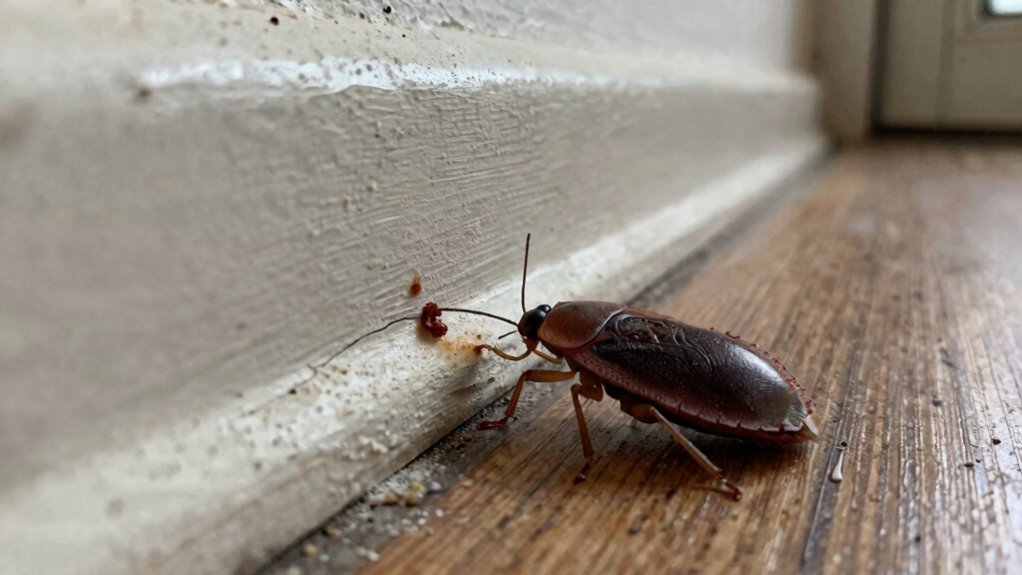
Active dispersal moves bed bugs in all directions, including above, below, and across hallways. They do not travel only through shared walls.
Active dispersal moves bed bugs in all directions, including above, below, and across hallways.
Adult bed bugs are nine times more likely to scatter than nymphs, but even tiny first instars can roam through gaps around pipes and baseboards. Vacant units will not stop an infestation from growing.
One empty apartment actually saw the highest dispersal rate, with surviving adults caught over 100 days later. For a quick bottom line, once you spot bed bugs, start inspecting every adjacent unit immediately.
Waiting two weeks turns one problem into many, so prompt professional pest control is essential. Acting fast with preventive treatments can save you time and money. Using a TSA-approved travel spray on luggage and belongings can help prevent carrying bugs to new locations.
Why Female Bed Bugs Are the Primary Dispersers
The data clearly shows that female bed bugs are the main culprits for traveling between apartments. They are not just occasional wanderers.
In mark-release-recapture studies, 11 of 12 marked adults found in neighboring units were female. This strong gender bias in migration is key for pest control strategies.
This higher female dispersal rate means a lone pregnant female can start a new infestation next door. She does not need a partner, making them the primary dispersers in multi-unit buildings.
For effective bed bug treatment, targeting these migratory females is essential. You can prevent spread by using monitors and sealing cracks in walls and baseboards. For a quieter alternative, ultrasonic pest repellers offer a chemical-free method to deter bugs in your bedroom.
Dispersal Patterns by Gender
Research shows a clear gender gap in wandering behavior. Female bed bugs, especially mated ones, are the building’s main movers.
Dispersal triggers like overcrowding or host absence push them out first. Starved female dispersal is a survival tactic, so they will crawl through wall gaps, under baseboards, or across hallways to find a fresh meal.
Males tend to stay put near the last blood source. Females outnumber males in interceptor traps by nearly 9 to 1, which suggests they scout new rooms more aggressively.
Unfed females can wait out over five months before leaving. Once they go, they travel fast, up to 20 feet a night.
Their egg-laying need for protein makes them risk-takers. Infestations spread fastest through female-led journeys, so professional bed bug treatment should target these scouts.
Bottom line: if you see one female, assume hidden sisters are already touring next door. Schedule a thorough inspection and heat treatment to stop the spread before it reaches new rooms. To stop these scouts in their tracks, a fine layer of food-grade diatomaceous earth applied along baseboards and in cracks can mechanically kill them within 48 hours.
Higher Female Migration Rate
Driven by biology, not bravado, female bed bugs hit the road more than males. They are nearly nine times more likely to disperse, according to mark release recapture studies.
These studies reveal that bed bug sex ratios skew heavily toward females in dispersal events. Of 12 marked adults recovered from neighboring units, 11 were female.
This isn’t a random walk. It’s a calculated spread by females already mated and ready to found new colonies alone.
Nymphs stay put, but adult females bolt. For property managers, this means one wandering female can seed an entire building’s infestation.
Focus on female hotspots during your bed bug inspection. Check baseboards, electrical outlets, and hallway thresholds.
Ignore the gender gap at your own peril. The takeaway is clear: female bed bugs are the invasion’s advance scouts.
Stop them, and you stop the spread.
Vacant Apartments Still Harbor Bed Bugs for Months
Can bed bugs survive in vacant apartments with mean daily temperatures of 23°C, ranging from 18 to 41°C.
Unmarked small nymphs disappeared after 134 days, but larger bugs lingered much longer.
Active dispersal from vacant units remains a real risk to neighbors.
Professional pest control inspection is essential for unoccupied properties.
Some repellent candles use natural plant-based oils like citronella and lemongrass to deter insects.
Hallways and Entry Doors Are a Hidden Bed Bug Highway
Research confirms hallways serve as a major dispersal route for bed bugs. Hallway interceptor traps captured marked bugs moving between apartments, proving these spaces are not just for passing through.
Bed bugs can start their journey from any room in an infested unit, not just the bedroom. This makes the hallway a hidden highway for infestation spread and a critical area for targeted pest control.
If you want to stop bed bugs from traveling, place monitoring traps along baseboards and entry doors. Professional treatment plans often include inspecting these shared corridors to catch an outbreak early.
Using traps like reusable interceptor traps under furniture legs near entryways can provide early detection and a climb-proof barrier to block their travel.
Proof Through Research
The hallway outside your apartment door is a busy, hidden highway for bed bugs. Research confirms that these pests actively disperse between units, not just by hitchhiking on luggage or clothing.
A study using mark-release-recapture methods showed bed bugs travel to neighboring apartments within 14 days. They move above, below, and across hallways with ease.
Adult females are disproportionately likely to roam. In fact, 11 of every 12 marked adults found in adjacent units were female.
Unfed nymphs can survive 4.5 months without a host. Adults can live over 5 months, so vacant apartments remain infested.
Sticky tape at doorways caught an average of 3.5 marked and 37.2 unmarked bugs per entry over two weeks. This proves corridors are active dispersal routes for bed bug infestations.
Do not assume your sealed door stops them. Treating one unit alone will fail, so coordinated multi-unit treatment is the only solution.
If you need effective pest control, consider professional bed bug extermination services. Whole building heat treatments and preventative barrier sprays can stop these pests from spreading.
Hallway Interceptor Traps
Hallway interceptor traps are a practical tool for detecting bed bug movement between apartments.
These simple, glue lined devices sit flush against walls, creating low profile barriers that intercept bugs crawling from unit to unit.
Research shows interceptor efficacy is real.
Studies captured a mean of 3.5 marked bed bugs per door within two weeks.
Key features include a cost of $10 to $30 per trap, lasting weeks.
Place every 10 to 15 feet in hallways, especially near entry doors.
Proof of effectiveness comes from mark release recapture data.
This confirms bugs travel across hallways constantly.
Here is the kicker: bugs don’t need walls.
They just use gaps under doors and baseboards.
Interceptor traps catch them before they enter neighboring units.
Bottom line: skip the guesswork and install interceptors around all apartment entry doors first.
It is the cheapest early warning system against hidden highways.
For effective bed bug control, start with hallway monitoring to stop infestations before they spread.
For a complete defense system, also pair interceptors with a six-sided zippered encasement that seals out bed bugs from mattresses and box springs.
Movement From Any Room
Underestimating hallways is a classic mistake. Bed bugs use them as highways, not just clutter zones.
Their roaming patterns are driven by bug biology. They are nine times more likely to be adults, especially females, leaving any room for a new host.
Sticky traps at entry doors catch a mean of 37.2 unmarked bugs per door over two weeks. Doorway traffic shows marked bugs were found at apartment exits, proving they cross thresholds.
Room origin indicates released bugs moved 2.5 meters from sleeping areas. This proves any room can be a launch point for an infestation.
Female bias means female bugs are more likely to disperse. They are the primary spreaders in hallways, making professional pest control essential for stopping their movement. Placing non-toxic sticky traps at doorways can also intercept other crawling pests like cockroaches and spiders while monitoring bed bug activity.
How Long Can Bed Bugs Survive Without a Host?

Bed bugs can survive without a host for a surprisingly long time, but not all stages are equally tough. Their lifespan depends heavily on temperature and humidity, with cooler, humid conditions dramatically extending starvation survival.
Small nymphs last about 4.5 months unfed, while larger nymphs and adults push past five months. One study found some adults staggering to 134 days in a vacant apartment. This resilience mirrors how natural repellent patches generally offer shorter longevity than chemical alternatives, requiring replacement once their scent fades.
That is not a quick nap, it is a siege. So when a unit empties out, do not assume the problem leaves with the tenant.
These pests are patient, waiting out your empty rooms like a bad houseguest. Vacancy alone will not starve them out, so you need professional pest control treatment, not time, to break the cycle.
Why Treating One Unit at a Time Fails
Just because bed bugs can survive five months without a meal doesn’t mean they’ll stay put. Active dispersal is their main way to find new victims, so treating one unit alone is a losing game.
Treat one apartment and bed bugs from next door often travel through walls or hallways within two weeks. They simply march in to refill the void, which is not a one-time invasion but continuous population dynamics.
Mark-release-recapture studies show female bed bugs are nine times more likely to leave home than males. This makes them the primary spreaders of infestations in multi-unit buildings.
Bed bugs often travel to neighboring units within 14 to 15 days. They move even from sleeping areas, not just from infested furniture.
Treating one unit when 50 percent of nearby apartments host bed bugs guarantees reinfestation. Coordinated treatment is the only way to break this cycle.
The bottom line is that treating solo units is a money pit. Successful pest control requires tackling the entire building for effective bed bug management.
Inspect Above, Below, and Across the Hallway First
| Direction | Inspection Priority |
|---|---|
| Above | 1st ceiling cracks, pipes |
| Below | 2nd floor gaps, outlets |
| Adjacent | 3rd shared walls |
| Across hall | 4th hallway traps |
When one unit is infested, check its vertical and horizontal neighbors first. This is like a bug’s game of Battleship, and you are hunting the fleet.
Inspect ceiling cracks and pipes for pest trails or moisture issues. Then look at floor gaps and outlets where roaches and ants often enter.
Shared walls should be checked for tiny gaps or holes that allow pests to travel. Finally, scan across the hall for traps or droppings that signal an infestation.
Use this order to catch the problem before it spreads. A smart inspection plan saves time and prevents repeat treatments.
How to Stop Bed Bugs From Spreading to Neighboring Units
Inspect all adjacent units including those above, below, and next door. Bed bugs travel through walls and pipes, so ignoring neighbors risks reinfestation.
Treat all occupied and vacant units at the same time for effective pest control. A vacant apartment can host surviving bed bugs for months, turning it into a reservoir.
Install interceptors and monitor hallways to catch moving bugs early. Studies show you can capture marked and unmarked bugs per entry over two weeks.
Spend about $200 to $500 per unit for professional heat or chemical treatment. If you only treat your unit, you will likely see the bugs return.
Treat the whole floor or building to stop the spread completely. This proactive approach is the only way to achieve long term bed bug elimination.
Frequently Asked Questions
Can Bed Bugs Travel Through Electrical Outlets Between Apartments?
Yes, bed bugs can travel through electrical outlets between apartments, and it’s more common than you’d think.
These tiny pests squeeze through gaps around outlets, baseboards, and pipe penetrations to move from unit to unit with ease.
Mark-release studies show bed bugs actively disperse in all directions, not just by hitchhiking on luggage or clothing.
That means even a clean apartment can become infested if a neighbor has an untreated problem.
Sealing outlet gaps with caulk or fire-resistant foam is a smart, cost-effective prevention step.
Avoid spraying pesticides into outlets at all costs, since that creates serious fire and health hazards.
A single fertilized female bed bug can start a whole new infestation in your home.
That’s why proactive sealing and regular outlet inspections are your best defense against cross-unit spread.
If you spot dark spots, molted skins, or live bugs near outlets, treat adjoining units at the same time to stop the migration.
For durable protection, consider outlet sealers and bed bug-proof covers designed for pest exclusion.
When you shop for sealing supplies, look for non-toxic, paintable caulk and child-safe outlet gaskets.
These simple tools cost under $20 and save you from expensive extermination bills later.
Always pair sealing with monitoring traps and mattress encasements to catch early activity.
This multi-layer approach gives you the best return on investment and peace of mind.
If you need professional-grade help, search for “bed bug treatment for apartments” or “cross-unit pest control services” to find certified local experts.
Act fast, because bed bugs multiply quickly and spread silently through shared walls.
Do Bed Bug Infestations Always Start in the Bedroom?
Bed bug infestations don’t always start in the bedroom, and that’s one of the biggest misconceptions we hear. These pests can originate anywhere people rest, like couches, recliners, or even office chairs, because they’re drawn to carbon dioxide, not just mattresses.
That means your living room sofa could be ground zero, especially after a guest visit or a secondhand furniture delivery. In fact, luggage, backpacks, and used mattresses are common hitchhiker routes that bring bed bugs straight into your home.
If you’re dealing with a suspected issue, a thorough inspection of all seating areas, not just beds, is your best first move. For effective bed bug control, start by vacuuming crevices and using a quality steam treatment on fabric surfaces.
Then, consider targeted products like diatomaceous earth or a reliable residual spray labeled for bed bugs, which work well on non-bedroom upholstery. Many homeowners also invest in protective encasements for couches, alongside interceptor traps under furniture legs, to catch early activity.
When you’re ready to buy, look for pest control solutions with fast kill time and long-lasting residual action, so you avoid a repeat infestation. Don’t guess where they hide; a systematic sweep of every resting spot saves you time, money, and sleepless nights.
How Long Can Bed Bugs Survive in a Completely Empty Apartment?
In a completely empty apartment, bed bugs can survive for months. Unfed small nymphs last at least 4.5 months, and larger nymphs and adults survive over 5 months without a host.
That starvation timeline is impressively stubborn. One study even found marked adults captured 134 days after the apartment emptied.
So an empty apartment survival strategy is real. These pests don’t need you to stick around, but they’ll quietly wait like uninvited guests who refuse to leave.
To eliminate them for good, you need professional pest control products or a heat treatment service. Look for bed bug sprays, dusts, or monitors designed for long-term empty spaces.
Are Bed Bugs More Likely to Spread During Certain Seasons?
Bed bugs don’t care about seasons and they spread year round. However, holiday travel risks skyrocket because people bring them home in luggage after trips.
Seasonal patterns are weak, but summer vacations and winter holidays spike infestations. Hotels and motels are prime hotspots for these pests to hitch a ride.
Used furniture is another common culprit for introducing bed bugs into your home. A victory tip is to always inspect luggage after travel and skip curb side furniture finds.
No season is safe from bed bugs, only vigilance wins. For effective bed bug control, consider professional pest control treatments to break the cycle quickly.
If you need bed bug killer sprays or mattress encasements, look for products with proven active ingredients. Smart buyers also use travel sized bed bug detectors for peace of mind on every trip.
Can Pest Control Treatments in One Unit Push Bugs Into Others?
Yes, pest control treatments in one unit can push bed bugs into others. This happens when chemicals irritate them without killing them quickly, causing panicked escape.
Treatment failures often stem from this inter-unit migration, especially if only one apartment is sprayed. Bed bugs survive in walls and traverse gaps, so isolated treatments rarely work.
For effective home pest control, you need coordinated treatment across neighboring units. When you schedule professional extermination, ask about whole-building plans or combined heat and chemical applications.
This is a classic case of unintended consequences: solving one problem while creating another next door. To avoid spreading bed bugs, choose a pest control service that inspects adjoining spaces and applies barriers between units.


