
Inspecting groceries for pantry bugs before they reach your kitchen is easier than you think. That crushed corner on a box of pasta or loose seam on a cereal bag could be an open invitation for flat sawtoothed grain beetles.
Sticky residue or bent flaps on packaging are red flags you can spot in seconds. Grabbing packages from the back of the shelf gives you the freshest, least handled options.
Dented cans along the rim are risky, and swollen cans signal bacteria—those must be tossed immediately. Freezing suspect flour or birdseed at 0°F for four days kills hidden eggs with zero fuss.
This guide breaks down the exact inspection routine so you can skip the guesswork and keep your kitchen pest-free. Nailing these steps makes monthly checks far simpler and saves you from tossing contaminated food later.
At A Glance
- Inspect packaging edges, corners, and seams for damage or glue failure.
- Look for puncture marks, crushed corners, or bent flaps on boxes and bags.
- Check seams and folds of pet food, birdseed, and dried herbs.
- Examine cans for dents on rims, swelling, or rust indicating seal failure.
- Reject packages with sticky residue, webbing, or gritty dust inside.
Why Grocery Store Packaging Is Ground Zero for Pantry Bugs
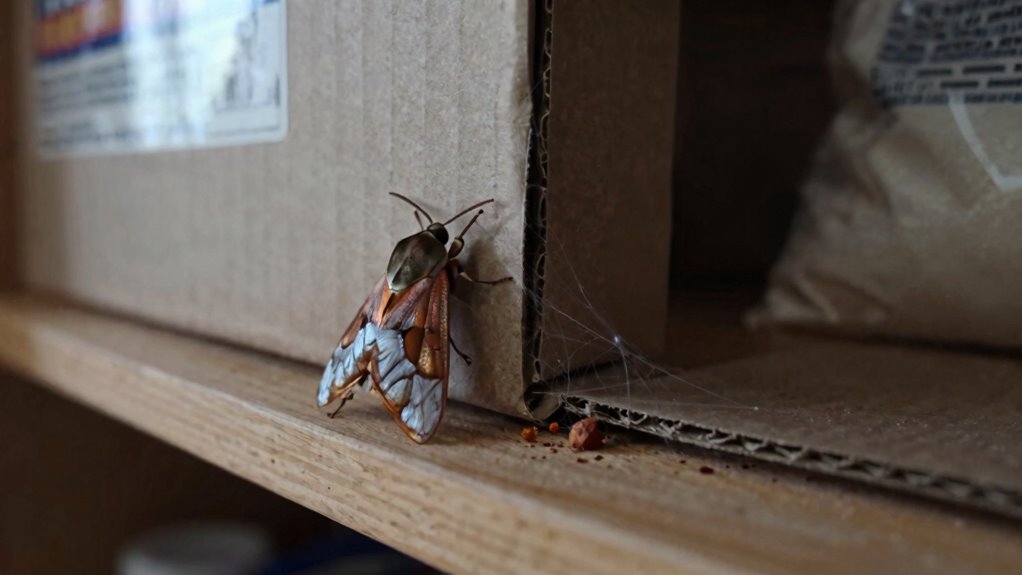
Grocery store packaging is ground zero for pantry pest infestations. The problem starts with careless handling by shoppers and staff.
That box you grabbed has been bumped, dropped, and squeezed by a dozen people before you. Shelf psychology plays a role too, because stockers push older, potentially damaged items to the front.
You instinctively grab those front boxes. Check the corners and folds for rips, holes, or loose seams.
These are highway on-ramps for sawtoothed grain beetles and other stored product pests. Avoid any box with sticky residue or crushed edges.
Your best bet is to reach for packages from the back of the shelf. They have seen less action and are less likely to bring bugs home.
Reaching for the back shelf costs nothing but a few seconds and protects your pantry.
This small move is your first line of defense against kitchen pantry moths and weevils. It costs you nothing but a few extra seconds and protects your food storage. Transferring dry goods to airtight side-locking lids provides a secure, pest-proof seal for long-term protection.
Which Non-Food Items Can Bring Beetles Into Your Kitchen
Non-food items like pet food and birdseed are common culprits for bringing beetles into your kitchen. These pests can ride home in the bags and then spread to the pantry. Food-grade diatomaceous earth is a effective, chemical-free option for dehydrating and killing these pests on contact.
Dried flowers and herbs stored for months can harbor hidden beetles that emerge later. A quick inspection of these items at the store can save a lot of hassle.
No one wants bugs in their floral arrangements or their dog’s dinner. To prevent an infestation, always check packaging for damage before buying.
Storing pet food in sealed containers can stop pantry pests from migrating to your other supplies. For effective pest control, inspect dried decorations and bulk grains regularly.
If you notice signs of beetles, act fast with targeted treatments to protect your kitchen.
Pet Food and Birdseed
| Suspect Item | Common Pest | Telltale Sign |
|---|---|---|
| Dry dog kibble | Sawtoothed grain beetle | Tiny holes in bag corners |
| Birdseed mix | Flour beetle | Musty, chemical smell |
| Rabbit pellets | Rice weevil | Adult beetles crawling on top |
Inspect bags for rips, sticky residue, or webbing. Transfer contents into airtight plastic or metal bins immediately. Storing items in BPA-free plastic containers with silicone gaskets and locking lids provides proven pest prevention. Freeze suspect seed for four days at 0°F to kill hidden eggs. Discard infested bags outdoors, not in the kitchen trash. Beetles will throw a housewarming party if you store them inside. Your pets deserve pest free chow.
Dried Flowers and Herbs
Ignoring dried flowers and herbs because they aren’t edible is a rookie mistake. These decorative items frequently harbor pantry beetles.
Drugstore beetles love lavender and chamomile. They can hitch a ride home and then invade your flour supply.
Integrated pest management works here. Inspect every bundle, shake loose dead bugs, and freeze suspect stems at 0°F for four days.
Seal dried flowers in glass jars or metal tins for alternative storage. This method is both pretty and practical.
Fancy wreaths should be stashed in a lidded bin, not left on the counter. Think of it like examining a guest at the door.
If it looks questionable, don’t let it in. Treat dried botanicals like flour, store airtight, inspect monthly, and toss any that show webbing or holes.
These pest prevention tips keep your home safe. Regular pest monitoring helps you catch infestations early.
For effective home pest control, always quarantine new botanical decorations. Buyer-intent phrases include airtight storage and monthly inspection.
If you suspect an infestation, a cold-pressed neem oil spray can be used as a natural miticide and insecticide on stored herbs.
How to Spot Box Damage Before It Reaches Your Cart
Box damage is the pest’s front door, and catching it before you buy is the easiest way to keep your kitchen bug free.
Edge damage like crushed corners or bent flaps and seal failure from loose tape or lifting glue are major red flags.
Even tiny tears invite sawtoothed grain beetles or flour beetles inside.
Skip any box with visible damage, it is not worth the 50 cent discount.
Pull from the back of the shelf where stock is fresher and less handled.
Your pantry will thank you for this simple pest prevention habit.
Edge damage includes crushed, split, or crumpled box edges.
These weak points let stored product pests enter easily.
Seal failure shows up as loose tape, lifting glue, or gaps.
Insects crawl between layers through these openings.
Puncture marks look like small holes the size of a pencil eraser.
Weevils or beetles bore through these entry points.
Crushed packaging appears flattened or crumpled.
Adult beetles hide inside these compromised boxes.
Check for these warning signs before adding anything to your cart.
Buying undamaged packaging is your best food storage protection.
After purchase, use pheromone-based traps near storage areas to catch any male moths that may have already entered.
Where Pests Slip In: Corners, Folds, and Seams to Check
Although that initial box scan is a solid first defense, pests are masters of finding smaller, less obvious routes inside. The real trouble hides in corners, folds, and seams.
A sawtooth beetle, flat as a credit card, can slide into a box’s folded corner undetected. Flour larvae, tiny cream-colored grubs, squeeze through the tiniest gaps in bag seams.
A sawtooth beetle, flat as a credit card, slips into folded corners; flour larvae squeeze through the smallest bag seams.
Check the bottom flap of cereal boxes, where glue often fails. Pull apart the crimped ends of pasta bags and look for pinhole-sized entry points.
Inspect the folded edges of flour sacks, running fingers along the crease. If a seam feels loose or has a slight gap, that’s a welcome mat for invaders.
The verdict is to skip any package with compromised seams. It’s not worth the risk.
Buy only tight, undamaged corners to keep your pantry pest free. For ongoing protection, glue traps can be placed flush against walls and baseboards to catch any pests that escape detection.
What Dented or Swollen Cans Really Tell You
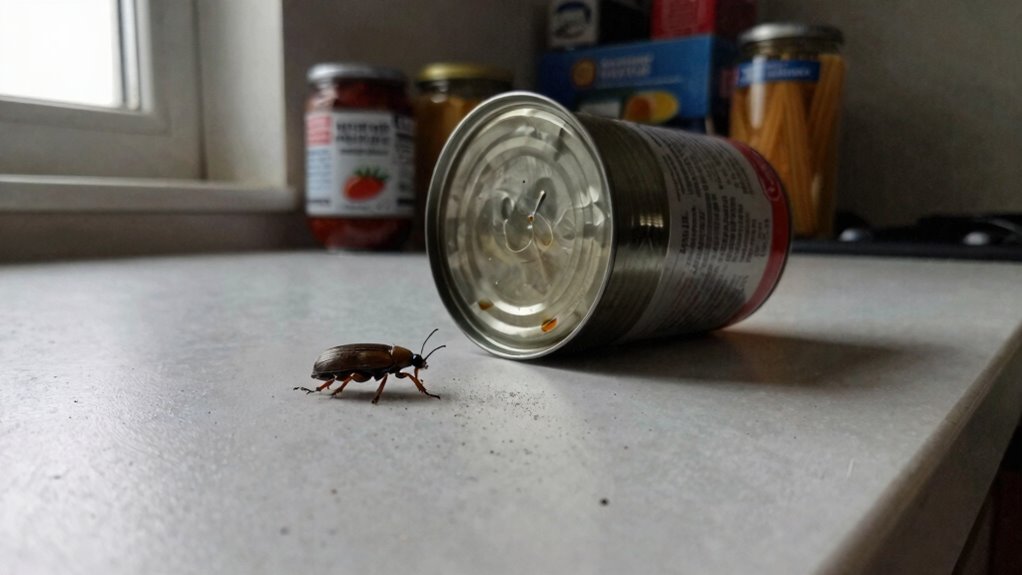
A dented can is a gamble, but a swollen one is a hard “no.” That puffiness signals gas from bacteria, like botulism’s calling card, which no bargain justifies.
Check for dents along the seam or rim. If those are compromised, skip it.
Your stomach will thank you later, and so will your wallet. Think of it like avoiding a pest infestation in your kitchen.
Just as you’d call a pest control service for a sudden rodent problem, toss any swollen cans immediately. Never risk your health for a cheap food find.
Dented Cans Risk
Many shoppers overlook a dented can, but that single ding can signal real trouble.
Dented cans, unlike swollen cans, often indicate physical damage that compromised the seal.
Even a small dent on the side seam or rim allows bacteria to enter.
That harmless-looking dent could introduce botulism or spoilage organisms.
The risk isn’t worth the 99-cent savings.
A can with any dent deep enough to hold a fingertip should stay on the shelf.
Rust around the dent means corrosion has weakened the metal further.
Inspect the top and bottom rims, where damage is most dangerous.
If the can rocks when placed on a flat surface, the seal is compromised.
Bottom line: skip any dented can, no matter the discount.
Your pantry deserves unblemished protection.
For pest-free storage, also check for pantry moth traps or spider repellent near sealed goods.
Swollen Cans Signal Dangers
Two swollen cans in a grocery haul mean nature is telling you to slow down and look closer. Unlike dents that are mostly about physical damage, swelling means the seal has already failed.
Bacteria or yeast inside are producing gas, and the can is under pressure. This is a safety red flag, not a cosmetic one.
Lid bulging is the classic sign. A firm push should never flex it.
Can pressure builds silently. Botulism toxin has no smell or taste.
Sides feel taut like a balloon about to pop. Liquid may hiss or spray when opened, a risky moment.
Price is irrelevant. Discounts don’t fix spoiled food.
Walk away from suspect cans. Toss them at home without any taste-testing.
Your stomach will thank you for following these pest control go-to tips.
When to Immediately Freeze Suspect Groceries
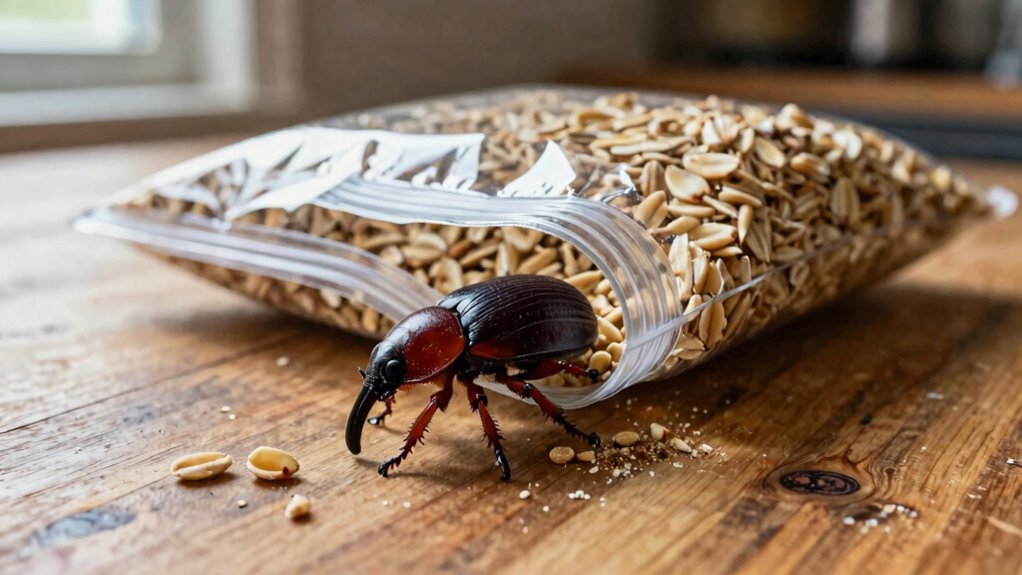
When should you freeze suspect groceries immediately? If a package shows tiny holes, a musty smell, or sticky residue, skip the guesswork and immediate freezing is your best bet.
This suspect product handling stops infestations cold, literally. Freeze any questionable dry goods at 0°F or lower for at least four days to kill eggs, larvae, and adults hiding inside.
Don’t wait for proof. Time is not your friend here because a single overlooked weevil can turn your pantry into a breeding ground overnight.
If that flour bag feels gritty or that rice box has a suspicious seam, pop it into the freezer now, not later. Sort out the details afterward.
A quick rule for pest control: when in doubt, freeze it out. That four day deep freeze saves you from tossing the whole shelf later.
When in doubt, freeze it out. Four days deep freeze saves the whole shelf.
Better a cold bag now than a pantry full of uninvited guests. Trust the chill to protect your stored goods from grain moths and beetles, and for long-term protection, lightly dust dry food storage with food-grade diatomaceous earth to prevent weevils from returning.
Identify Common Pantry Beetles and Their Larvae
Before you can win a war against pantry bugs, you need to know the enemy by sight. These pests are small, but their damage is not, and early detection is your best pest control strategy.
Beetle lifespan varies, yet all share telltale features you can spot with a magnifying glass. Adult flour beetles are reddish-brown, oval, about 3/16 inch, and can live over a year, so check stored flour regularly.
Sawtoothed grain beetles have six teeth on their thorax; they’re flat and dark brown, often hiding in crevices of packaged goods. Rice weevils boast a distinctive weevil snout, using it to bore into whole grains, which makes sealed containers a smart prevention tip.
Larvae are cream-colored, grub-like, with tiny spines on their bodies, and finding them means an active infestation is underway. Drugstore beetles are smaller, brown, and prone to infesting dried herbs, so inspect spice jars with a flashlight for quick identification.
Check packages for live or dead adults; that’s your red flag for pantry pest removal. Know your foe, and you’ll spot trouble fast, before it spreads to your other food supplies.
If you see any of these signs, act immediately with thorough cleaning and targeted insecticide options. For long term control, rotate your stock and use airtight canisters to break the beetle life cycle. Note that traps designed for moths will not catch beetles or weevils, so pheromone-based traps should be selected to match the specific pest you have identified.
Spot Infestation Signs in Flour, Grains, and Rice
Knowing what the beetles look like is half the battle. The other half is spotting infestation signs in flour, grains, and rice.
First, check for discolored grains. Flour turning gray or tan is a red flag, and rice looking off-color means trouble.
Sniff for a musty smell. Flour beetles release a chemical odor that is like old medicine or stale nuts.
Feel for clumping or a gritty texture. This means larvae, frass, and eggs are mixed into your dry goods.
Fine webbing points to moths, not beetles. Also look for live or dead bugs inside the bag.
If you see any of these signs, do not buy the product. For effective pest control, trust your nose and eyes when shopping.
Smelly, clumpy, off-color dry goods are a hard pass. Always inspect before you purchase to protect your pantry.
For ongoing protection, place pheromone-based traps near infested grains and pantry corners to interrupt the reproductive cycle.
Why You Should Grab Groceries From the Back, Not the Front
Since front facing stock gets handled more through squeezing, dropping, and bumping, those packages are more likely to have tiny rips where pantry pests sneak in. Smart shoppers reach for packages at the back, a trick rooted in inventory psychology and basic logistics planning.
Rear items sit undisturbed, so boxes stay intact and seams remain tight for better pest control. Older stock moves forward first, so grabbing from the back often gets you a newer, less abused package.
Each squeeze weakens cardboard fibers, creating entry points for tiny beetles seeking food. Factory seals on back stock haven’t been compromised by repeated handling.
Front facing packages can have microscopic tears, invisible to a casual glance but perfect for insect invasion. Be the shopper who reaches behind the front row for an effective pest prevention strategy.
That simple reach, about two seconds, spares you a pantry beetle headache later. Always pull from the back to lower your risk of hidden rips and keep your kitchen pest free. Since weevil sprays mostly target adult insects, eggs require airtight storage and cleaning to fully break the infestation cycle.
How Freezing and Airtight Containers Stop Pantry Beetles
Freezing and airtight containers form a one two punch that stops pantry beetles cold. Freezing disrupts pest life cycles, killing eggs, larvae, and adults at 0°F for four days.
It is a simple quarantine method for suspect flour or rice. Then, airtight containers made of glass, hard plastic, or metal block reinfestation.
Beetles cannot chew through solid walls or squeeze under tight lids. A dad joke is that they are locked out, no key.
This stops sawtoothed grain beetles and flour beetles completely. For pest control, freeze suspect food at 0°F for four days to kill all life stages.
Put stored items in airtight containers, hard sided and never cardboard. The cost for pest proof storage is about $5 to $10 per container at big stores.
The bottom line is to combine freezing with airtight storage. Slow release formulas reduce waste by lasting longer, making them smart for eco-conscious shoppers. This cheap pest control solution ends the cycle and keeps pantry beetles out for good.
Make Monthly Pantry Checks a Habit You’ll Actually Keep
Monthly checks work best when tied to rotating stock, moving older items forward and new purchases to the back. Pay special attention to least-used products, like that bag of farro from last fall, which might hide beetle activity.
This simple habit additionally reveals what needs using up, saving a few dollars and a lot of grim detection later. By spotting pantry pests early, you can prevent infestations and avoid tossing spoiled food.
Check for webbing or tiny holes in packaging, signs that might indicate a moth problem. A quick scan for insect frass is your best defense against costly pest control visits.
Pheromone traps can also be placed nearby to catch male moths and confirm an active infestation before it spreads.
Rotate Stock Monthly
A calendar reminder is a small, cheap tool for a job that pays for itself in saved groceries. Monthly rotation makes it easy to spot problems like pantry moths before they spread.
Use each session to move older items forward with seasonal rotation, swapping winter stock to summer use. Note expiration dates on container lids for fast shelf life tracking.
Discard any unsealed or damaged packaging immediately, do not just set it aside. Wipe down shelves with soapy water, checking corners for stray crumbs.
Group similar foods like flours or pastas together for easier scanning. That ten-minute sweep beats uncovering a flour beetle party in an ancient box of crackers.
Set the reminder, do the shuffle, and save the cash. This routine is a simple pest control measure that protects your pantry investment while also providing an opportunity to deploy pheromone lures that attract male moths from up to 25 feet away to break the reproductive cycle.
Inspect Least-Used Items
Pantry staples that sit untouched for months often trigger pest problems. That bag of barley behind the soup cans or the dusty rice pilaf from last Thanksgiving are common hotspots.
To inspect least used items, schedule a monthly sweep with a repeating calendar reminder on the first of each month. Grab a flashlight and pull every jar and bag from the back shelves.
Check seams, corners, and folds for webbing, clumping, or gritty dust. This simple ant and moth prevention habit catches early signs of an infestation.
Rotate stock by moving older items to the front for next week’s dinner, not next year’s. A natural rotation pattern helps you use food before pests get a chance.
Bottom line is a ten minute check saves you tossing a twenty dollar pantry haul. Stay proactive with your pest control routine to protect your entire kitchen. Placing traps near closets can further guard against hidden pests that might wander from pantry spills.
Frequently Asked Questions
Can Pantry Bugs Infest Unopened Sealed Packaging?
Yes, pantry bugs can absolutely infest unopened sealed packaging. The sawtoothed grain beetle is a common culprit that exploits the tiniest flaws.
A small tear, loose seam, or microscopic hole you cannot see is an open door for these pests. Always inspect corners, folds, and the base of boxes for these hidden entry points.
Cardboard and thin plastic are their favorite storage habitats because beetles can chew through them. Never trust a seal blindly, and check every package before you store it.
This is why professional pest control experts recommend inspecting all dry goods upon arrival. For best results, transfer items into airtight glass or hard plastic containers.
That small step is a powerful home pest control strategy that stops infestations before they start. Looking for reliable pantry protection products? Prioritize airtight storage solutions to keep your kitchen bug free.
Does Freezing Kill Pantry Beetle Eggs and Larvae?
Freezer temperatures are highly effective at killing pantry beetle eggs and larvae in stored foods. To ensure success, your freezer must stay at 0°F or below for at least four consecutive days.
The thawing process will not revive them, so those bugs are completely done for. This is a reliable, chemical free pest control method for suspect flour, rice, or pet food.
Just seal the package tight before freezing to prevent cross contamination. It’s cheaper than tossing everything and far easier than hunting beetles manually.
If you need a long term solution for pantry pests, consider food grade diatomaceous earth or pantry moth traps. Freeze and forget, and your dry goods will be safe to use later.
How Long Can Pantry Beetles Live Without Food?
Pantry beetles can survive without food for several weeks to a few months, depending on the species and conditions. This endurance is because of a state called beetle hibernation, which slows their metabolism and conserves energy.
However, overlooked food sources often keep them fed longer than you expect. Crumbs in cracks or old spice jars are common hiding spots.
For example, sawtoothed grain beetles may last up to three weeks without eating. But a single forgotten flour dusting can extend that survival time significantly.
Regular cleaning cuts their odds, but a professional pest control treatment is the best way to break the cycle. If you are dealing with a pantry pest infestation, targeted insecticides and pheromone traps are effective buying solutions.
Focus on eliminating food sources and sealing entry points to stop re-infestation. For long term protection, consider a residual spray or a baiting system designed for stored product pests.
Can Pantry Beetles Chew Through Plastic Storage Bags?
Yes, pantry beetles can chew through thin plastic storage bags. Their strong mandibles easily penetrate plastic at folds and seams, making those bags useless for protection.
For secure pest proofing, switch to mylar bags or hard sided containers. Mylar offers superior seal durability and puncture resistance over basic plastic for long term food storage.
Think of plastic as a polite suggestion that beetles simply ignore. Airtight glass or thick mylar is the actual barrier you need against pantry pests.
If you want to eliminate pantry beetles for good, invest in quality storage solutions that resist insect infestations. Buy thick gauge mylar bags with oxygen absorbers for grains, flour, and pet food.
Don’t trust flimsy plastic bags for long term food storage. Use our recommended pest control products to keep your pantry clean and your food safe from contamination.
Are Pantry Beetles Harmful if Accidentally Eaten?
Accidental ingestion risks are real but health concerns are negligible, so there is no need to panic. Most pantry beetles are mostly protein, like a free, crunchy bonus that feels unpleasant but is completely harmless.
They won’t poison you, though the psychological ick factor is definitely high. The real issue is protecting your stored food from future infestations, which is where proactive pest control products come in.
If you spot these pests, discard the infested product immediately, as it’s not a fine-dining experience. For long-term protection, invest in airtight storage containers and food-grade diatomaceous earth to keep beetles at bay.
A stray bug won’t hurt you, but trashing it beats dinner theater with a weevil encore. For smart buyers, a simple pantry audit and a few quality traps can save you from repeat encounters and wasted groceries.


