
How long do mosquito bites last? Most clear up in a few days, but that timeline depends heavily on whether you scratch or not. Scratching tears skin and invites bacteria, turning a simple bite into a longer, more annoying problem. For kids and sensitive individuals, reactions can drag on, making you wonder if your pest control is really working. This article covers why some bites linger, the role of your local mosquito population, and when it’s time to call a pro. You’ll also get tips to speed healing and prevent future bites in your yard. Stick around for the full breakdown—including how to spot when it’s more than just a bite.
At A Glance
- Most mosquito bites heal within a few days, typically 48 to 72 hours.
- A small hive bump usually fades in 2 to 3 days without treatment.
- Red, swollen lumps may linger for up to a week after a bite.
- Scratch or sensitive skin can prolong healing time beyond a week.
- A bite not healing after 10 days warrants a medical check-up.
How Long Do Mosquito Bites Actually Last?
For most people, mosquito bites resolve within a few days without any treatment. Seasonal variation plays a big role: spring and summer bring more biting activity, which can make bites feel like they last forever when you are swatting all night.
Geographic prevalence matters too. Warmer, wetter regions mean more mosquitoes, and more bites overall, so using pest control products can help reduce the annoyance.
The bump itself, a small hive, usually fades in 48 to 72 hours. But the red, swollen lump may linger up to a week.
The small hive fades in 48 to 72 hours, but the red lump may linger up to a week.
Kids and individuals with sensitive skin often deal with longer reactions. The trick is that your immune system learns over time.
Repeated exposure, say a camping trip, can desensitize you. This shrinking future bite duration makes a good repellent a smart purchase for frequent outdoor activity.
So although a single bite is short lived, your local mosquito population dictates the annoyance. Finding effective pest control solutions for your yard can truly shorten that timeline, such as placing low-profile adhesive traps near damp, shaded areas to target pests without harsh chemicals.
Bottom line: most bites heal quick. But location and season stretch the timeline, so proactive prevention is your best friend.
Why Do Mosquito Bites Itch and Swell?
Mosquito bites itch and swell because your body sees the saliva as an invader. This triggers your immune system to release histamine, which makes blood vessels leaky and nerves tingly.
That reaction creates the red, puffy bump and the maddening urge to scratch. For effective pest control, reducing standing water around your home can stop mosquitoes from breeding nearby.
If you need fast relief, try an antihistamine cream or a cold compress on the bite. For long term prevention, consider a professional pest management service to treat your yard.
A good mosquito trap or repellent spray also helps keep these pests away. Staying bite free means less itching and swelling for your family.
Sprays with 20% Picaridin provide up to 12 hours of protection, reducing the chance of bites that lead to itching.
The Body’s Defensive Response
The body’s defensive response to mosquito bites involves a complex immune reaction. This defense usually resolves in a few days. Your body learns, but your itch pays the tuition. For pest control at home, reducing allergens like dust mites or flea bites helps prevent these reactions. Topical antihistamines can calm immediate swelling. For long-term relief, call a professional pest exterminator to remove the source. Buy barrier sprays to block bed bugs and mosquitoes. Practical steps like washing bedding in hot water cut down triggers. Your immune system adapts, but managing pests reduces the itch. Plant-based sprays with peppermint or cedarwood oils offer a safe, natural option for bedroom pest repellent without harsh chemicals.
Mosquito Saliva Triggers Reaction
That tiny reddish bump from a mosquito bite is actually an allergic reaction to the insect’s saliva. This complex fluid contains proteins and anticoagulants that your body sees as foreign invaders.
Different mosquito species cause different reactions, so the bump can vary. For effective pest control, knowing your local species matters for choosing the right treatment.
Aedes mosquitoes deliver a stronger salivary punch than Culex varieties. Your immune system responds with localized inflammation and swelling.
The bump’s size depends on both the mosquito type and your personal sensitivity. If you need mosquito control services, identifying the species can help professionals target them better.
Histamine Release and Itching
Your immune system sees mosquito saliva as an intruder and releases histamine, a chemical that widens blood vessels and leaks fluid. That’s why you get swelling and that relentless itch, so think of histamine as an overzealous bouncer at a club.
For fast relief, you can use a topical antihistamine cream, or choose an oral option that blocks histamine production at the enzyme level. This enzyme inhibition is the same trick behind many over-the-counter bite treatments.
Why do bites swell? Leaky vessels let fluid pool under the skin, creating a raised bump, and histamine irritates nearby nerve endings to trigger the itch. The result is a red, angry welt that screams to be scratched, but don’t give in.
Scratching tears skin and invites bacteria, which turns a minor annoyance into a possible infection. Instead, apply a cold pack for immediate numbing, then grab a hydrocortisone cream or calamine lotion from your local pest control aisle.
Mosquito bite relief products work best when you act fast, so keep a spray or roller on hand for yard work or camping trips. If you’re dealing with a heavy mosquito season, consider a repellent with DEET or picaridin to stop bites before they start. Oil of lemon eucalyptus offers an effective plant-based alternative that repels mosquitoes for up to six hours.
Your immune system means well, but it’s terrible at guest lists, so a little preparation goes a long way. Use ice for the first ten minutes, follow with an antihistamine cream, and you’ll shorten the misery significantly.
What Makes Your Mosquito Bite Last Days or Weeks?
A mosquito bite that lingers for days or weeks is usually a sign your immune system is overreacting, not that the mosquito was especially aggressive. Individual sensitivity to mosquito saliva dictates the reaction timeline, turning a short lived bump into a lingering ordeal.
Children and those with atopic conditions often experience prolonged symptoms as their immune system stays in high gear. For effective mosquito control, look for proven repellents containing DEET or picaridin to reduce exposure. Products with 25-40% DEET provide effective, long-lasting protection against mosquitoes and ticks.
If scratching leads to open wounds, infection indicators like oozing or spreading redness mean a doctor visit is needed. Using topical antihistamine creams can calm the itch and speed relief.
Skeeter syndrome, with its large hot painful swelling, may require professional pest treatment advice to avoid repeat bites. Persistent symptoms often point to an immune overreaction rather than an aggressive mosquito.
The bottom line: if it lingers, your immune system fought back hard, so prioritize prevention with insecticide sprays at home. For severe cases, consult a mosquito control professional to manage your yard’s breeding sites.
When Do Delayed Symptoms Like Eye Swelling Appear?
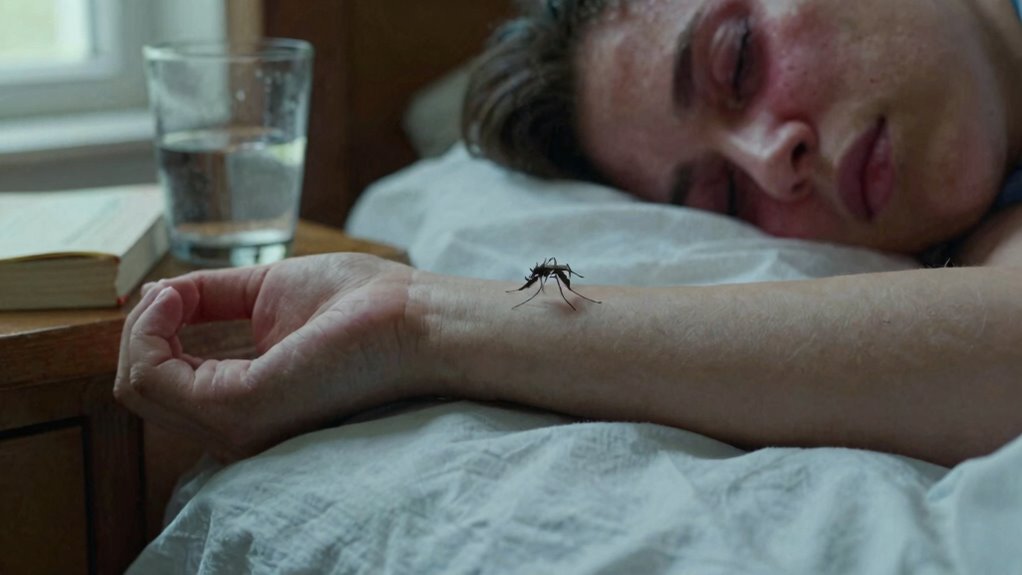
You might not see eye swelling until a week or even two after the bite. It is a classic delayed reaction that can make you question your mosquito control efforts.
You might not see eye swelling until a week or even two after the bite.
This timing relates to the mosquito lifecycle and geographic distribution of different species. Some immune systems take longer to recognize the proteins in mosquito saliva.
The body builds up antibodies over days before the swelling finally appears. Delayed swelling around the eyes is a sign of a stronger immune reaction, not an infection.
It typically resolves on its own within a few days, but cool compresses can help. If the swelling spreads or feels hot, that signals a different issue, but that is not covered here.
A week late puffy eye is weird but usually harmless. It is just your body having a slow motion argument with mosquito spit, and professional pest management can help prevent future bites, as 20% Picaridin provides up to 12 hours of protection against mosquitoes, ticks, gnats, and chiggers.
Could Your Mosquito Bite Be Infected?
Though a mosquito bite can feel like a personal vendetta, it is usually just an allergic reaction to saliva, not an infection. Mosquito saliva includes proteins that trigger histamine release, causing that maddening itch.
When scratching breaks the skin, bacteria sneak in and turn a nuisance into a real problem. Look for spreading redness, warmth, or oozing pus, as these signal infection, not just a bite.
Increased pain or swelling beyond the original bump is a key warning sign. Red streaks extending from the bite site, or fever and chills, also demand your attention.
Fluid-filled blisters with yellow, crusty drainage are another red flag. If there is no improvement after several days of basic care, it is time to act.
The DEET toxicity debate often distracts, but preventing bites through effective pest control beats treating infections. Using insect repellent and mosquito traps gives you buyer confidence in yard care.
Bottom line is if it worsens after two days, see a doctor. Infection is rare, but ignoring it is a bad idea for your health.
Skeeter Syndrome: When a Bite Turns Severe
Skeeter syndrome is a severe allergic reaction to mosquito saliva, not just a bad bite. It causes massive swelling, heat, and blistering that can linger for days.
The red, angry area can balloon to several inches, and children may also develop a fever or vomiting. This reaction is often mistaken for a skin infection, so proper pest control is key to prevention.
Treatment involves oral antihistamines and corticosteroid creams to reduce the inflammation. For lasting reprieve, apply DEET repellent religiously and use mosquito traps around your yard.
One giant welt is enough for a lifetime, so avoid the bite altogether with professional pest control services. A few simple steps can keep your family safe from this severe reaction.
Defining Skeeter Syndrome
For most people, a mosquito bite is a minor annoyance that fades in a few days. But for those with Skeeter syndrome, it is a full-blown allergic meltdown.
This severe reaction stems from genetic susceptibility that triggers an outsized immune response to mosquito saliva proteins. The bite area becomes intensely swollen, hot, and sore, often mimicking bacterial cellulitis.
It can persist for days or even weeks, unlike standard bites that resolve quickly. Children are especially prone, as their immune systems haven’t yet desensitized to bites.
Fever or malaise may accompany the reaction, but it is not an infection. Diagnosis is clinical and often needs an allergy specialist to rule out other causes.
If you suspect Skeeter syndrome in your home, professional pest control can help reduce mosquito breeding grounds. Applying topical repellents and treating standing water are key prevention steps, and for those seeking safe options during pregnancy, Picaridin at 20% offers reliable protection for up to 12 hours.
For severe reactions, consider consulting a specialist for long-term allergy management. Keeping your yard treated with professional sprays can significantly lower bite risk.
Common Symptoms
Child reactions often involve dramatic, hot swelling that can extend far beyond the bite, sometimes covering an entire arm or leg within hours.
This intense inflammation, rather than simple itching, marks the syndrome.
Individuals with chronic diseases, such as autoimmune disorders, may experience even more pronounced symptoms, including low-grade fever or widespread hives.
The skin feels angry, not merely annoyed.
Blisters may pop up, and the area stays painful for days, not minutes.
It’s a full-body protest against mosquito saliva.
Whereas most bites fade quietly, Skeeter syndrome declares war loudly.
The key is recognizing when professional pest control help is needed, not just a topical cream.
If the swelling looks like a second limb, don’t just scratch and shrug.
It’s time to call a bug control service for a property inspection.
Ignoring the issue can make symptoms worse and lead to more bites.
To reduce future reactions, treating nearby standing water with Bti-based biological larvicides can safely eliminate mosquito larvae before they ever bite.
Treatment and Prevention
When a mosquito bite turns into a full-blown allergic uprising, treatment shifts from a simple scratch to a strategic response. This is skeeter syndrome, an over-the-top immune tantrum requiring calm and calculated care.
Apply a cool compress or ice pack for 15 minutes to tame swelling, repeat as needed. Oral antihistamines like cetirizine (Zyrtec, about $0.30 per pill) curb systemic itching and redness.
Topical corticosteroid creams such as hydrocortisone 1% ($5 a tube) reduce inflammation, but avoid broken skin. Raise the bitten limb to minimize fluid pooling, gravity does the hard work.
Use home remedies like baking soda paste (one tablespoon water, one tablespoon baking soda) for quick and cheap relief. For natural repellents, dab on diluted tea tree oil to discourage future feasts, and consider professional pest control for your yard.
Scratching invites infection, so instead ice it, cream it, and let your body calm down. If swelling persists beyond a week, see a doctor.
The best prevention is staying covered or using DEET-based repellents, which deliver long-lasting protection against severe insect activity. Nobody enjoys being a buffet, so buy trusted topical sprays for peace of mind.
When to See a Doctor for a Mosquito Bite
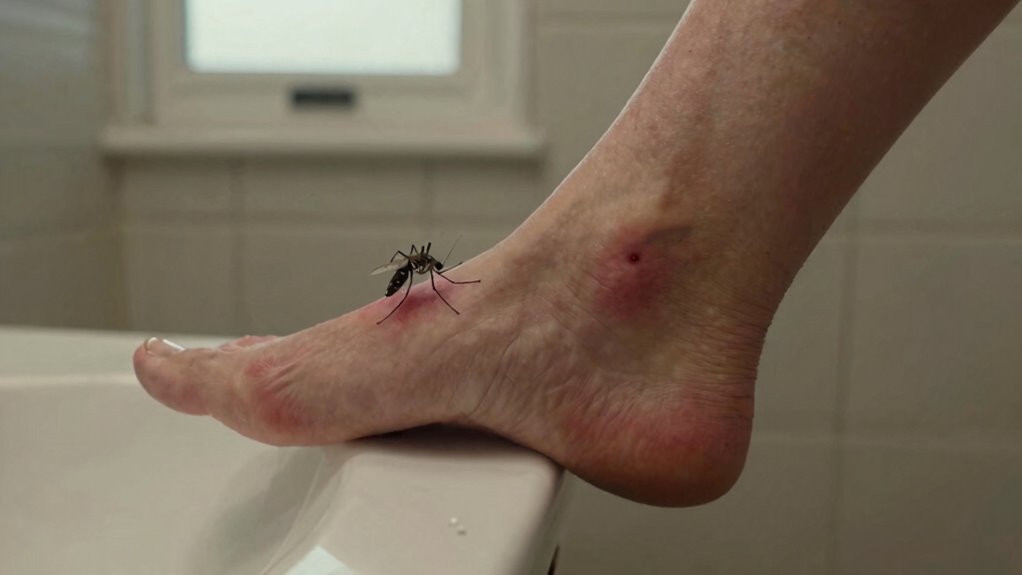
Most people can treat mosquito bites at home and forget about them within a few days. But sometimes that itchy bump signals trouble, not just a nuisance.
Scratching can break skin, inviting bacteria in and turning a minor bite into a real mess. Watch for spreading redness, warmth, oozing fluid, or pain that increases.
These are classic infection red flags. Additionally, seek medical help if you develop a fever, body aches, or neck stiffness.
Those can point to mosquito borne illness. The table below helps you spot serious symptoms fast.
| Symptom | Why It Matters |
|---|---|
| Increasing pain or swelling | Possible secondary infection |
| Red streaks from the bite | Could be cellulitis, needs antibiotics |
| Fever or headache | May signal a viral infection |
| Bite not healing after 10 days | Unusual, warrants a check-up |
Mosquito bite myths often downplay these signs. Natural repellents vs DEET debates don’t change the medical reality.
A doctor visit beats a home remedy gamble, especially for kids. If you need stronger pest control around your yard, consider professional treatments to reduce bites.
Buying a quality mosquito repellent with DEET or picaridin is a solid prevention step, as both are CDC-recommended active ingredients offering long-lasting protection against disease-carrying mosquitoes. Don’t let a simple bite turn into a serious health issue.
5 Proven Ways to Make a Mosquito Bite Heal Faster
Why does a mosquito bite seem to last forever, especially when you’re trying to sleep? Most heal in a few days, but you can speed things up without just waiting and scratching.
Here are five proven ways to get that bite gone faster, with a focus on quick relief and smart prevention.
Cold compress therapy is your first step: press an ice pack or a bag of frozen peas on the bite for 10 minutes. It numbs the itch and shrinks swelling, like giving your skin a time out.
Press an ice pack or frozen peas on the bite for 10 minutes—it numbs the itch and shrinks swelling fast.
Topical antihistamines, such as Benadryl cream with diphenhydramine, block the histamine reaction at the source. A small tube costs about $5 and stops the maddening urge to scratch, so you can buy one for your home first aid kit.
Hydrocortisone cream at 1% strength is a cheap over the counter steroid, roughly $4, and it reduces inflammation and redness fast.
Oral antihistamines like cetirizine, the generic Zyrtec, cost about $0.15 per dose and work systemically for multiple bites across your arms or legs.
Aloe vera gel, pure and under $7, cools and soothes as it aids skin repair, making it a natural option for sensitive skin.
For a full pest control strategy, remember that repellents with DEET or picaridin stop new bites while these treatments heal old ones.
Bottom line: use cold therapy and a topical antihistamine for quick relief, and keep a spray repellent handy to avoid future nuisances.
If you want to buy these items online, search for “mosquito bite relief cream” or “hydrocortisone 1%” to get same day delivery options.
Frequently Asked Questions
Can Mosquito Bites Scar?
Yes, mosquito bites can scar, but it’s not from the bite itself. Permanent marks come from scratching, which damages the skin.
Healing a bite indentation means avoiding that urge. Wash the area, apply ice, and use hydrocortisone cream.
If a scar forms, silicone gel or sheets around $20 help flatten it over weeks. Most bites heal fine without a trace, so just don’t pick at them.
The bottom line is scratch less to avoid scars. For professional help, consider a pest control service to reduce mosquitoes in your yard.
Using mosquito repellents and bed net barriers keeps bites away in the first place. Buy a quality repellent spray today and skip the scratching altogether.
Does Scratching a Bite Make It Last Longer?
Yes, scratching a bite makes it last longer. Scratching damages your skin and opens the door to infection.
That infection risk stalls healing and can turn a few days of itching into over a week of misery. Real redness, oozing, or warmth means your body is fighting bacteria instead of finishing healing.
Worse yet, scratching often triggers more itch creating a vicious cycle. Breaking that cycle is key to getting faster relief.
Instead of scratching, grab a cold pack or apply hydrocortisone cream for real comfort. If you deal with bites often, a quality insect repellent or a professional pest control treatment around your yard can stop mosquitoes and fleas before they strike.
Shoppers searching for “best itch relief for bug bites” or “how to make mosquito bites stop itching fast” find that prevention beats treatment every time. A little willpower now saves days of misery, and the right product helps you resist the urge.
Can You Build Immunity to Mosquito Bites?
Yes, repeated exposure builds immunity over time, though it’s not a total shield. The immune response gradually blunts as the body desensitizes to mosquito saliva, so think of it as tolerance, not invincibility.
Some people show genetic resilience, reacting less severely from the start, whereas others, especially kids, suffer longer. Scratching invites infection and drags out the misery, so avoid it at all costs.
Immunity fades over time, and you will still get bitten. The real goal is reaction management, not prevention, which is why a reliable pest control plan matters.
To stop bites before they start, use a proven mosquito repellent with DEET or picaridin for your outdoor spaces. For long term relief, consider professional pest control treatments around your yard or home perimeter.
If you want to buy a mosquito trap or repellent device, look for ones that target breeding sites. Contact a local pest control expert to schedule a spray service that keeps these pests away.
Bottom line: your body may adapt, but the best defense is a solid pest control strategy. Invest in a quality repellent or call a professional to eliminate the problem at the source.
Do Mosquito Bites Look Different on Different Skin Tones?
Yes, mosquito bites look different on different skin tones. On lighter skin, the classic red, inflamed bump is obvious due to skin tone redness.
On darker skin, the same bite may appear as a darker, purplish, or subtle brown spot, masking the redness. This mosquito bite variation can make bites harder to spot, but the itch is the same.
If you are scratching and see nothing, look for a slight heat or texture change on the skin. Understanding this helps you choose the right pest control product for your household.
For effective bite prevention, look for repellents with DEET or picaridin that work on all skin types. Professional grade mosquito control like sprays or yard treatments can stop bites before they happen.
If bites are hard to see but you feel intense itching, a fast acting antihistamine cream can help. Buy a trusted insect repellent spray today to protect your family regardless of skin tone.
How Long After a Bite Can an Allergic Reaction Start?
An allergic reaction can start within minutes of a mosquito bite, but the full timeline often unfolds over a few hours. Bite sensitivity varies: some people see a small bump fast, whereas others might swell up a day later.
It is less about a strict timer and more about your immune system’s mood. For most, the worst is over in 24 hours, but delayed reactions can appear up to two weeks later.
That late reaction feels like an unwelcome party guest. If you are dealing with persistent swelling or itch, timely pest control can reduce your exposure to these biting insects.
Professional mosquito control services target breeding sites and resting areas around your home. A single barrier treatment can keep bites from turning into a week long ordeal.
For severe cases, a pest control professional can recommend residual sprays or larvicides to break the cycle. Smart buyers often pair yard fogging with personal repellents for total protection.
Always check for standing water near your property, as mosquitoes breed there. Removing those spots is one of the most effective pest control strategies you can do yourself.
If you want peace of mind without daily monitoring, consider a seasonal mosquito control plan. This keeps bite risk low and your outdoor space usable all summer.


