
How long do flea bites last is a question anyone with itchy red welts wants answered fast. Most flea bites heal within three to seven days, but that clock resets with every new bite. Scratching those bites invites infection, dragging healing into weeks or leaving stubborn dark spots behind. For people with flea allergies, the recovery drags even longer, making it feel endless. We’ll cover the day-by-day breakdown of flea bite healing and simple home fixes like cold compresses and oatmeal baths. Stick around to learn how to spot when it’s time for a doctor—and how pest control stops the cycle for good.
At A Glance
- Most flea bites heal within three to seven days.
- Healing can extend up to two weeks for sensitive skin.
- Embedded fleas cause bites lasting two to five weeks.
- Infected bites may linger for several weeks without treatment.
- New bites reset the healing timeline to day one.
How Long Do Flea Bites Typically Last?
Flea bites usually clear up in three to seven days for most people. The exact healing time depends on your skin’s reaction and how much you scratch the area.
Flea bites typically clear up in three to seven days, depending on your skin and scratching.
Some people have a mild immune response, so bumps fade quickly. Others with sensitive skin may see redness and itching last up to two weeks.
In rare cases like tungiasis, embedded fleas can cause bites that persist two to five weeks. Scratching increases infection risk and stretches the healing process.
For pest control help, treat your home with an insecticide spray and wash all bedding in hot water. This kills fleas at the source and prevents new bites.
Expect a week for basic healing but plan for two if you have sensitive skin. Stop scratching and use an anti itch cream to speed recovery. Using a flea shampoo with contact-kill formulas on your pet can provide immediate pest control.
What Flea Bites Look Like Day 1 to Day 7
Over the first 24 hours, flea bites show up as small, red, raised bumps that itch intensely, often in clusters or a line pattern.
From day one to three, those bumps may develop a tiny central blister that can break, ooze, or crust. Swelling and redness around each bite peak during this window, making professional pest control a smart choice. Foggers containing an insect growth regulator can block eggs and larvae from developing into biting adults, cutting the flea life cycle short.
By day four to seven, the redness and swelling begin to fade, leaving flat pink marks. These marks can temporarily darken into hyperpigmentation before they fully vanish.
To avoid future bites, you should call an exterminator for targeted flea treatment.
Initial Hours
Within that day or so after the initial return from the pet’s jungles or the neighbor’s cat, a cluster of small, red, and barely raised dots will start to appear on the skin. These are the initial symptoms of a flea bite reaction, typically showing up within minutes to a few hours. Applying a trusted natural repellent spray directly to the pet’s bedding can help prevent these bites from recurring.
| Bite Feature | Initial Hours Appearance |
|---|---|
| Color | Bright red, inflamed |
| Size | 1 to 2 mm, barely raised |
| Pattern | Clusters or lines of three bites |
| Sensation | Immediate itch, mild sting |
| Progression | Swelling increases over 2 to 4 hours |
The bite reaction is the body’s immediate immune response to flea saliva. Itching begins fast, often within seconds, and a central dot may form. No blister appears yet, and that comes later. For pest control buyers, recognizing these red clusters early means you can act fast with topical treatments. The bites are just angry little red dots, like tiny, itchy punctuation marks reminding you of your pet’s outdoor adventures.
Day 1 to Day 3
Day 1 to Day 3, those angry red dots settle in and the real show begins. Between day one and three, the immune response kicks into high gear, turning small welts into itchy, swollen plaques.
This is peak irritation, the mosquito’s less-chic cousin has truly overstayed its welcome. Raised, red blotches grow with a central dot, sometimes developing a small fluid-filled blister.
Itching reaches maximum intensity around day two, making you question every life choice that led you here. Clusters or lines, often called “breakfast, lunch, dinner” patterns, become obvious and highlight where the feasting happened.
Scratching now ramps up scarring risk, as broken skin invites infection and prolongs the whole saga. For effective pest control, consider repellents or removal treatments to stop these bites at the source, such as using pesticide-free sticky traps placed near damp areas to catch fleas without toxins.
Day 4 to Day 7
Day four through seven marks the turning point for flea bites. For most people, the itching fades by day five or six.
The red bumps start shrinking, often leaving behind a faint purple or brown dot. This is temporary hyperpigmentation, not permanent damage.
But for those with an aging immune system, healing drags. Their bites stay angry longer, sometimes oozing or crusting over.
Scratching here invites infection. That turns a week long annoyance into a month long mess.
Environmental management is key. Treat the house and treat the pets, or the cycle repeats like a bad loop.
New bites mean day one all over again. So vacuum rugs and wash bedding in hot water to break the flea life cycle.
You may need a professional pest control service if the infestation is out of hand. Bottom line: most bites heal in a week.
But a stubborn immune system or a flea filled home will beg to differ. Use targeted pest control products on your pets and home for lasting relief, such as a water-based bifenthrin concentrate that kills fleas on contact and lasts up to three months.
Why Flea Bites Itch So Long: and How to Stop It
Flea bites itch for a long time because the insect’s saliva triggers a double allergic reaction. The saliva injects proteins that cause both immediate and delayed immune responses.
The histamine release cycle then floods the area with chemicals, keeping itching active for days. Apply cold packs to numb the area and reduce swelling, cutting itch duration by half.
Use antihistamine creams like diphenhydramine to block the histamine release cycle and stop the reaction. For widespread bites, take oral antihistamines like cetirizine to reduce itching within 24 hours.
Do not scratch, as it breaks skin and leads to secondary infections that can prolong healing for weeks. Bottom line: stop the itch early with cold and antihistamines for effective flea control.
Otherwise, it will stick around like an uninvited guest. For professional pest treatment, consider contacting an exterminator for long term relief. Meanwhile, using sprays with insect growth regulators stops flea eggs and larvae from developing into new biters.
When Flea Bites Turn Into Tungiasis (Burrowing Flea)
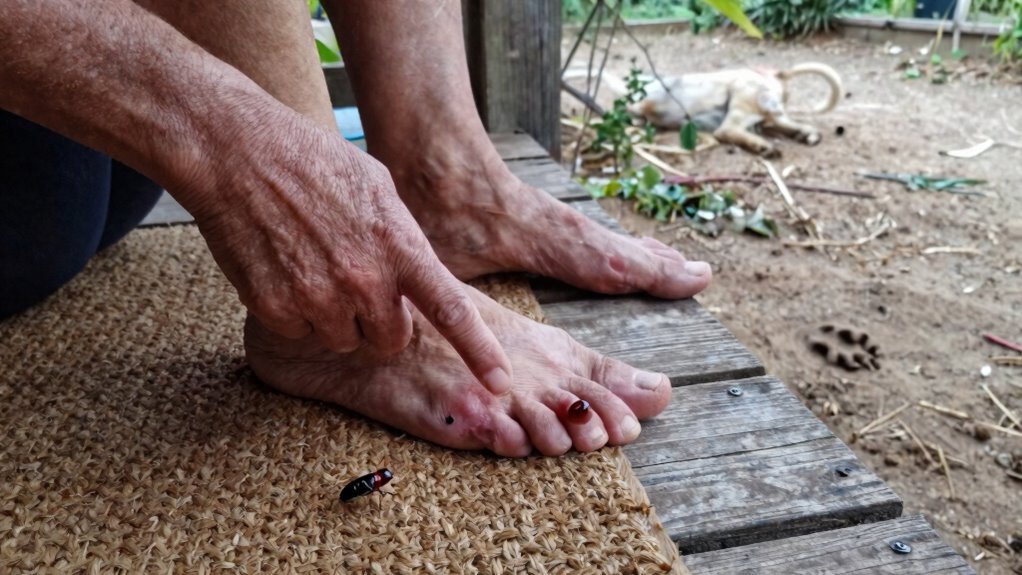
Most flea bites are a minor annoyance, fading within three to seven days. But in tropical regions, tungiasis causes a far more serious infestation.
The female sand flea burrows into skin, often around the toes or under toenails. As she swells with eggs, it leads to intense pain and inflammation.
This isn’t your typical bite; it’s a parasitic freeloader setting up house. The flea dies within two to five weeks if left alone, but scratching invites infection.
This isn’t your typical bite; it’s a parasitic freeloader setting up house.
Prevention starts with closed shoes on sandy beaches. Avoid walking barefoot where stray dogs roam, as they can carry these pests.
If you spot a black dot with a white ring on your foot, don’t ignore it. That’s the rear end of a burrowed flea, and early pest control treatment is key.
Bottom line: typical bites fade fast, but tungiasis requires a professional removal. For effective sand flea treatment, consult a doctor or pest control specialist promptly.
Why Flea Bites Sometimes Take Weeks to Heal: Infections
A normal flea bite heals in about a week, but infections can stretch that timeline to several weeks. When bacteria enter broken skin, the body reacts with redness, swelling, and pus, which slows down healing significantly.
This problem is most common in people with a flea allergy, where intense scratching creates open wounds. Scratching risks introducing staph or strep bacteria under the skin, turning a minor itch into a medical concern.
Treating your home with a targeted pest control spray is the first step to stop new bites. For comprehensive home protection, consider using Ortho Home Defense Max which provides a long-lasting indoor barrier against ants and other crawling insects. Bacterial infections like cellulitis require antibiotics to clear, so see a doctor if swelling spreads.
A flea allergy amplifies the body’s reaction, making infections more likely and healing longer. Without treatment, infected bites can linger for weeks and even cause scarring.
If you need flea treatment for your yard or pets, look for products with insect growth regulators to break the cycle. Check your carpet, bedding, and furniture for fleas to prevent re-infestation.
Fastest Ways to Shorten Flea Bite Healing Time at Home
The good news is that most flea bites resolve in a few days, but you can speed things up without a superhero cape. A cold compress is your first line of defense, wrap ice in a cloth and apply for ten minutes.
Most flea bites fade in days, but a cold compress cuts itch fast—no superhero cape needed.
That numbs the itch and reduces the urge to scratch, which is the main enemy of healing. For broader relief, try an oatmeal bath with colloidal oatmeal, about $8 a box, to calm inflamed skin when soaked for 15 minutes.
It’s like a spa day for angry little welts. Follow up with a fragrance-free moisturizer and avoid hot water, which worsens irritation.
These steps cut typical healing from a week to three days, assuming you don’t pick at them. For persistent flea problems, consider using a pest control spray or topical treatment to prevent future bites, such as a yard spray safe around pets and children. This is the fastest route to healing, short of time travel.
When to See a Doctor About Flea Bites
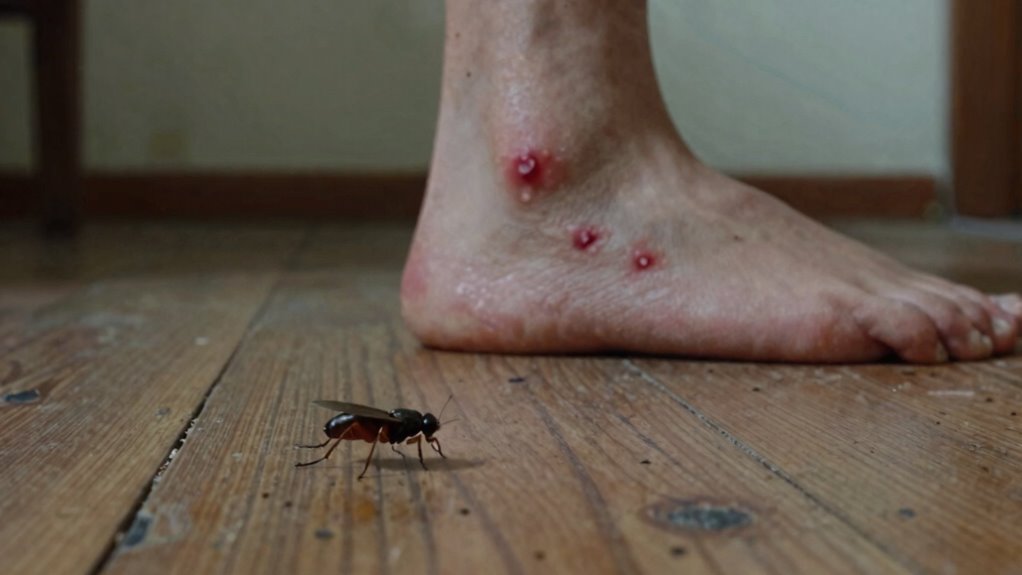
Signs of infection include red streaks, warm skin, or oozing pus. Cellulitis can set in fast and requires antibiotics for treatment. Severe allergic reactions like hives spreading beyond the bites, trouble breathing, or face swelling may indicate anaphylaxis. This is a true emergency requiring immediate medical help. Fever or chills after bites could mean flea spread diseases like murine typhus or plague. Professional pest control often helps prevent these risks. Bites that won’t heal, especially persistent sores from scratching, risk scarring or chronic skin damage. A topical flea treatment for your home can reduce future bites. If home remedies fail after a week, or symptoms escalate, see a doctor. Your health and peace of mind are worth the visit. For long-term control, food-grade diatomaceous earth can dehydrate fleas on contact within 48 hours.
Frequently Asked Questions
Can Flea Bites Spread to Other Parts of the Body?
Flea bites don’t spread through your body like an infection, so you don’t need to worry about them traveling under the skin. Each bite is a separate event where the flea has to jump to a new spot and bite again, which often makes it look like the problem is moving.
What appears to be a migrating rash is actually a pattern of multiple bites that occurred over time, or irritation from scratching that inflames the surrounding skin. Individual bites start healing within days, but new itchy welts will keep appearing as long as you have an active flea infestation in your home or on your pet.
To stop this frustrating cycle, you’ll want to target the source with proven flea control products like adulticide sprays or oral flea preventatives for pets. Start by treating your pet with a fast-acting flea pill, then focus on your carpets, bedding, and baseboards with an insect growth regulator to break the flea life cycle.
If you see bites clustering on your ankles or lower legs, that’s a classic sign that fleas are hopping from your carpet or yard rather than spreading from one bite site. For severe infestations, a professional-grade flea fogger or a thorough vacuuming routine with a quality pest control spray will give you the fastest buyer-ready solution.
Finally, wash all pet bedding and human linens in hot, soapy water will remove flea eggs and larvae, while regular grooming with a fine-toothed comb catches adult fleas before they bite again. Once the host environment is clean, healing dermatitis relief like calamine or hydrocortisone cream helps those existing marks fade quicker.
Do Flea Bites Leave Permanent Scars on Skin?
Flea bite scars are rarely permanent, but they can be if the wound is mistreated. Most bites heal without a trace, fading within a few weeks.
Deep scratching opens the skin, which invites bacteria and can turn a tiny bite into a dark hyperpigmented spot or a small indented scar. A secondary infection, like impetigo, is the real culprit behind long term marks, not the bite itself.
To prevent any lasting damage, resist the urge to scratch and wash the area with mild soap and water daily. Apply an over the counter hydrocortisone cream or calamine lotion to stop the itch, then keep the bite covered with a breathable bandage.
If a dark spot or bump still forms after healing, silicone gel sheets or a silicone scar cream work well when used consistently for 8 to 12 weeks. For stubborn indentations or discoloration, a board certified dermatologist can offer laser resurfacing or microneedling to smooth the skin.
The smartest move, however, is stopping the fleas at the source, so you never have to test these remedies. Use a vet approved flea treatment for your pets, plus an indoor flea spray with an insect growth regulator (IGR) to kill eggs and larvae.
Also, vacuum carpets, rugs, and pet bedding thoroughly every 48 hours, and wash linens in hot water above 130°F to break the flea life cycle. If you are unsure which product fits your home, look for a flea fogger or a homeowner grade spray with active ingredients like permethrin or pyriproxyfen.
Your long term skin health is directly tied to your pest control routine, so treat the infestation early, not just the bites. Skip the scratching, use proven flea killers, and you will keep your skin clear and scar free.
Bottom line? Stop itching, treat your space, and you will not need a dermatologist for the proof. A few smart purchases today save you from permanent reminders tomorrow.
Can You Develop an Allergy to Flea Bites Over Time?
Yes, you can develop an allergy to flea bites over time. This happens as your immune system becomes sensitized after repeated exposure.
The allergic reaction is delayed, meaning symptoms get worse hours after the bite. It is a cumulative process, not an instant response.
Children often outgrow this sensitivity, but adults can actually become more reactive over time. Stopping the itch is tough, and scratching only prolongs the misery.
For fast relief, oral antihistamines or topical anti itch creams work well. But the real solution is professional flea control for your home and yard.
You need a targeted treatment plan to break the flea life cycle and prevent reinfestation. Look for sprays, foggers, or granules with IGR insect growth regulators for lasting results.
If you want to buy effective pest control products, choose those labeled for flea allergy dermatitis. A perimeter spray around your foundation can stop fleas from hopping onto your pets and family.
How Can You Tell if a Bite Is From Fleas Versus Bed Bugs?
Differentiating flea vs bed bug rash patterns comes down to location and grouping. Flea bites cluster around ankles and legs, often in a random, scattered pattern.
Bed bug bites, conversely, favor exposed skin like arms, neck, and face, forming straight lines or zigzag rows. Identifying bite location clues is key for effective pest control.
Itching is immediate with fleas, whereas bed bugs cause delayed, sometimes unnoticed bites. Both produce red, raised welts that can be confused without a closer look.
Think of it as fleas attacking the lower body, bed bugs targeting the upper. This simple visual check saves guesswork when choosing the right treatment products.
For a smart purchase, inspect your mattress seams and carpet near baseboards for telltale signs. If you spot blood spots or shed skins, you likely need professional grade bed bug sprays or flea foggers.
Using an insecticide with a residual effect will handle both pests on contact. Always read labels to match the infestation type before you buy any pest control solution.
Are Some People More Attractive to Fleas Than Others?
Yes, some people are more attractive to fleas. Genetic factors influence body chemistry, like blood type and skin bacteria, which create a more appealing scent.
Carbon dioxide emission also matters. How much CO₂ you exhale signals a warm-blooded host.
To reduce flea attraction, focus on flea control at home. Wash bedding in hot water and vacuum regularly.
Use targeted flea treatments on pets. This breaks the flea life cycle around your family.
Fleas are picky, not personal. So if you’re the target, blame your genes and breath, not your hygiene.


