
Fleas vs. lice: two tiny bloodsuckers that can make life miserable, but they need totally different battle plans. If you’re scratching and wondering which pest is crashing your home, knowing the difference is the first step to winning the war. Fleas are jumpers that hide in carpets and on pets, while lice are crawlers that stick to the scalp and never leave on their own. You’ll spot flea bites in random clusters on your ankles, but lice bites follow your hairline and itch nonstop. The stakes matter too—fleas can spread plague, while head lice usually just spread annoyance. Stick with this guide, and you’ll know exactly which treatment to grab and where to start.
At A Glance
- Fleas have laterally compressed bodies for jumping; lice are dorsoventrally flat with gripping claws.
- Fleas live in carpets and pet bedding; lice inhabit exclusively human scalp and hair shafts.
- Fleas undergo complete metamorphosis; lice undergo simple metamorphosis from nit to adult.
- Fleas transmit plague and murine typhus; lice transmit trench fever and epidemic typhus.
- Flea bites cause immediate, intense itching on ankles; lice bites cause dull scalp itch worsening at night.
What Are Fleas and Lice? Key Differences at a Glance
You’d be forgiven for confusing fleas and lice at first glance, since both are small, wingless insects that feed on blood. But their physical blueprints diverge sharply.
Flea anatomy is built for evasion with laterally compressed bodies, allowing swift passage through fur. They also have powerful hind legs for spectacular leaps, which is why flea control often focuses on breaking their jumping ability.
Flea anatomy prioritizes evasion through flattened bodies and powerful hind legs for spectacular leaps.
Lice morphology favors clinging with dorsoventrally flattened frames and hooked claws that grip hair shafts tenaciously. Fleas are jumpers, lice are crawlers, and that core verdict separates pest control strategies immediately.
No wings of course, but their survival tactics couldn’t be more different. A flea can vault 150 times its own length, while a louse will never leave your scalp voluntarily.
Size wise both hover around two to three millimeters, so a magnifying glass helps when you’re inspecting for an infestation. For effective flea control, food-grade diatomaceous earth kills fleas on contact within 24 to 48 hours and is safe around kids and pets when directions are followed. Bottom line: if it hops, think flea treatment; if it’s glued to a strand, it’s lice and you’ll need a lice kit.
Case closed, sort of. Stay vigilant with regular inspections to catch these pests early.
How Do You Get Fleas vs. Lice?
Fleas jump onto you from infested pets or carpets, while lice crawl directly from head to head during close contact.
Direct contact is the main route for lice, often through shared hats, brushes, or pillows.
Fleas, on the other hand, hitch a ride on animals and can survive in your home for weeks, hiding in rugs and bedding.
To break a flea cycle, treat your pet with vet-approved preventives and vacuum all floors daily.
For lice, focus on combing with a fine-toothed nit comb and washing personal items in hot water above 130°F.
If you spot either pest early, a professional pest control service can target the infestation quickly.
Getting rid of lice requires checking every family member, while flea control often means treating your yard and furniture too.
In both cases, wash linens promptly and avoid sharing personal items to stop the spread.
Call a local exterminator for a thorough home inspection if the problem persists after DIY steps.
Remember, fleas bite ankles and legs, but lice stay near the scalp, neck, and ears for identification.
Act fast to prevent a bigger outbreak, and always follow the product label for safe application.
Your best defense is routine cleaning, pet grooming, and checking kids after sleepovers or playdates.
Natural flea repellents with cedarwood or peppermint oil can be applied to pets and household surfaces to help break the flea life cycle.
Flea Infestation Sources
Getting fleas is rarely a mystery; it usually involves a four legged accomplice. Dogs or cats bring them indoors, often from parks, kennels, or other infested animals.
Once inside, fleas jump off pets onto carpets, bedding, and furniture, where they hide and multiply. Flea species diversity is vast, with over 2,500 types existing, so it’s not just your average cat flea.
The real challenge is their reproductive speed. A single female lays dozens of eggs daily, and pupae can wait for months, dormant and stubborn.
Unlike lice, which stick close to their host, fleas are environmental hitchhikers. Lice resistance patterns show head lice growing immune to some treatments, but fleas’ main trick is sheer output.
So, for effective flea control, treat both pet and home with a comprehensive pest management plan. You’ll need targeted flea treatment for carpets, pet bedding sprays, and maybe a professional exterminator for severe infestations. Nitenpyram kills fleas within 30 minutes and is a fast-acting oral option for active infestations.
Otherwise, these pests will outlast your patience and your wallet. For long term prevention, vacuum regularly, wash pet linens weekly, and use a vet approved oral or topical flea preventive.
Lice Transmission Methods
Whereas fleas are environmental opportunists, lice spread through a more intimate, host-dependent route. Direct head-to-head contact remains the primary transmission method, especially among kids during shared play or sleepovers.
Lice cannot jump or fly; they simply crawl from one scalp to another. Fomite transmission via shared hats, brushes, or pillows is possible but less common, as nits dry out quickly off the host.
The essential difference is that flea larvae diet consists of organic debris in carpets and bedding, not blood. Lice feed exclusively on human blood from birth.
Successful control demands diligent louse nit removal. Use a fine-toothed comb and conditioner to physically extract eggs cemented to hair shafts.
Miss even a few, and the cycle restarts in two weeks. Bottom line: lice spread through proximity, not environment.
Skip the foggers; focus on combing and checking scalps. For effective pest control, prioritize regular scalp inspections and proper louse treatment products, and consider adding stainless steel tools to your first aid kit for safe removal of any attached pests.
How to Spot Flea vs. Lice Bites and Symptoms
Distinguishing a flea bite from a lice bite is less about pain and more about pattern recognition.
A skill that your itchy scalp will thank you for later means you know exactly where to apply pest control spray.
Bite pattern is your first clue.
Flea bites appear as random clusters often around ankles or legs with a red halo.
Lice bites concentrate on the scalp, neck, or behind ears following hairline contours.
The symptom timeline differs too.
Flea bites itch immediately and intensely often forming blisters.
Lice bites take days to trigger a reaction with a persistent dull itch that worsens at night.
For a direct verdict, flea bites show random leg clusters.
Lice bites are scalp based lines.
Use practical reasoning by checking location first.
Fleas jump from pets or carpets so treat those areas for pest control.
Lice spread through direct contact with hair or hats.
Look for visible bugs to confirm your treatment order.
Fleas are dark and jump while lice are gray and cling to hair shafts.
Bottom line is that patchy leg welts mean fleas.
Scalp line itching means lice.
Treat the source not just the itch.
Choose a targeted extermination product for fast relief.
For carpets, diatomaceous earth treatments last for weeks if kept dry and kill fleas by dehydration.
Where Do Fleas and Lice Live? Habitats and Lifecycles Compared
Location explains everything about fleas versus lice, and where they live dictates how you fight them.
Flea habitats are messy, think carpets, pet bedding, and soil where eggs and larvae thrive in darkness and humidity.
Flea habitats are messy—carpets, pet bedding, and soil where eggs thrive in darkness and humidity.
Adult fleas hop onto hosts to feed, then hop off to lay eggs, creating an environmental infestation in your home.
Professional pest control treatment often targets these hidden areas with sprays or foggers.
Lice habitats are far simpler. Head lice cling to human hair, body lice hide in clothing seams, and pubic lice stay in coarse body hair.
No jumping, no carpets, and no soil involved.
Their lifecycles contrast too: fleas undergo complete transformation from egg to larva to pupa to adult, taking weeks to months.
Pupae can lurk dormant like tiny sleeping villains, resisting over-the-counter sprays.
Lice undergo simple transformation from nit to nymph to adult, finishing in about a month.
Nits are cemented directly to hair shafts, requiring combing and special shampoos to remove.
Fleas spread through your home environment, so thorough cleaning and yard treatment are key.
Lice spread through direct contact, making prevention about avoiding head-to-head sharing.
Pick your battle and choose the right products for each infestation.
For fleas, a chemical-free heat treatment can eliminate all life stages from eggs to adults without toxic residues.
Diseases Fleas and Lice Spread to Humans
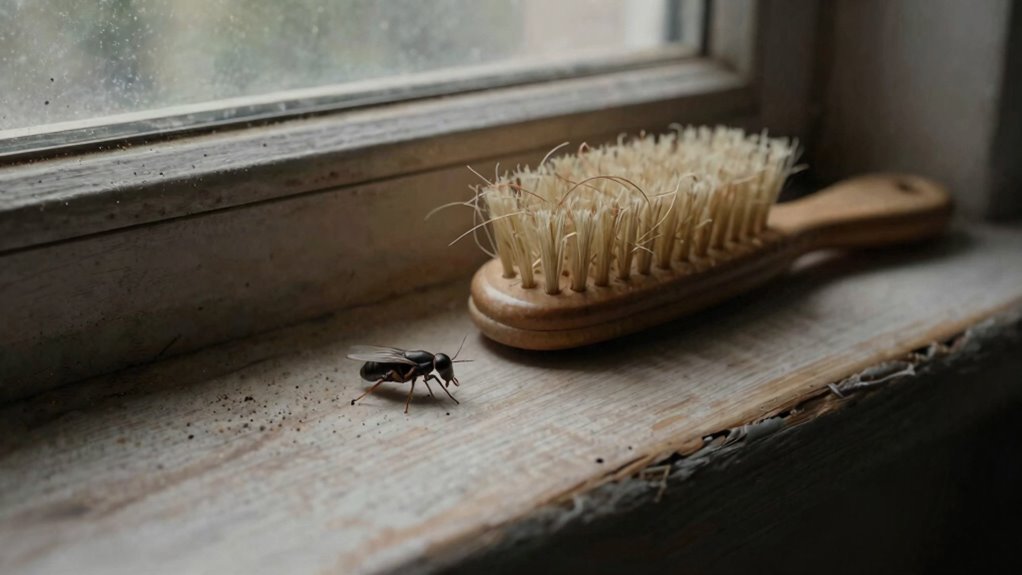
Fleas and lice are more than just itchy nuisances. They are vectors for some genuinely unpleasant diseases.
Fleas can transmit bacterial infections like plague and murine typhus, often jumping from rats or pets to people. Plant-based active ingredients offer a safer alternative for pets, as synthetic chemicals may pose toxicity risks.
Lice are infamous for spreading epidemic typhus and trench fever in crowded conditions.
The health risks from these pests make professional pest control a priority, not a luxury. Zoonotic diseases that jump from animals to humans and parasitic infestations that cause secondary infections are serious concerns.
Contact a trusted exterminator for flea treatment or lice removal today. Safe pest management protects your family from these hidden health threats.
Bacterial Infections Spread
Three major bacterial diseases spread by fleas and lice turn these tiny pests from mere annoyances into genuine health threats.
Plague, caused by *Yersinia pestis*, tops the list. Historical outbreaks like the Black Death killed millions, and flea bites remain the main route.
Murine typhus, from *Rickettsia typhi*, hits with fever and rash, often via flea feces.
Trench fever, spread by body lice, brings recurrent fevers and aches.
Here’s the kicker: genetic resistance in these bacteria complicates treatment. Antibiotics become less effective over time.
Modern hygiene cuts most risks, but these pathogens still lurk in flea and lice populations. To stay safe, invest in flea prevention for your pets. A yearly flea control product costs around $50 and stops bites before they start.
If you spot lice, treat them immediately with over-the-counter products.
The practical takeaway is simple: don’t skip prevention. These bugs pack a bacterial punch worth dodging with regular pest control routines.
Zoonotic Disease Transmission
Beyond the bacterial nasties, both fleas and lice carry a handful of zoonotic diseases that jump from animals to humans and keep pest control professionals busy.
Fleas excel as vectors, moving plague and murine typhus from zoonotic reservoirs like rats to people, which creates epidemic outbreak patterns that spike in warm, crowded areas.
Vector control measures such as flea collars and yard sprays are a must, or you are hosting a tiny disease delivery service.
Lice, mainly body lice, transmit trench fever and epidemic typhus, especially in homeless shelters.
Their public health impact is real, though less dramatic than fleas.
The bottom line is that fleas pose a broader zoonotic threat, whereas lice require close human contact.
For prevention, treat pets with topical flea treatments and vacuum often to stop infestations before they start.
For lice, avoid head to head sharing and wash bedding in hot water to reduce risk.
Contact a licensed exterminator if you see signs of flea bites or lice outbreaks in your home.
Investing in professional pest control helps protect your family from these tiny disease carriers.
Applying a bifenthrin spray around the home’s foundation creates a long-lasting barrier that kills fleas and ticks before they can enter.
Parasitic Infestation Risks
One common worry with these tiny biters is what diseases they might transmit. Fleas and lice both have a surprising disease resume. Fleas are notorious for spreading plague, murine typhus, and cat scratch fever. Lice, especially body lice, carry typhus, trench fever, and relapsing fever.
| Parasite | Disease Examples | Transmission Method |
|---|---|---|
| Fleas | Plague, murine typhus | Bite from infected flea |
| Head Lice | Usually no disease | Bite, but rarely transmit |
| Body Lice | Typhus, trench fever | Bite from infected louse |
The real kicker is that pest control costs can pile up fast with recurring fleas. The best infestation prevention methods include regular pet treatments, vacuuming carpets, and avoiding shared combs. So yes, these critters are tiny, but their disease risk is surprisingly hefty. Best to keep them off your guest list with a professional pest control plan. Using products with insect growth regulators can stop flea eggs and larvae from developing, preventing reinfestation for up to seven months.
Flea Treatments for Pets and Your Home
Treating fleas means waging a two-front battle: one on your pet, and one in your home.
For your pet, flea collars deliver steady, months-long protection; Seresto runs about $60 and works like a slow-release shield.
They’re waterproof and kill fleas before they bite, so you get instant relief without waiting.
If you’re comparing flea treatments for dogs, this collar is a solid buy for long-term flea prevention for pets.
On the home front, carpets and bedding become flea hatcheries if you skip them.
Home fogging acts as your heavy artillery; a can like Hot Shot covers up to 2,000 square feet for roughly $12.
But foggers miss hidden spots, so daily vacuuming is non-negotiable, and always toss the bag right after.
Wash pet bedding weekly in hot water to kill eggs and larvae that survive insecticide sprays.
For a complete flea control plan, pair the collar with fogging and a strict vacuum routine.
Miss one step, and you’re just hosting a blood buffet for the next generation.
If you’re shopping for flea control products, look for collars with IGRs (insect growth regulators) and home sprays that target both adults and eggs.
Your goal is to break the flea life cycle, not just swat the adults you see.
For yard flea control, consider a cedarwood-based repellent like Wondercide Yard Spray that is safe around pets and children when used as directed.
Lice Treatments for Humans and How to Prevent Spread
Fighting lice means focusing directly on the scalp rather than fogging your entire home. Start with an over-the-counter permethrin lotion, which costs around $15 to $25.
Manual nit removal with a fine-tooth comb is essential because no chemical kills every egg. The key to success is a strict retreatment schedule.
You must reapply the lotion exactly seven to ten days later to catch newly hatched nymphs. Wash all bedding in hot water, but skip chemical foggers entirely.
Lice actually prefer clean hair, as their claws grip oily strands best. Comb daily for two weeks to physically remove any survivors.
Retreat on schedule without fail to break the life cycle. Save your panic for fleas, because head lice are manageable with this routine. For effective lice control, consider using permethrin that bonds with fabric fibers on bedding or hats to help prevent reinfestation.
Frequently Asked Questions
Can Fleas Live on Humans Without Pets in the House?
Yes, fleas can live on humans without pets in the house, but they’re not exactly thrilled about it.
They jump onto people for a quick blood meal, yet a full-blown human infestation is rare since fleas much prefer furry hosts like cats and dogs.
Without pets around, a flea’s survival on a person is short, usually lasting just a few days at most.
That’s because they can’t breed or complete their life cycle on human blood alone, so they eventually die off if no animal host appears.
Still, those few days can feel like a real nuisance, especially if you’re dealing with itchy bites on your ankles or legs.
If you suspect fleas but have no pets, check for other entry points like wild rodents, neighboring animals, or secondhand furniture that might have brought them inside.
For fast relief, wash all bedding and vacuum every carpet, sofa, and crevice thoroughly, then dispose of the vacuum bag outside immediately.
Consider using a targeted indoor flea spray or an insect growth regulator to kill eggs and larvae before they mature, even without a pet to treat.
If you need a long-term solution, a home fogger or spray with both adulticide and IGR ingredients will break the flea cycle in your living space.
For ongoing prevention, seal cracks, keep grass trimmed, and place flea traps near baseboards to catch stragglers and monitor activity.
When buying pest control products, look for ones labeled specifically for flea elimination on hard surfaces and fabrics, and always follow the safety instructions for indoor use.
Your goal is to stop the bite cycle fast, and the right product will do that in under a week, even with zero pets in the house.
If the problem persists beyond two weeks, it’s smart to call a licensed exterminator for a professional flea inspection and treatment plan.
That investment saves you from repeat scratching and ensures no hidden flea pockets are surviving in wall voids or under floorboards.
Do Lice or Fleas Prefer Clean or Dirty Hair?
Neither lice nor fleas actually prefer clean or dirty hair, so you can stop stressing about your shampoo routine. They simply want a warm, reliable host, and that includes you or your kids regardless of how often you wash.
Head lice infest all hair types equally, because their life cycle depends on scalp access for feeding and laying nits. That means even freshly washed hair is a perfect target, so hygiene won’t keep them away.
Flea habitat differences matter far more, since fleas thrive in carpets, pet bedding, and grassy yards rather than human hair. If you spot fleas, your floor and your dog are the problem, not your head.
So, if you’re worried about cleanliness, relax, because these pests are equal opportunity annoyances. The real fix is prevention, so focus on regular pest control inspections and targeted treatments like lice combs or flea sprays.
For lice, buy a proven nit removal kit with a metal comb and enzyme spray to break the egg bonds. For fleas, invest in a reliable home flea fogger and wash pet bedding weekly to break their breeding cycle.
Remember, lice don’t care about your hair washing schedule, and fleas are a floor problem, so don’t waste money on special shampoos. Instead, check your scalp after playdates and vacuum your home thoroughly to catch hitchhikers early.
If you need a smart purchase, look for EPA registered lice treatments and vet approved flea preventives that target eggs, larvae, and adults. That way, you solve the root issue fast and avoid repeat infestations that drive everyone crazy.
Bottom line: skip the hygiene guilt and go straight for practical pest control solutions that match the specific pest you face. That’s how you keep your family itch free without overthinking your hair care routine.
Can You Get Fleas or Lice From Swimming in a Pool?
No, you can’t get fleas or lice from swimming in a pool. The chlorine at standard levels of 1–3 parts per million kills these pests quickly.
Pool water temperatures, usually between 78 and 82°F, are far too cold for fleas and lice to survive. They cannot grip hair underwater, so they drown within minutes.
Both parasites require direct host contact or shared bedding, not water, to spread. If you are searching for effective pest control solutions, focus on treating pets and bedding instead.
Your pool chemical costs run about $100 to $300 yearly, but that investment is worth it for prevention. For long term protection, consider buying a quality pool sanitizer and a pet flea treatment together.
Bottom line: swim away worry free. Just towel off, then check the dog for any fleas that might hitch a ride from grass or furniture nearby.
How Long Can Flea Eggs Survive on Clothing?
Flea eggs can survive on clothing for up to 10 days if conditions are right. This egg survival depends on warmth and humidity, think sweaty gym clothes left in a hamper.
The clothing lifespan for eggs is short though, they need a host to hatch so they won’t last forever in your drawer. It’s a waiting game, not a permanent stowaway.
To stop a flea infestation before it starts, always toss suspect items in a hot wash to cut the cycle short. For best results, pair a hot water cycle with a high heat dryer, the heat kills eggs and larvae instantly.
If you’re dealing with a persistent problem, add a targeted laundry additive or a pest control spray designed for fabrics. Many professional pest control companies recommend treating bedding, pet beds, and clothing as part of a full home flea treatment.
Look for products labeled for flea egg control to prevent reinfestation. Buying a quality insect growth regulator for your laundry or home can stop eggs from hatching for weeks.
Can the Same Treatment Be Used for Both Fleas and Lice?
No, you cannot use the same treatment for both fleas and lice. Each pest requires a specific formula to work effectively.
Flea products use different chemicals that target the insect nervous system through ingestion or contact. Lice, however, need topical permethrin or ivermectin lotions applied directly to the hair and scalp.
Using a flea shampoo on head lice risks treatment failure and skin irritation. One friend tried it, and the lice just shrugged off the product.
Stick to species specific pest control solutions to avoid a double infestation later. That means grabbing a fine tooth lice comb for human use and a vet approved flea medication for your pet.
For the best results, buy a labeled lice treatment from a pharmacy. And pick up a separate flea control product from a pet store or online retailer.
This targeted approach saves you money on unnecessary repeat applications. It also keeps your family safe from harsh chemicals used on the wrong pest.


