
Bed bugs vs. mites: two tiny pests that bite, but they’re not the same bug. If you’re waking up with itchy red marks, knowing which one you’re dealing with is the first step to getting rid of them fast. Bed bugs are visible, flat, and leave welts in a line, while mites are microscopic and cause scattered rashes.
The right treatment depends on the pest, and we’ve broken down exactly how to spot, stop, and prevent each one below. Stick around for a simple comparison and the tools you’ll need to take control.
At A Glance
- Bed bugs are 1–7 mm, flat, reddish-brown; mites are often under 1 mm and eight-legged.
- Bed bug bites form lines or clusters; mite bites appear as scattered, random red welts.
- Bed bugs require blood meals to survive; most mites feed on dead skin or plant matter.
- Bed bugs hide in mattress seams and baseboards; mites thrive in damp, dusty environments.
- Bed bugs need professional heat treatment; mites often resolve with hot washing and vacuuming.
Bed Bugs vs. Mites: Size, Legs, and Color at a Glance
Let’s start with the basics: size, legs, and color, the trifecta of identifying whether you have a bed bug or a mite. If you’re staring at a tiny brown speck on your pillow, you need answers, not a guessing game.
Bed bugs run 1–7 mm, flat as a pancake, with a reddish‑brown hue that deepens after a meal. Mites, meanwhile, often clock in under a millimeter, barely a speck, with color that swings from pale white to rust, depending on the species.
Legs settle it: bed bugs have six, always; mites, as adults, have eight, being spider cousins technically. Jaw structure differs too, with bed bugs sporting a piercing beak folded under the head, while mites have tiny, pincer-like chelicerae.
No magnifier? Size and leg count are your best bet for pest control. Bottom line: six legs, penny-sized, bug-like means bed bug; eight legs, dust-mote tiny means mite.
For effective treatment, diatomaceous earth kills bed bugs within 48 hours by causing dehydration, and its residual effect lasts weeks when kept dry. Contact a professional exterminator to confirm the infestation and choose the right solution. Quick identification can save you time and money on unnecessary sprays.
Do Bed Bugs and Mites Both Bite Humans?
Not all mites bite humans, but scabies mites and chiggers do cause itchy reactions similar to bed bugs.
Bed bugs, however, are the only pests that must feed on blood to survive, while most mites snack on dead skin or plant material.
So yes, both can bite you, but bed bugs are the true vampires here.
Mites are more like clumsy relatives that crash your picnic without needing a blood meal.
If you suspect an infestation, professional bed bug control is essential for eliminating these parasites from your home.
For mite problems, treating your yard or bedding with targeted pest removal products often resolves the issue quickly.
Feeding Habits Compared
Although both bed bugs and mites can leave you scratching, they have very different ideas about what constitutes a meal.
Bed bugs are obligate blood feeders, meaning they require blood meals to survive and develop.
They inject anesthetic and an anticoagulant while biting, so you rarely feel the attack.
These sneaky little vampires are a top reason to call a pest control service for bed bug treatment.
Many mite species, conversely, prefer skin cell diets, feeding on dead dander, plant matter, or fungi.
But certain mites, like chiggers and scabies mites, do bite humans, feeding on skin cells or tissue fluids.
Both leave itchy red welts, but their dinner menus are worlds apart.
Think of bed bugs as the steak and potatoes crowd, whereas mites are more grazing on crumbs.
If you need to identify the source of bites, inspect your mattress for bed bugs or check for mite infestations in carpets and upholstery.
Professional pest control solutions can target both pests effectively, giving you relief from the itching.
For complete home protection, consider a kit that covers up to 4,500 sq. ft. and provides a long-lasting barrier for up to 90 days.
Who Gets Bitten?
Yes, bed bugs bite everyone nearby, night after night without mercy. Their bites cause itchy skin reactions that can trigger allergic responses needing pest control treatment.
Scabies mites carefully choose their host, burrowing into skin folds. This leads to relentless itching that worsens at night and demands professional pest management.
Chiggers bite exposed skin in grass or outdoors. Their angry red welts can drive a person crazy, making habitat removal a key pest control strategy.
Location and timing separate these pests. Bed bugs hit in bed while mites attack in the yard or under your skin.
Neither is a guest you want in your home. For effective pest control, using a handheld steamer provides chemical-free methods that rely on high-temp steam between 221°F and 356°F to kill pests and eggs without toxic fumes.
Visible Bite Reactions
Since both bed bugs and certain mites bite humans, the visible bite reactions often blur together. This makes it hard to know which pest control treatment you actually need.
Bed bugs produce delayed welts that sometimes take up to 14 days to appear. Mite bites, on the other hand, show up within hours of contact.
Bite timing matters for identification. Bed bugs feast at night, leaving a linear zigzag pattern.
Mites like chiggers strike during outdoor activity, creating scattered, clustered rash patterns. Both result in red, raised bumps that itch like crazy.
The key difference is pattern. Bed bug bites tend to cluster in a line or group, while mite bites spread more randomly.
For a reliable identification, look at bite timing and the specific rash pattern. If you are waking up with new welts, it is likely bed bugs.
Itchy after gardening? Blame mites. Contact a local exterminator to confirm and treat the source. Desiccant based powders offer long term mite control when stored in a cool, dry place.
Where Do Bed Bugs and Mites Hide in Your Home?
Gritty inspection beats panic every time. Focus on mattress seams and box springs for early bed bug control.
Look along baseboards and behind headboards for hidden infestations. Use a crevice tool to reach deep into sofa cushions.
For mite removal, wash bedding weekly in hot water. Apply diatomaceous earth in corners for long term pest prevention.
Sealing cracks keeps both bed bugs and dust mites from entering. Regular cleaning with a HEPA vacuum lowers allergen levels.
Trust a thorough check over quick fixes. That is the real key to a pest free home.
For complete protection, pair a six-sided zippered encasement with a box spring cover and interceptors on bed legs to fully seal out both pests.
Why Bed Bug and Mite Life Cycles Make Them Tough to Remove
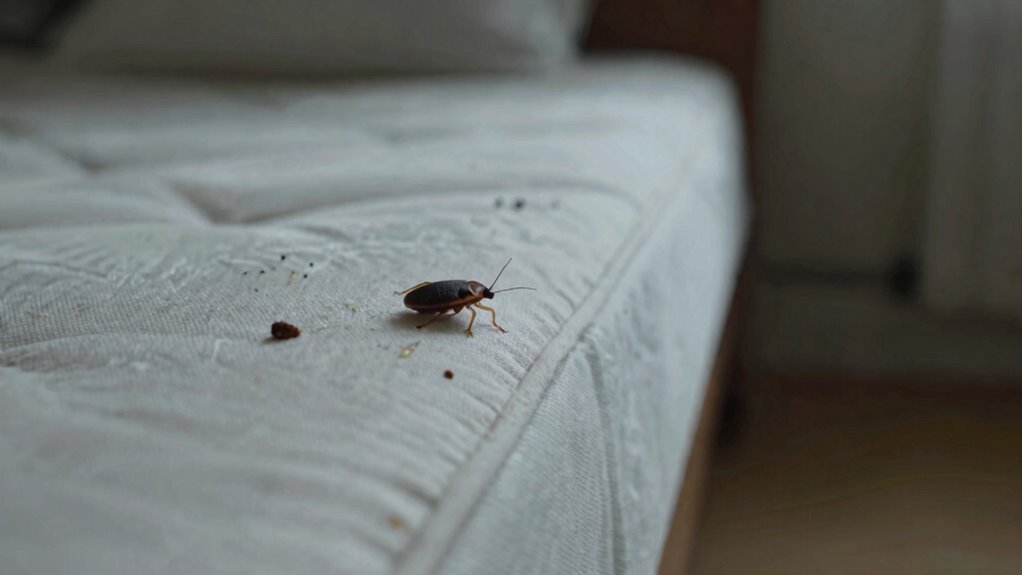
The life cycles of bed bugs and mites create serious challenges for homeowners. Each pest goes through multiple molting stages that require regular feeding. Bed bugs pass through five nymphal stages, each needing a blood meal to grow. They constantly hide and feed between molts, making them hard to target. Many mites can reproduce without males, so a single female can start a new colony. Bed bugs can survive for months without a meal, allowing them to wait out treatments.
A single missed batch of eggs can restart the entire infestation. This makes professional pest control essential for complete removal. Effective treatment requires patience and a thorough plan, not a quick fix. Focusing on egg elimination and repeat inspections is key to success. Heat treatment that reaches 120°F kills bed bugs at all life stages, from eggs to adults, almost instantly.
Stages and Molts
Bed bugs go through five nymphal molts before reaching adulthood, and each stage requires a blood meal to shed the old exoskeleton. This cycle of feeding and growth makes them stubborn pests that can overwhelm your home if left unchecked.
Missing just one blood meal can stall or kill a nymph, which is why professional pest control is so effective. Each empty husk left behind is a silent trigger for allergies in your mattress seams.
Nymphs grow quickly on regular blood meals, so every missed feeding buys you extra time. That means five molts, five blood meals, and five chances for failure in your bed bug treatment plan.
Yet they rarely miss a meal, making eradication feel like a marathon. For lasting relief, you need a comprehensive extermination strategy that targets every stage, including using a non-repellent aerosol that keeps bed bugs from avoiding treated areas.
Survival Without Feeding
How long can a pest go without eating? For bed bugs, the answer is a surprisingly long time. They can enter a hibernation dormancy, surviving months or even over a year without a blood meal, a starvation adaptation that makes them formidable foes, which is why passive interceptor traps placed under furniture legs are effective for early detection before they can reach sleeping areas.
This allows them to wait out treatments or periods when homes are vacant for effective bed bug elimination. Mites, conversely, are far less resilient, as most dust mites living on dead skin dander will perish within days to weeks without proper humidity.
They lack the same hibernation dormancy capacity, which is why bed bugs often require multiple professional pest control services. Mite control focuses on reducing dampness and food sources like dust, so managing humidity is key.
Is It Bed Bug Bites or Mite Bites? Key Signs to Look For
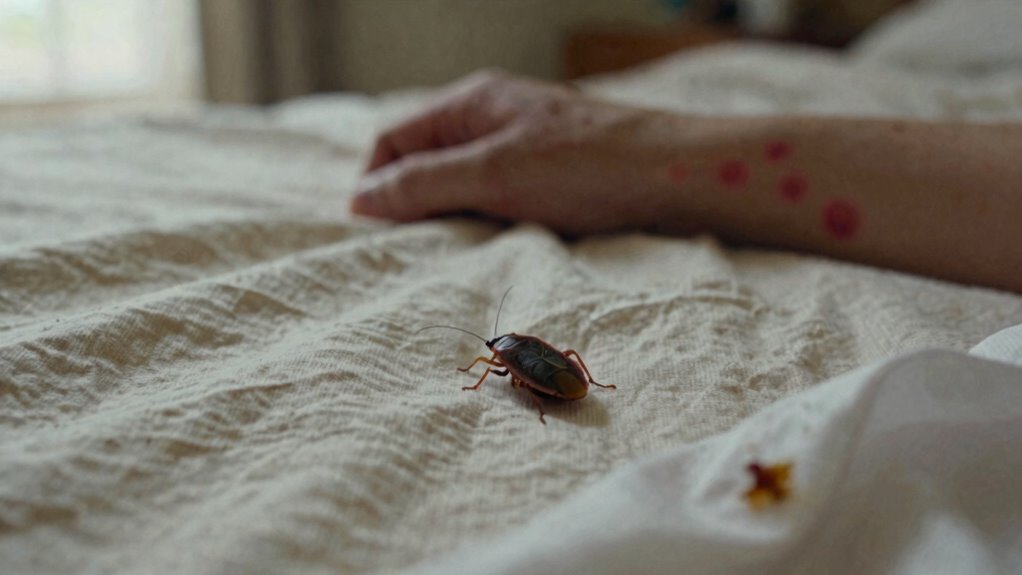
Identifying the culprit behind mysterious bites can feel like a biological whodunit, especially when you are left with a constellation of red, itchy welts. The detective work comes down to two clues: bite timing and itching severity.
Bite timing is key. Bed bugs are nightshift workers, they feed as you sleep, often in neat rows or clusters. Mites, though, bite whenever they get the chance, whether you are napping or folding laundry.
Bite timing is key: bed bugs by night, mites by day or whenever.
Itching severity tells a different story. Bed bug bites are annoying but tolerable, while mite bites, like from chiggers, can reach a frenzy that makes you want to peel your skin off. That is a whole other level of suffering you need to treat fast.
Pattern paranoia helps too. Bed bug bites often form a line, breakfast, lunch, dinner, whereas mite bites look like a random rash. It is as if a tiny artist splattered red dots across your body, so inspect your bedding and furniture for signs of an infestation. Hiring a professional pest control service quickly can save you from weeks of discomfort.
Spot the Difference: Blood Stains, Odor, or Tiny Crawlers?
Bite timing and itch intensity offer clues, but spotting the actual pest seals the case. Bed bugs leave rusty blood stains on sheets and a sweet, musty odor from their scent glands.
Mites don’t produce that smell, and their blood spots are rare except when crushed. For tiny crawlers, bed bugs are flat, reddish-brown and the size of a penny. Mites are smaller, often invisible to the naked eye.
One common bed bug myth is that they’re too small to see. Adults are clearly visible, so you can inspect mattress seams for proper pest control.
Mite prevention focuses on reducing humidity and washing bedding hot. Bed bug control targets hiding spots like mattress seams and headboard cracks.
Sniff for that odd sweetness, check for stains, or spot the crawlers. If it smells musty and leaves rusty dots, it’s likely bed bugs, not mites.
How to Get Rid of Bed Bugs vs. Mites
The bottom line is that bed bugs demand a full scale pest control response. Mites on the other hand often just require a thorough spring cleaning.
For bed bugs you need professional heat treatments or targeted insecticides. Mites are usually eliminated by washing bedding in hot water and vacuuming regularly.
When you spot bed bug signs like rusty stains or live bugs call an exterminator immediately. For mites focus on reducing dust and humidity in your home.
Always inspect secondhand furniture carefully before bringing it inside to avoid a bed bug infestation. A simple allergen spray can often solve a mite problem without hiring a pro.
Additionally, for ongoing bed bug monitoring, non-toxic glue traps placed under furniture legs can help detect early signs without using harsh chemicals.
When to Call a Professional for Bed Bug or Mite Infestations
After all that talk about spring cleaning and professional heat treatments, the real question is when a homeowner knows it’s time to call in the pros. For bed bugs, call a pest control expert when you spot live bugs, blood spots, or that sweet musty odor, especially after a few failed DIY attempts.
When you see live bugs, blood spots, or a musty smell after failed DIY attempts, call a pro.
These pests hide in mattress seams and reproduce quickly, surviving for months without a meal. For mites, the situation is different: clover mites can swarm walls but rarely bite, so a vacuum often works for minor infestations.
However, dust mites can trigger asthma or allergies, which may raise health risks if left unchecked. Call a professional pest removal service if mite-related allergies persist after cleaning, or if bed bugs return after treatment.
The bottom line is simple: handle minor mite problems with DIY methods, but hire a pro for persistent bed bugs or allergy flare-ups.
Frequently Asked Questions
Can Bed Bugs Live in Your Hair or on Your Body?
No, bed bugs cannot live in human hair or on your body. They are not like lice, which are adapted to live on the scalp.
Despite common myths, bed bugs prefer to hide in mattresses, box springs, and furniture. They are attracted to body heat and carbon dioxide, which is why they visit you while you sleep.
But they only stay for a quick blood meal, then retreat to their hiding spots. They do not set up camp on your skin or in your hair.
If you suspect a bed bug infestation, you need a targeted pest control plan. Focus on mattress encasements, bed bug interceptors, and professional grade sprays.
These products help you eliminate the real hiding spots, not your scalp. A thorough inspection of your bed frame and headboard is your best move.
For a smart purchase, look for bed bug treatment kits that include traps and residual sprays. Always check for buyer intent phrases like “fast acting bed bug killer” or “hotel grade bed bug spray.”
This practical approach saves you time and money. And it keeps your hair and skin free of these creepy crawlers.
Do Mites or Bed Bugs Spread Disease to Humans?
Bed bugs are not known to spread disease to humans, regardless of their unsettling presence and itchy bite marks.
Their potential to transmit pathogens is virtually zero, with no research linking them to illnesses.
Mites, by contrast, have a real but limited ability to act as disease vectors for humans.
For example, scabies mites cause skin infections by burrowing, and chiggers can carry scrub typhus bacteria in specific regions.
So while bed bugs are gross and annoying, they remain disease-free from a pest control perspective.
Mites occasionally pose a tiny health risk, so professional mite treatment is worth considering for relief.
If you need effective pest control products for bed bugs or mite infestations, shop our proven solutions today.
Bottom line: worry about the itch from mites, not infection from bed bugs.
Can You See Bed Bugs or Mites With the Naked Eye?
Yes, bed bugs are visible to the naked eye, but mites often aren’t. Adult bed bugs measure 1 to 7 mm, about the size of a Lincoln penny’s head, so you can spot them crawling.
Mites stay under 1/8 inch, and many require a magnifying glass to see clearly. Color identification helps too: bed bugs are reddish brown and flat, while mites range from pale to red.
Their tiny size makes mites easy to miss, so check seams and crevices first. For effective pest control, start with a thorough inspection of mattress seams, box springs, and baseboards.
If you spot bed bugs, look for professional grade sprays or heat treatments to eliminate infestations quickly. For mites, use dust mite covers, HEPA vacuums, and targeted acaricides to reduce allergens.
Knowing the difference between bed bugs and mites helps you choose the right product. Buy a high quality mattress encasement and a UV flashlight now to confirm your pest problem before treatment.
Are Bed Bugs or Mites More Common in Clean Homes?
Clean homes can still get bed bugs, and they are actually more common there than mites. Bed bugs don’t care about dirt; they hitchhike on luggage, used furniture, and clothing to get inside your home.
Mites, on the other hand, thrive on dust, humidity, and organic debris. A spotless home with low humidity naturally discourages mite infestations, making bed bugs the bigger concern for clean households.
Understanding these differences is key for effective pest control. Bed bugs spread through travel and shared spaces, while mites are tied to your home’s environment and cleanliness levels.
Do not believe the myth that pest problems mean you live dirty. Both bed bugs and mites can invade any home, regardless of how often you clean.
For the best cheap defense, vacuum carpets and upholstery weekly to remove eggs and debris. Always inspect secondhand furniture and mattresses before bringing them inside.
Keep indoor humidity below 50 percent to stop mites from breeding. If you spot bed bugs, act fast with a targeted treatment plan or call a professional for reliable pest control solutions.
How Long Does It Take for Bed Bug or Mite Bites to Heal?
Healing time varies depending on your individual sensitivity and how much you scratch. For bed bug bites, those red welts usually fade within one to two weeks.
Mite bites from chiggers or scabies often follow a similar timeline, but intense itching can linger up to three weeks. The worst thing you can do is scratch like a maniac, since that invites infection and turns a week long annoyance into a month long saga.
To speed up healing, use an anti itch cream or a cold compress right after you spot the bites. If you suspect an active infestation, call a licensed pest control professional for a thorough inspection.
For bed bugs, look for heat treatment or diatomaceous earth as effective product solutions. For mites, a medicated lotion from your doctor or a targeted spray can stop the cycle fast.
Bottom line expect one to three weeks for healing, unless you are a slow healer. Then blame genetics, and consider a protective mattress encasement to prevent future bites.


