
Dealing with ants in the kitchen can be frustrating, especially when you’re trying to keep your home clean and safe for your family.
In 2023, effective pest control is easier than ever with the right tips and supplies.
This article guides you through simple, practical steps to eliminate ants for good, including the best natural repellents, sealing entry points, and setting bait stations.
We’ll also share helpful notes on products worth investing in and maintenance tips to keep them out long-term.
Whether you’re a busy parent or just want quick, reliable solutions, our straightforward advice can help restore peace to your kitchen.
Keep reading to discover the best pest control supplies and simple strategies that really work.
At A Glance
- Identify and seal entry points around doors, windows, and walls using caulk or petroleum jelly to prevent ants from entering.
- Remove food attractants by cleaning spills, storing food in airtight containers, and maintaining a tidy, debris-free kitchen.
- Disrupt ant trails with vinegar solutions and vacuum up existing trails to break their navigation paths.
- Use natural baits like sugar mixed with baking soda or honey with borax to attract and eliminate colonies effectively.
- Regularly inspect and maintain your kitchen to eliminate hidden nests and prevent new infestations.
Identify Common Entry Points Where Ants Invade
Ants typically enter homes through small gaps and cracks that are often hard to notice. These entry points are common around door frames, window sills, and vents, making them prime locations for ant invasions.
Ants often invade through tiny, unnoticed gaps near doors, windows, and vents.
Using pest-proofing strategies such as sealing cracks with caulk or petroleum jelly can effectively block these entryways. Checking window screens for tears or rips helps prevent ants from slipping inside when you open windows or doors.
Since ants are highly skilled navigators despite their size, even tiny gaps can lead to a full-scale invasion. Identifying and sealing these vulnerabilities is essential for pest control and protecting your home from unwanted ant activity.
Remember, ants tend to be more active during spring and summer, so timely preventive measures can save you from ongoing pest problems. Keeping your home insect-free involves not just pest control products but also regular maintenance of entry points. Considering options like steel wool or mesh barriers can provide a long-term, rodent-proof seal, further preventing entry.
Find and Seal Ant Trails and Entry Points to Block Re-entry
Finding and sealing ant trails and entry points is a simple yet important step to prevent pests from turning your kitchen into their nesting area.
Ants leave pheromone trails that guide others back to their colony, which is why sealing these points effectively stops re-entry.
First, follow the trail to find the areas ants most frequently travel.
These are their main pathways or highways.
Next, carefully inspect your home for tiny cracks in walls, gaps around doors, or vents.
These are common entry points that pests use to gain access.
Seal these openings using appropriate pest control products like caulk, petroleum jelly, or weatherstripping.
For small gaps, a budget-friendly sealant from the dollar store can be a quick and effective fix.
Using steel wool around entry points can also provide a durable, gnaw-proof barrier that deters rodents and insects for long-term pest exclusion.
By sealing ant entry points, you prevent colonies from establishing inside your walls or cabinets.
This not only stops invasions but also reduces the risk of future pest problems.
The bottom line is that preventing ants from entering your home helps control their population and keeps your space pest-free.
Maintaining a sealed environment makes it harder for ants and other insects to invade and interfere with your household.
Remove Attracting Food Sources From Your Kitchen and Home
Getting rid of food leftovers and crumbs is one of the simplest ways to prevent ant infestations in your kitchen and home. If you are willing to part with snack residues and dirty dishes that seem to multiply overnight, you can make your space less attractive to pest ants.
Sealed pantry storage keeps food out of sight and inaccessible, reducing the chances of attracting ant colonies. Proper storage acts as a key pest management strategy that stops ants from discovering your food supplies easily.
Cleaning up spills immediately is critical because sticky drops or crumbs left behind can invite a colony of ants into your home. Maintaining good hygiene around food areas discourages pests from setting up colonies nearby.
Cleaning compost bins regularly is also essential because decomposing organic matter can attract foraging ants. Keeping trash cans clean and emptied frequently helps eliminate scent trails that ants follow to locate food sources.
Use a vinegar solution to clean trash cans and other surfaces because it helps remove pest-attracting odors effectively. Additionally, using sealed storage containers like pest-proof produce containers can prevent ants from accessing your food items. These practical pest control tips do not require expensive pest control products or professional services but depend on consistent habits.
Clean Surfaces and Break Down Ant Trails Effectively
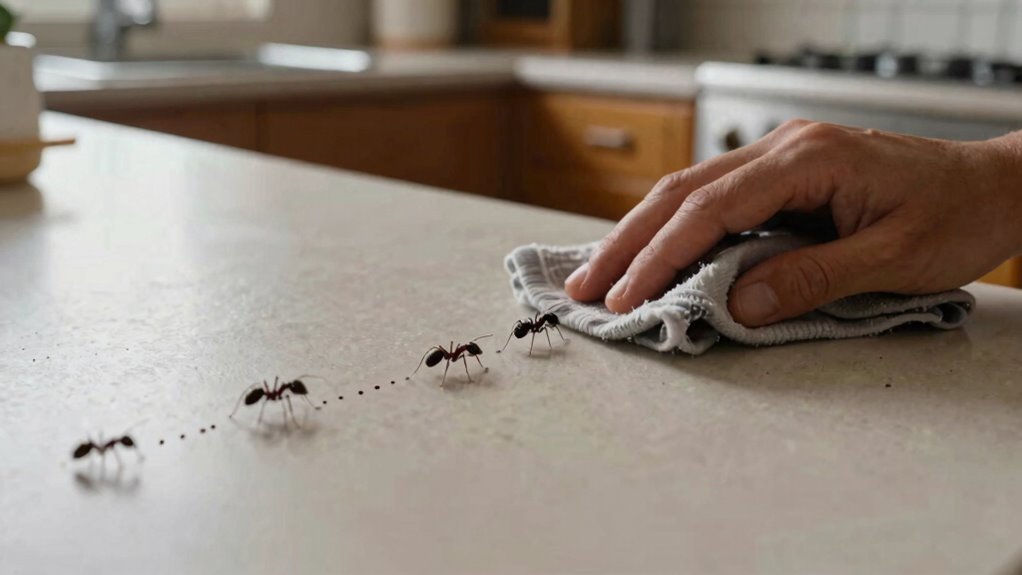
Cleaning surfaces and breaking down ant trails is a simple but often overlooked step in effective pest management.
Ant trails are sneaky and can help ants find food sources or entry points into your home.
Using vinegar for cleaning is an affordable and natural method to control ants.
Vinegar is an affordable, natural way to help control ants effectively.
A bottle costs around two dollars and works surprisingly well by disrupting their scent trails.
Microbes and fragrances in cleaners can attract more ants, so it’s best to stick with plain vinegar and water.
Wiping down surfaces with this solution can break ant trails and make it harder for them to communicate and follow scent cues.
Here’s what to do:
Vacuum up ant trails and crumbs, then wipe the area with a vinegar-based solution to eliminate trails effectively.
Avoid using fragrant cleaning products that might encourage ant activity.
Maintaining cleanliness is crucial.
Clean surfaces, floors, and dishes daily to prevent ant trails from forming and to reduce attractants around your home.
Vinegar tricks ants into confusion, making it harder for them to follow scent trails.
Keeping your home tidy and clean is a practical way to support pest control efforts naturally.
Stay consistent with these cleaning habits to help keep ants at bay and maintain an ant-free environment.
Use Natural Baits and Homemade Repellents to Control Ants
Using natural baits and homemade repellents is a practical and budget-friendly strategy to control ant infestations. These eco-friendly pest control methods help you avoid harsh chemicals while effectively reducing ant activity.
Recipes such as sugar mixed with baking soda or simple solutions like lemon juice and mint oil can deter ants naturally and safely. These homemade remedies are inexpensive, costing just a few cents per application, making them an affordable option for many homeowners.
For those struggling with ants invading their kitchens or living spaces, these natural ant repellents offer a safe and straightforward alternative. Additionally, borax-based baits can be effective in controlling ant colonies when used carefully and placed out of reach of children and pets. Keep in mind that the effectiveness of these solutions can vary depending on the species of ants and the severity of the infestation.
Natural Bait Recipes
Natural bait recipes offer a practical and eco-friendly solution for pest control, especially when dealing with ants in your kitchen. They are inexpensive and simple to prepare, relying on natural ingredients that ants find irresistible.
These homemade ant bait options attract ants to a specific spot, where they carry the bait back to their colony, helping to eliminate the infestation more effectively. Popular choices include a cornmeal bait made by mixing the crunchy grain with a sweet syrup to lure hungry ants. Place this mixture near their trails or entry points for best results.
Another effective option is a baking soda mixture that combines baking soda with sugar. Tiny spoonfuls of this bait can be positioned close to ant entry points or along their trails. When ingested, the baking soda disrupts the ants’ digestive system, ultimately killing them.
A third method involves mixing honey with borax. Spread this sweet yet deadly mixture strategically around ant pathways and entry points to maximize control.
Additionally, understanding ant behavior and their access points can help you properly place bait stations, increasing the chances of colony elimination.
Effective Repellent Options
When it comes to natural pest control options for deterring bothersome ants without using harsh chemicals, many homeowners turn to simple and eco-friendly repellents.
These natural solutions are affordable, easy to make, and can be surprisingly satisfying to prepare at home. Citrus peels, such as lemon or orange, cost only a few cents each and use the strength of their natural scent to repel ants effectively.
Mint remedies, including fresh leaves or peppermint oil, which typically costs around $5 for 15 milliliters, are another popular choice.
The strong smell of mint irritates ants and keeps them away from your living spaces, making it a safe option for homes with children and pets.
Place citrus peels near entry points like door thresholds, windows, or cracks where ants tend to invade.
Diluting peppermint oil in water and spraying it around door frames, baseboards, and cracks further enhances your pest control efforts.
Both methods are eco-friendly and practical because they do not introduce toxic chemicals into your home environment.
Using natural ingredients like these helps keep your kitchen and living areas fresh and safe for your family.
Apply Commercial Baits and Insecticides Safely for Best Results
Applying commercial ant baits and insecticides requires careful placement and safe handling to ensure the safety of everyone, including pets and curious children.
The most important part is knowing where to position these pest control products—near ant trails or entry points—without making your home look cluttered with chemicals.
Always follow the instructions provided on the product packaging for the best and safest results.
Wear protective gear such as gloves and masks when handling insecticides to avoid accidental contact or inhalation.
Avoid placing baits where children or pets might accidentally ingest them to prevent harmful exposure.
Using these pest control methods responsibly helps eliminate ant and insect infestations efficiently while keeping your home safe.
Proper placement and choosing child-resistant stations can further reduce risks to your family.
Proper Placement Techniques
Proper placement of commercial ant bait stations and insecticides is essential for effective pest control against troublesome invaders. Correct positioning ensures the bait attracts ants instead of being ignored or knocked away.
Here are some top pest control tips to improve your ant management efforts:
- Ant bait stations: Set them near ant trails, at entry points, or along walls where ants frequently walk. Make sure to keep stations out of reach of children and pets for safety; think of them as tiny, lethal playgrounds.
- Gel placement: Apply gels directly into cracks, crevices, or other narrow spots where ants tend to hide. A small amount, about the size of a pea, is usually enough, but avoid over-application.
- Strategic locations: Focus on areas with regular ant activity like behind appliances or under sinks. Proper placement of ant bait and insecticide ensures maximum effectiveness without cluttering your kitchen or home.
- Regular inspection: Check the placement sites regularly for signs of activity or spillage, and reapply as needed for continued control and maintenance of the barrier. Residual control remains effective when products are used correctly and re-applied periodically.
The key takeaway is that smart placement of pest control products leads to faster and better ant eradication. With good positioning, you can control an ant invasion more efficiently and with less effort.
Safe Handling Practices
Even the best placement of ant bait or insecticide will not be effective if it is not handled carefully.
Proper use of commercial pest control products reduces risks to humans, pets, and the environment.
Always follow the label instructions closely, as these are legally binding guidelines, not just suggestions.
Store bait stations and sprays out of reach of children and pets in secure areas.
Child-proof containers are a small investment that can prevent accidents, costing around five to ten dollars.
Use insecticides and bait precisely as directed; overapplication can cause harm, especially with non-toxic methods in your home.
Keeping pest control products in cool, dry places helps preserve their effectiveness and safety.
Understanding the ant colony lifecycle is key to effective pest management.
Targeting and eliminating the queen can break the cycle and prevent future infestations.
Always treat insecticides and bait with respect to ensure safety and compliance.
The main priority is safety first, then pest control.
Additionally, choosing pet-safe ant killers that are made with plant-based ingredients can significantly reduce health risks for your family and pets.
Implement Long-Term Strategies to Prevent Ants From Returning
Implementing long-term ant prevention strategies requires consistent effort and smart habits rather than quick fixes or hope that a good sweep will keep insects out forever.
By taking proactive steps, you can effectively control and eliminate ant infestations around your home.
Pet proofing is essential; installing weatherstripping and sealing gaps around doors and windows can prevent ants from sneaking inside.
Repair any cracks in your walls or foundations as well.
For roughly 10 to 20 dollars, you can purchase caulk or weatherstripping to block those tiny entry points once and for all, making your home less attractive to ants.
Pay attention to seasonal ant activity, especially in spring and fall when ants are seeking shelter and water.
Adjust your pest control measures accordingly by inspecting and sealing potential entryways more diligently during these times.
Being aware of these patterns helps prevent seasonal surges of ant invasions and keeps your household pest-free.
Maintaining a clean home is a vital part of ant control through sanitation.
Store food in airtight containers, wipe up spills immediately, and clean all surfaces regularly to remove food residues that attract ants.
This approach leaves little reason for ants to stay or return, reducing the likelihood of ongoing infestations.
Using natural or botanical pest control sprays, such as peppermint or clove oil formulations, around entry points or baseboards can also create an effective pest barrier that repels ants while being safe for pets and children once dry.
Consistent application of these long-term strategies will strengthen your pest management plan.
Remove Clutter and Eliminate Indoor or Outdoor Nesting Sites
Removing clutter and knocking down outdoor nesting sites are essential steps in effective ant pest control.
Clearing countertops, removing yard debris, and trimming overgrown plants helps eliminate common ant attractants.
These actions make your home and yard less inviting for ants, who tend to nest in hidden indoor and outdoor areas.
If they can’t find food or shelter easily, they are more likely to move on.
Using preventive measures like sealing entry points and maintaining a tidy environment supports ongoing pest management.
Keeping your space clean and free of ant habitat reduces the chances of a full-blown infestation.
Clear Countertops Regularly
Keeping countertops clear is one of the simplest yet most effective ways to help control ant infestations in your kitchen. Clutter creates hiding spots and provides easy access to food crumbs that attract these tiny invaders.
Here’s how to keep your counters tidy and pest-free:
Regularly wipe down surfaces with warm, soapy water. Think of it as giving your kitchen a fresh start every day, removing crumbs and pheromone trails that ants use to locate food.
Store food in airtight containers, preferably sealed tightly, like a lock on your snack stash, because ants are especially drawn to sweet and starchy foods.
Use crushed eggshells or diatomaceous earth around entry points. These natural barriers damage ants’ exoskeletons and stop colonies from spreading into your home.
Maintaining a clean kitchen and using physical barriers help make your counters less appealing to ants.
An ant-free kitchen is achievable when you combine regular cleaning with strategic deterrents and pest control techniques.
Remove Yard Debris
When dealing with an ant infestation in your yard, removing yard debris is a crucial first step. Piles of leaves, wood, or discarded items create ideal nesting sites and provide easy access points for ants to invade your outdoor space.
Clearing away debris is an affordable and straightforward task that requires only your time and effort. Using a yard waste bag or compost pile to dispose of the debris can help keep your yard tidy and pest-free.
A clean yard not only minimizes ant hiding spots but also reduces potential outdoor entry points. Regular cleanup can prevent ants from establishing colonies near your home and help maintain an environment that discourages pests.
The benefits of yard debris removal include improved curb appeal and a safer, pest-resistant outdoor area. However, it is important to note that this process needs to be done regularly, as one-time cleanup may not be sufficient.
In the end, maintaining a tidy yard is a smart, proactive approach to pest control. It is far more effective than waiting to address ant problems only after they become a nuisance indoors.
Trim Outdoor Vegetation
A well-maintained yard can significantly reduce ant infestations by making it less appealing for pests to set up nests. Trimming outdoor vegetation is a simple, cost-effective pest control method that acts as an insect exclusion barrier.
Tall grass, overgrown shrubs, and unkempt bushes offer perfect hiding spots and easy access points for ants seeking shelter near your home. Removing dense foliage within at least 12 inches of the house helps prevent ants from using it as a bridge.
Regular pruning of trees and bushes is essential to expose potential entry points and minimize clutter that can attract ants and other pests. Clearing away leaf litter and debris is also crucial because these materials can harbor nests and provide additional food sources for ants.
Additionally, keeping your yard tidy and free of debris is a natural pest control strategy that reduces pest populations and encourages a pest-free environment. This routine maintenance takes only a few minutes, involves no extra costs, and can dramatically lower the chances of ant invasion.
When Should You Call a Pest Control Professional?
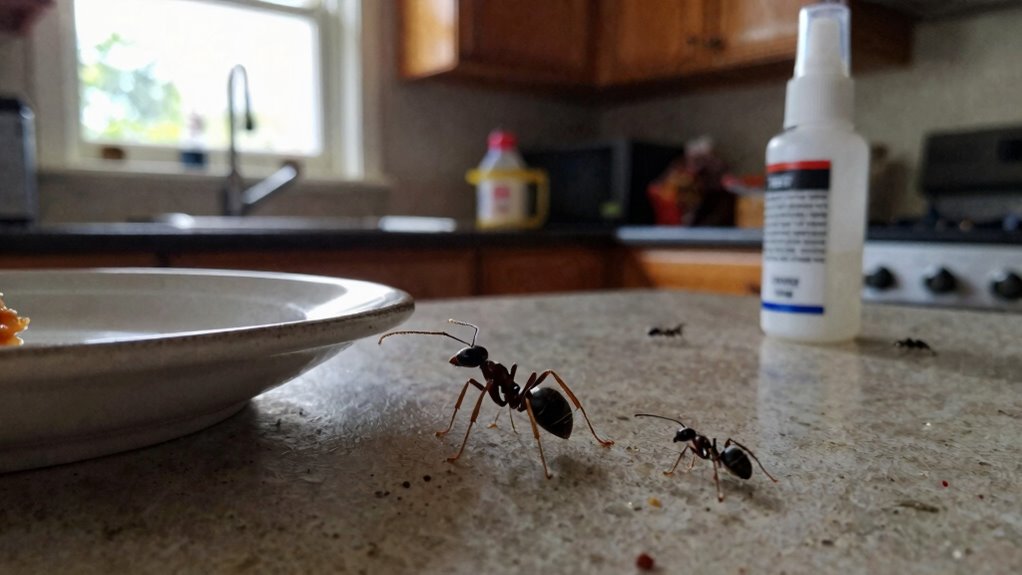
Ant invasions that escalate from minor annoyances to full-blown infestations are the right time to contact a professional pest control service.
DIY ant control methods such as over-the-counter sprays or home remedies might offer temporary relief but often do not solve the root of the problem.
Attempting to handle severe ant infestations on your own can sometimes make the situation worse or cause the pests to spread further.
When ants increase in numbers, form swarms, or nest deep inside walls or wooden structures, it is wise to seek the help of pest control experts.
Professional pest control technicians can accurately identify the species involved and apply effective, EPA-approved insecticides that are not available at local stores.
Using the right pest control products and techniques ensures a more permanent solution and prevents recurring ant problems.
If your ant situation feels overwhelming or has lasted for a long time, investing in professional pest control services can save you time, money, and stress.
Choosing expert help guarantees a safe and thorough approach to eliminating ants from your home or property.
Select Effective Products and Treatments for Ant Infestations
Choosing the right products to effectively control ant infestations can feel overwhelming with so many options like sprays, baits, and powders. Each product promises quick results, but not all are equally effective or safe for your family and pets.
When selecting pest control solutions for ants, consider non-chemical options like diatomaceous earth or natural repellents. These eco-friendly methods are safe and suitable for those looking for chemical-free pest management, although they may work more slowly.
Commercial ant baits are widely available and convenient. Store-bought gels or bait stations typically cost between $5 and $15 and work by ants carrying the poison back to their colony, ultimately eradicating the entire nest.
Insecticide sprays and powders can provide rapid visible results but should be used with caution. They are powerful tools for quick elimination but may pose risks if not applied carefully.
An integrated pest management approach combines these techniques for a balanced, effective solution. This strategy maximizes long-term control while minimizing chemical exposure and environmental impact.
Ultimately, choosing the right ant control products depends on your situation and safety priorities. Carefully consider your options and think about a long-term pest management plan for the best results.
Maintain Ongoing Sanitation and Home Maintenance to Prevent Future Problems
Maintaining ongoing sanitation and home maintenance is the most effective way to prevent ant infestations and other pest problems. Regular cleaning and upkeep help keep pests out of your home.
Controlling humidity and regulating temperature are essential parts of pest prevention. Moist areas like leaky pipes or pet bowls that are not quickly drained create a suitable environment for ants, as they prefer humidity over sugar.
Make it a habit to wipe down counters, vacuum crumbs, and fix leaks promptly since dampness attracts pests. Proper sealing of food in containers that cost between five and twenty dollars can also prevent ants from finding easy food sources.
Check that window screens are intact to keep pests outside. If you want a quick fix, using a fish tank net can serve as a temporary barrier.
Maintaining an optimal temperature with devices like a dehumidifier or air conditioner, which typically cost between 200 and 500 dollars, makes your home less inviting for pests.
The key takeaway is that practicing good sanitation and steady home maintenance effectively keeps ants and other pests on the outside where they belong. Regular upkeep creates an environment that pests are less likely to invade, saving you trouble and expense in the long run.
Troubleshoot Persistent Ant Problems and Know When to Seek Help
Persistent ant problems can feel like a stubborn stain; no matter what you do, they just won’t go away. When ants ignore bait stations or keep nesting deep inside walls or under floors, it’s time to troubleshoot more thoroughly.
First, observe ant behavior and nesting habits. Are they building in hidden spots or just following visible trails? Understanding their nesting sites can help you target pest control efforts more effectively. Deep nests can be especially challenging because they are often concealed and require professional intervention.
Next, check the security of your bait stations. Are they placed in accessible locations for the ants but secure enough to prevent pets or children from tampering with them? If ants are bypassing bait stations or creating new trails, the infestation may be more persistent and require additional steps.
Practical pest control steps include inspecting your home for new entry points or hidden nests that might be overlooked. Seal any gaps or cracks around your doors, windows, and foundation to stop ants from entering. Reinforcing bait station placement and ensuring they are accessible to the ants without being easily avoidable is also important.
Know when it is time to call a pest control professional. If you notice large swarms or visible nests deep within walls or under floors, DIY treatments may not be enough. A professional pest control service can use advanced methods to eliminate the ant colony safely and effectively.
Frequently Asked Questions
How Can I Identify the Specific Ant Species in My Home?
To identify the specific ant species in your home, start by observing their size and color closely.
Different types like odorous house ants or pavement ants are easy to spot, while carpenter ants prefer nesting in wood and fire ants form mounded colonies.
Pay attention to their behavior around moisture — some ants are attracted to damp areas, making connections easier to identify.
Look for signs such as mud tubes, wood damage, or mounded soil to help determine the species.
Knowing whether you’re dealing with a household pest or a potentially more serious infestation can make all the difference.
If you’re unsure, hiring a professional pest control expert can provide accurate identification and tailored treatment options.
Investing in a professional pest inspection usually costs between 100 to 300 dollars but ensures effective control of ants and other pests.
Are Some Ant Species More Difficult to Eliminate Than Others?
Some ant species are much harder to eliminate than others, making pest control a real challenge. Different species have unique nesting habits, which influence how you should approach treatment—like carpenter ants hiding inside walls or fire ants nesting in the ground.
Understanding these behaviors is key to choosing the right ant control products and strategies.
Bait acceptance varies among ant species as well; some, like odorous house ants, happily feed on sweet bait, while others may ignore it entirely.
This means not all ant baits will work equally well, so finding the right bait type is essential for effective ant control.
If you’re dealing with a particularly stubborn ant infestation, patience becomes just as important as using the proper pest control products.
Tailoring your approach with professional pest control services or high-quality ant baits can make a significant difference in eliminating these resilient invaders.
For long-lasting results, choose trusted ant control solutions and consider consulting pest control experts who can provide customized treatment plans.
This ensures you get rid of ants efficiently and prevent future invasions with the right ant extermination techniques.
Can Outdoor Ant Control Methods Affect Indoor Infestations?
Outdoor ant control methods like placing bait stations and relocating colonies can significantly influence indoor ant problems. When bait stations are set up outside, worker ants are attracted to them, and they carry poison back to the nest. This reduces the chance of an indoor infestation by targeting the colony at its source.
However, if the colony moves or splits into new nests, ants might find their way inside your home. That’s why effective pest control should include sealing entry points along with outdoor treatment strategies. Combining bait stations, colony management, and sealing cracks creates a comprehensive approach that addresses the problem both inside and outside.
Using targeted ant bait products and professional pest control techniques can help eliminate the entire colony and prevent future invasions. It’s a smart investment for homeowners serious about controlling ant infestations effectively. Remember, a combined approach improves your chances of keeping ants out of your home for good.
What Safety Precautions Should I Take With Chemical Insecticides?
When using chemical insecticides for pest control, safety should always come first. Keep sprays and bait stations out of your pets’ reach to prevent accidental poisoning and ensure proper ventilation to maintain good indoor air quality.
Reading labels carefully is essential since many effective pest control products cost around $5 to $15 for small bottles or bait stations, making them affordable options for home pest management.
Wear gloves and apply the chemicals sparingly, targeting only the affected areas to reduce unnecessary exposure.
Remember, using pest control products responsibly helps protect your family and pets while effectively dealing with insects.
Staying cautious and informed allows you to manage pest problems safely without worry.
With the right precautions, you can achieve a pest-free home safely and efficiently.
How Long Does It Typically Take to See Results After Treatment?
Results from pest control treatment typically show up in 3 to 7 days, depending on the ant species and size of the colony. Larger colonies or stubborn species like carpenter ants may take longer, often requiring ongoing baiting or multiple treatments. Patience is essential because colony elimination isn’t instant.
For faster results, consider combining bait stations with outdoor nest destruction, which helps speed up the process. Keep in mind that complete ant eradication is a gradual process and not an immediate fix. Choosing the right ant bait and pest control products is key to effectively eliminating these pests.


