
Dealing with long, skinny black bugs in your home can be frustrating, especially when you’re trying to keep your living space comfortable and pest-free in 2023.
These tiny pests—often silverfish, earwigs, firebrats, or rove beetles—tend to slip through cracks and hide in damp corners, making them tricky to spot and remove.
Thankfully, there are quick and effective ways to manage them, from sealing entry points to controlling humidity levels.
This guide covers the best supplies, helpful tips, and what’s worth investing in to keep your home bug-free.
If swarms appear or DIY methods fall short, knowing when to call a pest control pro can make all the difference.
Read on for practical advice and a product roundup to help you handle these pesky intruders with confidence.
At A Glance
- Long, skinny black bugs like silverfish, earwigs, firebrats, and rove beetles commonly invade homes due to high humidity and moisture issues.
- They often enter through small gaps, cracks around doors, windows, vents, or poorly sealed foundation openings.
- Silverfish move with a wiggle, while earwigs have pincers; identifying physical traits aids accurate pest identification.
- Prevent infestations by sealing entry points, reducing indoor moisture, and removing clutter and food sources.
- Maintaining indoor humidity below 50% and fixing leaks helps discourage long, slender black bugs from inhabiting your home.
What Are Long Skinny Black Bugs and Why Are They in Your Home?
There are small pests hiding in homes that may look like tiny, elongated shadows dressed in black. These insects are often called long, skinny black bugs and are common household invaders.
They tend to appear around damp corners or under sinks, especially during seasons when humidity fluctuates unexpectedly.
Some pests like silverfish and firebrats are attracted indoors by high moisture levels, particularly in humid summer months or rainy seasons.
Silverfish and firebrats are drawn inside by high indoor humidity during hot summer and rainy seasons.
Other bugs such as earwigs or rove beetles enter homes through cracks and gaps when the weather turns cold or stormy.
Natural predators, including certain beetles, can help control these pests naturally, but sometimes this is not enough to manage an infestation.
Proper pest management practices such as sealing cracks, fixing leaks, and reducing indoor moisture are essential to prevent long, skinny black bugs from taking up residence.
Maintaining a dry environment and removing clutter can significantly reduce the likelihood of these pests multiplying inside your home.
If you notice suspicious bugs creeping around, it’s wise to contact a professional pest control service for effective eradication and advice.
Acting quickly can prevent a minor problem from becoming a full-blown infestation and ensure your living space stays safe and pest-free.
Additionally, selecting effective centipede sprays can help target and eliminate these pests more efficiently.
How to Identify Common Long, Skinny Black Bugs (Silverfish, Earwigs, Firebrats, Rove Beetles)
Identifying long, skinny black bugs like silverfish, earwigs, firebrats, and rove beetles is straightforward with some basic pest knowledge.
Recognizing their distinctive features, behaviors, and seasonal patterns can help you manage and control these pests effectively.
Silverfish are typically gray and shaped like carrots, with wiggly movements that make them easy to spot.
They are active at night and prefer damp, humid environments, which makes controlling moisture crucial for pest prevention and effective pest control.
These bugs are active throughout the year, so consistent monitoring is important.
Earwigs are dark brown or black and have characteristic pincers on their abdomen.
Their flat bodies help them hide under mulch, leaf piles, or in cracks, especially in garden beds or landscaping.
They are nocturnal insects, often emerging after rainstorms when they seek shelter and food.
Firebrats tend to be mottled dark colors with longer antennae and are attracted to heat sources.
Their preference for hot environments means they thrive during summer months, but they can be present year-round with proper temperature management.
Rove beetles are slim and dark with a posture that resembles a scorpion.
They are quick movers, usually found in gardens after rain and during specific seasons, making them less of a pest concern but important to recognize.
Knowing these pests’ seasonal cycles and behavioral habits can inform your pest control strategies and help prevent infestations.
Understanding the effective traps and prevention methods can significantly reduce the risk of long-term infestations.
Consistent inspection, moisture control, and targeted pest management treatments are key steps in keeping your home and garden bug-free.
What Are the Key Differences Between These Bugs?
The main differences between these bugs are their body shapes, physical features, and how they move. Recognizing these traits can help you identify pests quickly and determine whether you need professional pest control services.
For example, earwigs have distinctive forceps at the back of their bodies, which makes them easy to spot.
Rove beetles are highly agile insects with short wing covers and highly flexible bodies, making them tricky to catch.
Understanding their movement habits and physical characteristics can prevent unnecessary panic when these long, slim bugs crawl into your home.
Being able to tell pest bugs apart through physical features can save time and help you decide if you need insect control solutions or specialized bug treatment. Additionally, knowing about effective traps can assist in managing these pests safely and efficiently.
Body Shape and Size
Long, slender black bugs in your house are not all the same in body shape or size.
Understanding these differences can help with pest identification and choosing the right pest control solutions.
Silverfish and firebrats have flat, elongated bodies that taper from head to tail, giving them a fish-like appearance.
Earwigs have long, thin bodies that do not taper and are easily recognized by their large pincers.
Rove beetles tend to have more cylindrical or flat bodies, which can make them harder to identify.
Click beetles have long, flat bodies that may be rounded or tapered, and their distinctive shape can be a key feature for pest management.
Size ranges from tiny earwigs measuring about half an inch to larger click beetles that can reach up to 1.6 inches.
Their different body shapes, from fish-like to rounded, can influence how you approach pest control measures for each bug.
Silverfish have a tapering body profile similar to a fish, while click beetles often have a rounded appearance.
Crickets show clear segmentation with three distinct parts, whereas earwigs tend to have more uniform bodies.
Many of these pests also differ in their appendages; earwigs have large pincers, while others feature shorter or jointed bodies.
Accurate identification is crucial when selecting the most effective pest control methods to prevent infestations indoors.
Additionally, some of these pests, like earwigs, prefer damp, shaded outdoor areas, which is a key consideration when implementing effective treatments residual formulas.
In summary, these bugs are diverse in shape and size, making quick identification challenging but also interesting for pest control efforts.
Understanding their body characteristics can help you target the right solutions and keep your home pest-free.
Distinctive Physical Features
Unlike their siblings, these long and skinny black bugs each have unique physical features that help you identify them, whether you’re trying to get rid of pests or just learn about them.
Notice their differences to make pest control easier and more effective. Their physical traits such as body shape, eye size, and antenna length give clues to their species and habitat.
Earwigs, for example, have tiny kidney-shaped eyes and forceps-like cerci, which are helpful for identifying them when dealing with pest infestations.
They tend to live in dark, damp spaces like basements or under logs, making targeted pest control essential to eliminate them.
Rove beetles have elongated antennae and flexible abdomens that help them hide under rocks or leaf litter, so checking these areas is key for proper identification.
Silverfish feature silvery scales and long cerci, and they thrive in humid, cool areas inside homes, particularly in bathrooms or kitchen corners.
Recognizing these physical differences is crucial when choosing the right pest control methods to effectively remove these insects.
Paying close attention to details like body texture, eye size, and antenna shape can save time and reduce the confusion during pest inspections.
Knowing what you’re dealing with helps you pick the most effective treatments and prevents unnecessary chemical use.
Understanding these physical features also supports early detection and prevents potential pest problems from worsening.
Additionally, natural repellents like peppermint or cedarwood oils can be effective for minor infestations, reducing the need for chemical treatments.
Movement and Behavior
Movement and behavior can reveal a lot when trying to identify common household pests like silverfish, firebrats, crickets, rove beetles, and thunderbugs. Recognizing these behaviors can make pest control efforts more effective and prevent infestations from worsening.
Silverfish move with a characteristic wiggling motion on surfaces, which helps distinguish them from other household pests.
They don’t fly and tend to glide smoothly, making them hard to spot but easy to identify once you observe their movement closely.
Crickets are known for their impressive leaps, often jumping several times their body length, especially during warm months.
At night, crickets seek mates by jumping around, sometimes flying short distances, which can help identify their presence in your home or garden.
Rove beetles are quick runners that hunt primarily during the night.
They do not attempt long flights but can be spotted scurrying across floors and walls, making them a common nocturnal pest for pest control professionals to target.
Thunderbugs are less familiar but tend to drift with air currents during thunderstorms and seasonally swarm in large groups.
Their distinctive movement during storm activity can alert homeowners to seasonal pest patterns, aiding in timely pest management.
Understanding these unique movement behaviors and seasonal patterns can greatly improve pest identification and control strategies.
Being aware of the telltale signs can help prevent minor pest issues from turning into larger, more difficult infestations requiring professional pest control services.
Recognizing behavioral patterns and their seasonal occurrences plays a crucial role in effective pest management.
Where Do Long Skinny Black Bugs Usually Come From?
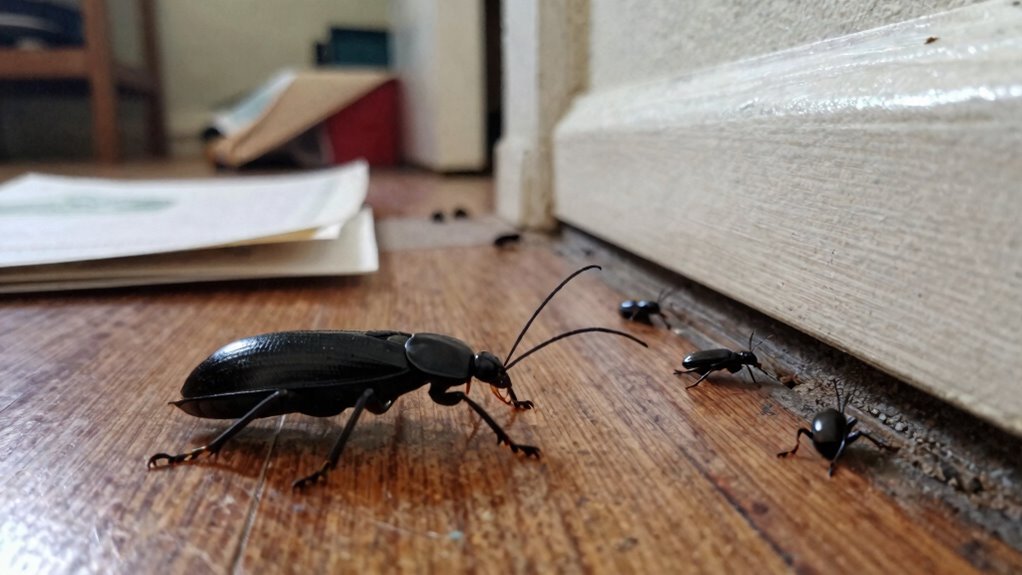
Long, skinny black bugs typically originate from outdoor areas rather than wandering inside randomly.
They come from habitats like decaying leaves, rotting wood, or compost piles, which serve as common breeding grounds for pests.
Outdoor lighting, especially bright porch lights, can attract flying bugs such as black bugs toward the house.
This makes it easier for them to find entry points into your home.
Structural wood that contacts the soil also provides easy access, especially if not sealed properly.
Inspecting and sealing wooden parts touching the ground is a vital step in pest prevention.
Gaps around foundations, poorly sealed vents, and open window frames act as inviting entry points for these insects.
Reducing outdoor clutter and maintaining a tidy yard can significantly lessen their attraction.
Damp, dark spots near outdoor wood piles or wet soil are preferred harborages for black bugs.
Creating a barrier by sealing cracks and removing debris can help improve pest control efforts.
Pay special attention to moist areas and prevent them from becoming suitable habitats for these pests.
Proper home maintenance and outdoor sanitation are essential to keep long, skinny black bugs at bay.
Additionally, addressing pest entry points promptly can prevent these insects from gaining access inside.
What Attracts These Bugs Into Your Home?
Long, skinny black bugs are commonly attracted into homes because of moisture, available food sources, and entry points.
These pests tend to thrive in damp environments and are often drawn inside through small cracks or gaps in doors and windows.
High humidity from leaking pipes, condensation, or damp basements creates ideal conditions for these bugs to invade your living space.
Leftover crumbs, pet food, and open containers also act as enticing food sources, making your home more appealing to pest infestations.
Sealing cracks around windows and doors and controlling indoor humidity levels can significantly reduce the likelihood of bugs entering.
Regularly inspecting and maintaining plumbing and using pest control products like traps and insecticides can help manage and prevent infestations.
Taking proactive measures and understanding pest behavior can lead to an effective pest management plan that keeps these bugs out of your home.
Moisture and Humidity
Number one reason these long, skinny black bugs appear in homes frequently comes down to dampness. They thrive in areas with high moisture levels, making humidifiers seem like a bug’s paradise.
High humidity, especially above 60 percent, around bathrooms, crawl spaces, or pet habitats, creates the perfect environment for pests like booklice or moisture-feeding insects.
Indoor plants can increase indoor moisture, providing additional water vapor that attracts these pests.
Leaks around plumbing or water sources also supply steady hydration, encouraging bug infestations.
Excess humidity keeps microscopic pests fed and helps them multiply quickly.
Damp corners, poorly ventilated closets, and closed-off spaces trap moisture, making homes more inviting for moisture-loving insects.
Poor airflow and ventilation boost humidity levels, promoting pest problems in hidden areas.
Pet habitats and houseplants add extra water vapor, contributing to the damp environment pests need to thrive.
To prevent moisture-related pest infestations, keep indoor humidity levels below 50 percent.
Fix leaks promptly, improve ventilation, and reduce indoor moisture sources to control bug populations effectively.
Using dehumidifiers and installing exhaust fans can make a significant difference in pest prevention.
Controlling dampness is essential for pest control and keeping your home pest-free.
In summary, controlling indoor humidity and dampness is key to pest prevention.
Food Sources Inside
Food sources inside the home are often the main reason pests like bugs invade. Long, slender black bugs seem to have a knack for sniffing out nearby snacks and are often attracted to areas where food is stored or prepared.
Hidden corners like behind appliances, inside cardboard boxes, or tucked into structural gaps provide perfect hiding spots for pests to access crumbs, pet hair, or pantry crumbs.
Unsealed packages of flour, rice, or cereal, as well as spilled pet food, offer easy dining options that attract pest infestations.
Damp soil from houseplants, decaying organic debris, and mold in drains are additional attractants that pests find irresistible.
Pest control experts recommend thorough cleaning of kitchens, pantries, and dark corners to prevent pest invasions.
Securing and tidying up food storage areas can significantly reduce the risk of bugs and other pests invading your home.
Maintaining a clean, organized space with sealed food packages is key to making your home less appealing to pests.
Additionally, the presence of airtight storage containers with secure seals can help prevent pests from accessing stored dry goods and reduce the likelihood of infestations.
Entry Points Around House
If pests are sneaking into your home, the problem is often caused by tiny openings such as cracks or gaps. These openings can be as small as a quarter of an inch but are large enough for insects to squeeze through.
Pest behavior and seasonal patterns influence where bugs enter. They tend to follow sources of dampness, warmth, and shelter around the house.
Gaps around doors are common entry points, especially when weatherstripping becomes worn. Sealing these gaps with proper weatherproofing helps prevent insects from sneaking inside.
Window cracks and loose frames also create secret pathways for pests. Regularly inspecting and sealing these areas reduces the likelihood of pest infiltration.
Foundation holes in crawl spaces and basements serve as bug corridors waiting to happen. Filling or sealing these openings effectively blocks pests from entering through the foundation.
Vents and utility openings, which are often left unsealed, act as highways for pests. Sealing these with pest-proof covers or sealants is a crucial step in pest control.
Weather shifts can cause pests to seek shelter indoors through unsealed entry points. Minimizing these vulnerabilities protects your home from seasonal pest invasions.
How Can You Prevent Long Skinny Black Bugs From Entering?
To prevent long skinny black bugs from entering your home, start by sealing all potential entry points. This includes gaps around doors, windows, utility pipes, and vents.
Seal gaps around doors, windows, pipes, and vents to keep black bugs out of your home.
Using pest-proof materials like weather stripping, caulk, or steel wool creates an effective barrier that these bugs cannot squeeze through.
Perform seasonal inspections twice a year and after severe weather events to find any new cracks or openings.
Pay close attention to foundation cracks, roofline gaps, and areas where utilities enter the house.
Sealing these fissures is a simple and affordable pest control method that costs less than fifty dollars for basic supplies.
Regular maintenance and inspection help catch pest entry points early, saving you trouble and potential infestations later.
Materials like silicone sealant or steel wool are durable options that resist bug damage and chewing.
Keep in mind that some gaps may be tiny and difficult to detect, so thorough checks are essential.
Over time, weather conditions can loosen seals and create new openings, making periodic inspections important.
Taking these small steps greatly reduces the risk of long, skinny black bugs and other pests invading your space.
Overall, sealing gaps, maintaining seasonal checks, and using pest-proof barriers are highly effective pest control strategies.
They are cost-efficient and a smart way to protect your home from unwanted insect trouble.
How to Reduce Indoor Moisture and Remove Their Attractants
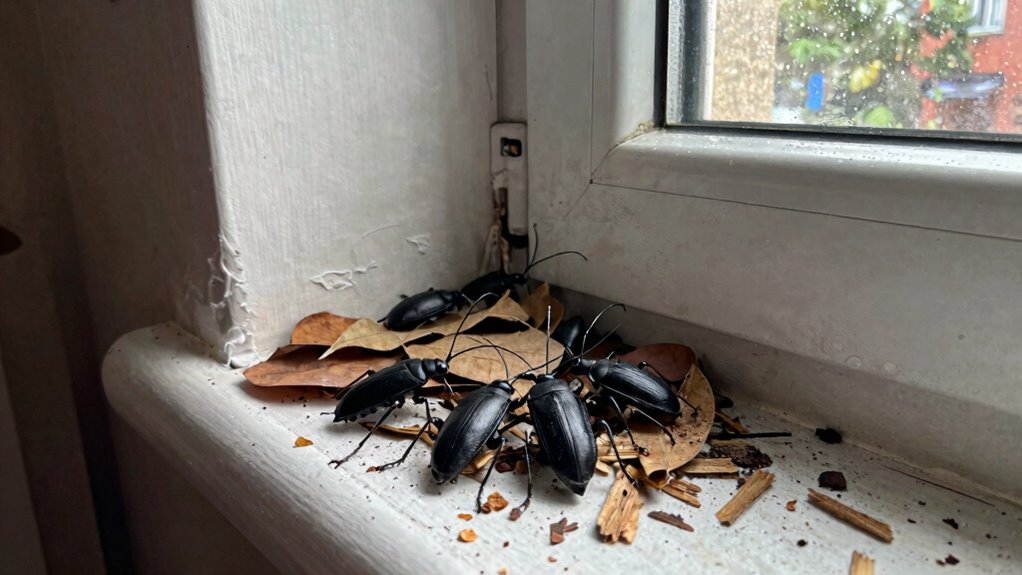
Controlling indoor humidity is essential if you want to keep those pesky long, thin black bugs outside where they belong.
Maintaining indoor humidity levels below 50 percent can be achieved with a dehumidifier, which typically costs between 40 and 200 dollars.
Using a dehumidifier not only helps prevent insects from invading your space but also improves overall air quality in your home.
At the same time, cleaning up food crumbs, organic debris, and standing water removes potential attractants for these pests.
This simple step is cost-free and only requires a bit of regular effort to keep your home insect-free.
Control Humidity Levels
Managing indoor humidity is a crucial step in controlling long, skinny black bugs such as psocids. These pests thrive when humidity levels go above 50 percent relative humidity (RH).
Keeping humidity below 50 percent, and ideally under 40 percent, creates an environment that is hostile to these insects. Lowering moisture levels causes dehydration in psocids, which can weaken or kill them.
Using a reliable dehumidifier priced between 150 and 300 dollars is an effective way to maintain low humidity. Installing exhaust fans in bathrooms and kitchens helps dry the air and prevent pest infestations.
Sealing leaks and damp spots around your home is also essential. Addressing water sources prevents future pest problems and keeps your indoor environment dry.
Proper air circulation with fans is another simple method to discourage bug buildup. Static air can promote pests, so keeping it moving helps maintain a pest-resistant habitat.
Clear Food and Debris
A clean house is a bug’s worst nightmare, especially when it comes to food and debris hiding around.
To prevent pests like long, thin black bugs from entering your home, integrated pest management focuses on eliminating food sources and clutter.
Crumbs, spills, and pet food left out are like an open buffet for pests.
Storing dry goods in sealed containers has proven effective at stopping pantry pests and reducing infestations.
Make a habit of sweeping daily to keep food particles off floors and counter surfaces.
Vacuuming cracks, corners, and underneath appliances helps remove hiding pests and their eggs.
For added peace of mind, natural repellents such as peppermint or tea tree essential oils can be sprayed around problem areas.
These natural pest control methods provide a safe, chemical-free way to deter pests and keep your home pest-free.
The main goal is to eliminate all potential inviting conditions for pests.
A tidy, well-sealed-up home reduces the chance of pest invasions and is also budget-friendly since it avoids costly pest control treatments.
Keeping things simple by maintaining cleanliness and sealing food stored containers are effective strategies to prevent pest problems.
How to Get Rid of Existing Long Skinny Black Bugs
An infestation of long, skinny black bugs can be unsettling, but it is often preventable and manageable with the right pest control strategies.
Start by dispelling common DIY pest control myths. Relying on natural remedies like diatomaceous earth or essential oils such as peppermint and neem oil can be effective, safe, and budget-friendly.
Use sticky traps which typically cost around five dollars for a pack. Place these traps near windows, dark corners, or suspected entry points to monitor and catch the bugs.
Applying natural repellents is also helpful. Reapply neem or peppermint oil after cleaning to ensure continuous pest deterrence.
Deep vacuum carpets, furniture, and hidden crevices. Seal fabrics in plastic bags before washing at hot temperatures to kill bugs and larvae completely.
Furthermore, block access points by sealing cracks with caulk and installing door sweeps at entrances. These measures help prevent new bugs from entering your home.
Patience combined with straightforward DIY tactics usually results in eradication without the need for toxic sprays.
Incorporating these pest control techniques into your pest management routine can effectively eliminate long, skinny black bugs while keeping your home safe and pest-free.
When Should You Call Pest Control for Severe Infestations?
When pest control efforts go from bad to worse, it is often a clear sign that professional pest treatment is needed quickly.
Spotting multiple bugs every day, finding shed skins, or noticing a strong musty odor indicates the infestation has become serious.
DIY pest control remedies tend to fail in these situations, especially if pests keep returning or if hidden moisture and nesting areas remain undetected.
Hiring a professional pest control service allows experts to locate concealed breeding sites, evaluate potential structural damage, and identify the specific pest species involved.
This approach saves you both time and money in the long run.
Treatment costs for severe infestations typically range from around $100 to $300 for basic problems, but more complex cases involving excess dampness or structural repairs can be significantly more expensive.
It is especially important to prioritize pest control if you have pets, since their safety must be carefully considered during treatment.
Ultimately, when pests compromise your home’s health, safety, or peace of mind, calling pest control professionals is not just a good idea.
It becomes a necessary step to effectively eliminate the infestation and protect your home.
Tips to Keep Your Home Bug-Free Long Term
Taking steps to keep bugs out of the house long-term is less about quick fixes and more about building good habits. Think of it like flossing but for pest prevention.
Consistency really matters when it comes to effective pest control strategies. Save your energy and prevent infestations by practicing these simple habits every day.
Seal cracks around windows, pipes, and doors. It’s like closing the door after the bugs have left, not just before they arrive.
Seal cracks and gaps to keep pests out, like closing the door after they’ve entered.
Make sure to keep moisture levels below 50 percent, especially in damp areas like basements or laundry rooms. Bugs love damp spots and high humidity.
Consider investing in a dehumidifier if your budget allows, typically costing between 150 to 300 dollars. This can significantly reduce the risk of attracting pests such as silverfish or roaches.
Improve your recycling habits and reduce clutter around your home. Less clutter means fewer hiding spots for pests like cockroaches and ants. Old magazines, cardboard boxes, and unused papers can become pest havens.
Regular inspections and monitoring of humidity levels can help you catch pest problems early. Think of these checks as a home health assessment but focused on pest prevention.
Common Questions About Long Skinny Black Bugs (FAQs)
Many homeowners are puzzled when long, skinny black bugs suddenly appear in their homes.
These pests often show up in cracks, near sinks, or crawling across the floor.
Understanding their insect behavior patterns and seasonal activity cycles can help with identification and control.
For example, silverfish tend to emerge during humid times, especially in damp basements or bathrooms.
Earwigs prefer moist outdoor areas but will sometimes find their way inside the house.
Rove beetles and carpet beetles come and go depending on temperature changes and available food sources.
Knowing these seasonal patterns is key to effective pest management.
Actions like fixing leaks and reducing humidity levels play a crucial role in pest prevention.
While these pests are generally harmless, their presence often signals underlying moisture problems.
These issues can cause damage to walls or flooring if left unaddressed.
Understanding their habits provides valuable insights for home defense.
Proper pest control measures, including sealing entry points and maintaining a dry environment, are essential for keeping black bugs out.
Frequently Asked Questions
Are Long Skinny Black Bugs Harmful to Humans or Pets?
Long, skinny black bugs are typically harmless to humans and pets. They are usually nuisance pests that can damage fabrics or paper but rarely bite or spread diseases.
Black beetle bites are uncommon, and these bugs do not pose significant toxicity risks to pets or health threats to people. They are more of a bother than a danger, so there’s often no need for urgent pest control measures.
If you notice them crawling around your home, it’s best to avoid handling them to prevent any accidental bites. For pest control, using insect traps or consulting a professional pest exterminator can help manage these pests effectively.
Rest assured, these black bugs won’t harm your family or furry friends; they are mainly an annoyance. If pests like these are a recurring issue, investing in targeted pest control products is a smart move to keep your home pest-free.
Can These Bugs Cause Allergies or Health Issues?
Yes, these bugs can cause allergy symptoms and may trigger asthma in sensitive individuals.
They produce tiny particles and shed hairs that can become airborne and irritate your respiratory system.
Although most bugs are harmless, some can carry bacteria or fungi that make respiratory issues worse.
To protect yourself, keep your home clean and well-ventilated.
Consider professional pest control services to eliminate bug infestations effectively and reduce allergy triggers.
Staying proactive is key to maintaining a healthy living environment.
Investing in pest control products like insect traps and sprays can help keep bugs at bay.
Remember, if persistent allergy symptoms or asthma worsen, it’s best to consult a healthcare professional.
Being aware of pest control options can help you make smarter choices for a bug-free, healthier home.
How Long Do These Bugs Typically Live Indoors?
Long, skinny black bugs similar to bed bugs typically live indoors for anywhere from three months to over a year. Their lifespan largely depends on their stage of development, whether they are nymphs or fully grown adults.
Because these pests often hide in mattress seams, cracks, or furniture folds, spotting an infestation can be challenging. They are known for surviving long periods without food, making them tricky to eliminate once they settle in.
If you notice even one bug, it’s a strong sign that there may be many more hiding nearby. This is why prompt pest control treatment with effective bed bug treatments or insecticides is essential.
Getting professional pest control services and using targeted bed bug sprays or interceptors can help you eliminate the infestation quickly. The sooner you act, the less likely these resilient pests are to multiply and cause a serious problem in your home.
Do These Bugs Reproduce Quickly Inside Homes?
Yes, these bugs reproduce quickly inside homes, making them a common household pest. Their short life cycle and high survival rate in hiding spots like mattress seams, cracks, and crevices enable rapid population growth.
They can double their numbers every 13 days, which means infestations can escalate fast. Eggs and nymphs make up most of their population, contributing to the swift spread.
This quick reproduction cycle turns a minor nuisance into a full-blown problem before you even notice. It’s crucial to act fast and consider professional pest control solutions or effective bed bug spray to eliminate them.
Using targeted bed bug treatments and preventative measures can help keep your home bug-free and safe. Make pest control products your first line of defense against these fast-reproducing household pests.
Are Natural or DIY Remedies Effective Against These Bugs?
Natural repellents and vinegar sprays can be helpful for minor pest prevention, but they often won’t fully eliminate an established bug infestation.
These DIY pest control solutions work best as a first line of defense, especially for common household pests like ants or flies.
Vinegar sprays are budget-friendly and easy to use, making them a popular choice for quick pest prevention.
Natural repellents such as peppermint oil are gentle and need frequent reapplications, so they’re better suited for keeping bugs away rather than eradicating a serious problem.
For lasting pest control and peace of mind, investing in professional pest control services or proven pest control products is the smarter move.
These solutions target pests effectively and prevent future infestations more reliably.
If you’re dealing with persistent bugs, it’s always wise to choose proven remedies over DIY methods alone.


