
Finding a cockroach nest isn’t about luck—it’s about knowing where to look. A cockroach nest hides in dark, damp cracks, like behind fridges or under sinks, and spotting it early saves you from a full-blown infestation.
You’ll know one is nearby by the oily odor, pepper-like droppings, and shed skins it leaves behind. This guide covers the exact tools and techniques—like using a 500-lumen flashlight and unbaited sticky traps—to pinpoint the nest and end the problem fast.
At A Glance
- Use sticky traps to pinpoint high activity areas and locate the nest core.
- Inspect dark, humid cracks in kitchens and bathrooms with a flashlight and mirror.
- Look for black fecal specks, shed skins, and egg cases near baseboards and appliances.
- German roaches nest low near pipes; brownbanded roaches favor high, dry spots.
- Non-repellent gel baits let roaches carry poison to the nest for colony elimination.
Why Finding the Cockroach Nest Matters More Than Spotting One Roach
Spotting a single cockroach skittering across the floor is unsettling, but it is not the real problem. The real problem is the hidden nest, where dozens more lurk, breed, and spread.
Killing one roach is like trimming one leaf off an invasive weed because you haven’t touched the root. Effective pest control demands egg removal, since one ootheca can hatch 40 nymphs, and scent masking, since cockroaches use pheromone trails to navigate and congregate.
If you only spray adults, you’ll never stop the cycle because the nest contains eggs, nymphs, and breeding adults. Disturb it properly, and you choke the entire colony with a targeted roach treatment.
Without finding and treating the harbor, you’re just playing whack-a-mole with bugs. That lone scout is a symptom, not the disease, so your real target is the cluster hiding in cracks or behind appliances.
Humidity and darkness reign there, which makes bait stations and gel baits essential for total elimination. Skip the quick fix and focus on the source, or you’ll be spotting lots more. Non-repellent fipronil gels allow roaches to feed and then transfer the poison back to the nest, amplifying the kill to the entire colony through small transfers.
What a Cockroach Nest Looks Like and Where to Check First
A cockroach nest is not a tidy paper structure; it is simply a cluster of roaches packed into a dark, humid crack. They prefer tight spaces near food and water, so check behind refrigerators, under sinks, or inside cabinet hinges.
Winged cockroaches often signal a mature nest nearby, as they emerge to breed. Species identification matters because German roaches favor warm, damp kitchens, while brownbanded ones pick drier spots like closets.
You will spot black pepper like droppings, shed skins, or egg cases first. Focus on corners, baseboards, and appliance motors for the best chance of locating the nest.
Look for black pepper-like droppings, shed skins, or egg cases near corners and baseboards.
No fancy tools are needed, just a flashlight and patience. Check at night when they are active for the most effective pest control inspection.
If you see one roach, assume dozens are hidden nearby. Skip the traps until you locate the cluster, then direct spray near these signs hits hardest for effective roach elimination. For lasting control, apply a high-purity boric acid powder into cracks and crevices after finding the nest.
The Three Best Tools You Need to Find a Cockroach Nest
Ready to hunt some roaches? The right gear makes the difference between frustration and a fast find. These three pest control necessities cut the guesswork and speed up cockroach nest detection.
A quality flashlight with at least 500 lumens, like the Fenix PD36R ($85), reveals fecal specks and shed skins behind refrigerators. Use your phone’s flash to spot aggregation pheromones glistening on wood, which act like a neon “welcome” sign for roach harborage. A 395nm wavelength UV light offers strong detection power for UV-sensitive marks and hidden pests, making it ideal for spotting roach droppings and egg casings in dark corners.
A mirror with an extension arm, such as the Milwaukee 13 inch inspection mirror ($18), reaches under stoves and behind pipes where light can’t go. It saves crawling and cursing, a solid trade off for any homeowner looking for nest clues.
Unbaited sticky traps, like the Catchmaster 72MB traps ($12 for 30), detect infestations without skewing results. Avoid bait types here, as food baits hide true nest locations and waste your inspection time.
Just set them, label them, and wait 48 hours to pinpoint roach activity. Bottom line: flashlight, mirror, and traps. No cockroach nest stands a chance with this targeted approach.
Use Sticky Traps to Pinpoint the Cockroach Nest

Place sticky traps where cockroaches travel, like under sinks, behind refrigerators, and along baseboards. Check each trap daily and note the count of captures.
A trap with 20 roaches per night signals a nearby nest location. That daily monitoring turns your sticky trap from a guess into a solid map for targeted treatment.
Use these results to apply cockroach bait or spray precisely near the hotspot. This method helps you find the nest and eliminate the infestation faster. Many glue traps use pesticide-free adhesives that are safe for use around children and pets.
Placement Strategy
Place traps near cracks and crevices, like under sinks and behind fridges, because roaches avoid moving in the open.
In bathrooms, position them under vanities and near water pipe penetrations, since dampness attracts roaches.
For brownbanded cockroaches, go higher by stapling traps at eye level on shelves or behind pictures.
Keep traps clear of clutter so the area works like a clean landing strip for pest control.
Label each trap with the location and date for future inspection purposes.
This organized approach helps with long-term cockroach management and elimination.
Avoid placing traps on surfaces recently treated with spray pesticides, as sprays repel ants and reduce bait effectiveness.
Count Catches Daily
Now for the real detective work: count catches daily. This data is gold for population estimation and effective pest control.
A low catch, 0 to 5 per trap, is manageable. Moderate means 5 to 20, high is 20 to 100, and very high is over 100.
These numbers guide bait station placement for roach elimination. Focus traps where catches are heaviest, like kitchen sinks, behind the fridge, or near water pipes.
Don’t ignore brownbanded roaches; they prefer higher spots such as shelves. Check traps each morning, record counts, and note trends.
A sudden spike means the nest is nearby. No catches after a week means you likely solved it.
Bait stations work best when placed based on this catch data. Use gels or disks, but rotate types to prevent resistance.
Stay consistent with your monitoring and placement. That is the winning strategy for a roach free home.
Long-lasting effectiveness of many sticky traps can deliver up to six months of coverage.
Signs of Infestation That Point You Straight to the Nest
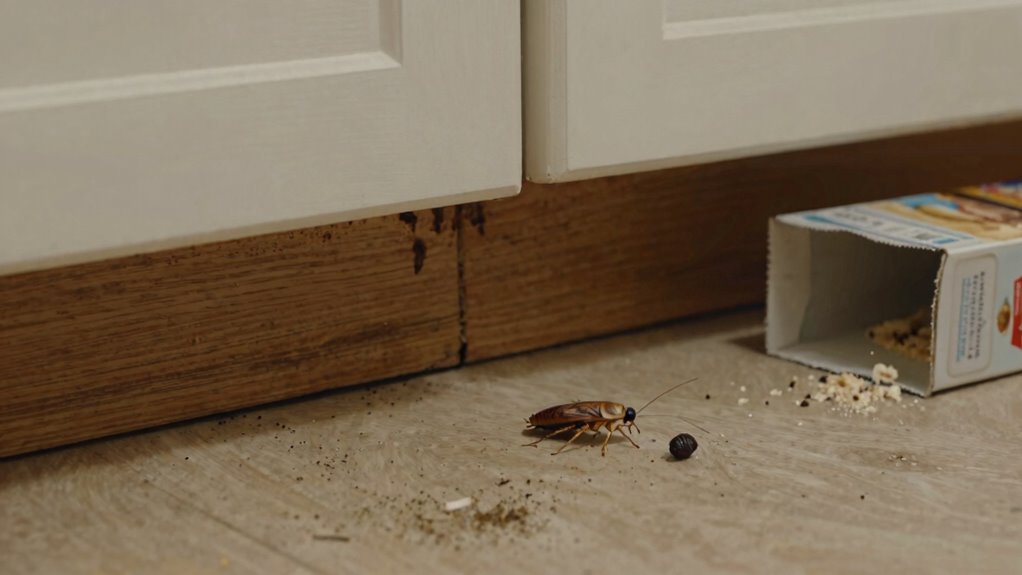
Finding a cockroach nest is not about luck. It is about knowing what to look for, and the evidence is usually hiding in plain sight.
Shine your flashlight in the right spots. The clues are straightforward, each a breadcrumb leading you to the colony’s core.
A distinctive nest odor, often oily or musty, clings to heavily infested areas. This olfactory clue is a reliable sign you need professional cockroach control.
Egg cases glued to rough surfaces like wood or cardboard near food are a dead giveaway. They signal an active nursery and a clear target for pest treatment.
Here is what to scan for. Live cockroaches scattering when lights snap on, especially in kitchen cabinets at night.
Dark, pepper like fecal specks clustered in corners or along baseboards. Smear marks from cockroach bodies along walls or pipes, revealing their travel routes.
Cast skins or dead cockroach parts near warm, humid spots like under sinks. Porous surfaces stained with aggregation pheromones from feces mark the nest’s heart.
Each clue narrows your search. Turning a guess into a targeted inspection is the key to effective cockroach elimination. For a low-toxicity option after finding the nest, consider applying JT Eaton Boric Acid Insecticidal Dust directly into cracks and crevices to target the colony.
Where German vs. Brownbanded Roaches Hide
German cockroaches prefer warm, humid hideouts near water, making kitchens and bathrooms their top targets. Brownbanded roaches choose drier, hotter spots like closet shelves, behind picture frames, or near appliance motors.
German roaches cluster low around pipes, fridge bases, and under sinks. They also hide near dishwashers and water heaters, always active close to moisture sources.
Brownbanded roaches favor high shelves, ceilings, and inside electronics. They glue their egg cases onto wood and thrive in temperatures above 80°F.
Check warm, dark crevices first for both species. Porous wood and cardboard often hold fecal specks marking their nesting sites. While inspecting, consider placing Advion bait stations with hydramethylnon along trails near these harborages to boost colony elimination.
For professional pest control, focus on these habitat clues to locate infestations. Early detection and targeted treatment can stop roaches from spreading.
Use a Flashlight and Mirror to Inspect Without Touching
Using a flashlight and an extension mirror lets you inspect tight spaces like a pro without touching anything. It is the pest control equivalent of checking under the couch without grabbing the sticky mess.
A focused beam reveals hiding spots you would otherwise miss. Roaches hate light, so flood their shadows with a bright beam.
A cheap dental mirror from the drugstore works perfectly for peeking behind pipes or under drawers. This non contact method keeps you clean and effective.
Shine low near the floor, then high along ceiling lines. Roaches scurry at base level, but egg cases cling near the top.
Check corners with the mirror to spot adults into tiny cracks. Scan appliance gaps behind the fridge or stove for dark smears or shed skins.
Use a red filter like red cellophane to avoid scattering roaches. They cannot see red light, so they stay put.
Do not touch anything to avoid sending them deeper into walls. Disturbing a nest makes the problem worse.
This mirror and flashlight combo beats crawling on hands and knees. You will find the hideout with zero cleanup.
For a similar non-toxic detection approach, consider monitors that use physical traps instead of chemicals.
Use Trap Counts to Confirm the Nest’s Location
Sticky traps are the lie detector test of cockroach investigations. They don’t guess, they catch.
Place unbaited traps near suspected zones, then check them after 24 hours. High counts, over ten per trap per night, point straight at the nesting core.
Low counts under two suggest a transient visitor, not a colony. Species differentiation matters here.
German roaches breed fast in warm, damp spots and cluster near kitchens and bathrooms. Brownbanded types prefer drier, higher perches.
Each triggers a different trap count pattern, so compare catches across rooms. Trap data also reveals the cockroach lifecycle stage.
Many nymphs mean active breeding nearby. Mostly adults hint at an older, established nest.
One kitchen test showed 10.6 per trap nightly, confirming a moderate German nest under the fridge. That is your target zone for treatment.
Bottom line: numbers do not lie, so trust the sticky evidence for fast pest control action, and remember that non-toxic glue traps remain safe for kids and pets while you gather this crucial data.
How to Kill the Cockroach Nest Without Spreading the Problem
A direct hit with gel bait on the nest works far better than spraying and sending survivors scattering everywhere.
Containment is your first step: seal the area, remove food and water, then apply insecticide only to cracks and crevices where roaches hide.
This targeted cockroach control keeps the poison working on the entire colony instead of turning your kitchen into a roach roundabout.
For maximum nest elimination, focus your pest management efforts on hiding spots rather than open surfaces.
Professional exterminators recommend bait stations and gel treatments for long term roach removal without spreading the problem.
Remember to check under appliances and behind cabinets where the colony is likely centered.
For example, a fast-acting Fipronil formula kicks in within hours to wipe out whole colonies.
Targeted Insecticide Use
Crack injection is the key to reaching roaches where they hide. Squeeze gel bait or dust into crevices, baseboard gaps, and behind appliances.
A straw-tip duster works perfectly for applying boric acid. Place quarter-inch lines inside wall voids and it will stay active for months.
Gel baits work best when applied in small dots, not puddles. One pea-sized drop per square foot is plenty, as too much bait makes roaches avoid it.
Avoid foggers or sprays because they scatter the colony. This can spread roaches into other rooms instead of killing them.
Rotate bait types every few months to prevent resistance. Switch between gels with different active ingredients for long-term control.
The result is a dead nest, not a relocated problem. Your roach control strategy stays effective and safe.
For maximum colony elimination, use a non-repellent indoxacarb gel that roaches will carry back to the nest, where the poison spreads through feeding and contact with carcasses.
Containment Before Treatment
So you’ve got the bait and dust ready. But don’t apply them yet.
First, contain the area. Seal cracks and crevices with caulk, a $5 tube from the hardware store, to prevent scattering.
Cockroaches, when disturbed, migrate to new hiding spots and spread the infestation. Containment is critical for integrated pest management, which coordinates multiple tactics.
It stops the immediate problem from becoming a neighbor’s problem. Vacuum up visible roaches and droppings, then dispose of the bag outside.
This reduces the population you’ll bait later. For long term prevention, eliminate food and water.
Fix a leaky faucet. Store food in sealed containers.
A clean, dry kitchen is less inviting. Remember, you’re not just killing cockroaches today.
You’re making your home unappealing for future generations. That’s the dry, practical joke: they leave, no notice.
For similar targeted treatments, foam sprays expand up to 30 times their original size to reach hidden pests inside walls and cracks.
A 5-Step Checklist to Confirm the Nest Is Gone
Confirming a cockroach nest is truly gone takes more than just not seeing a bug for a day or two. That approach is about as reliable as assuming your car is fine since the check engine light hasn’t come on yet.
A proper confirmation requires a systematic sweep for your indoor air quality and long term prevention. Use this checklist to ensure complete roach elimination and avoid expensive pest control callbacks.
Check for zero fresh droppings for two straight weeks. Old specks wipe away easily, but new ones mean active cockroach infestation.
Place no live nymphs in sticky traps near harborages. Any baby roach catch signals a breeding holdout that needs immediate treatment.
Empty egg cases must vanish completely. New oothecae reproduction requires bagging and removal to stop the life cycle.
The pheromone odor should fade over time. That musty, oily smell indicates lingering colonies and poor pest management.
Re check every 7 days for a full month using a flashlight and mirror. This catches stragglers before they restart an infestation. Use imidacloprid-based baits for a domino effect that kills the colony through secondary ingestion.
Bottom line is patience beats hope for final nest confirmation. If traps stay clean and no odor returns, you are done but keep monitoring monthly.
Frequently Asked Questions
Can Cockroach Nests Cause Health Problems?
Cockroach nests definitely pose serious health risks. They spread disease through their droppings and shed skins, contaminating your food and surfaces.
A nest can trigger asthma and allergies, especially in children. Think of it as a tiny, gross disease factory hiding in your home.
For around $20, sticky traps can help you locate the problem area. The bottom line is to find and destroy nests quickly to protect your family.
Professional cockroach control is often more effective than DIY methods. It is also cheaper than a doctor’s visit for allergy or asthma treatment.
How Do I Know if the Nest Is in a Wall Void?
You might have a wall void nest if you see dust trails around electrical outlets or baseboards. Cockroaches push debris out as they move through these hidden spaces.
Glue traps placed along these areas will catch activity and confirm their presence. Listen for faint rustling at night, and check for a musty odor near the walls.
If your glue traps show high counts in spots close to walls, the void is their main hideout. That is a clear sign you need professional pest control to handle the infestation.
Don’t wait until they invite relatives deeper into your home. A local exterminator can inspect and treat wall voids with targeted cockroach bait or dust treatments.
What Time of Day Is Best to Search for Nests?
Night is the best time to search for cockroach nests since these pests are nocturnal and most active after dark. Grab a flashlight and inspect kitchens and bathrooms around 10 p.m. to catch them off guard as they scurry from hiding spots.
Night infestations are easier to spot because roaches forage for food and water under cover of darkness. A simple trick is to turn off the lights, wait a few minutes, then flip them on for a surprise inspection.
This method is effective and practical for any homeowner looking to target cockroach hiding places. Consider pairing your search with a quality cockroach bait station or gel to treat nests you discover.
If you want professional strength control, look for an insecticide spray labeled for cockroach harborage areas. Buying the right pest control product now can stop an infestation before it grows out of hand.
Can Cockroaches Build Nests Inside Electronics?
Yes, cockroaches, especially German and brownbanded species, can nest inside electronics. They are drawn to the warmth and tight spaces, which mimic their preferred harborages.
This creates serious overheating risks, as their droppings and egg cases block ventilation. Their chewing on wiring or leaving conductive fecal specks can also lead to circuit board damage.
For example, a homeowner once found a roach nest inside a $400 microwave. Instead of attempting risky extraction yourself, place sticky traps nearby to monitor activity.
For effective pest control, consider using gel baits or aerosol sprays designed for cracks and crevices. These professional grade products target the nest without harming your devices.
If you spot roach feces near your TV, router, or kitchen appliance, act fast. A thorough pest inspection can identify hidden infestations before they cause costly repairs.
Do Cockroach Nests Have a Distinct Smell?
Yes, cockroach nests produce a distinct, musty, oily odor from aggregation pheromones in their feces. This smell acts as a trail marker for more roaches but can also be a helpful nest detection method for humans.
Nevertheless, relying on scent alone for effective pest control is risky. By the time you smell that oily odor, the infestation is likely substantial.
Think of the smell as a stinky warning, not a solution. For accurate roach nest detection, a flashlight and sticky traps are far more reliable tools.
Using these methods helps you locate the colony quickly, which is key for targeted roach control treatments. If you’re dealing with a heavy roach problem, consider a professional pest management service for long-term elimination.


