
Brown Recluse Identification Guide: Most supposed sightings are actually harmless lookalikes. This compact guide helps you separate fact from fear before calling an exterminator.
The brown recluse has six eyes in three pairs—not eight like most spiders—and the violin mark on its back is often misleading. Its confirmed range centers on Missouri, Kansas, Oklahoma, and Arkansas, so if you’re outside this area, that spider is likely something else.
They hide in undisturbed boxes, woodpiles, and dark corners, rarely venturing into open spaces. Bites are uncommon and usually heal like a sting, not a medical emergency.
You don’t need panic—just quick, accurate identification and prevention tips. In this article, you’ll get exact lookalike comparisons, common hiding spots, and simple steps to keep them out. Ready to know for sure?
At A Glance
- Six eyes arranged in three pairs forming a semicircle, visible with a magnifying lens.
- The violin shape on its back is unreliable and appears on many harmless spiders.
- Native range is the midwestern-to-east-central U.S., including Kansas and Missouri.
- Most sightings outside this range are misidentifications of wolf or southern house spiders.
- Accurate identification requires checking eye pattern, not body markings alone.
What Does a Brown Recluse Actually Look Like?
Let’s clear up the confusion: only one feature truly confirms a brown recluse, and that is its six eyes arranged in three pairs, forming a semicircle.
Only one feature truly confirms a brown recluse: six eyes in three pairs forming a semicircle.
You will need a magnifying lens to see this clearly, as the infamous violin shape on its back is unreliable and appears on many harmless brown spiders.
Male recluses wander in late summer to find females tucked away in quiet, secluded webs, while females stay put to guard their egg sacs.
Their lifespans vary, with lab studies showing females averaging 628 days and males 543 days, though protected specimens can live up to four years.
They mature in about a year, molting five to eight times along the way, so age and size can fool you.
For pest control identification, the eye pattern is your only certain verdict, so skip the violin hype and get a good loupe instead.
If you suspect an infestation, call a local exterminator for a professional inspection and safe removal service.
Accurate spider identification is key to avoiding unnecessary treatments, so trust the eyes, not the markings, before you act.
For homeowners managing pest concerns, knowing this single trait saves time and money on false alarms.
When you spot a brownish spider indoors, check the eyes first, and you will know exactly what you are dealing with.
Which States Have Confirmed Brown Recluse Populations?
The brown recluse’s native range is a specific midwestern-to-east-central U.S. zone, including states like Texas, Oklahoma, Kansas, and Missouri.
In the southern part of that range, from Louisiana down to Georgia, the spider is extremely infrequent, so rare that finding one is like spotting a polite driver.
Isolated infestations do pop up outside this core area, but they’re almost always tied to transported goods, not a permanent local population.
For professional pest control services, targeting confirmed recluse populations means focusing on states with established habitats like Kansas and Missouri.
To manage brown recluse risks in your home, regular inspections and sealing cracks are effective prevention steps.
If you suspect an infestation, contacting a local exterminator for targeted treatment is your safest option.
Using perimeter pest control granules around the foundation can help reduce crawling insect entry points near the home.
Native Range States
The brown recluse spider is often blamed for bites across the United States, but its confirmed native range is actually quite small. This spider’s territory covers the Midwestern and East Central states, from eastern New Mexico’s Pecos River valley across Texas and up through Kansas, Missouri, and Arkansas.
Solid populations are also found in Oklahoma, Tennessee, and southern Illinois. Natural predators like birds, wasps, and other spiders help keep recluse numbers in check.
A key seasonal pattern shows activity spikes in late summer when males wander more to find mates. Within this core region, brown recluse spiders are common and even abundant in homes and sheds.
Outside this area, most sightings are misidentifications of harmless wolf spiders. So if you live in Oregon, do not panic: your “recluse” is likely a wolf spider, and professional pest control can confirm identification.
If you suspect a brown recluse infestation, a targeted pest control inspection is the best next step. Knowing their true range helps you avoid unnecessary treatments and focus on effective spider prevention.
Infrequent Southern Presence
Deep within the brown recluse’s native range, its population thins out dramatically as you drift south. In states like Texas, Louisiana, and Mississippi, confirmed infestations are extremely rare, almost like a rumor nobody can prove.
Their habitat preferences dark, undisturbed corners remain the same, but the spiders themselves are scarce. Egg sac characteristics stay identical: off-white, about one-third inch across, holding 40 to 50 eggs.
Finding them is the real challenge for pest control experts. Southern homes might host a few recluses, but not the swarms seen up north.
You would need serious luck, or a professional inspection, to confirm them. So if you are in the South and see a brown spider, it is almost surely a southern house spider, not the recluse.
Bottom line: do not panic. Your odds of a real encounter are slim, and treatment options are straightforward if needed. However, you can deploy pheromone traps near entry points to intercept any unexpected pests.
Isolated Infestation Locations
A map of confirmed brown recluse populations looks less like a continental threat and more like a patchy quilt with a few frayed edges.
True, stable populations anchor in the midwest and south-central states, think Kansas down to Texas.
Isolated spots pop up elsewhere, usually thanks to the exotic pet trade or hitchhiking via human transport vectors.
That is scientist speak for stowing away in boxes or luggage.
But here is the punchline: a single spider in a shipping crate does not make an infestation.
Finding one in a non native state is weird, not scary.
So unless you are hauling furniture from Oklahoma, do not panic.
The bottom line: confirmed populations stay put in their native range.
Your local recluse panic is almost always just a wolf spider.
For professional pest control, focus on sealing cracks and inspecting incoming boxes, not on widespread chemical sprays.
Where Brown Recluses Hide Indoors and Outdoors
Brown recluses spend daylight hours in dark, secluded spots, both indoors and outdoors, retreating into cracks or cavities lined with irregular webbing. Indoors, they hide in closets, cardboard boxes, and behind furniture, which is why routine pest control inspections often start in storage areas. Applying a natural dust like diatomaceous earth in these cracks and crevices can dehydrate spiders and their eggs without harsh chemicals, offering a safe, eco-friendly control option.
Outdoors, they favor rock piles, woodpiles, and debris, so clearing clutter near your foundation can reduce their harborage. Their simple sheet-like webs, often on or near the ground, mark these retreat sites, making them a good first clue for identification.
If you suspect an infestation, professional spider extermination services can confirm their hiding spots and treat both interior voids and exterior perimeters. Acting quickly on a brown recluse sighting is key, since a single female can produce hundreds of eggs in a season.
For safe removal, pest management specialists recommend sealing cracks, rotating stored boxes, and using sticky traps along baseboards. These steps directly target where brown recluses hide, helping you regain control without unnecessary chemical exposure.
Indoor Seclusion Spots
Let’s talk about where brown recluses actually spend their days, since you won’t just find them wandering around in plain sight. These spiders are masters of hide and seek, favoring crawl space hiding spots like dark, undisturbed basement corners or behind storage boxes.
They additionally thrive in closet corner clutter, especially piles of old clothes, shoes, or cardboard boxes left untouched for months. Check for their small, irregular webs near floor level, often under furniture or baseboards.
Males roam more in late summer, but females stick close to these retreats. For the most part, you’ll find them where you don’t look, dim and quiet places with some debris.
If you want to spot one and need professional pest removal, start with these zones first. A thorough home inspection in these areas can help target spider control treatments effectively. Using steel wool barriers can block gaps in these secluded spots to stop recluses from entering.
Outdoor Retreat Areas
Move past the cluttered corners indoors, and the same hiding instincts carry outside, just with a different set of props. Rock piles, stacked firewood, and old fence posts serve as prime real estate, with spider migration into these zones peaking in late summer.
This outdoor presence has a modest ecological impact, though. They’re just another predator snacking on ants and beetles, so their role in natural pest control is limited but real.
You’ll find them under bark, inside hollow logs, or beneath cardboard scraps left near the foundation. They favor dry, undisturbed spots, think shed corners or gaps in stone walls.
Watch for females, who seldom roam far from their retreats. Males, on the other hand, wander more, especially during mating season, which means male spider activity increases near entry points.
Bottom line: check any cluttered outdoor storage before sticking your hand in. A quick peek beats a nasty surprise later, and regular inspection of firewood piles or stone walls can prevent unwanted encounters during home maintenance. For additional protection near these outdoor hideouts, consider pairing cleanup with non-toxic ultrasonic repellers to further deter pests.
Webbing and Nest Sites
Every spider has a signature style, and the brown recluse’s is minimalist. Its webbing is small, irregular, and sheet-like, built near the ground or floors in dark, secluded spots.
Indoors, that means closets, basements, or behind furniture. For pest control, these are the zones where a brown recluse infestation often hides.
Outdoors, it’s woodpiles, rock crevices, or sheds. These retreats are lined with silk but lack the elaborate structures like orb webs.
Spiderling dispersal happens via ballooning or walking, so new hiding spots are colonized quickly. If you suspect a problem, professional pest control can eliminate these nests before they spread.
Lifespan variation matters: in labs, adults average two to four years, but in natural settings, it’s often 13 to 18 months. That’s a decent run for a recluse, but not a long-term roommate if you treat the home.
Bottom line: if you see messy webbing in dim corners, especially with molted skins, suspect a recluse. Call a pest control expert for inspection and removal, but don’t panic.
For added protection, UV light traps can help capture other flying pests that may share the same dark hiding spots as brown recluses.
6 Spiders Commonly Mistaken for the Brown Recluse
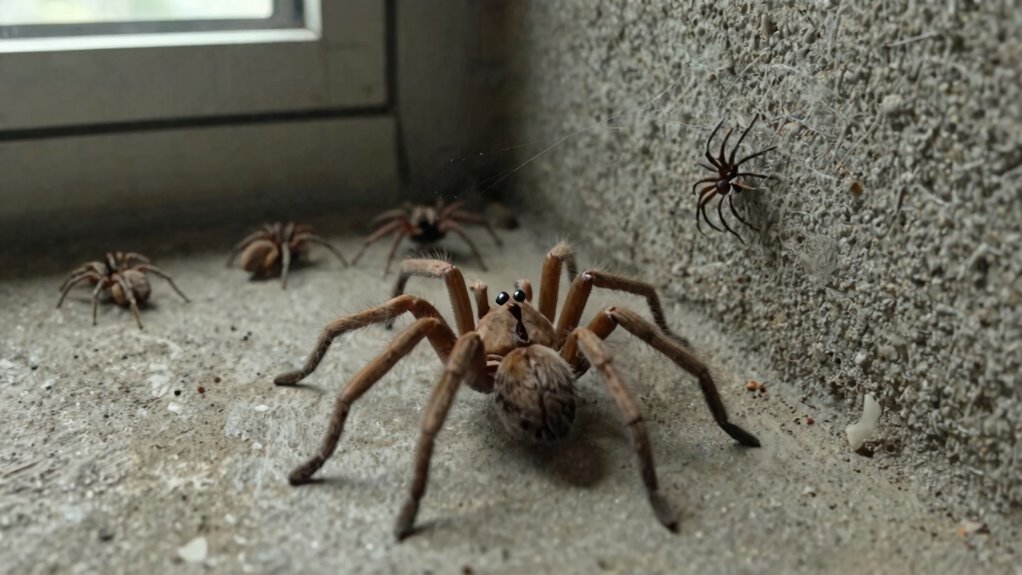
Though the brown recluse gets top billing in spider horror stories, it is hardly the only brown spider out there. More often than not, the culprit in a suspected sighting is a total innocent.
True recluse behavior of hiding in dark corners and avoiding humans isn’t shared by the spiders that get blamed. Most misidentified lookalikes have eight eyes, not six, and lack that distinct violin marking.
The southern house spider is darker and builds messy webs, not the recluse’s sparse sheets. Wolf spiders are hairy, fast, and carry egg sacs on their backs, so definitely not the recluse way.
The cellar spider has extremely long legs and hangs upside down in corners. Hobbyists often mistake the venom potency of these lookalikes, but most cause only mild irritation, if anything.
Always check the eye pattern before panicking. You will likely find a friend, not a foe.
How Dangerous Is a Brown Recluse Bite?
Despite scary internet stories, the brown recluse bite is rarely a death sentence. Venom potency is real, but serious tissue damage occurs in only about 10% of confirmed cases.
Most bites heal on their own, feeling much like a simple insect sting. For peace of mind, you can use a pest control service to identify and remove spiders from your home.
| Severity | Likelihood | Typical Outcome |
|---|---|---|
| Mild | High | Redness, itch, healing in days |
| Moderate | Low | Small ulcer, resolves in weeks |
| Severe | Rare | Deep lesion, needs medical care |
Treatment usually means basic wound care, ice, and over-the-counter pain relief. Antibiotics only help if a secondary infection sneaks in, which is the real troublemaker.
Nobody rushes to the ER for a papercut, and most bites aren’t much worse. If you’re worried about future encounters, consider a spider prevention plan or an exterminator inspection.
Bottom line, stay calm, clean the area, and watch it closely. Don’t lose sleep, but do keep your home’s corners swept and clutter-free. For long-term defense, look for barrier treatments that can guard your home for nearly three months.
What Should You Do If You Find a Brown Recluse?
If you spot a brown recluse, don’t panic. Odds are you’ve already coexisted peacefully for years.
Spider behavior shows they prefer hiding in cracks and rarely bite except when pressed against skin. Simply leave it alone or, if needed, capture it in a jar.
Spider behavior shows they prefer hiding in cracks and rarely bite except when pressed against skin.
Don’t squash it, because that risks a bite. Venom research confirms that most “bites” are misdiagnosed skin issues.
Over 2,000 recluses once lived in one Kansas house with zero bites. So, snap a photo for ID, then release it outside or call a pro for professional pest control.
The real danger is overreacting, not the spider itself. Calm, deliberate action wins here.
For recurring sightings, consider a targeted spider treatment from a local exterminator. For a chemical-free option, try natural repellent pouches placed along baseboards and near entry points to deter future recluses. Check your baseboards and storage boxes, then seal entry points to reduce future hiding spots.
If you need fast removal, schedule an inspection with a licensed pest management service. That proactive step offers long term peace of mind without harmful sprays.
How to Prevent Brown Recluse Infestations

Preventing a brown recluse infestation begins by making your home less appealing to spiders that hide in dark, quiet, and cluttered spaces. They are not wanderers but rather opportunistic squatters, so denying them hiding spots is the real challenge.
Many pest control myths claim chemical barriers alone solve everything, but that is like mopping a flood without removing the source. Common homeowner concerns stem from fear, yet a few practical fixes rarely cost over $50.
Seal cracks wider than a credit card, especially in baseboards and utility entry points. Declutter cardboard boxes and old clothes, then store items in sealed plastic tubs instead.
Place non-toxic glue traps along walls, corners, and under furniture for cheap, effective monitoring that is oddly satisfying to check. The bottom line is to reduce hiding spots, monitor actively, and skip the panic-buy foggers.
Prevention beats reaction every time, and targeting brown recluse habitat control keeps your home safe. Use these integrated pest management steps to avoid costly extermination calls.
Frequently Asked Questions
Can a Brown Recluse Survive in a Cold Climate?
Brown recluses, surprisingly, have limited cold tolerance. Their temperature tolerance thresholds usually drop below freezing, but they lack true hibernation strategies.
Instead, they seek heated indoor spaces, like basements or wall voids, to survive winter. A spider found in a snowy Minnesota shed is almost unquestionably not a brown recluse. It’s likely a confused house spider.
So, although they can endure chilly spots in their native range, prolonged, deep cold kills them. Bottom line: no, they don’t thrive in harsh northern winters.
If you’re worried about spider infestations during cold months, investing in quality pest control products is your best move. Sealing cracks and using targeted spider sprays can help keep these dangerous pests out of your home.
Consider setting up glue traps in basements or garages to monitor activity. For long term protection, a professional grade insecticide applied around foundations offers peace of mind.
Buying the right pest control solution now can save you from a serious brown recluse problem later. Don’t wait for a bite to take action.
How Many Eggs Does a Female Brown Recluse Lay?
A female brown recluse typically lays about 40 to 50 eggs per egg sac. She produces one to five sacs in a lifetime, mostly during warmer months.
That means a single spider might yield a maximum spiderling count around 250, though not all survive. The eggs are off-white, and the sac itself is about a third inch wide.
It’s impressive, until you realize they mostly just hide in basements, not bite people. So a lot of potential, but low drama.
What Is the Lifespan of a Brown Recluse Spider?
A brown recluse spider typically lives 2 to 4 years, though some wild specimens survive only 13 to 18 months. In controlled lab settings, males average about 543 days while females reach roughly 628 days, making females the longer-lived half of the pair.
Their full life cycle includes 5 to 8 molts from egg to adulthood, which takes close to a year before they even start mating. Because they favor dark, secluded cracks and voids, they rarely wander far from their harborages, so you’re unlikely to cross paths unless you’re rummaging in a garage or attic.
This sedentary habit means a brown recluse infestation can persist quietly for years, which is why professional spider control is your best move for long-term elimination. If you spot one, don’t rely on DIY sprays alone; targeted crack and crevice treatments and sticky traps are essential for a smart purchase that actually works.
For homeowners, the key is to inspect baseboards, boxes, and storage areas regularly, and to seal entry points with caulk or weatherstripping. Consider using residual insecticides labeled for spiders, but always pair them with exclusion tactics to prevent re-infestation.
In short, these spiders outlast your average houseguest, but only if left undisturbed. Act fast with monitoring and preventive pest management, and you’ll keep their lifespan from overlapping with yours.
Do Brown Recluses Jump or Are They Aggressive?
No, brown recluses do not jump and they are not aggressive toward humans. Their spider behavior is shy, preferring flight over fight.
They only bite when pressed against skin, like in shoes or bedding. Human interaction is rare because these spiders spend daylight hours hidden in dark, secluded spots.
Think of them as introverts with a bad reputation. They would rather avoid you, and one Kansas house had over 2,000 recluses without a single bite.
If you are worried about brown recluse pest control, focus on eliminating clutter and sealing cracks. Professional pest control services can target these recluses with glue traps and residual sprays.
For effective spider removal, look for products labeled for brown recluse infestations. You can buy aerosol dusts or liquid concentrates to treat wall voids and baseboards.
Remember that prevention is your best defense. Routine pest control inspections help you catch an infestation before it grows.
How Can You Identify a Brown Recluse by Its Web?
Identifying a brown recluse by its web is tricky since the web itself isn’t unique. The web structure is an irregular, sheet-like tangle, often in corners or dark crevices, not the classic orb pattern.
The silk color is off-white, not flashy. Honestly, their webs look more like messy dust bunnies.
A better bet is to check for the spider itself, not its web. The web alone is a terrible clue, like trying to identify a chef by a spilled flour pile.
For reliable pest control, focus on visual confirmation of the spider’s violin-shaped marking. If you suspect an infestation, call a professional exterminator for a thorough inspection.
Many homeowners confuse cellar spider webs with recluse webs, leading to unnecessary worry. To buy peace of mind, consider a targeted spider treatment spray for cracks and baseboards.


